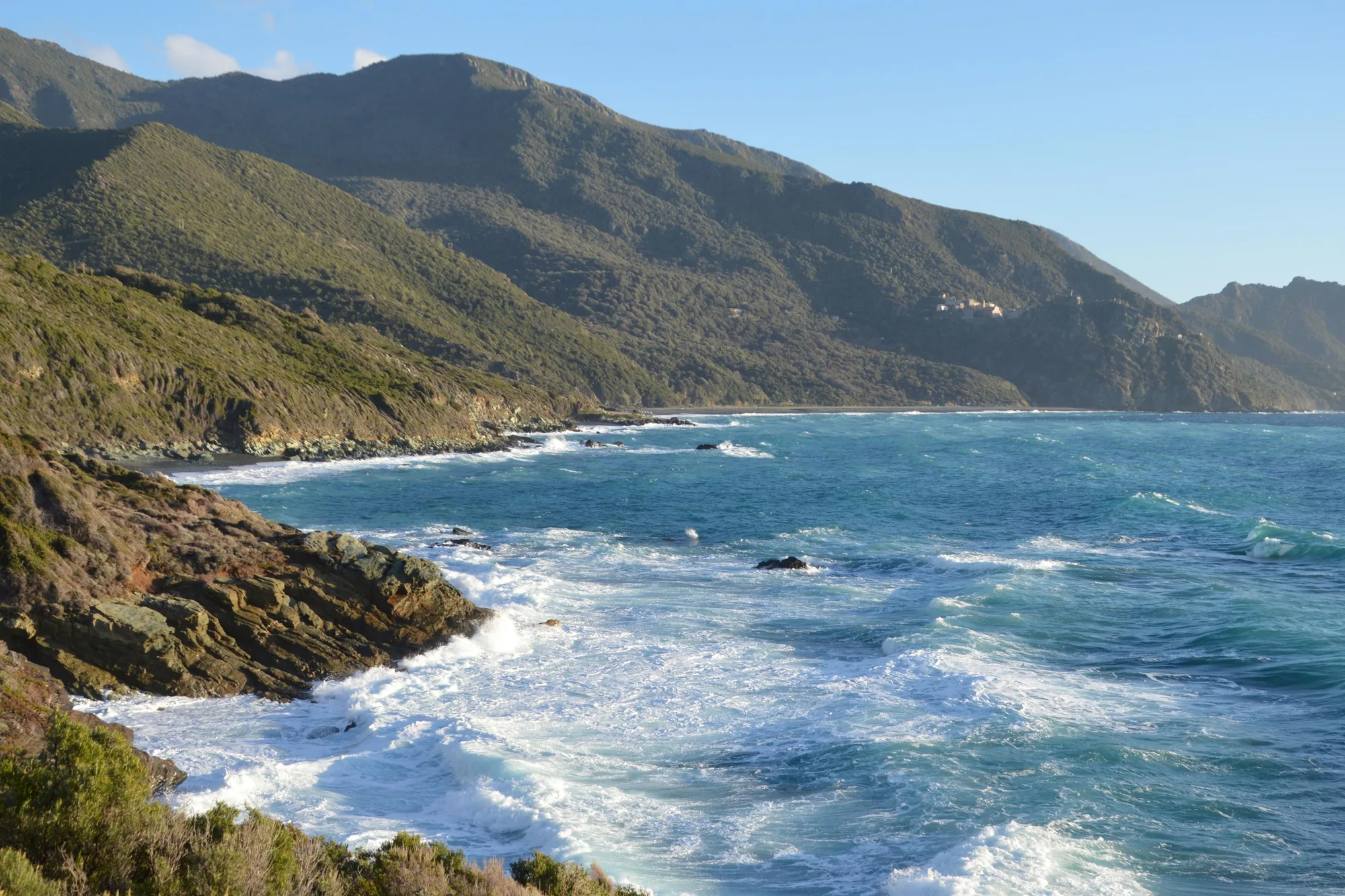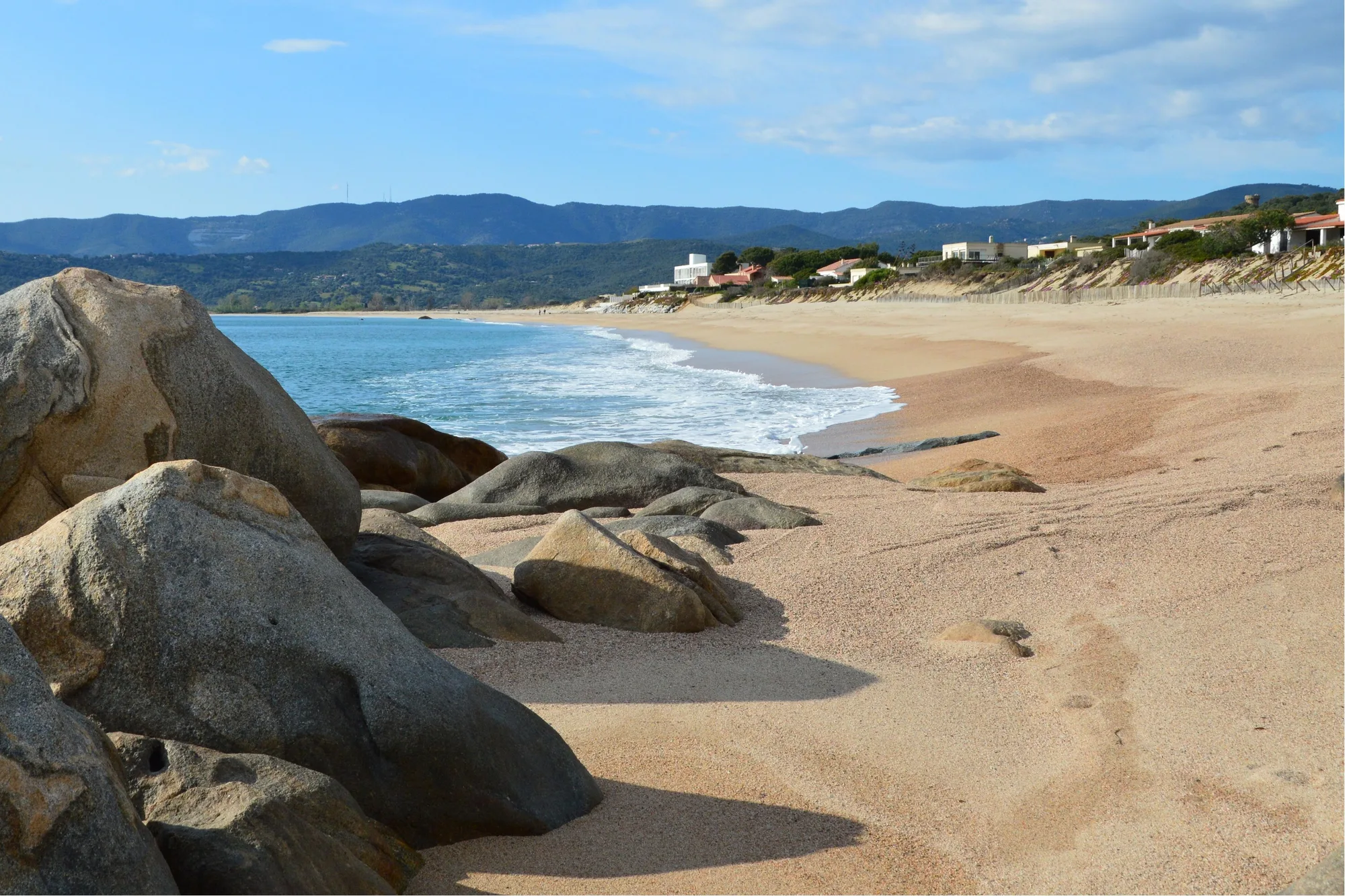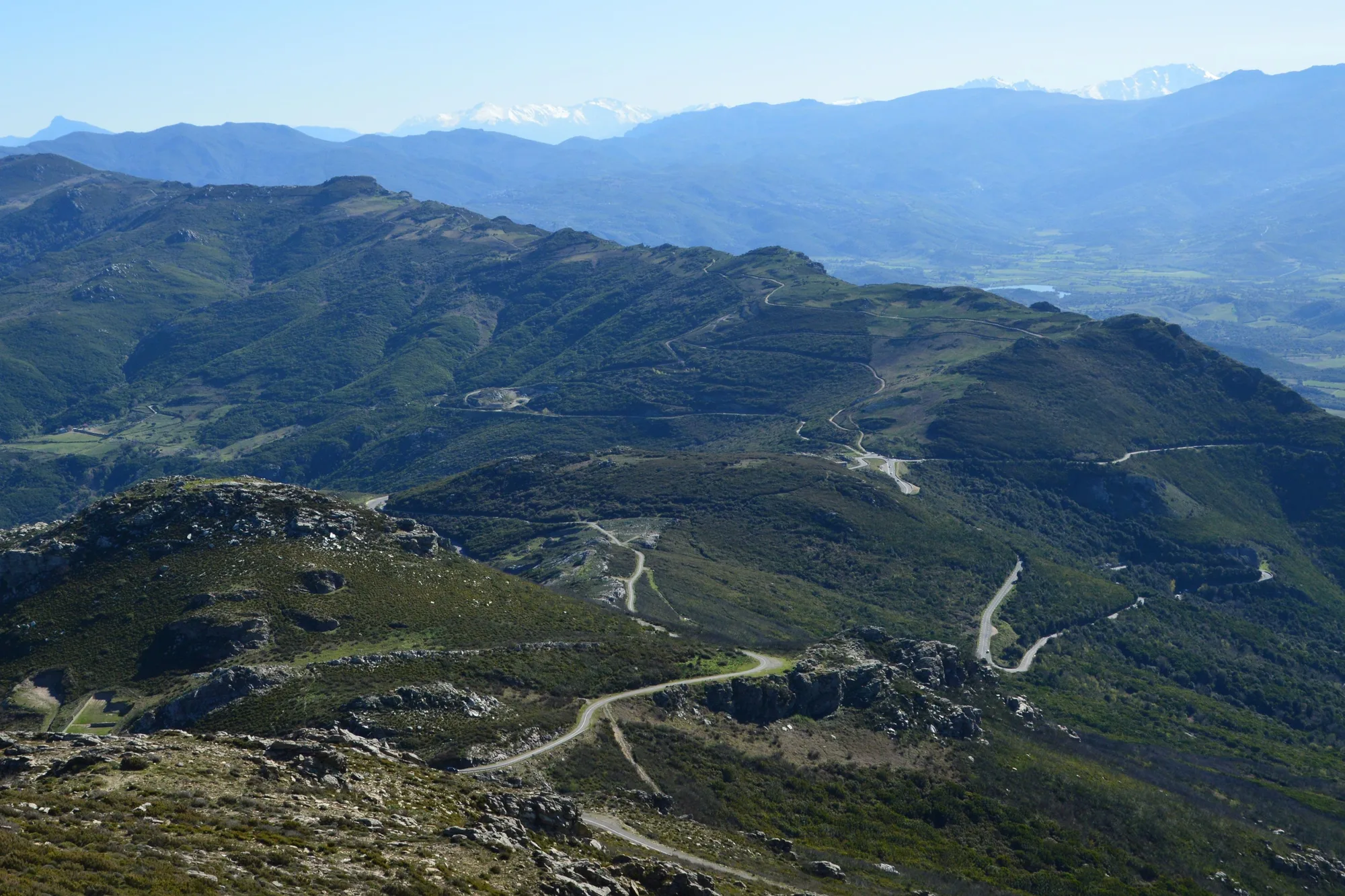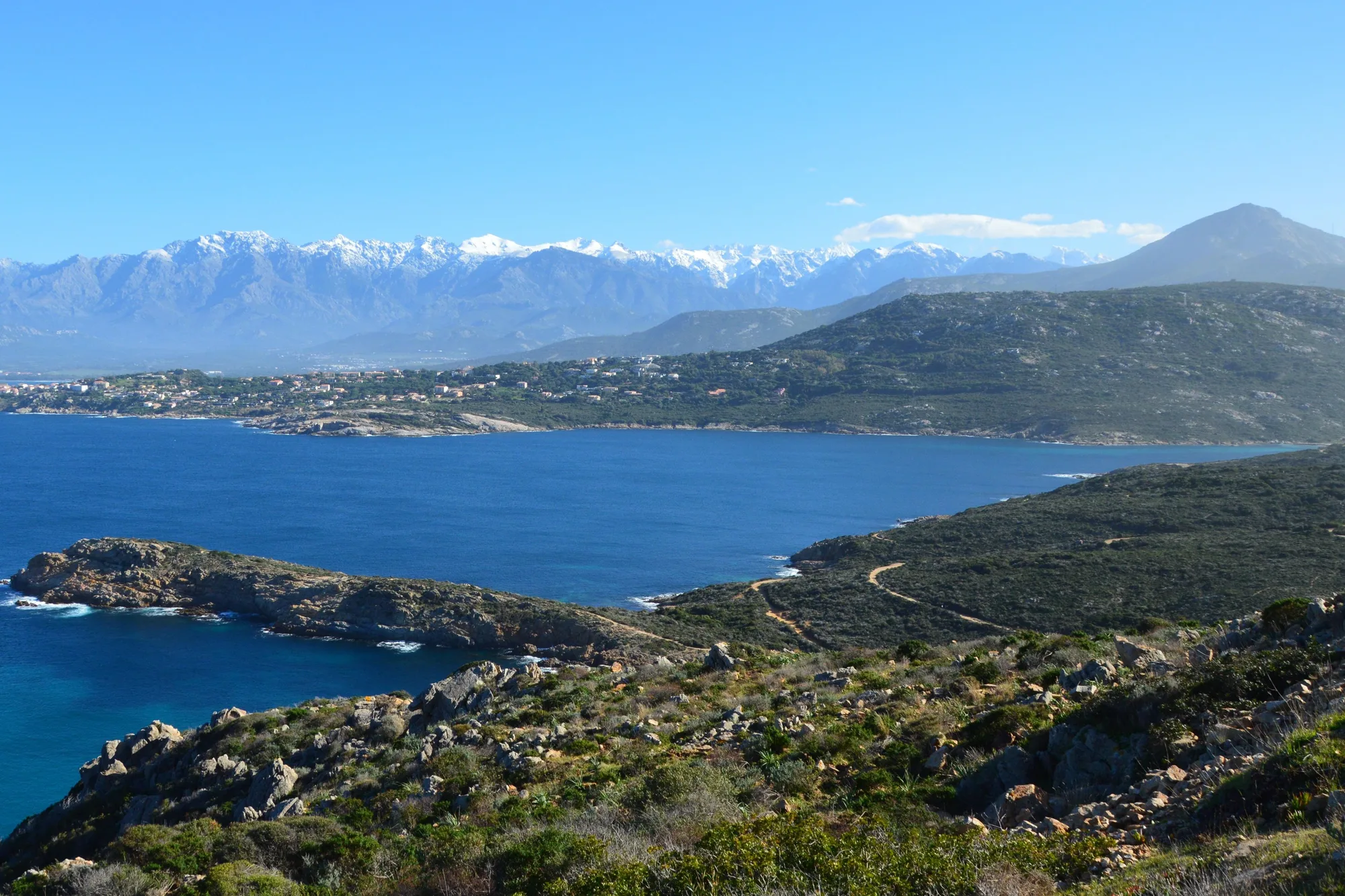
Corsica is a mountain in the sea: you can do all kinds of outdoor activities here, often on the same day. In the mountains as at sea, caution is essential, because the weather changes quickly.
Before you set off: the weather
Check the free forecasts from Météo-France, the French national weather service, on meteofrance.com or in its app. The warning map shows, department by department (Corse-du-Sud and Haute-Corse), the risk of thunderstorms, strong winds or heavy rain: vigilance.meteofrance.fr. Météo-France’s old premium-rate phone lines are being phased out by March 2027.
Whatever the activity (swimming, hiking, diving, climbing), use suitable equipment. If you are trying it for the first time, go with a qualified professional. Do not push beyond your physical limits, and check that your insurance covers any damage you might cause to yourself or to others.
Emergency numbers
- 112, the European emergency number, from any phone.
- 15 for the SAMU (emergency medical service), 18 for the fire brigade, 17 for the police and gendarmerie.
- 196 for sea rescue, from land. It puts you straight through to the CROSS, which coordinates rescue operations in the Mediterranean. At sea, VHF channel 16 remains the priority.
- 114: emergency number by text message, for deaf and hard-of-hearing people.
In the mountains, rescue is handled by the Corsican peloton de gendarmerie de haute montagne (PGHM, the gendarmerie’s mountain rescue unit), which you reach on 112 or 17.
At the seaside
Follow the signs: some spots are dangerous, and many beaches have no lifeguards. Swim at a supervised beach if you can, during supervised hours, and ask the lifeguards where the currents are.
On supervised beaches, remember the flag colours:
- green: supervised swimming, no particular danger;
- yellow: dangerous swimming, but supervised (it replaced the old orange flag in 2022);
- red: swimming prohibited;
- purple: pollution or dangerous species present.
Two flags, red and yellow, mark out the supervised swimming area. No flag means the beach is not supervised.
Keep an eye on your children at all times: a child can drown in very shallow water. Be careful with rubber rings and inflatable toys.
Spearfishing
Spearfishing is allowed only while free-diving (holding your breath), without breathing apparatus, from the age of 16, never at night, and with a marker buoy. Since 12 February 2026, recreational fishers in the Mediterranean must register online every year (RecFishing) and declare catches of sensitive species on the same day.
Several species are protected. A moratorium, renewed at the end of 2023 for ten years, bans fishing for groupers and brown meagre, whether by spearfishing or with a rod and line. Sea urchin fishing is open only for a short period each year, set annually by prefectoral order: check the dates and permitted quantities with the préfecture de Corse (the regional prefecture) before you fish.
In the Scandola nature reserve, recreational fishing, spearfishing and scuba diving are prohibited.
Boats and personal watercraft
A boating licence (permis plaisance) is required to drive a boat or personal watercraft with an engine of more than 4.5 kW (6 hp), including when you hire one. Close to the shore, speed is limited and motorised craft must use the marked channels: the rules are set by the préfecture maritime de la Méditerranée (the Mediterranean maritime prefecture).
Near rivers
Storms in the mountains can make water levels rise very fast, even when the weather is fine where you are. Downstream of dams, water can be released at any time: follow the signs that warn of this.
In the mountains
The Corsican mountains are beautiful and welcoming, but you need to plan ahead. The weather can change quickly within a single day, especially in the afternoon, when storms build over the peaks. Take warm clothes and waterproofs, even in summer.
- Find out about local conditions and ask professionals or refuge wardens for advice.
- Avoid going alone, and tell someone your route and when you expect to be back.
- Do not rely on your phone: coverage is patchy at altitude.
On the GR20, booking your nights in refuges is compulsory while they are staffed, from mid-May to early October.
Wildfire risk
From mid-June to the end of September, lighting fires and smoking are banned in natural areas; the ban can be extended depending on how dry it is (check the year’s order with the prefectures of Haute-Corse and Corse-du-Sud). Every day, a map published at 6pm shows the next day’s risk level and which massifs are closed:
- yellow: be careful;
- orange: limit your time there and leave the massif before 11am;
- red: do not go in.
Check it before any summer hike on risque-prevention-incendie.fr. Closures also apply to people on foot.
For the climate and seasons, see the climate in Corsica and when to go to Corsica.