Corsica travel guide
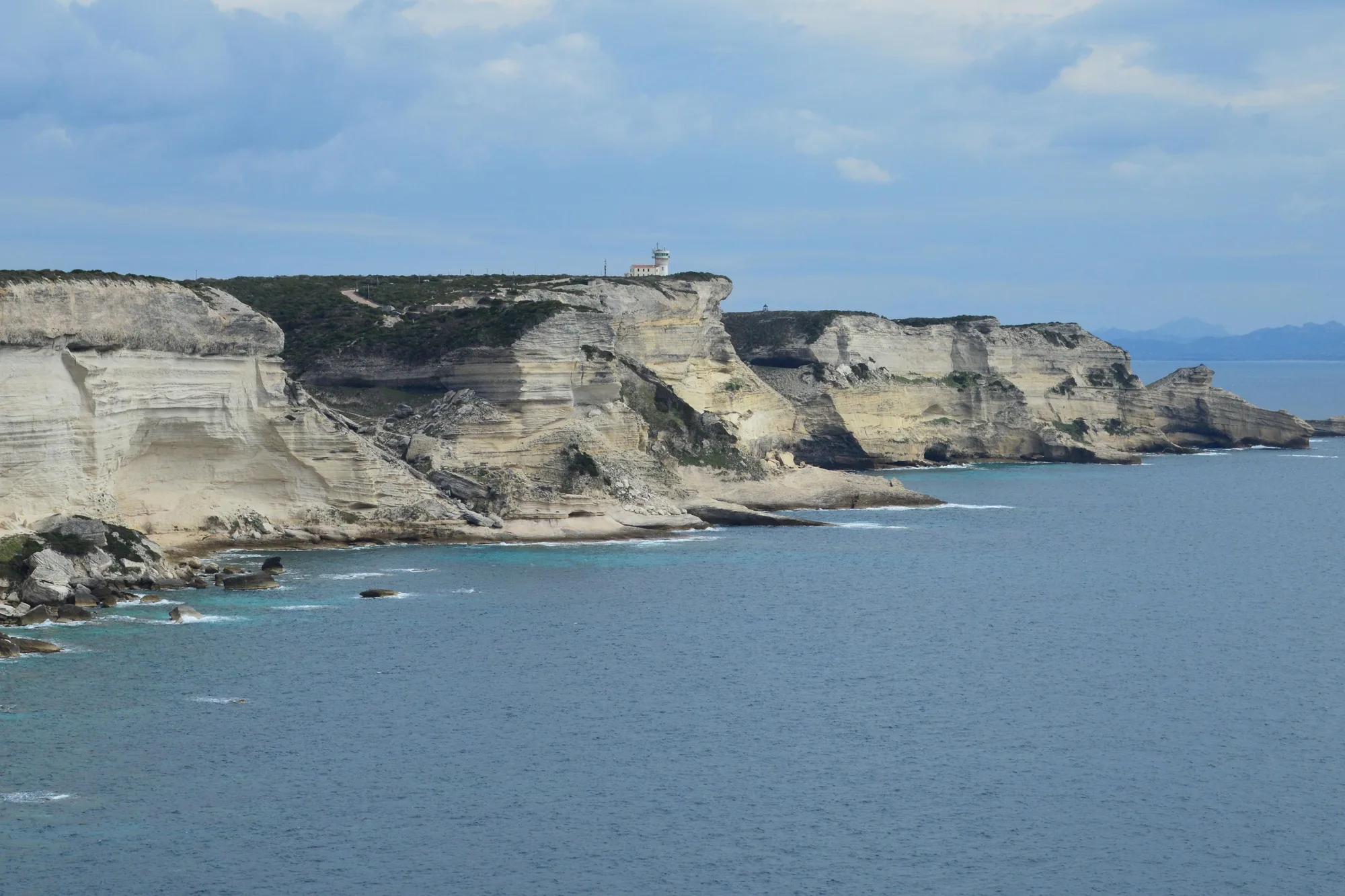
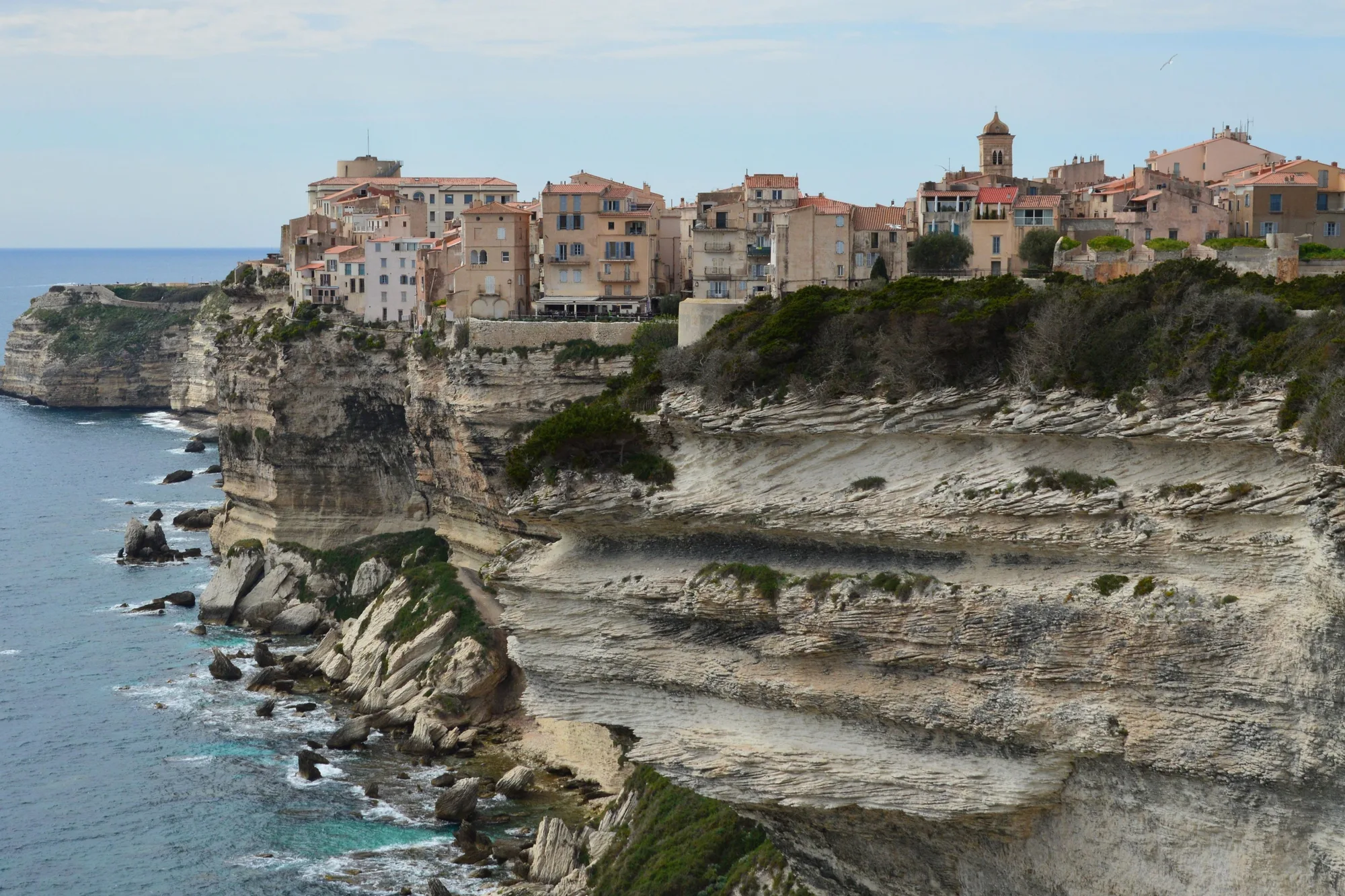
The white limestone cliffs of Bonifacio and the Pertusato lighthouse, at the southern tip of the islandPhoto: SlimMars 13 / Pexels
Corse-du-Sud · Region

Things to do in South Corsica

From the Ajaccio area to the Alta Rocca: the five regions of Corse-du-Sud, what to see and do there, and where to stay to explore them.

Department
Corse-du-Sud
Airports
Ajaccio, Figari
Ports
Ajaccio, Propriano, Porto-Vecchio
Regions
5
Overview

Things to do in South Corsica

Corse-du-Sud runs from the imperial city of Ajaccio to the cliffs of Bonifacio, and from the long beaches of Porto-Vecchio to the rock spires of Bavella. People come for the sea, but the interior matters just as much: granite villages, prehistoric sites, mountain passes and rivers. In summer, it is one of the hottest parts of the island. Here are its five regions, what to see and do there, and where to stay to explore them. Can’t decide between this and the north? Compare them on North or South Corsica and our page on things to do in Haute-Corse. To link the south with the mountains and the Gulf of Porto, follow Corsica in one week.
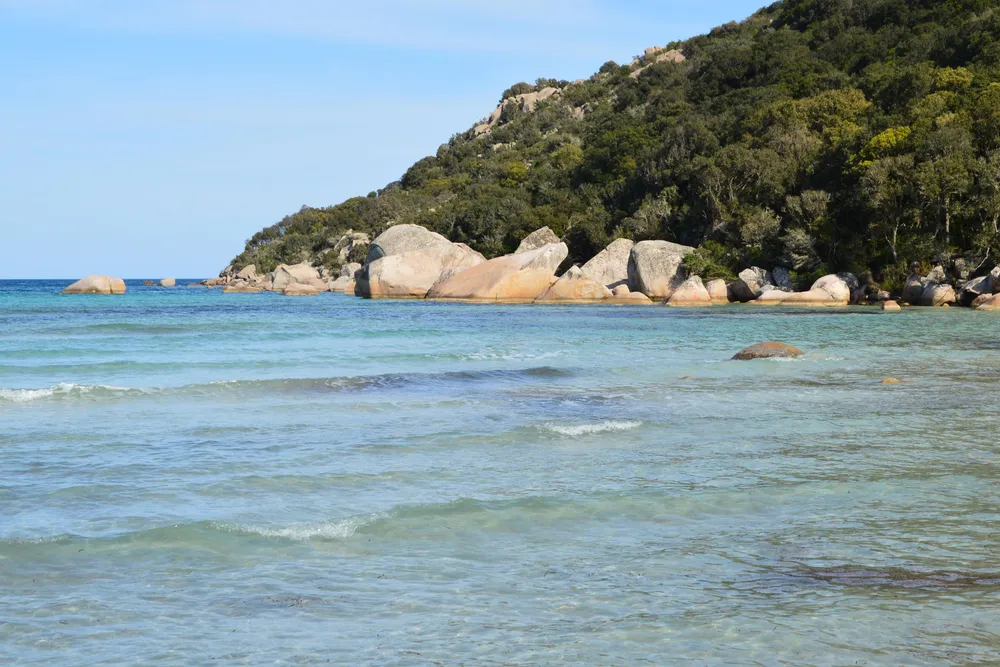
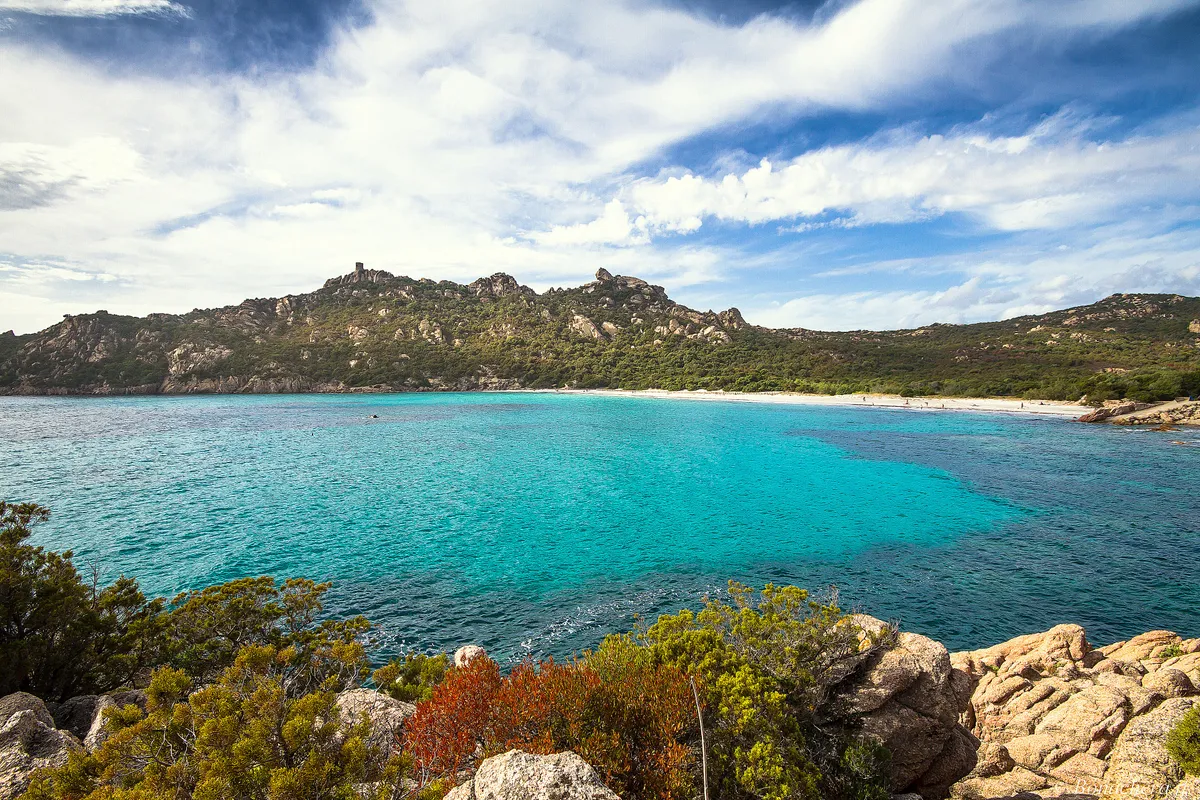
A cove with granite boulders and clear water on the Porto-Vecchio coastPhoto : SlimMars 13 / Pexels

The Ajaccio area

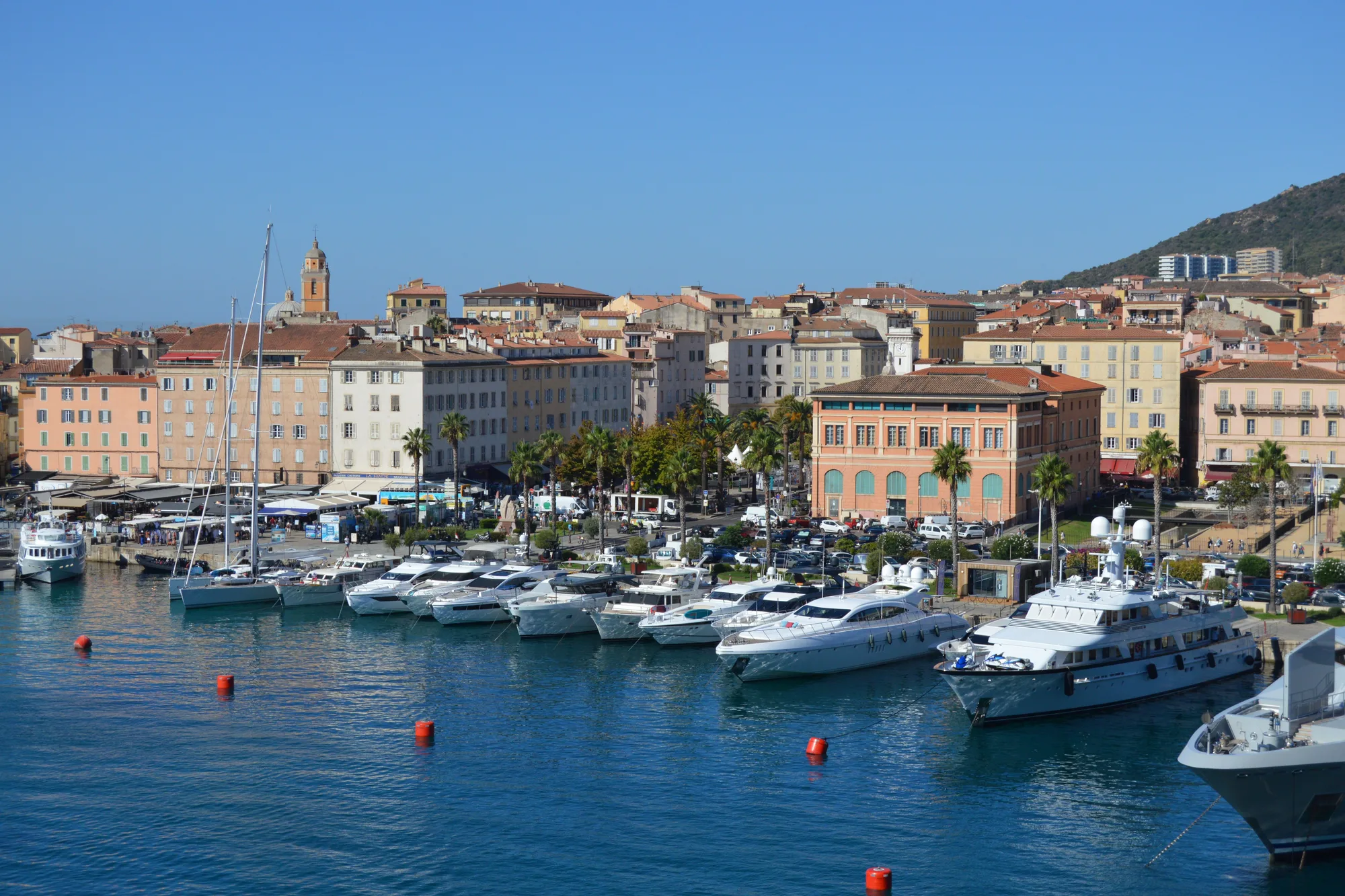
In Ajaccio, the largest town in Corsica, the old town is best seen on foot, in the footsteps of Napoleon: the Bonaparte house, his birthplace and now a national museum, the Fesch palace and its collection of Italian paintings, the citadel and the cathedral. At the mouth of the gulf, the Sanguinaires islands and Parata point have held the Grand Site de France label since 2017. Go at sunset, when the islands turn red.

For a swim, Saint-François beach lies below the citadel. To the west, the long beach at Capo di Feno draws surfers; on the south shore of the gulf, the Isolella peninsula has a beach on each side. Our page on the beaches of Ajaccio compares them. Inland, the road to Lake Tolla and the one over the Coti-Chiavari pass give two fine views of the gulf.

The Valinco

South of Ajaccio, the Gulf of Valinco opens out between Capu di Muru and the bay of Campomoro, with Propriano at its head. A ferry port, the town is the practical base for the gulf. People come for the beaches of Porto-Pollo, Portigliolo and Campomoro. At the end of the road, the hamlet of Campomoro is guarded by a large 16th-century Genoese tower, and a coastal path heads south from there.

In the Taravo valley, the prehistoric site of Filitosa and its statue-menhirs are listed as a historic monument; a small museum displays the finds. Opening times and guided tours on filitosa.fr.

The Sartenais

Around Sartène, ‘the most Corsican of Corsican towns’ according to Prosper Mérimée, the region is rich in prehistoric sites. On the Cauria plateau, half an hour by road from the town, the Fontanaccia dolmen and the Stantari and Renaghju alignments can be visited on foot; the Palaggiu alignment is in the same area. The museum in Sartène, devoted to prehistory, completes the visit.

On the coast, the Roccapina site and its granite lion have been protected since 1990. The Genoese bridge of Spin’a Cavallu, over the Rizzanèse, is a quarter of an hour from Sartène: the ARS de Corse (regional health agency) lists swimming there among the sites banned or to be avoided in 2026. The Corse Sartène wine area covers sixteen communes, from the Sartenais to the Gulf of Valinco.

The far south

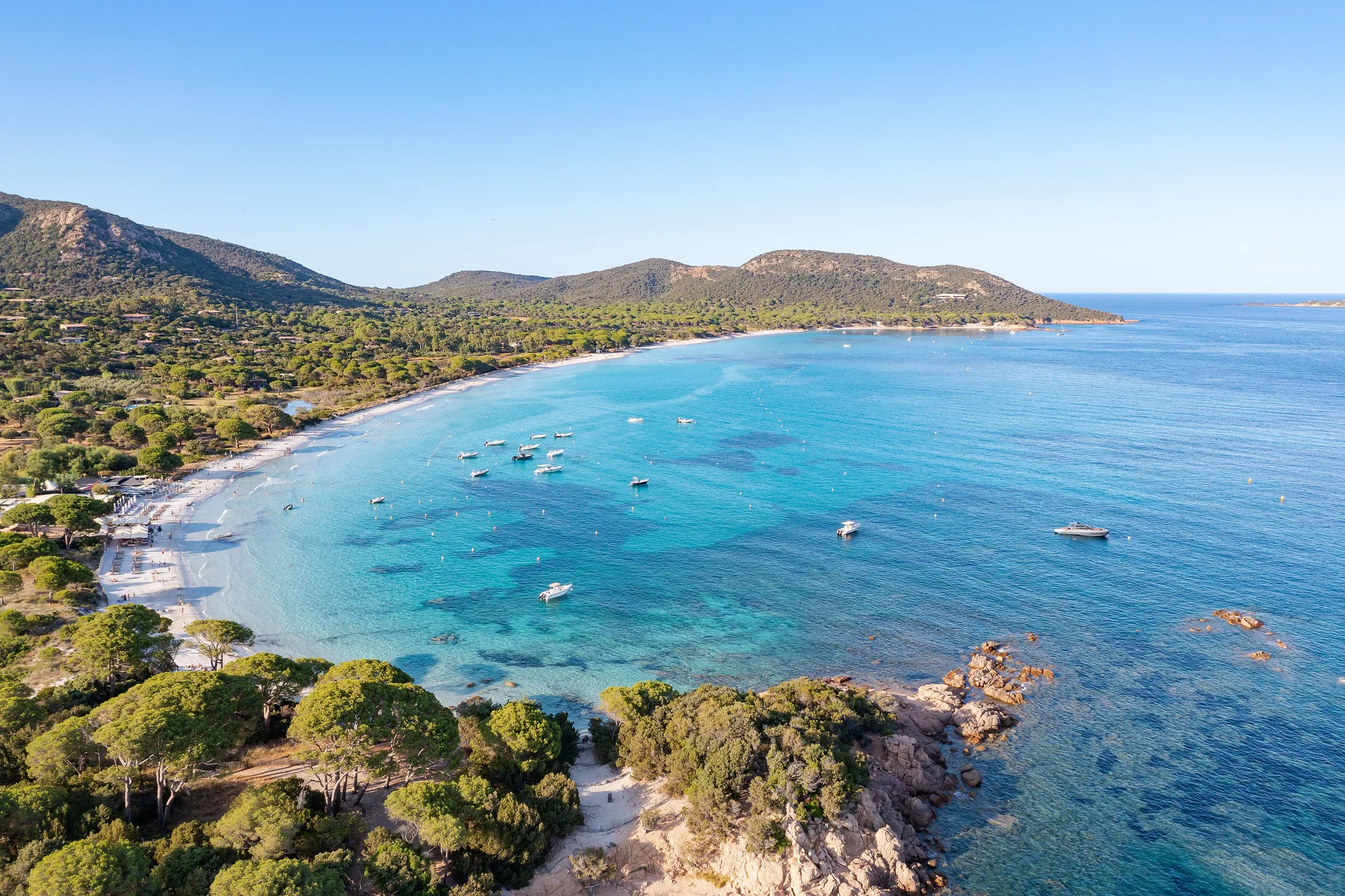
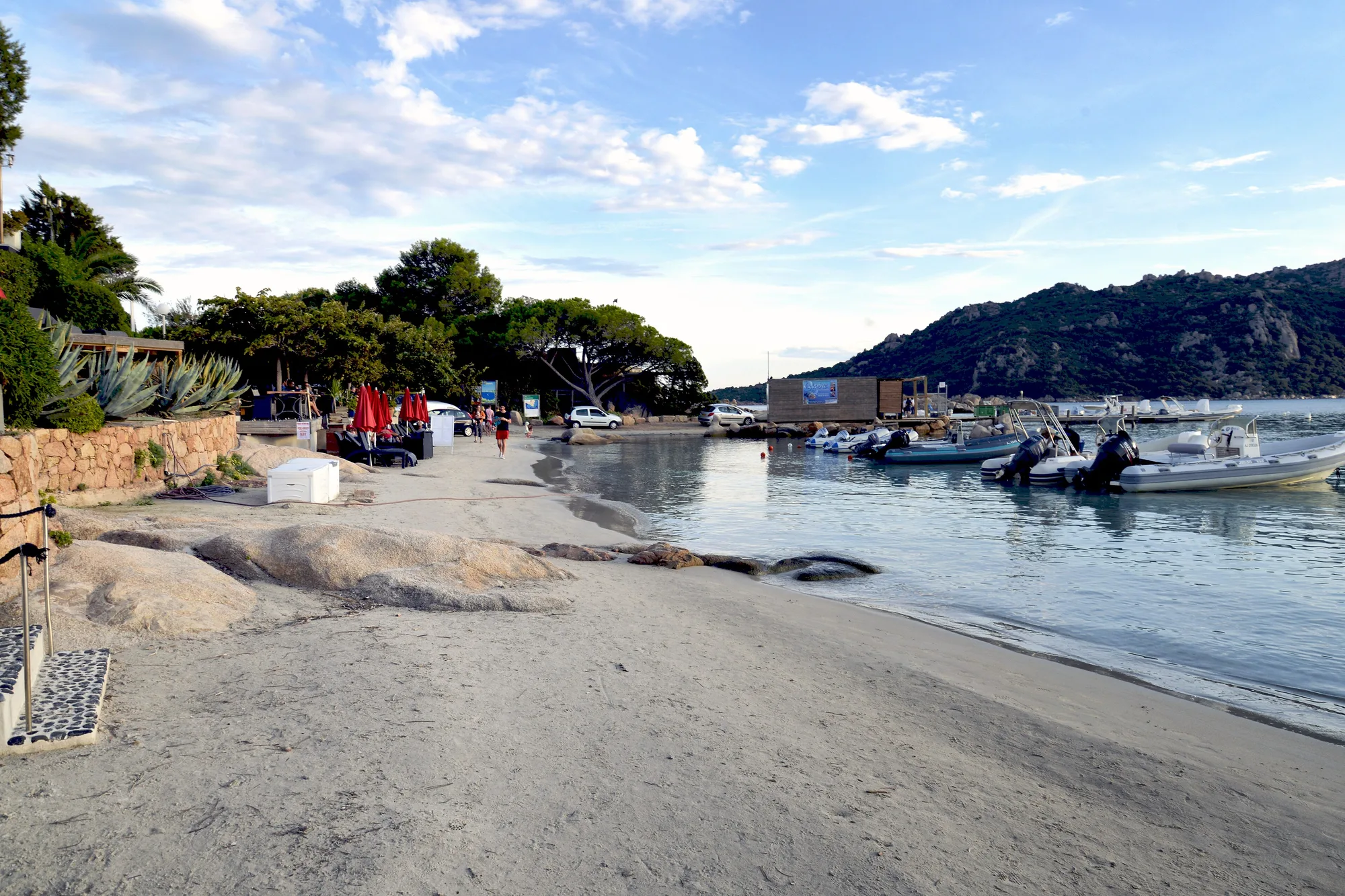
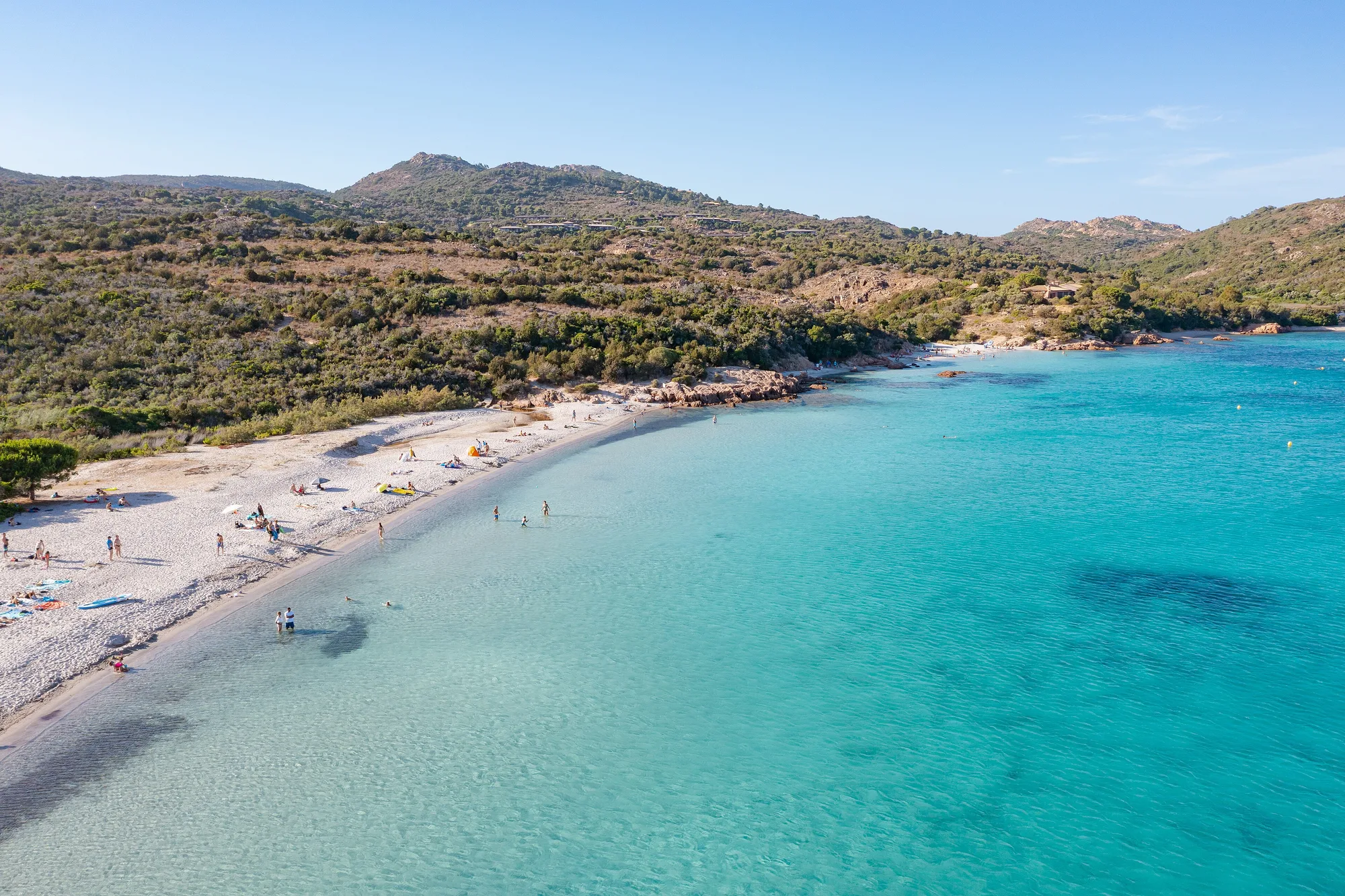
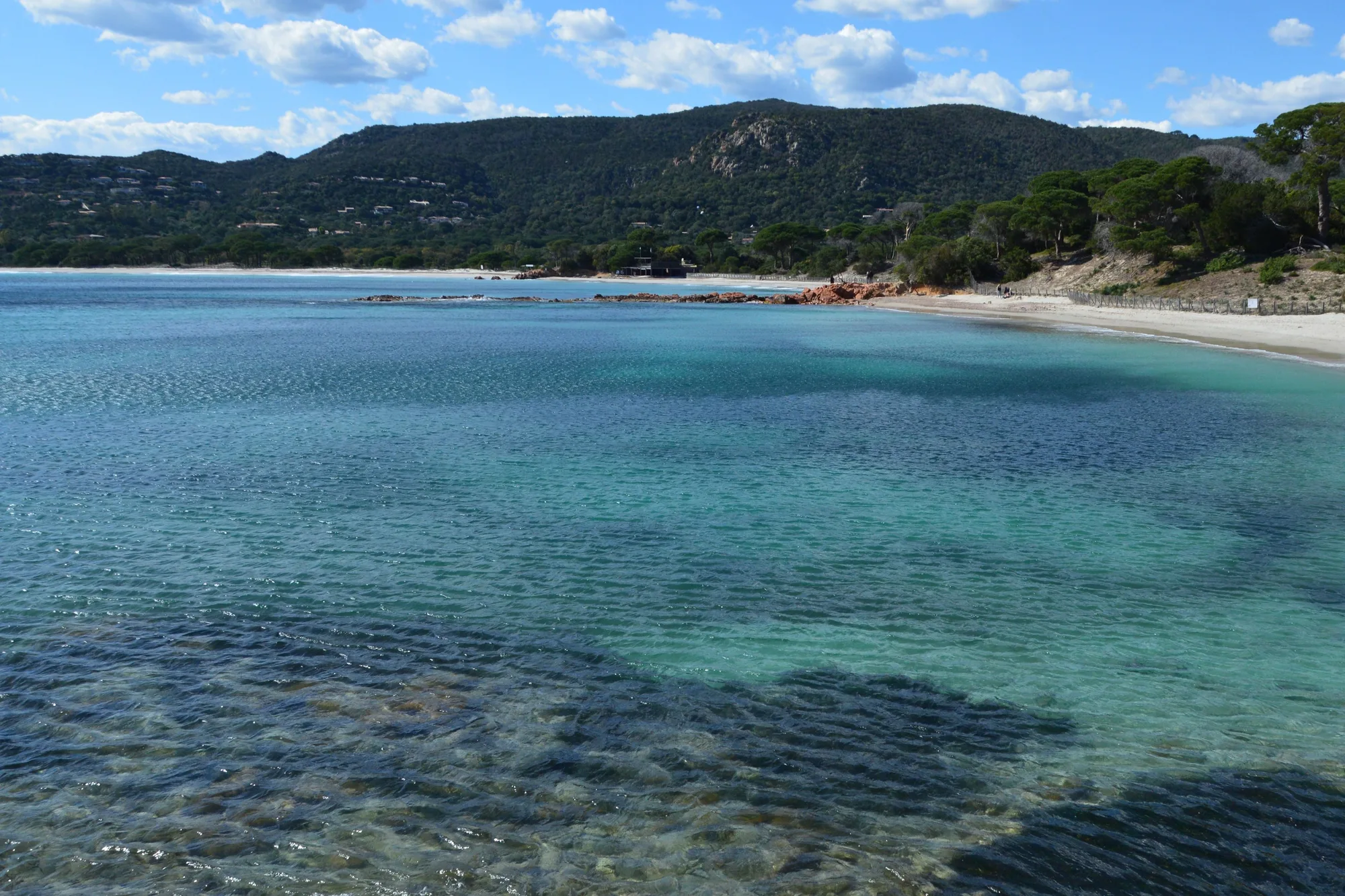
From Porto-Vecchio to Bonifacio, by way of Figari, this is the land of long white sand beaches. On the Porto-Vecchio side: Palombaggia, Santa Giulia and, further north, Pinarello and Fautea. On the Bonifacio side: Rondinara, Piantarella, the Petit Sperone and the Grand Sperone. Our pages on the beaches of Porto-Vecchio and the beaches of Bonifacio will help you choose.

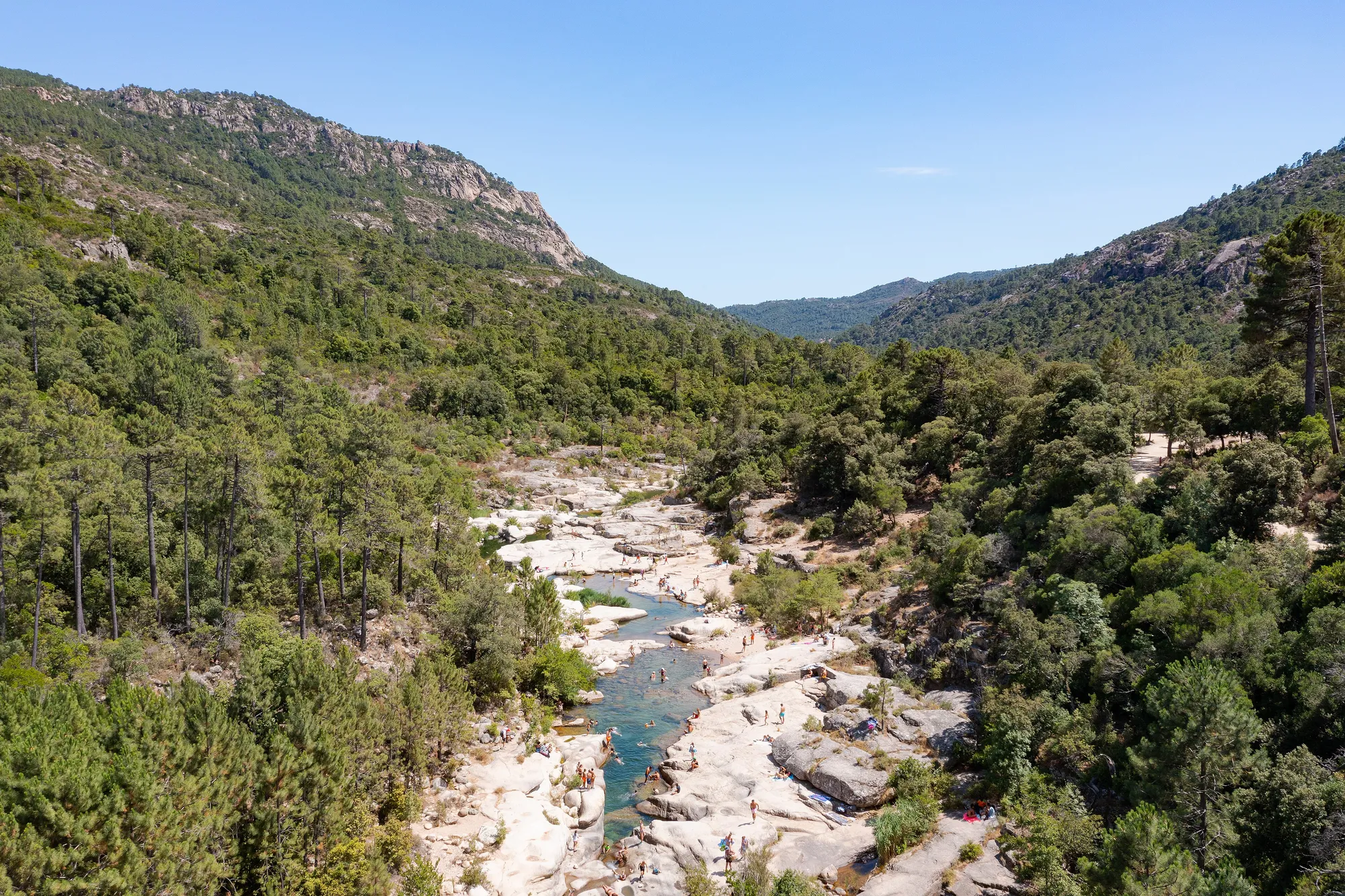
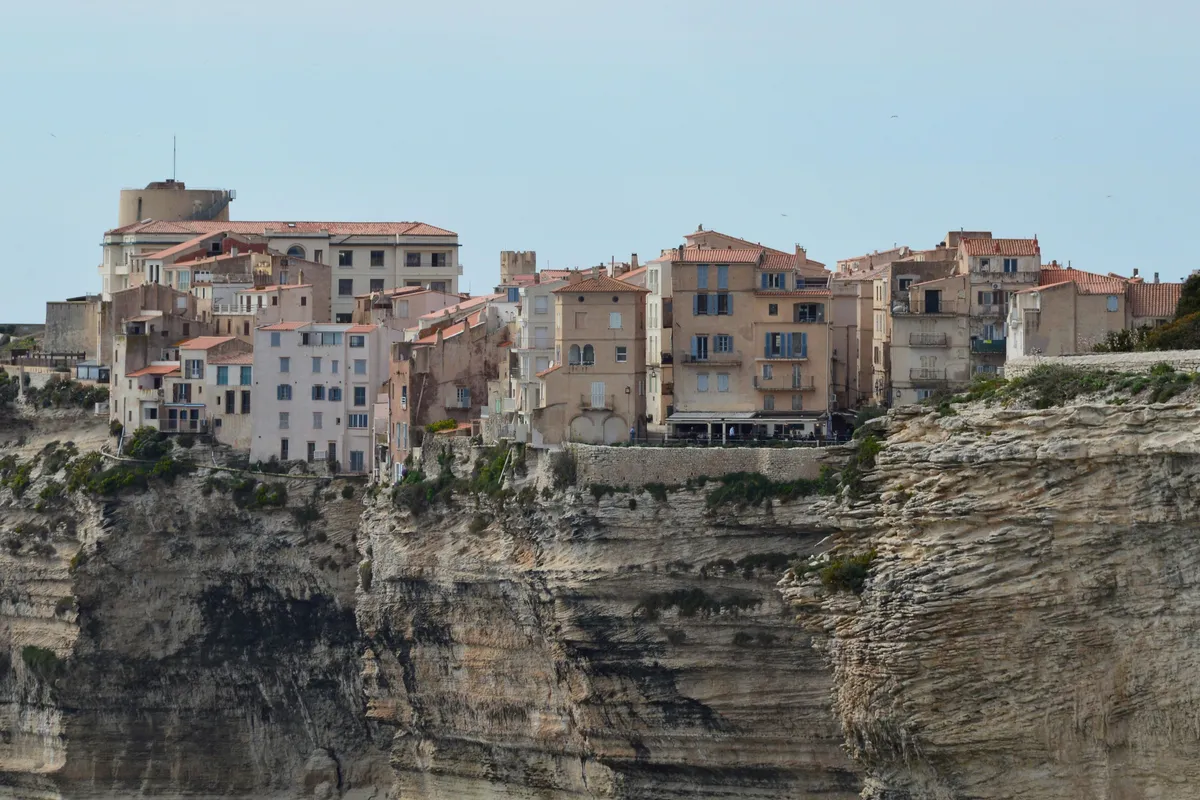
In Bonifacio, the upper town looks down on the sea from its limestone cliffs, and the King of Aragon’s staircase leads down to the water’s edge. Offshore, the Bouches de Bonifacio nature reserve, created in 1999 across five communes, protects about 80,000 hectares, almost all of it sea, from the Moines islets to the Cerbicale islands, by way of the Lavezzi islands. Half an hour north of Porto-Vecchio, the Cavu natural pools offer freshwater swimming in the shade of the pines. Figari airport is the gateway to the area.

The Alta Rocca

Inland, the Alta Rocca and its granite villages (Zonza, Levie) lead up to the Bavella pass (1,218 m) and its rock spires, about an hour from Porto-Vecchio through the Ospedale forest. From the pass, the Trou de la Bombe path runs through the laricio pines to an arch pierced through the ridge.

In Levie, the Alta Rocca museum displays the Dame de Bonifacio (Lady of Bonifacio), the skeleton of a woman who lived around 6500 BC, and the archaeological sites of Cucuruzzu and Capula are open from April to October: allow about two hours for both, in the forest, with good shoes and water. Higher up, the Coscionu plateau is a land of summer pastures and hiking, between 1,400 and 1,700 m above sea level. Keep at least one day for the mountains: they make a change from the beach, and it is cooler up there.

Where to stay to explore South Corsica

One base is not enough for the whole south: from Ajaccio, allow about 2 hours by road to Bonifacio and 2 hr 15 min to Porto-Vecchio, outside summer and without stops (OSRM calculation). For one or two weeks, choose two bases, one in the west and one in the east. Each town has its own ‘Where to stay’ section, with its areas and a selection of accommodation.

BaseWithin reachDriving time
AjaccioThe old town, the Sanguinaires, the beaches of the gulf, TollaPropriano: about 1 hr
ProprianoThe Valinco, Filitosa, Campomoro, SartèneSartène: about 15 min; Levie: about 30 min
SartèneCauria, Roccapina, the Tizzano coastBonifacio: about 45 min
Porto-VecchioThe big beaches, the Cavu, Bavella, the Lavezzi by boatBonifacio: about 30 min; Bavella pass: about 1 hr
BonifacioThe upper town, the Lavezzi, Rondinara, SperonePorto-Vecchio: about 30 min
FigariThe airport, the vineyards, Bonifacio and Porto-Vecchioless than half an hour from either

In the west, Propriano is central: Ajaccio is about an hour away, Sartène and the Alta Rocca closer. In the east, Porto-Vecchio gives easy access to the beaches, Bonifacio and the mountains. Sartène has little accommodation: many visitors stay on the coast and drive up to the town for the day.

Things to do in South Corsica when it rains

On rainy days, head for the museums: in Ajaccio, the Fesch palace and the Bonaparte house; in Sartène, the museum of prehistory and archaeology; in Levie, the Alta Rocca museum. Our page on the museums of Corsica gives their official websites. Between showers, the old towns are best explored on foot: the granite lanes of Sartène, the upper town of Bonifacio and its churches, the citadel of Porto-Vecchio. The estates of the Sartenais and Figari also welcome visitors for tastings.

During and after a storm, do not swim in rivers and give canyoning a miss: the water at the Cavu and in the Bavella canyons rises in a few minutes, even once the sky has turned blue again.

Updated 2 November 2026

See

The best beaches in South Corsica

A selection, from east to west; each beach has its own page, with access, parking and photos. See also our pages on the beaches of Porto-Vecchio, the beaches of Bonifacio and the beaches of Ajaccio.

Cala Rossa and Saint-CyprienIllustration
05

Cala Rossa and Saint-Cyprien

On the north side of the gulf of Porto-Vecchio, in the commune of Lecci, two quieter beaches with clear water.

Beach

More to see

The finest landscapes and viewpoints

Mountain and coastal sites, passes and viewpoints on the roads of the south, to visit by car, ideally early in the morning or at the end of the day.

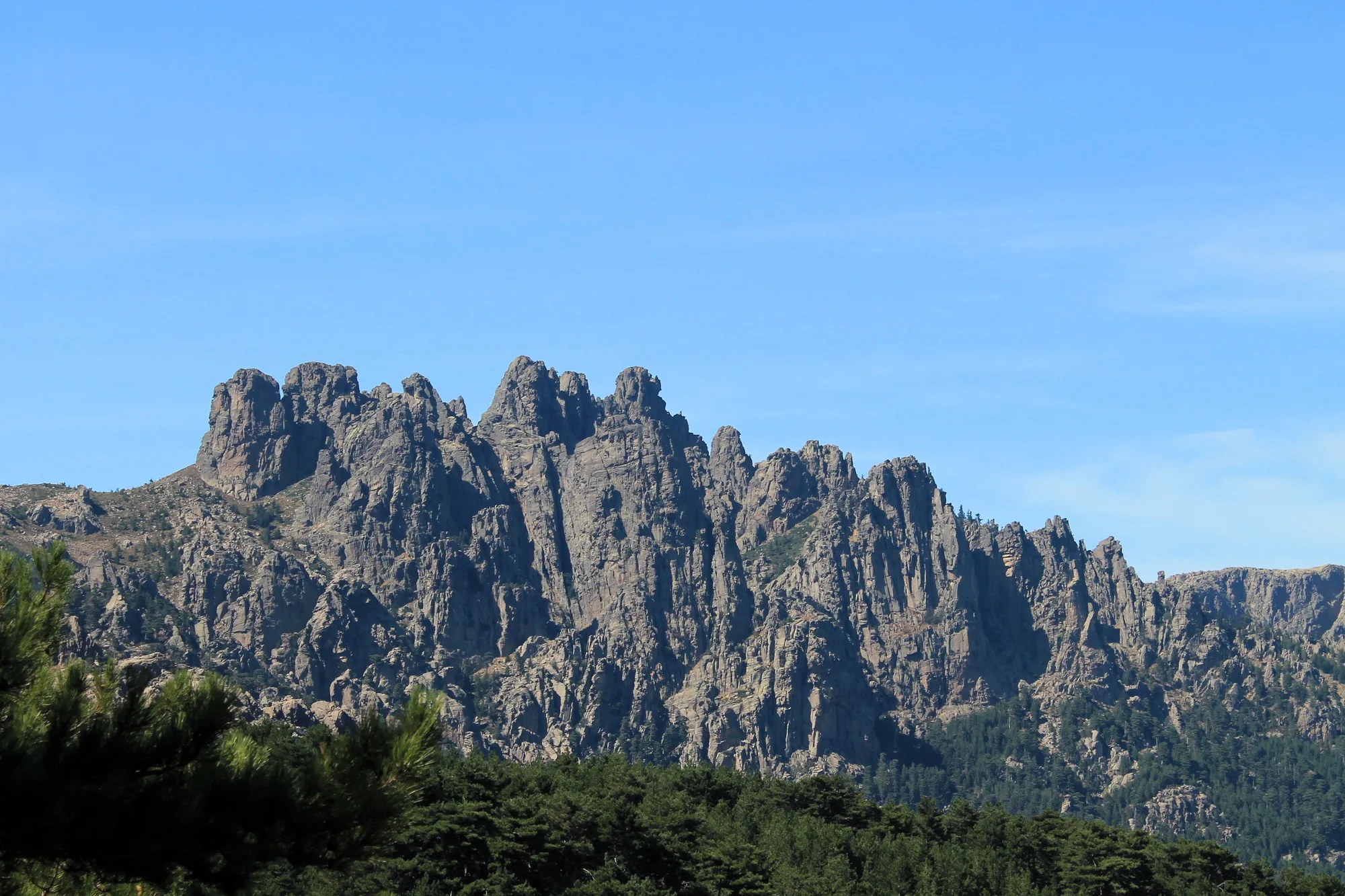
The granite spires of Bavella above the forestPhoto: arnaud audoin / Pexels

The Bavella needles

At the Bavella pass, at 1,218 m, red granite towers and laricio pines twisted by the wind. The view from the pass is worth the detour; with two hours to spare, the Trou de la Bombe path leads to an arch pierced through the ridge. In July and August, get there before 9 am.

Mountains · Hiking

Read the visitor guide →
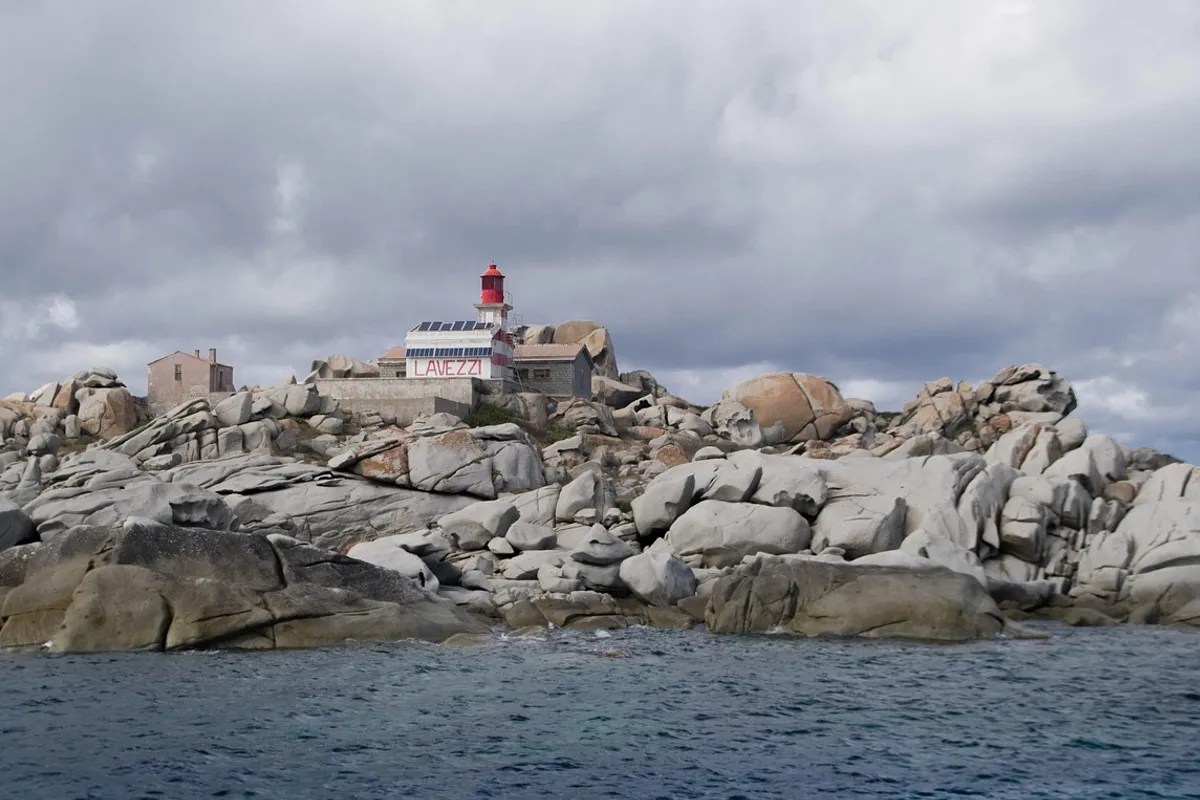
The Lavezzi islandsPhoto: jackmac34 / Pixabay

The Lavezzi islands

The archipelago off Bonifacio is part of the Bouches de Bonifacio nature reserve: camping is banned, but you can come by boat to swim and walk the waymarked paths of Lavezzu island. Two cemeteries recall the wreck of la Sémillante, in 1855.

Boat · Nature reserve

Read the visitor guide →
The Coti-Chiavari passPhoto: Pat_Photographies / Pixabay

The Coti-Chiavari pass

As you leave Porticcio to the south, follow signs for Mare e Sole beach, then, after the turning for Coti, climb towards Propriano. At the top, stop and look back: Ajaccio and its gulf spread out as far as the Sanguinaires islands. A little further on, on the other side of the summit, the indented coastline runs all the way to Cupabia beach.

Scenic road

The bend into the far southIllustration

The bend into the far south

Leaving Sartène, take the Bonifacio road as far as the Roccapina lion: just after it, the view suddenly opens onto the jagged coast, the Moines islets and, in the distance, Sardinia.

Scenic road

The Ospedale passIllustration

The Ospedale pass

From Levie, follow signs for the Ospedale dam, then for Porto-Vecchio. Once over the pass, you look down on the gulf of Porto-Vecchio for almost the whole descent.

Scenic road

Bonifacio old town from the clifftopsPhoto: SlimMars 13 / Pexels

Bonifacio old town from the clifftops

Simply walk along the cliffs of Bonifacio into the old town and look at the sheer drop: the plateau stands 60 to 80 metres above the sea, and the view reaches as far as Sardinia.

Walk

Things to do

Things to do in South Corsica: our ideas by interest

Each idea links to the page with the access details, the rules and the precautions to take.

Swim from the white sand beaches

Palombaggia and Santa Giulia south of Porto-Vecchio, Rondinara and the Sperone beaches near Bonifacio, Capo di Feno and the Isolella around Ajaccio. In July and August, arrive early: the car parks fill quickly. See the beaches of Corsica.

Beaches
Head out to sea

To the Lavezzi islands from Bonifacio, Porto-Vecchio or Santa Giulia, along the foot of the Bonifacio cliffs, to the Sanguinaires from Ajaccio, or round the Gulf of Valinco from Propriano. In strong winds, trips are cancelled or cut short: keep a spare day.

By boat
Swim in a river

The Cavu natural pools are half an hour by road from Porto-Vecchio, outside summer and without stops. The island’s other pools are on our page about the natural pools of Corsica. No jumping or diving unless you know the depth.

River
Go hiking

The Trou de la Bombe at the Bavella pass, the clifftop path from Bonifacio to the Pertusato lighthouse, the coastal path at Campomoro, the summer pastures of the Coscionu plateau. In summer, set off early: storms often threaten in the mountains in the afternoon.

Hiking
Step back in time

The statue-menhirs of Filitosa, the dolmen and the alignments of Cauria, the sites of Cucuruzzu and Capula in the Alta Rocca, then the museums in Sartène and Levie to make sense of what you have seen. See the museums of Corsica.

Prehistory
Explore the towns and villages

The old town of Ajaccio, in the footsteps of Napoleon; the upper town of Bonifacio and the King of Aragon’s staircase; the granite lanes of Sartène; the citadel of Porto-Vecchio; the villages of the Alta Rocca, Zonza and Levie.

Heritage
Go canyoning

The canyons of the Bavella massif, including the Purcaraccia, are done with a qualified instructor. The activity is regulated by prefectoral order in Corse-du-Sud: check the prefecture’s website.

Sport
Taste the wines of the south

The Ajaccio AOC and three of the named areas within the Vin de Corse appellation are in the south: Sartène, Figari and Porto-Vecchio. Several estates welcome visitors for tastings. See our AOC wines.

Wine
See the festivals and traditions

The Catenacciu in Sartène, on the evening of Good Friday; A Madunuccia in Ajaccio, on 18 March; the Napoleonic festivities in Ajaccio, in mid-August; the Jeudis polyphoniques (polyphony Thursdays) in Bonifacio. See the town pages.

Festivals
With children

The calm, shallow water at Rondinara, Santa Giulia, Pinarello or the northern beach at Fautea; the Cavu pools near the car park; Porto-Pollo, a small resort on the Valinco popular with families. At the Bavella pass, the Trou de la Bombe is rated easy to moderate.

Families
Practical info

Getting to and around South Corsica

By air

Two airports serve the south: Ajaccio Napoléon Bonaparte for the west, and Figari Sud Corse, 22 km from both Porto-Vecchio and Bonifacio, for the far south. See flying to Corsica.

By sea

Ferries from the mainland arrive at Ajaccio, Propriano and Porto-Vecchio; Bonifacio has links with Sardinia. See the ferry crossing.

Getting around

A car is still the most practical option: the train stops at Ajaccio and goes no further south. Via Corsica coaches link Ajaccio, Propriano, Sartène, Figari, Bonifacio and Porto-Vecchio. Allow about 2 hours by road from Ajaccio to Bonifacio and 2 hr 15 min to Porto-Vecchio, outside summer and without stops. See getting around Corsica.

When to go

May, June and September, for the sea and the mountains without the crowds. In July and August, the far south is very hot: an average August maximum of 31.7°C at Figari (Météo-France climate normals). See when to go to Corsica.

How long to stay

A week for one half of the south, west or east; two weeks for the whole of it, with a day in the mountains and a boat trip.

Where to stay

See ‘Where to stay to explore South Corsica’ above, and the ‘Where to stay’ section of each town: Ajaccio, Propriano, Sartène, Porto-Vecchio, Bonifacio and Figari.

Find your bearings

Map

Questions

Frequently asked questions

What is there to do in South Corsica?

Swim at Palombaggia, Santa Giulia or Rondinara, walk round the upper town of Bonifacio, take a boat to the Lavezzi islands, drive up to the Bavella pass, swim in the Cavu pools, see the statue-menhirs of Filitosa and the lanes of Sartène, and follow Napoleon through the old town of Ajaccio.

Which village should I visit in South Corsica?

Sartène, for its granite houses and vaulted lanes; Zonza and Levie, in the Alta Rocca, on the road to Bavella; the hamlet of Campomoro and its Genoese tower, at the far end of the Gulf of Valinco. The upper town of Bonifacio and the citadel of Porto-Vecchio are also best explored on foot.

Where is the best base to explore South Corsica?

Choose two bases rather than one: Propriano in the west, about a quarter of an hour from Sartène and half an hour from Levie, then Porto-Vecchio in the east, about half an hour from Bonifacio and an hour from Bavella, outside summer and without stops (OSRM calculation).

What can you do with children in South Corsica?

Pick beaches with calm, shallow water: Rondinara, Santa Giulia, Pinarello or the northern beach at Fautea. Add a morning at the Cavu pools, near the car park, and a boat trip to the Lavezzi when the sea is calm.

What can you do in South Corsica when it rains?

Visit the museums: the Fesch palace and the Bonaparte house in Ajaccio, the museum of prehistory and archaeology in Sartène, the Alta Rocca museum in Levie. Between showers, walk round the old towns of Sartène and Bonifacio. Stay away from rivers and canyons during and after a storm.