Corsica travel guide
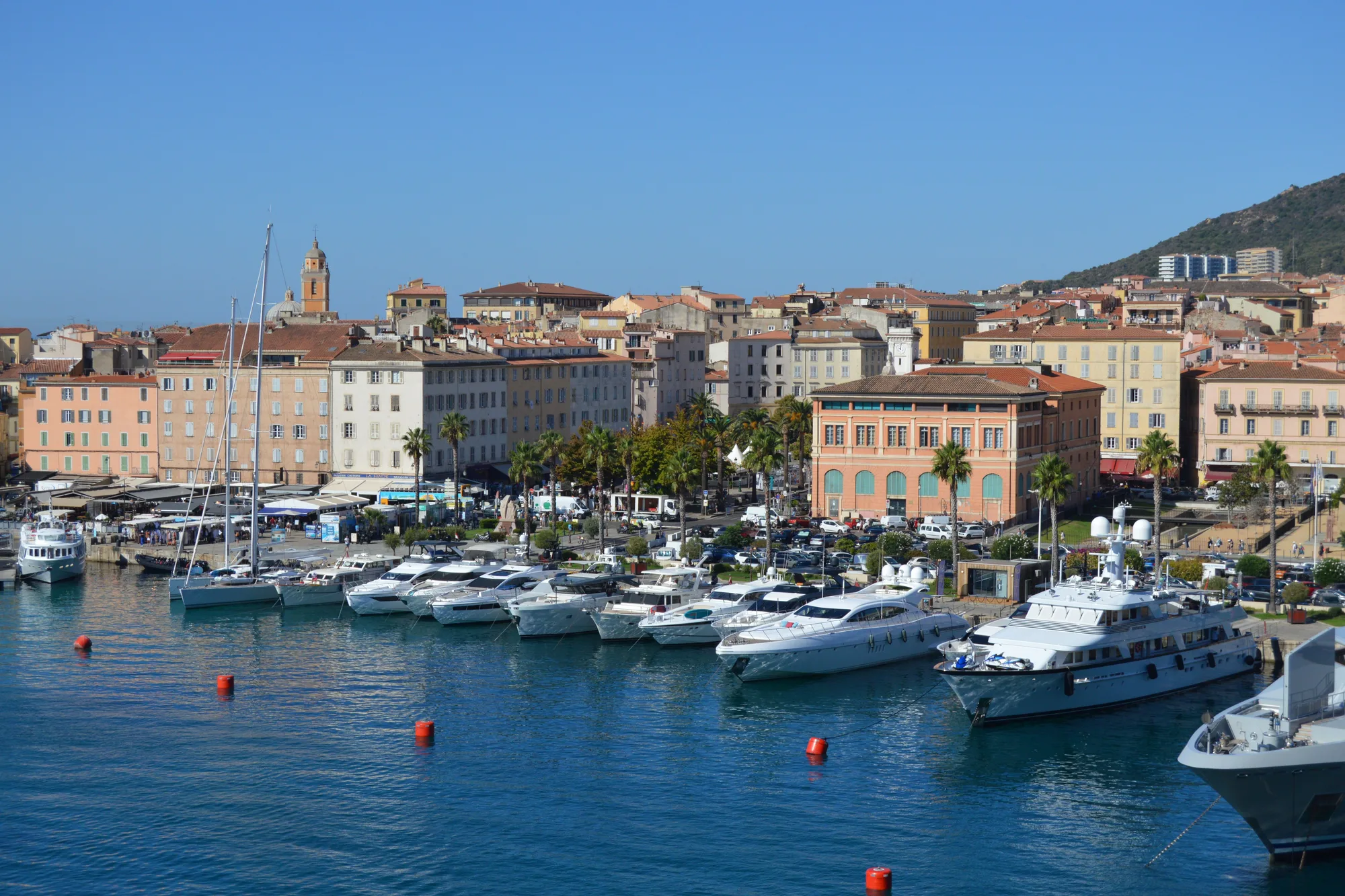
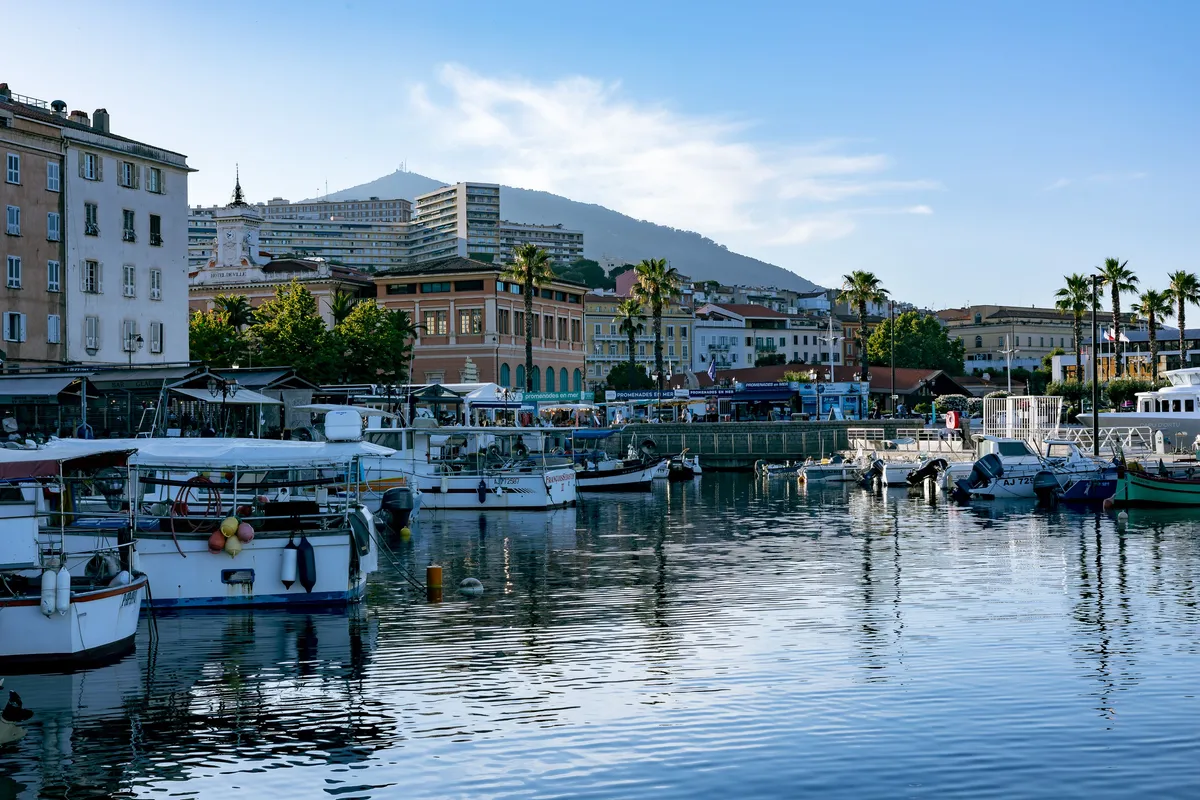
Ajaccio harbour and the buildings of the old townPhoto: Dan Phan Nguyen / Pexels
Pays ajaccien · Corsican town

Visit Ajaccio

Napoleon’s birthplace, at the head of its gulf, with a Genoese old town, the Palais Fesch and the Sanguinaires islands.

Region
Pays ajaccien
Exploring
On foot
Airport
6 km
Train
CFC station
Overview

Ajaccio

Sunsets over the Sanguinaires islands, fine sandy beaches on the edge of town, a Genoese old town and about 2,800 hours of sunshine a year: the Ajaccio area is one of the most pleasant parts of Corsica. It is also the birthplace of Napoleon, Tino Rossi and Alizée, and it makes sure you know it: statues, squares and museums recall the emperor at every turn.
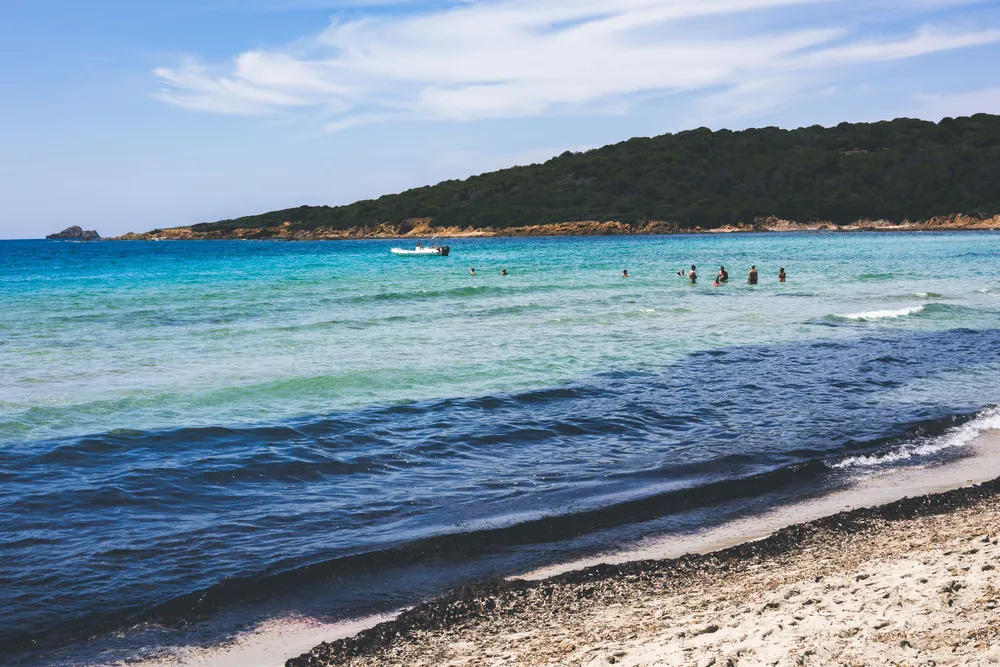
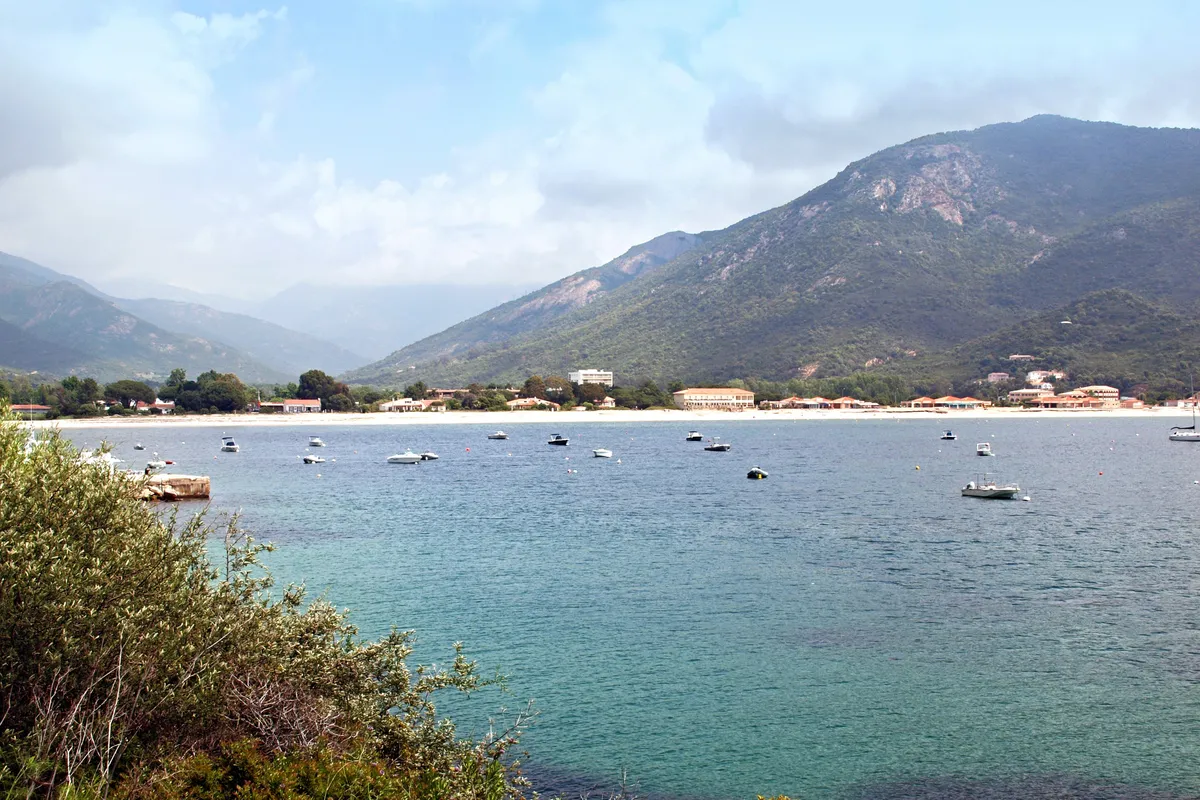
An Ajaccio beach on the edge of turquoise waterPhoto : Ad Thiry / Pexels

The gulf of Ajaccio, open to the sea between Pointe de la Parata and Capo di Muro, is one of the largest on the island. Ajaccio was also the first town in metropolitan France to be liberated in the Second World War, on 9 September 1943.
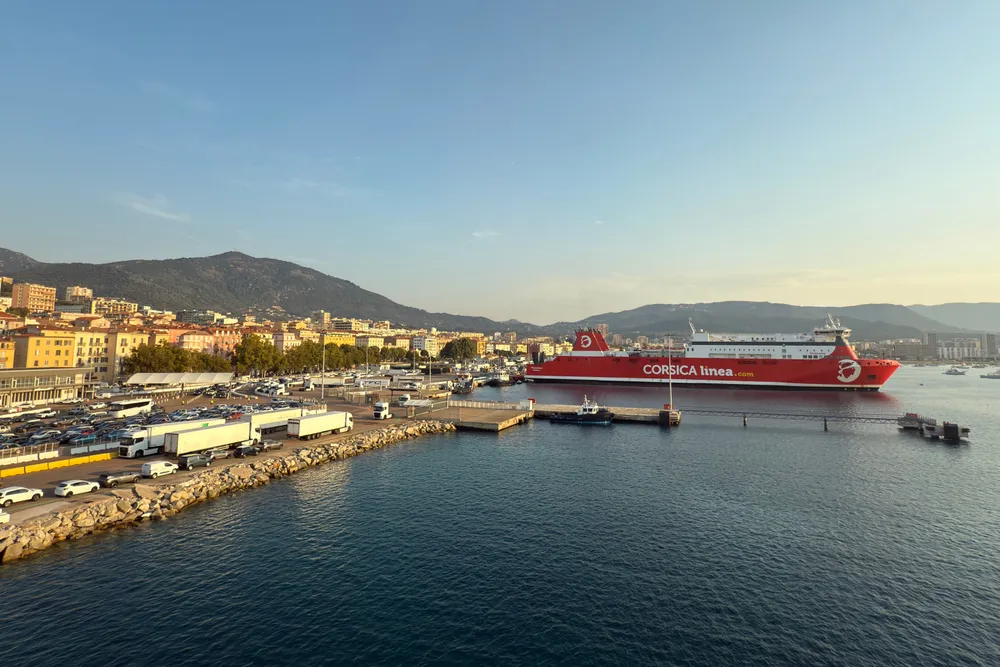
A ferry at the quay in Ajaccio harbour, below the mountainsPhoto : Dark Astraal / Pexels

The old town, in Napoleon’s footsteps

Start from place Foch and its market, walk up rue Fesch to the palace of the same name, then come back down to the Maison Bonaparte and the cathedral, below the citadel. Boulevard Lantivy, a palm-lined seafront promenade, is named after an industrialist who helped develop the town in the 19th century. A morning is enough to see the main sights on foot.
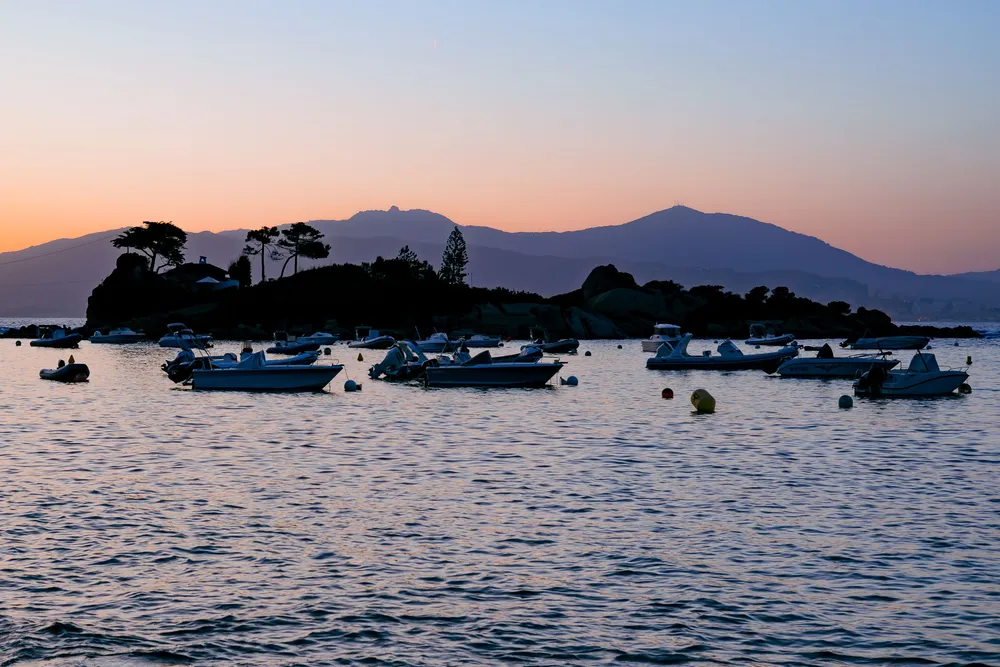
Sunset over the gulf of Ajaccio, with boats at anchorPhoto : Ad Thiry / Pexels

Ajaccio, a base for the west coast

Ajaccio is the best base for the west coast: the Sanguinaires at the end of the day, Porticcio and its beaches across the water, the gulf of Sagone to the north, and the mountains, towards Tolla or Vizzavona. Boats also run to Scandola, Girolata and the Calanques de Piana, which each have their own page.

Updated 30 October 2026

See

Visit Ajaccio: the sights not to miss

01

Maison Bonaparte

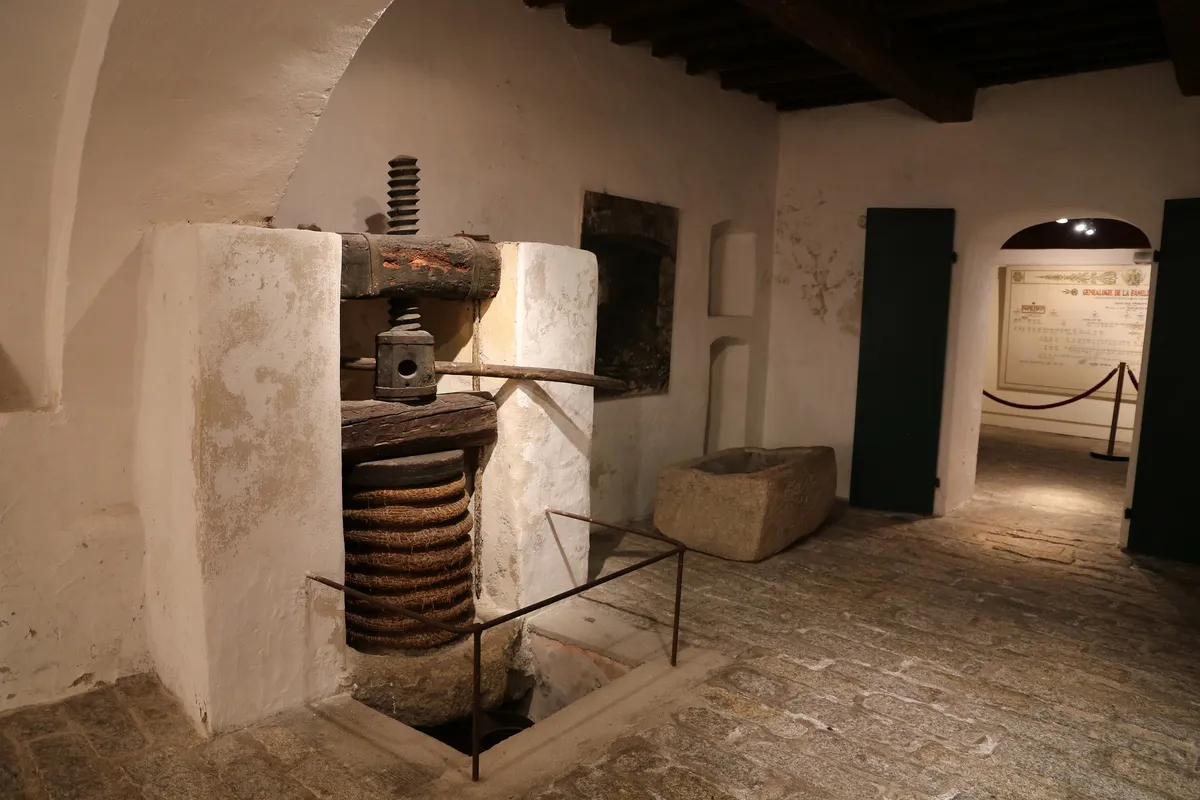
In the old town, the house where Napoleon (Napoléon) was born, built in the early 17th century, is now a national museum and has been listed as a historic monument since 1924. The museum traces the future emperor’s childhood and the story of his family.

Museum · Napoleon

02

Palais Fesch and the fine arts museum

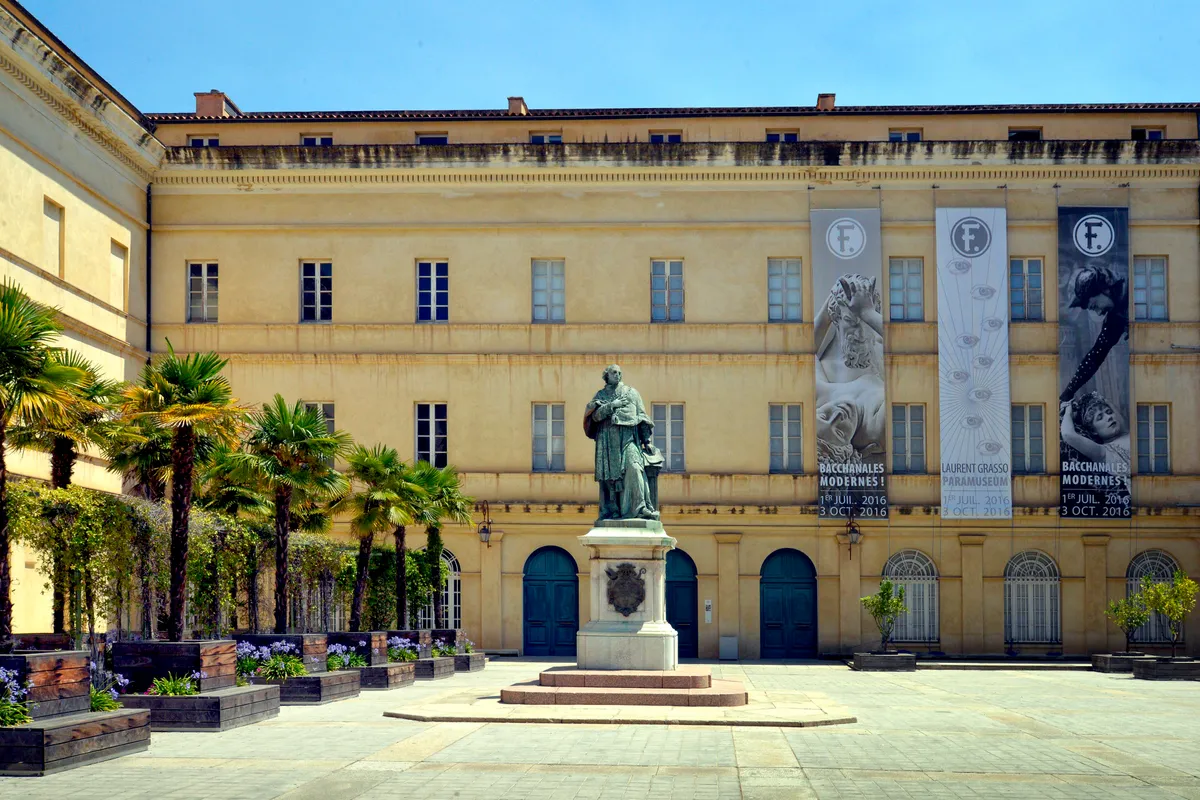
On rue Fesch, named after the cardinal who was Napoleon’s uncle, the palace built from 1827 houses the fine arts museum. Its collection of Italian painting, from the 14th to the 18th century, is the second largest in France after the Louvre’s. The palace library, opened in 1850, is also a historic monument. Programme on musee-fesch.com.

Museum

03

The citadel and the cathedral

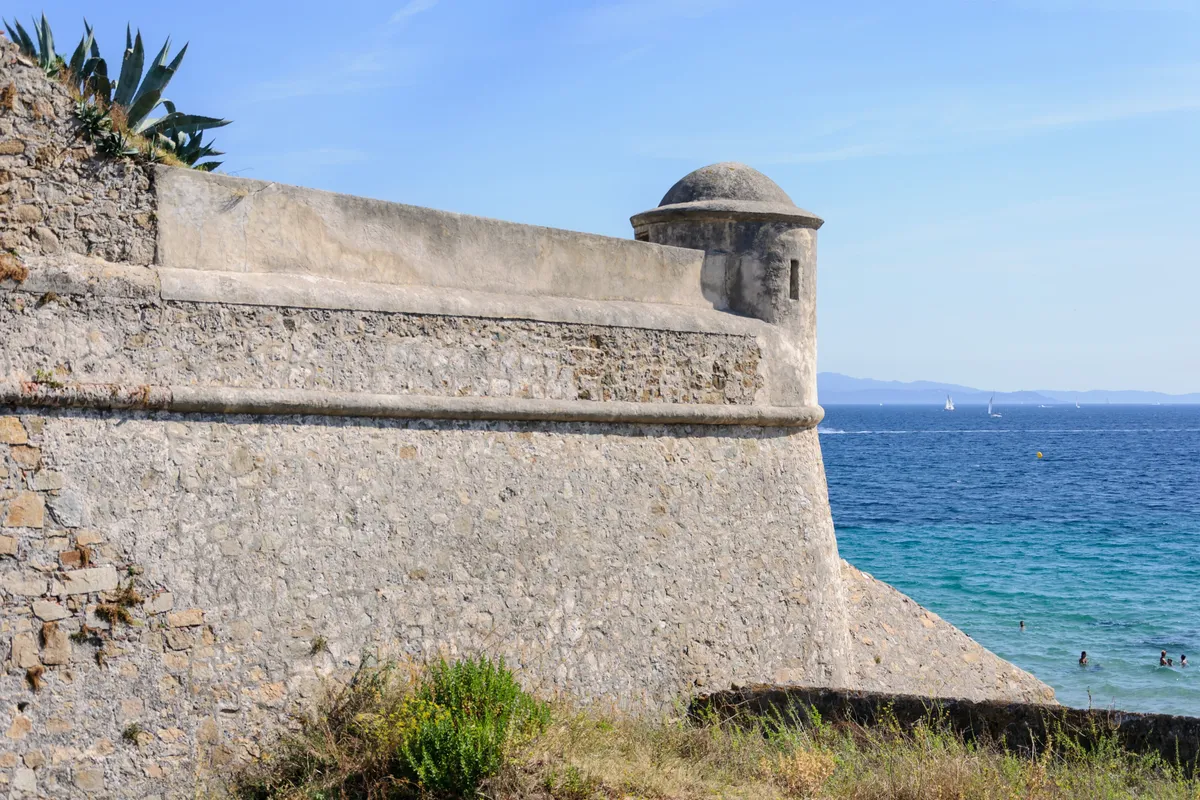
On the seafront, the citadel grew around a Genoese keep from the late 15th century and was built mostly between 1554 and 1559; it belongs to the State and is used by the armed forces. Close by, the Renaissance-style cathedral of Santa Maria Assunta was built from 1582 to 1593. It is listed as a historic monument.

Heritage

Place Foch and the marketPhoto: Tama66 / Pixabay
04

Place Foch and the market

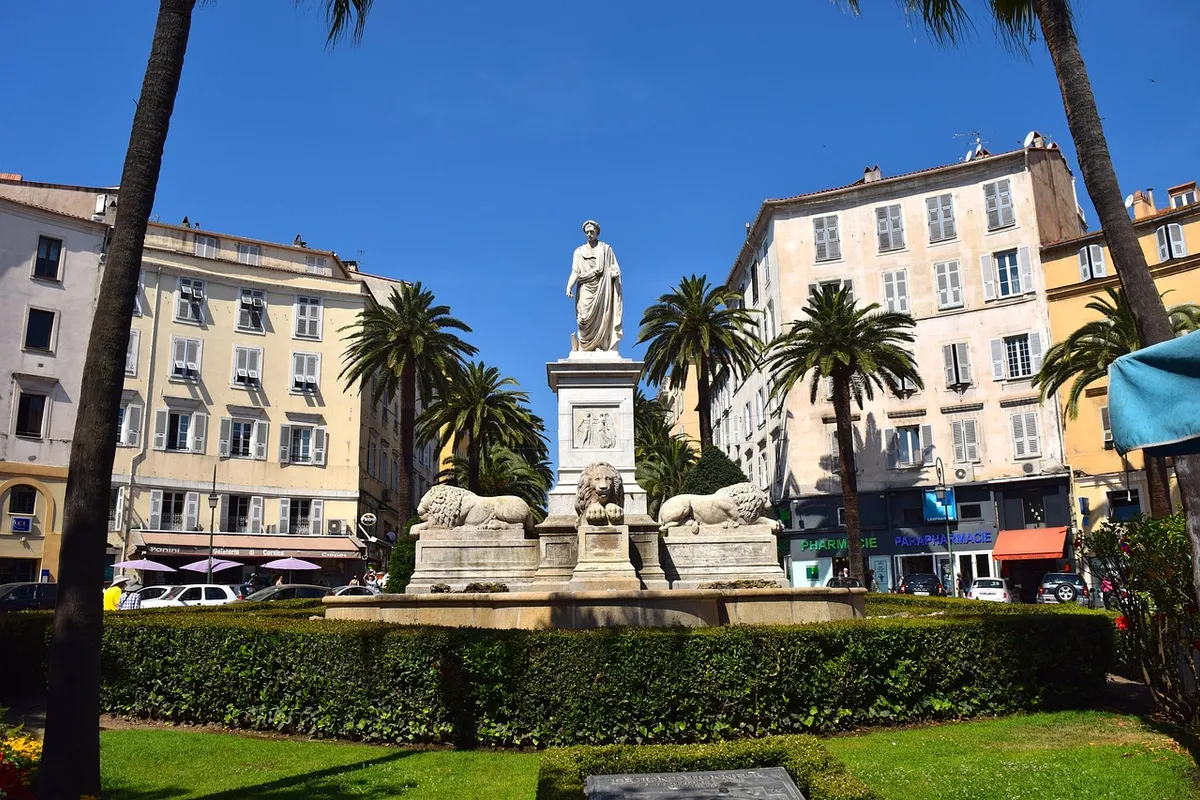
The former place des Palmiers is dominated by a marble statue of Napoleon as First Consul, by Laboureur, above the four-lion fountain designed by Jérôme Maglioli. Next door, on place Campinchi, the covered market is open in the mornings from Tuesday to Sunday, with local producers on Wednesdays and Saturdays.

Market · Centre

05

Place De Gaulle

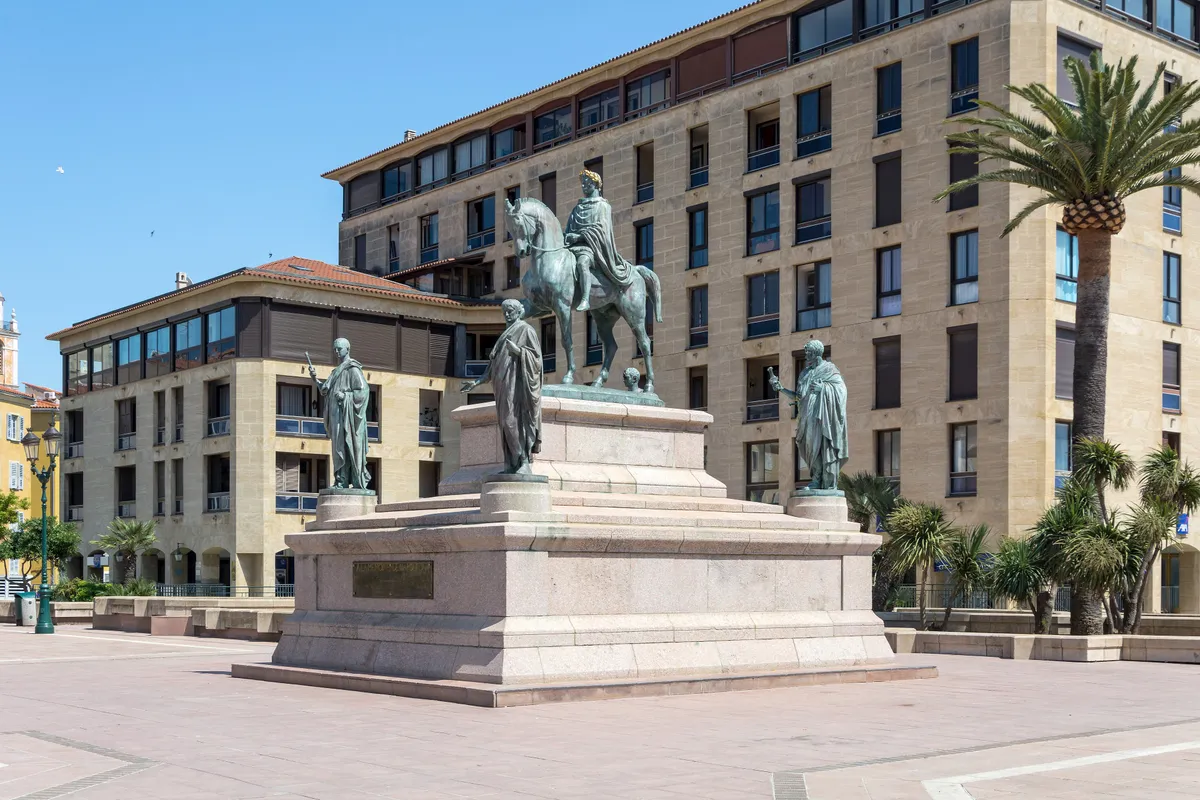
The former place du Diamant, named after a bastion that has since gone, has a monument designed by Viollet-le-Duc: Napoleon on horseback, surrounded by his four brothers, unveiled in 1865 and listed as a historic monument in 2017.

Napoleon

06

The Casone and place d’Austerlitz

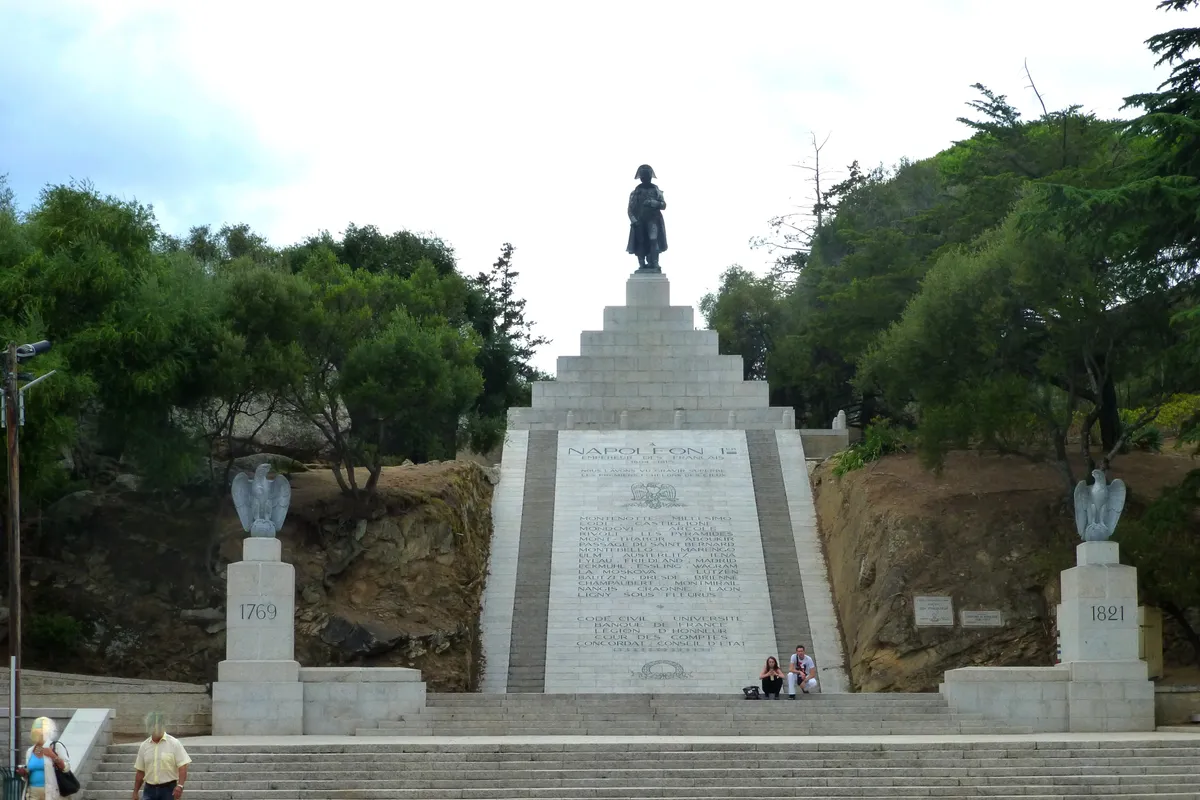
Higher up in the town, the monument on place d’Austerlitz, unveiled in 1938, carries a statue of Napoleon by Seurre; the sloping wall below is engraved with his victories and achievements, and with the dates 1769 and 1821, his birth and death.

Napoleon · Free

07

Cours Grandval and the town hall

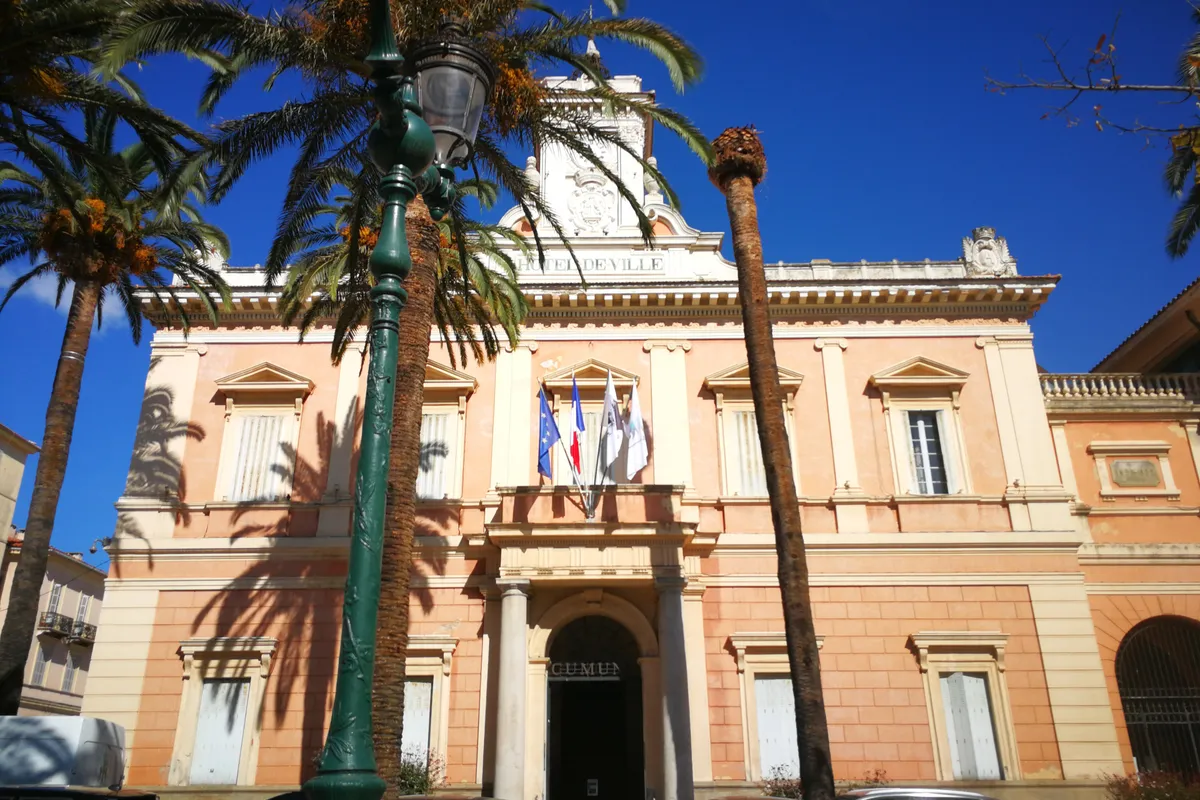
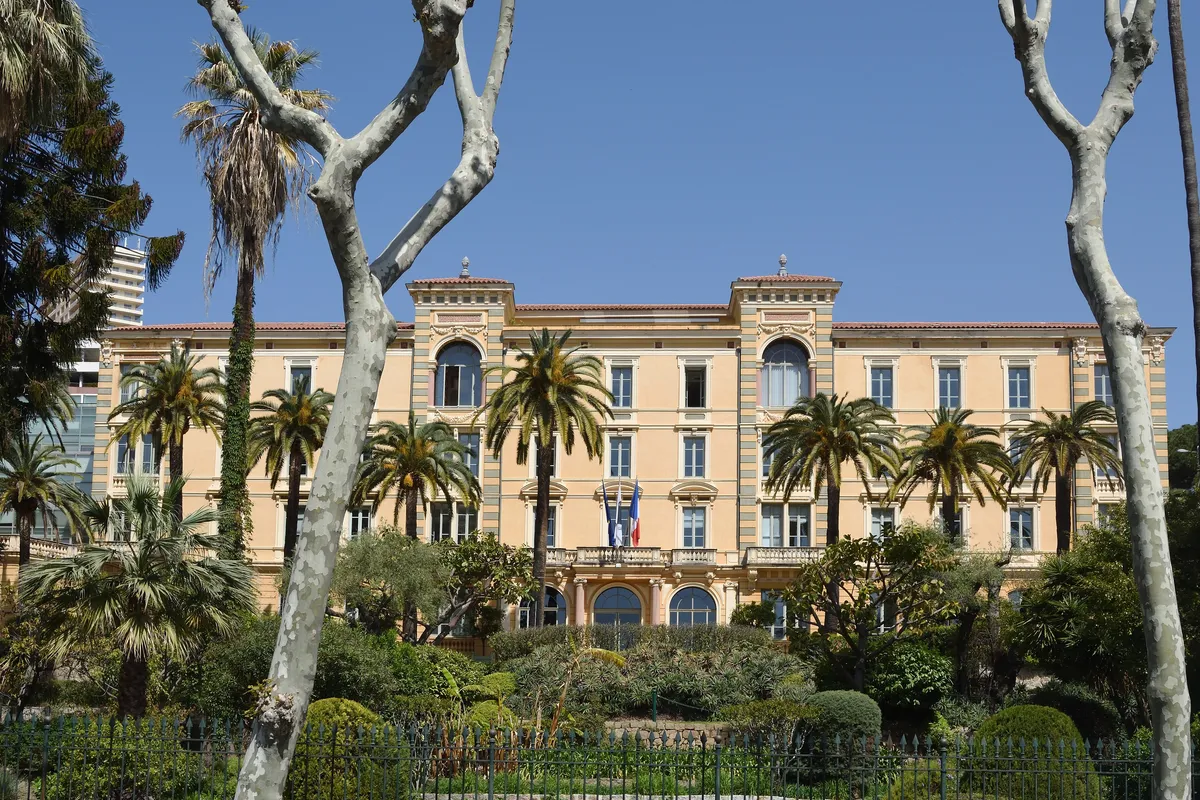
In the late 19th century, Ajaccio became a winter resort popular with the English: the Quartier des Étrangers, around cours Grandval, still has their villas and the former grand hotel, which now houses the Corsican Assembly. Further down, the town hall, begun under Charles X in 1826, is nicknamed ‘the square house’.

Architecture

08

Chapelle des Grecs and the seaside cemetery

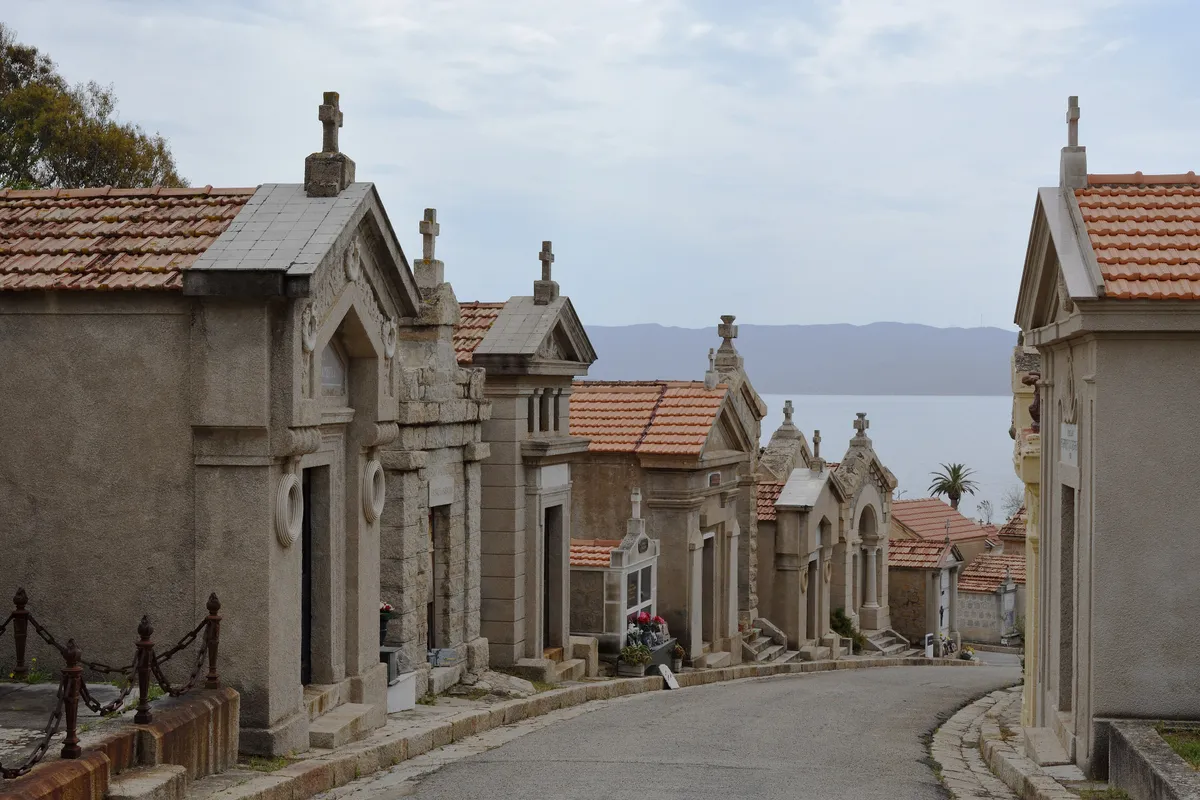
On the Sanguinaires road, the Chapelle des Grecs, built in the early 17th century, served the Greek community that settled in the area, from 1675 to 1774. A little further on, the seaside cemetery (U Canicciu), right by the sea, holds the grave of Tino Rossi.

Heritage

More to see

Places to visit around Ajaccio

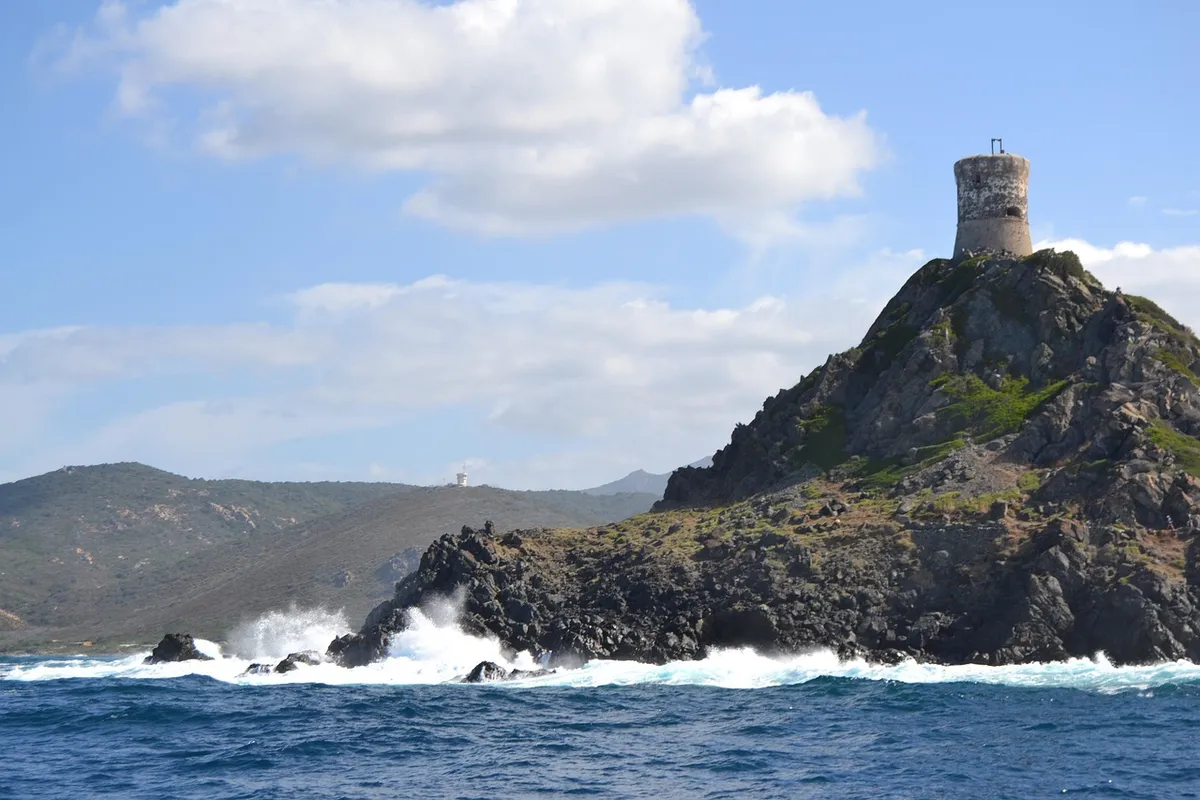
The Sanguinaires islands and Pointe de la ParataPhoto: Maël BALLAND / Pexels

The Sanguinaires islands and Pointe de la Parata

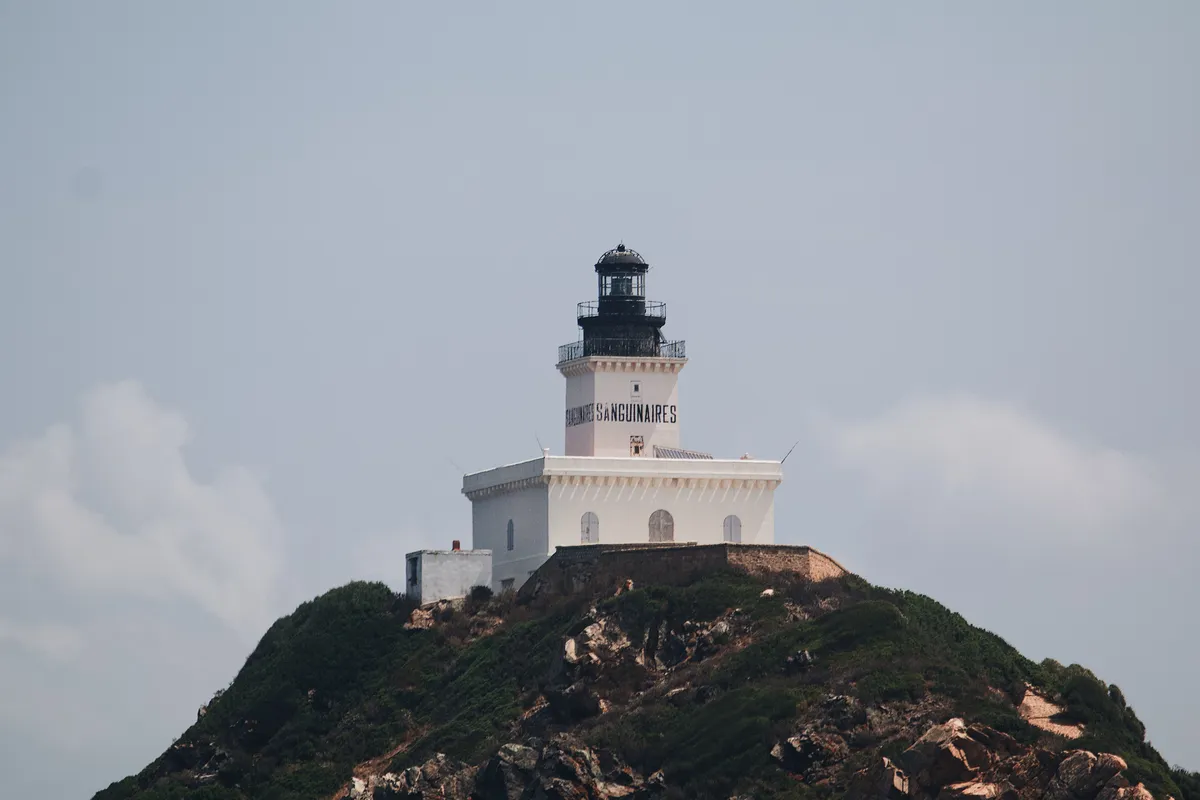
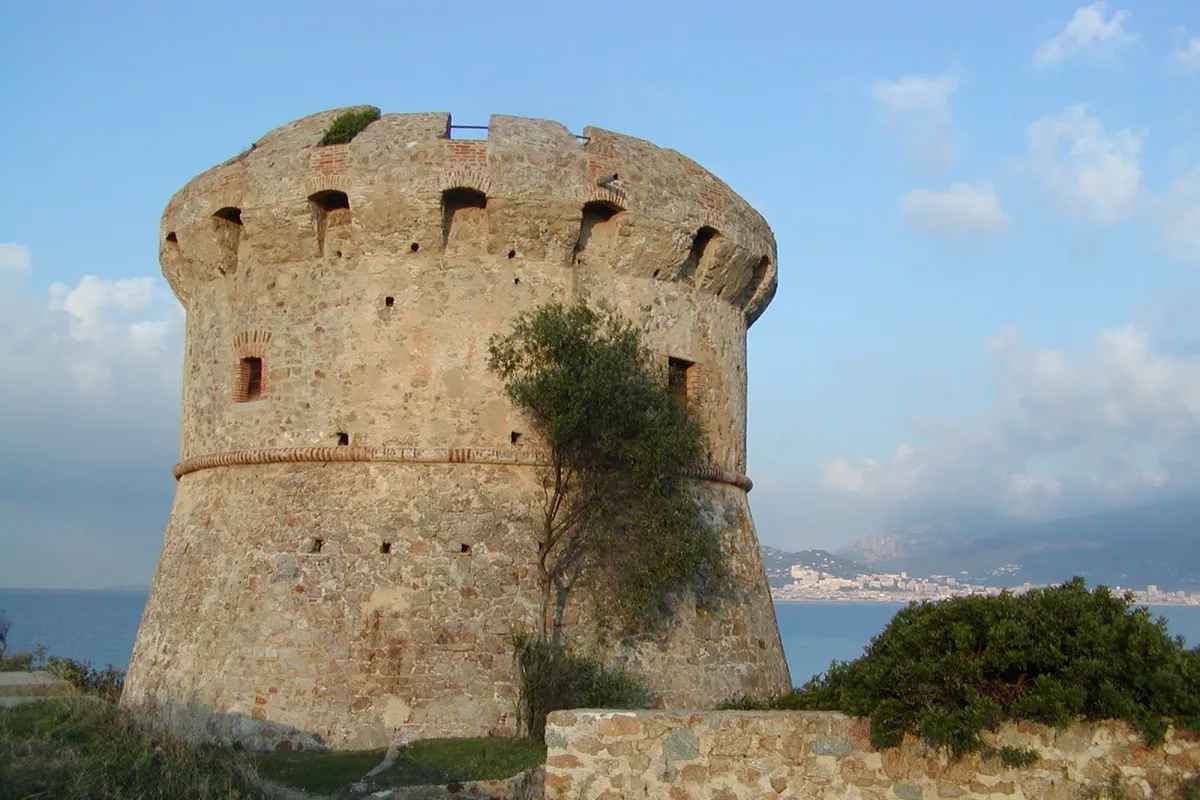
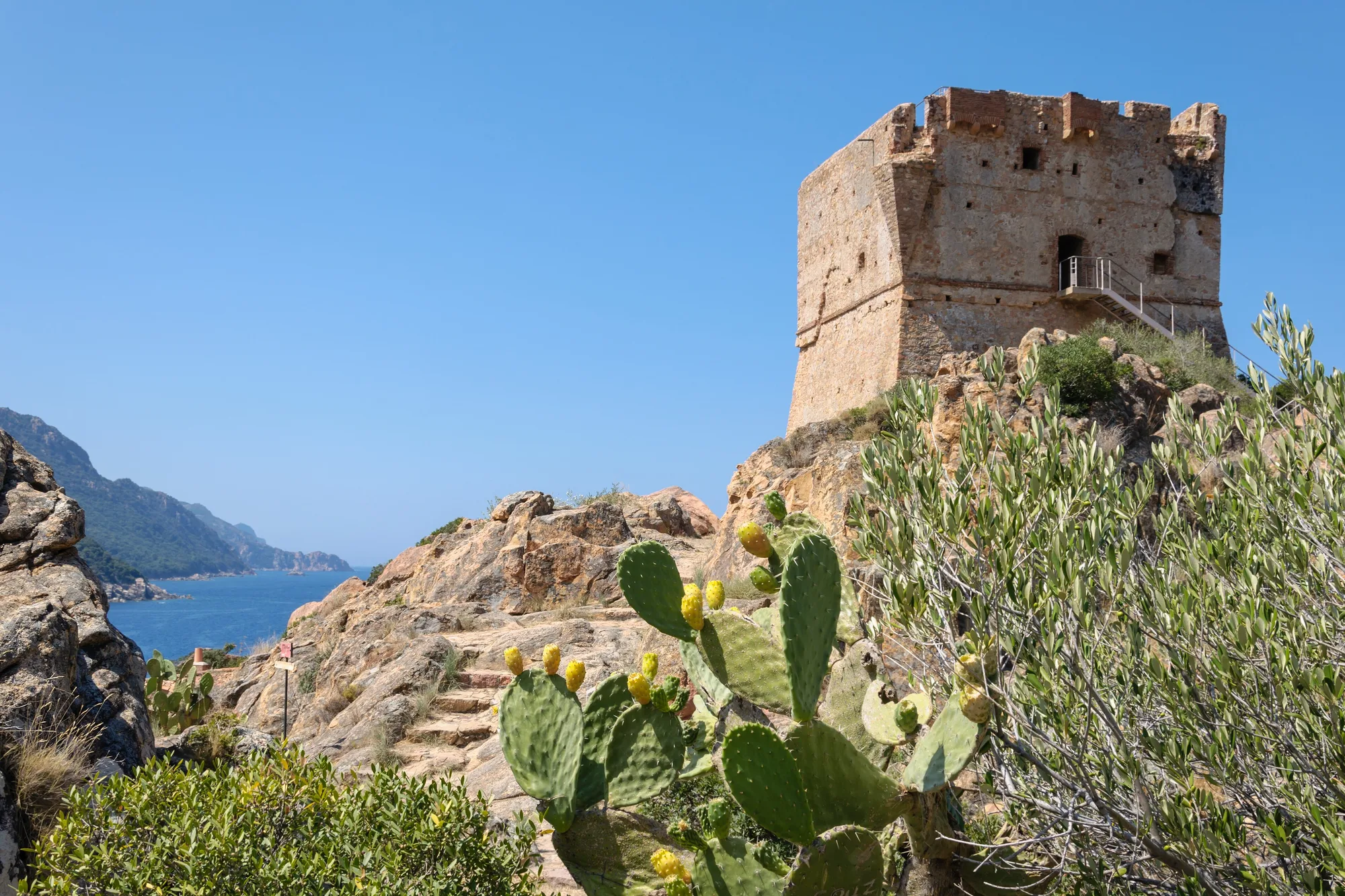
At the mouth of the gulf, the Sanguinaires archipelago and the Parata tower form a protected landscape that has held the Grand Site de France label since 2017. Go at sunset, when the islands turn red. You have to pay to park; in season, bus 5 and a little tourist train leave from the centre. The Maison du Grand Site is open every day.

Sunset · Walking

The gulf of Sagone

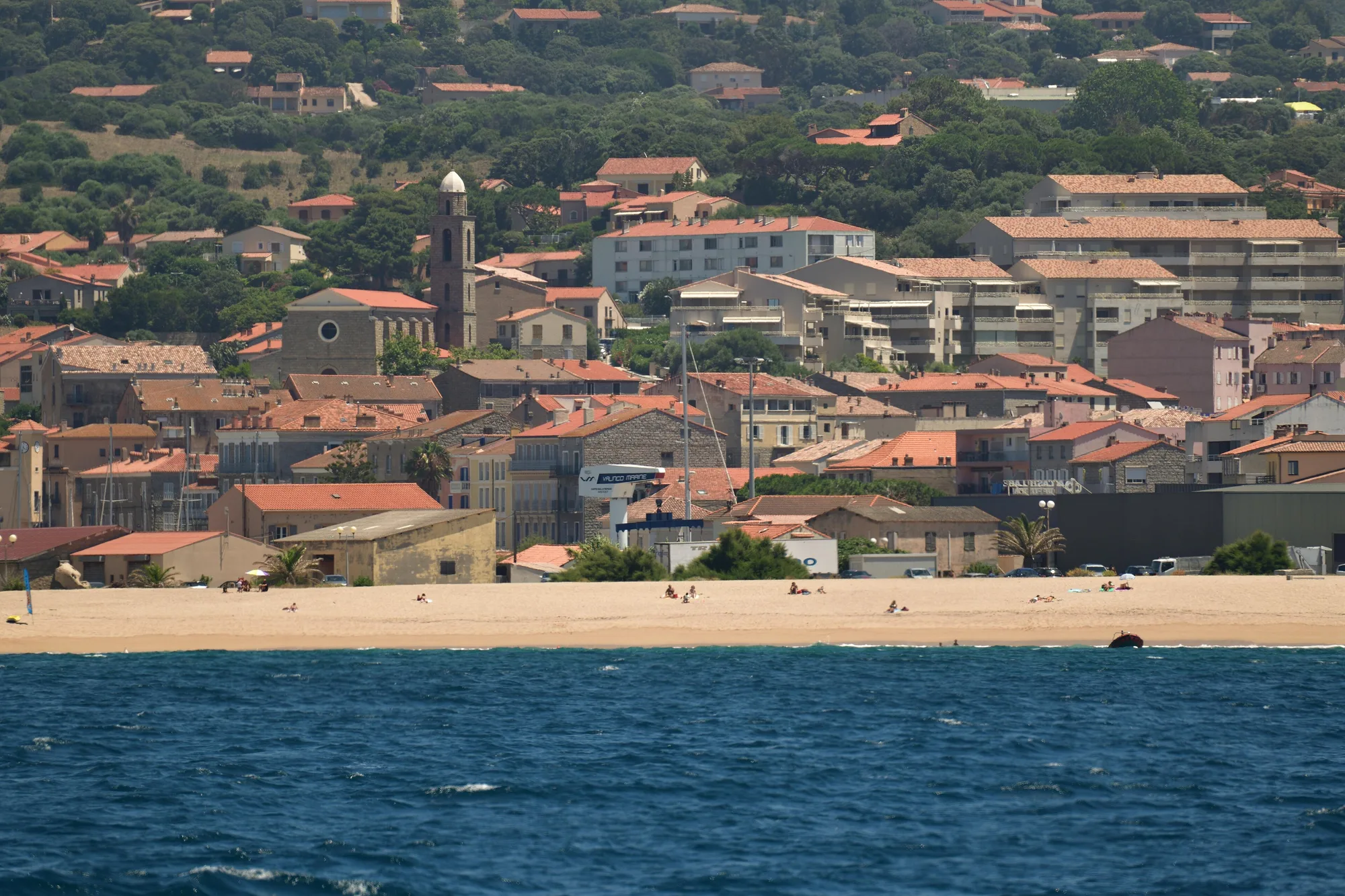
North of Ajaccio, the gulf of Sagone has long beaches at the mouths of its rivers, including the Liamone. The village has a partly ruined Romanesque church, and a Genoese tower watches over the bay.

Beach

Things to do

Things to do in Ajaccio: at sea and in town

Boats leave from Ajaccio harbour or from Porticcio, across the gulf. The longest trips, to Scandola or Bonifacio, take the whole day.

Scandola and Piana by RIB

The most popular day trip from Ajaccio or Porticcio: the Scandola reserve and the Calanques de Piana by fast boat.

8 hours From €110 · ★ 4.8 (535) · 8 heures Book →
Bonifacio by boat, in a small group

A day at sea along the coast to the cliffs of Bonifacio.

9½ hours From €156 · ★ 4.5 (59) · 9 h 30 Book →
The Sanguinaires at sunset

A trip round the islands at the end of the day, with drinks on board, in a small group.

2½ to 3 hours From €50 · ★ 4.8 (1645) · 2 h 30 à 3 heures Book →
Scandola reserve in a small group

A day out to Scandola, with a stop at Girolata.

8½ hours From €100 · ★ 4.7 (87) · 8 h 30 Book →
The gulf and the Sanguinaires by boat

Three hours in the gulf, the simplest way to see the town from the sea.

3 hours From €36 · ★ 4.4 (2522) · 3 heures Book →
Food tour of the town

The market and the producers of the old town, with tastings.

3 hours From €62 · ★ 4.8 (183) · 3 heures Book →
Ajaccio by open-top bus

A tour of the town and the Sanguinaires road, handy with children.

1½ hours From €12 · ★ 4.3 (2089) · 1 h 30 Book →
A Madunuccia, 18 March

Every 18 March, Ajaccio celebrates its patron saint, Our Lady of Mercy (Notre-Dame de la Miséricorde), in memory of the vow made against the plague in 1656, with a procession through the old town.

18 March · Free
The Napoleonic Days

Around 15 August, the anniversary of Napoleon’s birth, the town holds re-enactments and festivities; in 2026 they took place from 12 to 15 August. Programme on ajaccio-tourisme.com.

Mid-August

Prices and ratings checked on GetYourGuide in October 2026.

Where to base yourself

Where to stay in Ajaccio

Ajaccio stretches along its gulf: choose between the old town, where you can do everything on foot, and the Sanguinaires road, for the beaches.

The old town and the harbourPhoto: Ad Thiry / Pexels

The old town and the harbour

Within walking distance of the Maison Bonaparte, the market and the boats. Lively and sometimes noisy in summer. Saint-François beach, below the citadel, has its own guide.

  • Chez Andrea apartment · about 150 m from place Foch 9.2/10 on Booking · Oct 2026
    Book
See 4 more places to stay Hide

The station is near the harbour: you can arrive by train and do everything on foot. If you come by car, leave it in a covered car park, as the centre is often gridlocked in summer.

The Sanguinaires roadPhoto: dominiquecufi / Pixabay

The Sanguinaires road

Along the town’s western coast, with the beaches right below your accommodation. A car or the bus is useful. Further north, Capo di Feno beach has its own guide.

See 1 more place to stay Hide

This is the closest area to the Parata headland and the Sanguinaires, best seen at sunset. In season, bus 5 links the road to the centre.

Porticcio, across the gulf

Opposite Ajaccio, beaches and holiday apartments, linked to the town by a passenger ferry all year round. Further south, Isolella beach has its own guide.

  • Les Villas de Lorello villa · about 1.2 km from the centre of Porticcio 10.0/10 on Booking · Oct 2026
    Book
See 4 more places to stay Hide

The passenger ferry crosses the gulf in about twenty minutes, easier in summer than driving into a centre that is often gridlocked. Boat trips to Scandola and Piana also leave from Porticcio.

  • Domaine Lumistella apartment · about 1.5 km from the centre of Porticcio 9.6/10 on Booking · Oct 2026
    Book
  • Hotel Le Maquis hotel · about 1.9 km from the centre of Porticcio 9.2/10 on Booking · Oct 2026 Officially rated 5 stars (Atout France)
    Book
  • Hôtel U Paradisu hotel · about 350 m from the centre of Porticcio 9.1/10 on Booking · Oct 2026 Officially rated 3 stars (Atout France)
    Book
  • Résidence CasaBianca aparthotel · about 350 m from the centre of Porticcio 8.6/10 on Booking · Oct 2026
    Book

All places to stay in Ajaccio→

Partner links: we may earn a commission, at no extra cost to you.

Practical info

Practical information: getting to and staying in Ajaccio

By air

Ajaccio Napoléon Bonaparte airport is 6 km from Ajaccio railway station, about 10 minutes by road. Bus 11 links it with place De Gaulle every 15 minutes during the day, Monday to Saturday. It has flights all year to Paris-Orly, Marseille and Nice, and in season to about twenty other cities. See flying to Corsica.

By sea

Ajaccio port has sailings to Marseille with Corsica Linea and La Méridionale (overnight), to Toulon with Corsica Ferries, and to Sète in season. See getting to Corsica by boat.

By train

The station, near the port, is the end of the line from Bastia (3 hours 45 minutes to 3 hours 55 minutes) via Corte (about 2 hours), and of the suburban trains to Mezzana. See the train in Corsica.

Getting around

The old town is best seen on foot. The Capamove network serves the wider Ajaccio area, and a passenger ferry crosses the gulf to Porticcio in about twenty minutes. See getting around Corsica.

Parking

The centre is often gridlocked in summer: leave the car in a multi-storey car park and finish on foot.

When to go

Ajaccio gets about 2,800 hours of sunshine a year, and average highs in August are above 29°C (Météo-France climate normals). May, June and September are the best months; mid-August is very busy with the Napoleonic festivities. See when to go to Corsica.

How long to stay

One day for the old town and the Palais Fesch, half a day for the Sanguinaires. Allow three or four days with a boat trip to Scandola and an outing into the mountains.

Tourist office

Office de tourisme du Pays d’Ajaccio, 3 boulevard du Roi Jérôme, 20181 Ajaccio. Tel. +33 4 95 51 53 03. Website: ajaccio-tourisme.com.

Find your bearings

Map