What to do in Corte
Corte was the capital of Pascal Paoli’s independent Corsica from 1755 to 1769. As well as the Palazzu Naziunale, the seat of government, it was home to the university founded by Paoli. Reopened in 1981, the Università di Corsica now has about 5,000 students, which gives this small mountain town a liveliness you will not find anywhere else in the interior of the island.
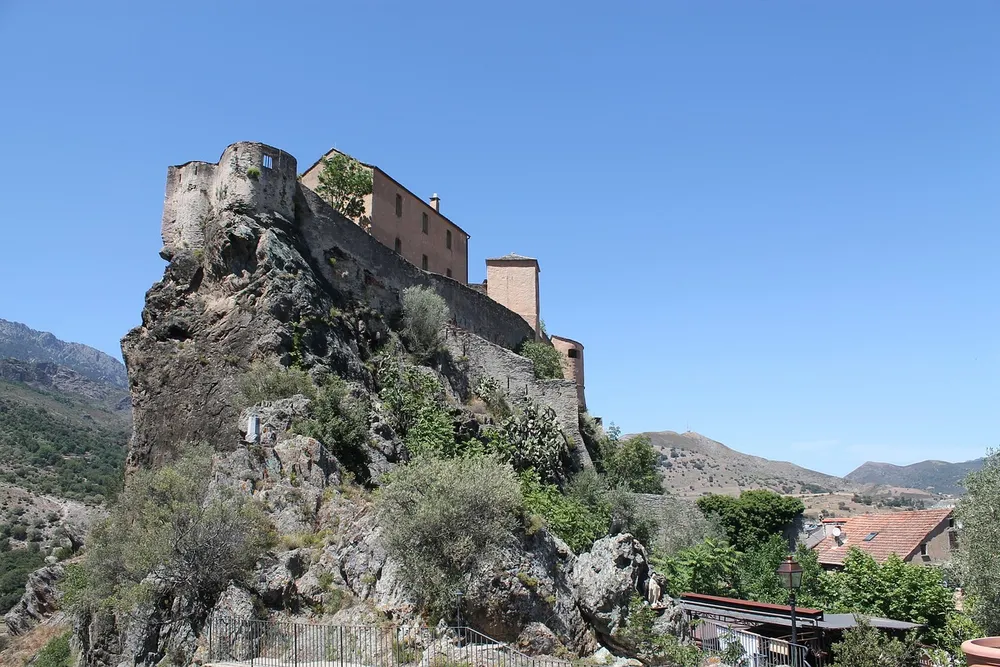 Photo : raymondfani / Pixabay
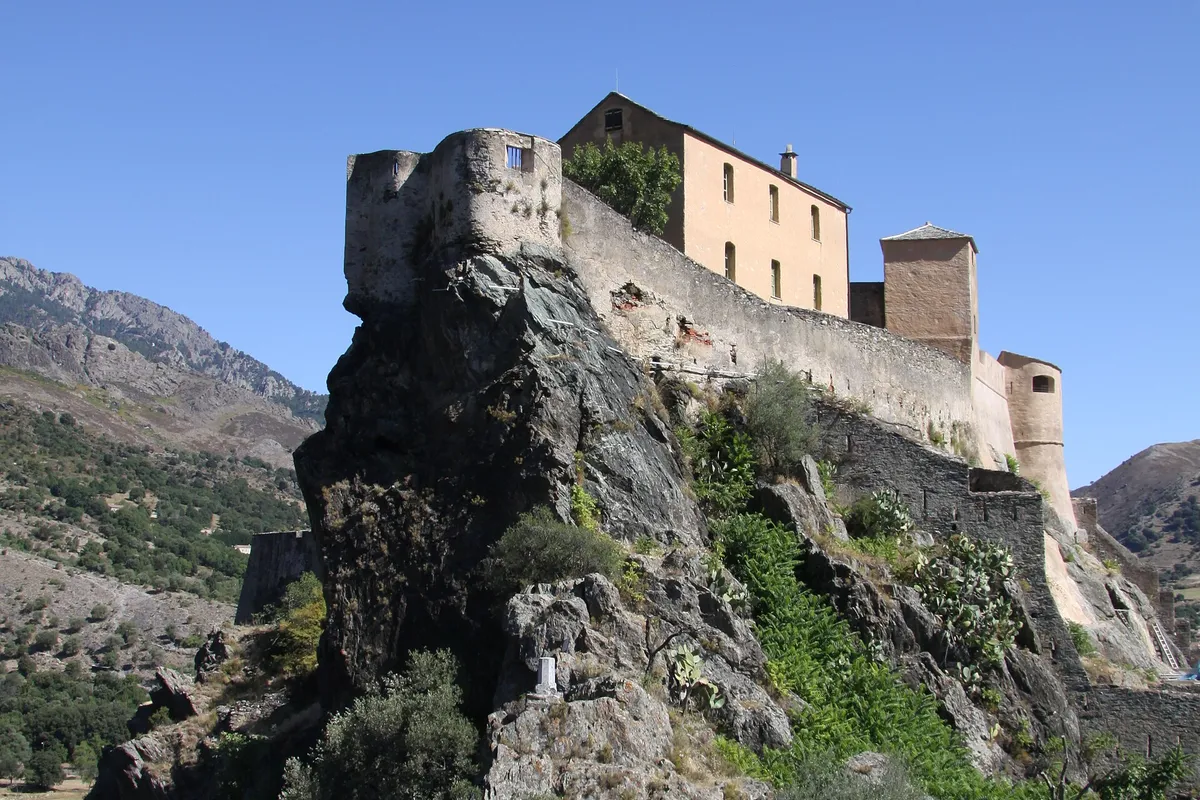
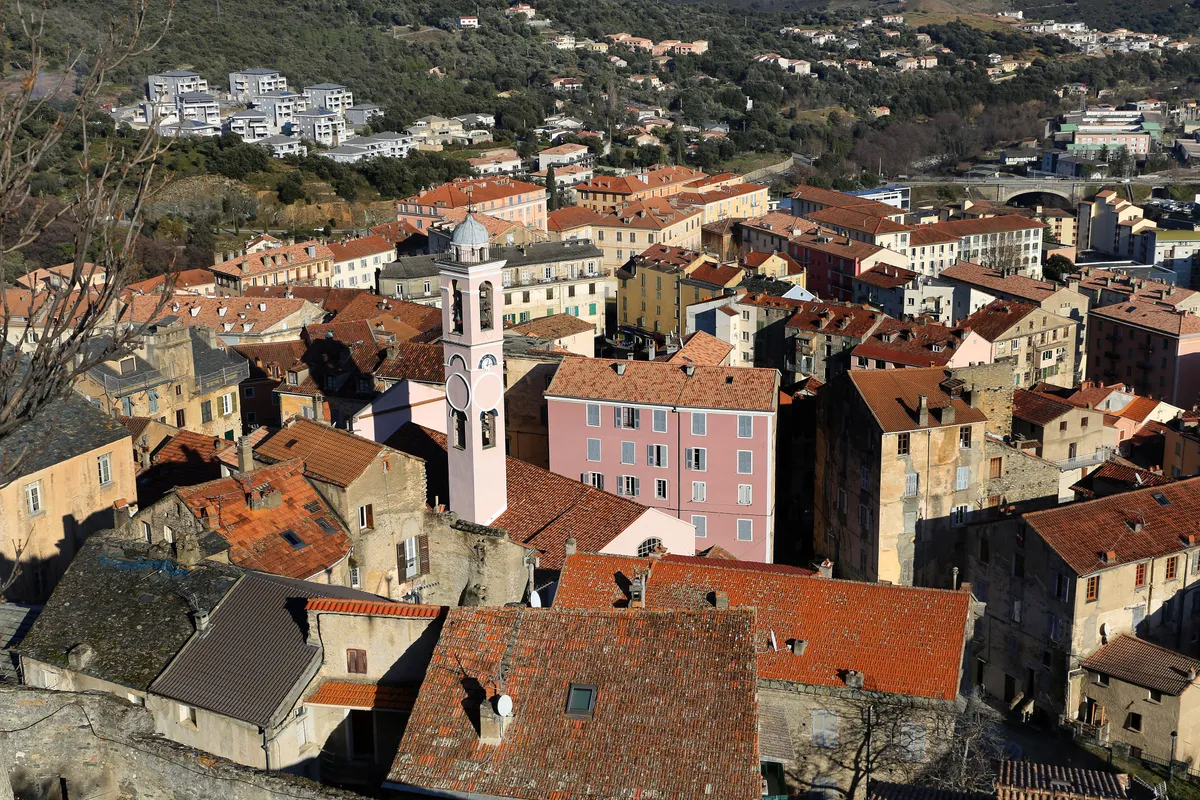
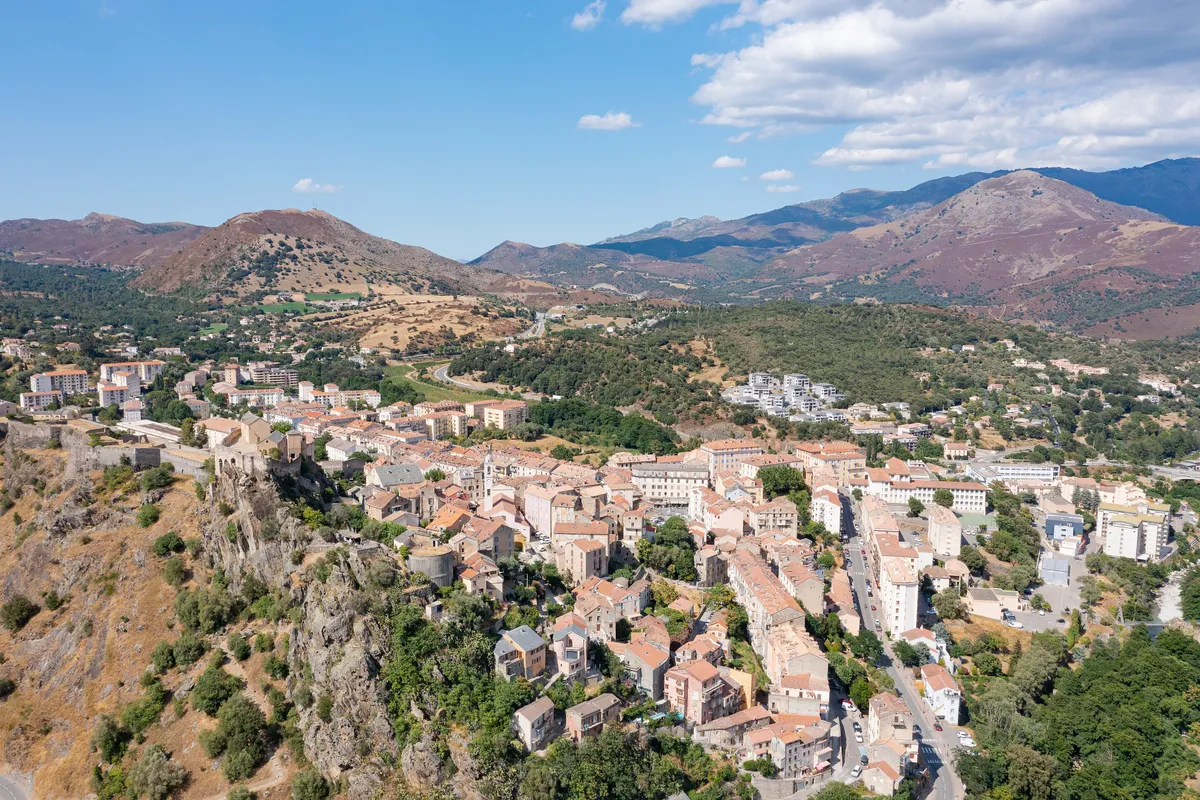
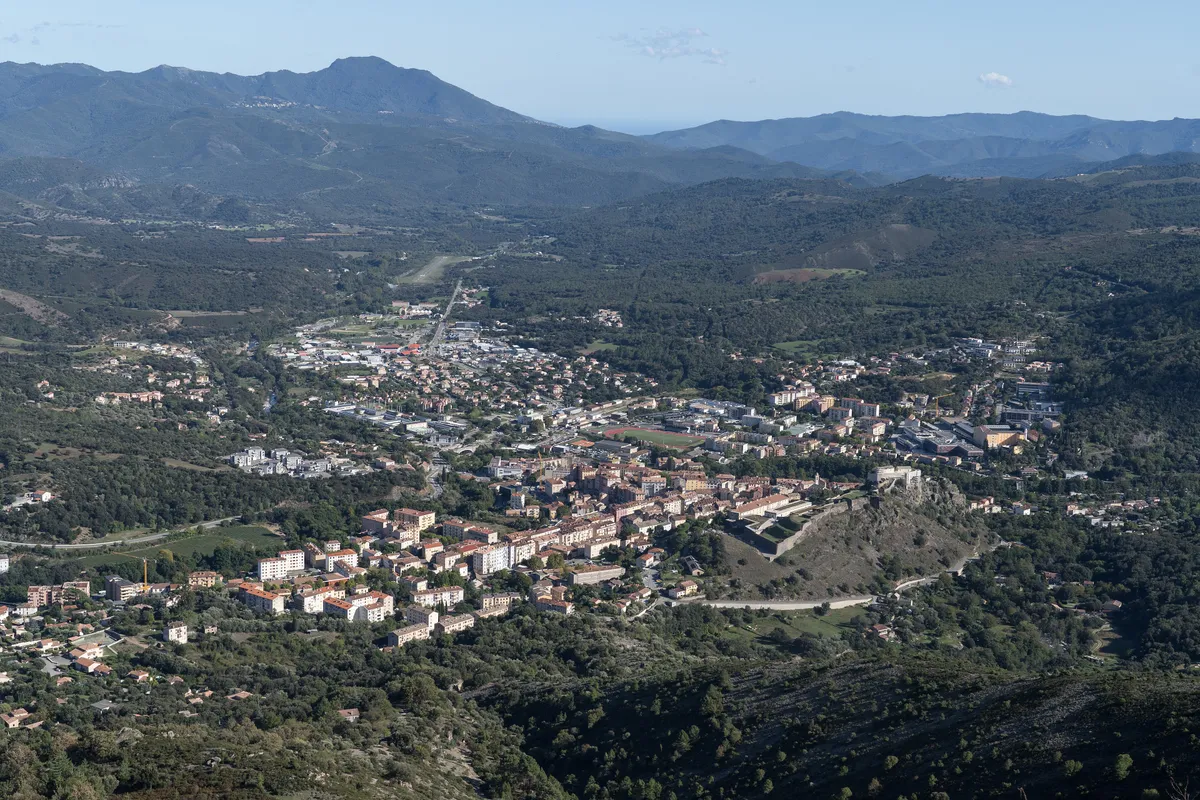
The best view of Corte is on the way down into the town. The rocky spur of the citadel was the core of the town, around the castle built in 1420 by Vincentello d’Istria. The town then spread out below the citadel, and later onto the plain of the Tavignano, the river that flows down to the east coast.
The upper town, towards the citadel
The military buildings of the citadel now house the university and the Musée de la Corse (Museum of Corsica). Walking through the citadel brings you to the parade ground. The palace facing it is the only surviving example of Genoese civil architecture in Corte and, paradoxically, it was the seat of government of independent Corsica.
Following the ramparts, you come to the viewpoint, with a 360-degree view of the citadel’s eagle’s nest, of the Tavignano and its small beach below, and of the mouth of the Restonica valley.
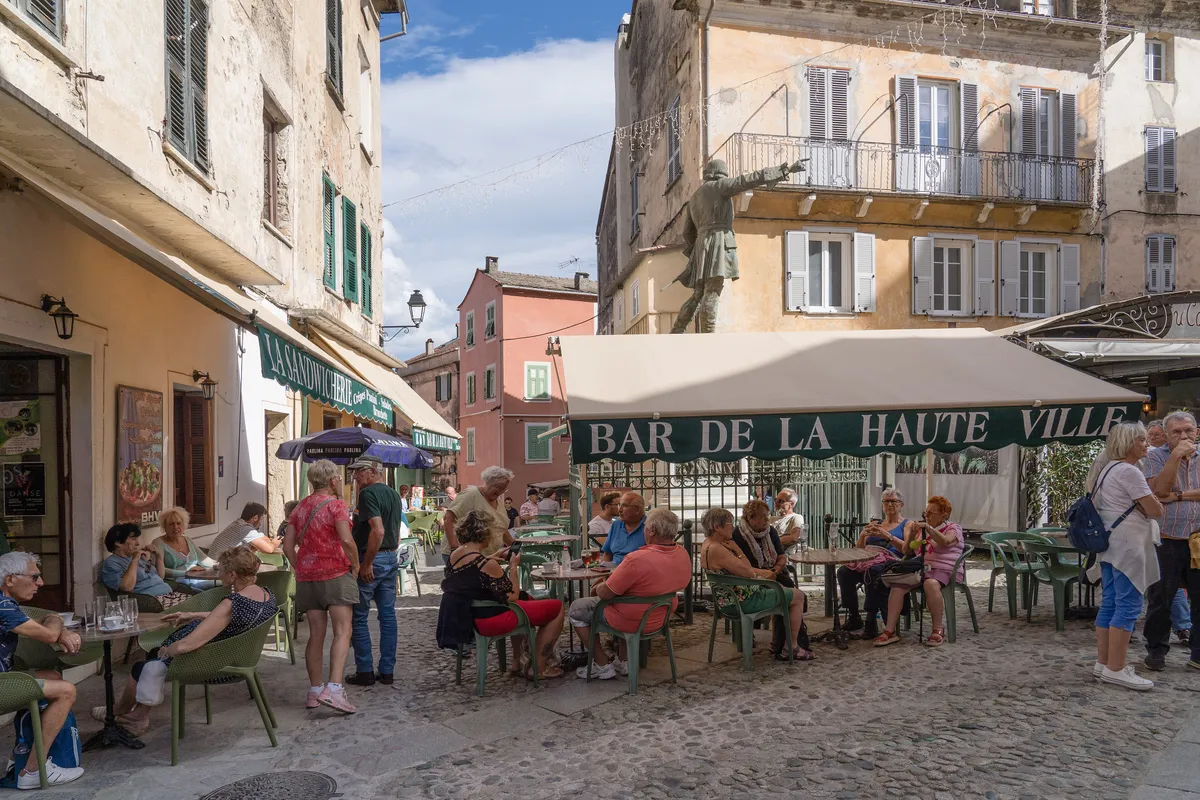
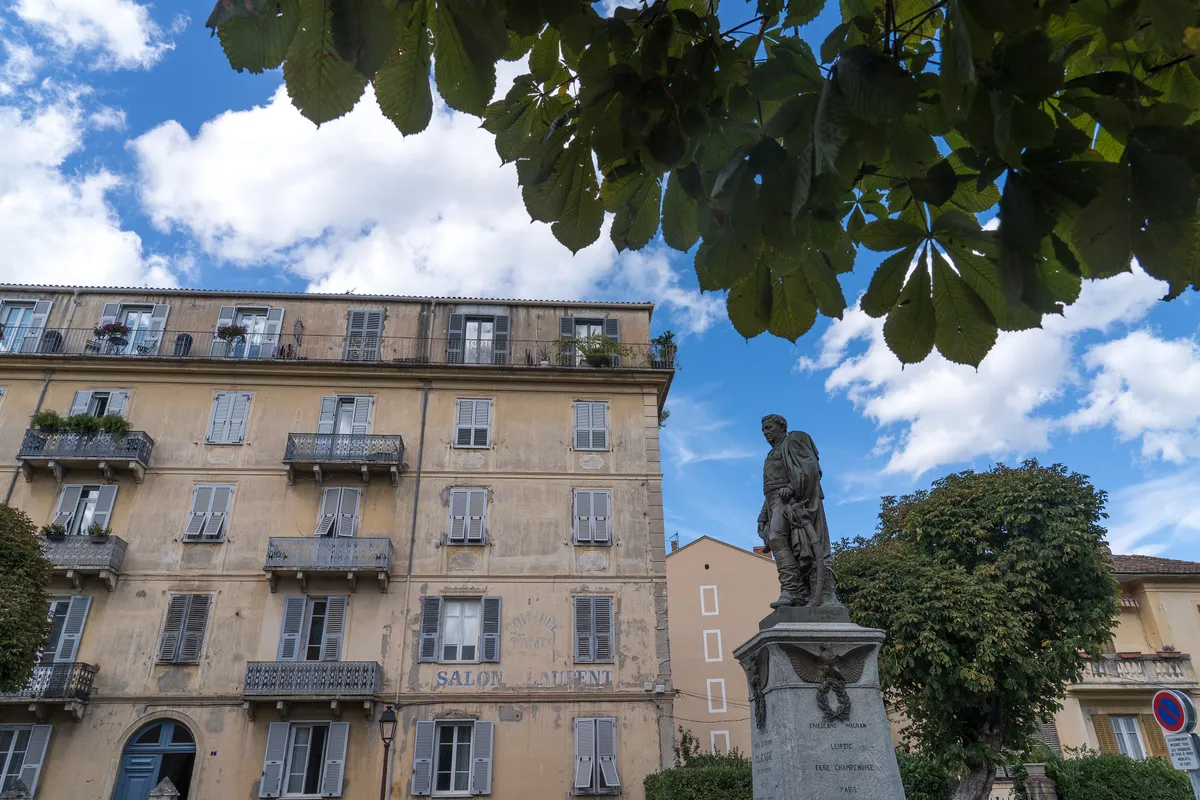
On the way back down to the old town, you pass the statue of Jean-Pierre Gaffori. Commander-in-chief of the Corsican nation before Pascal Paoli, he was assassinated in Corte in 1753, an event that left its mark on Corsican history; some time later, Paoli proclaimed the island’s independence.
Corte, a base for the mountains
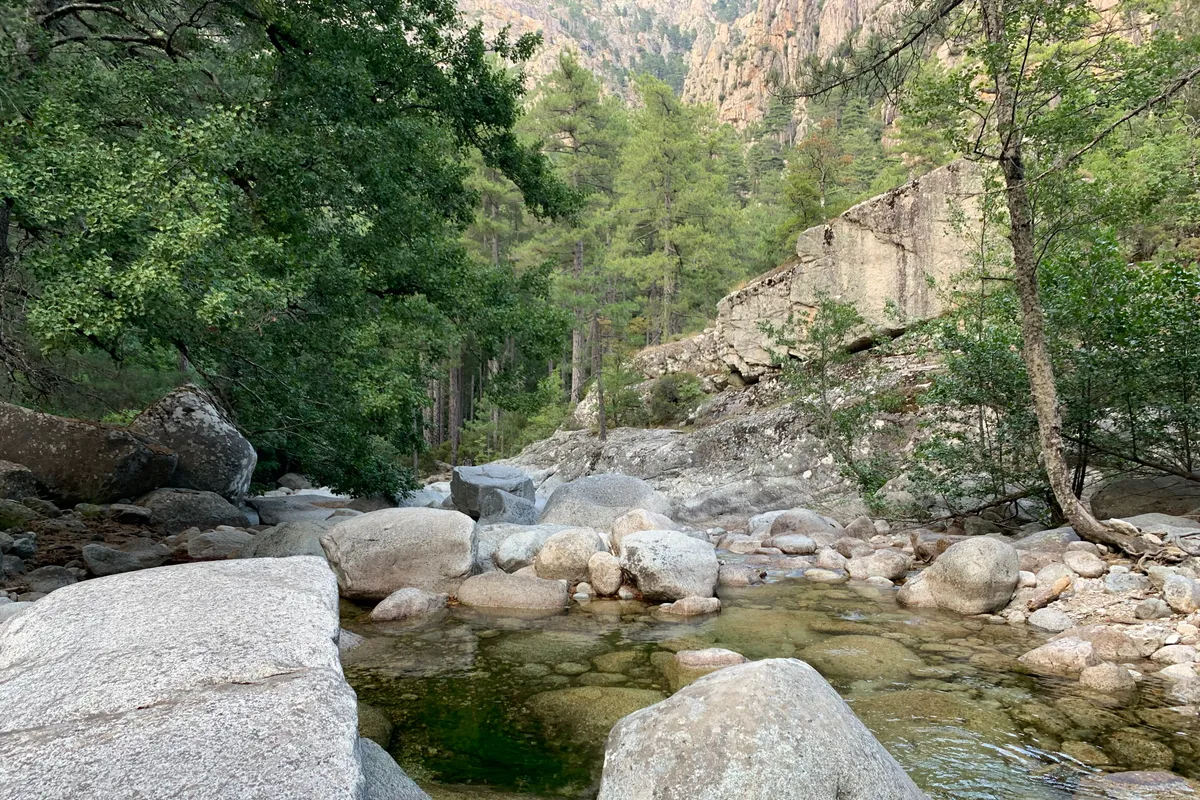
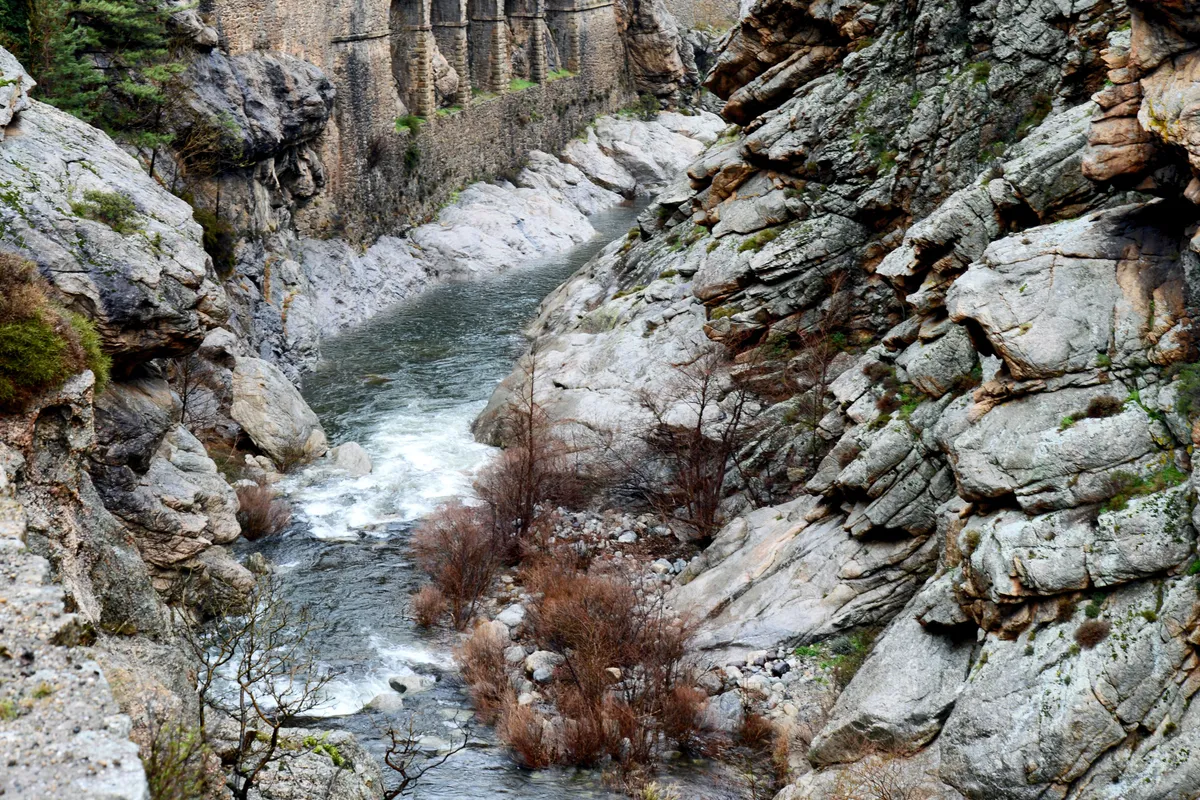
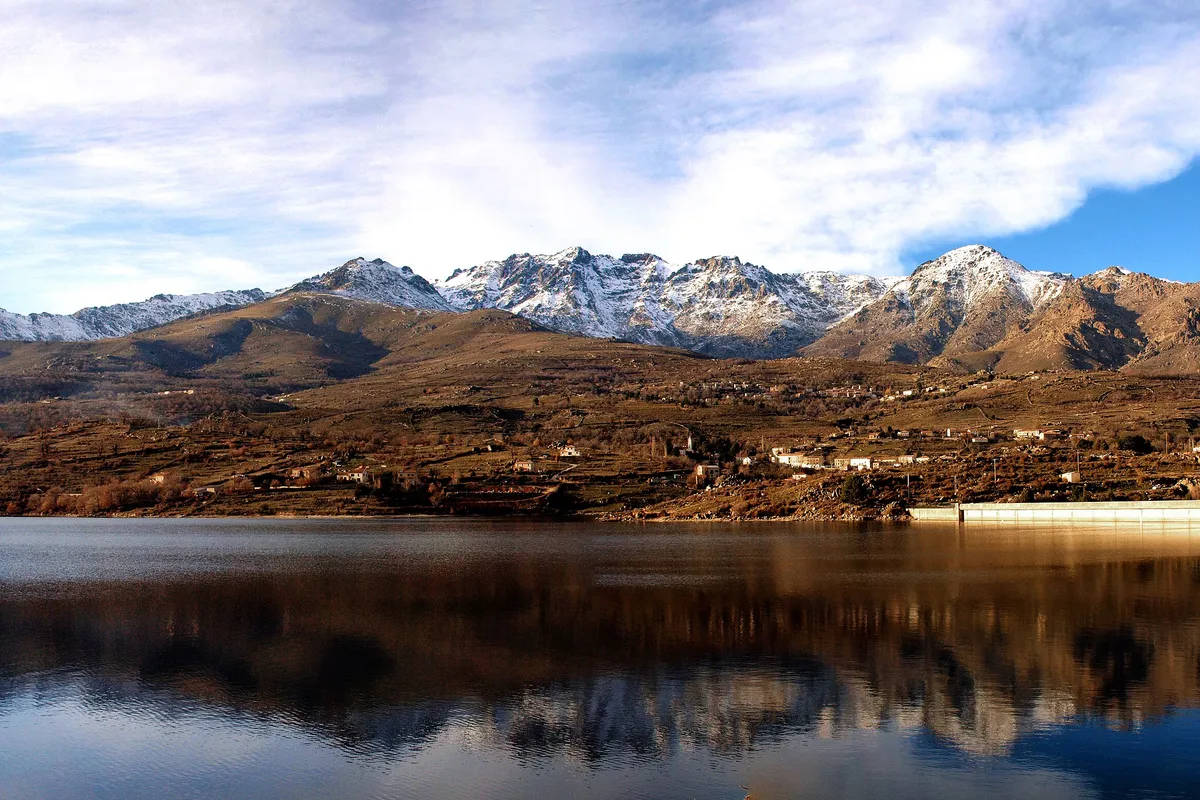
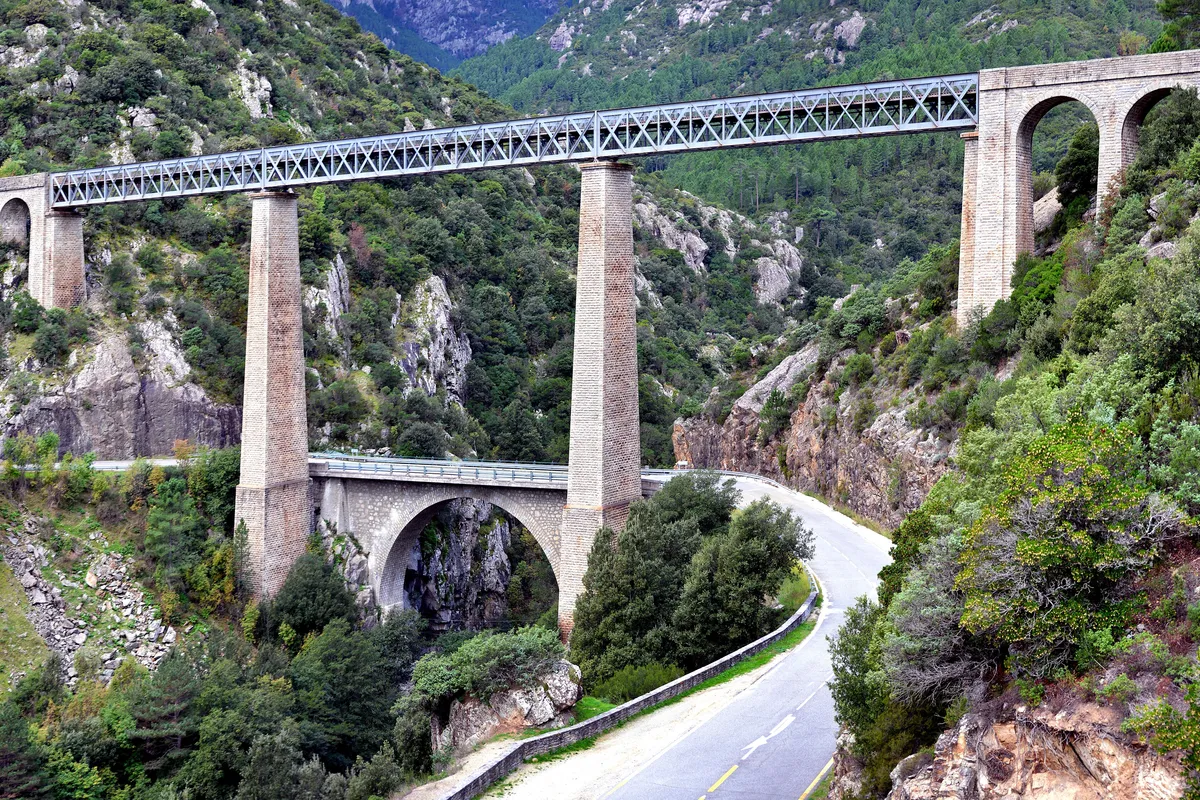
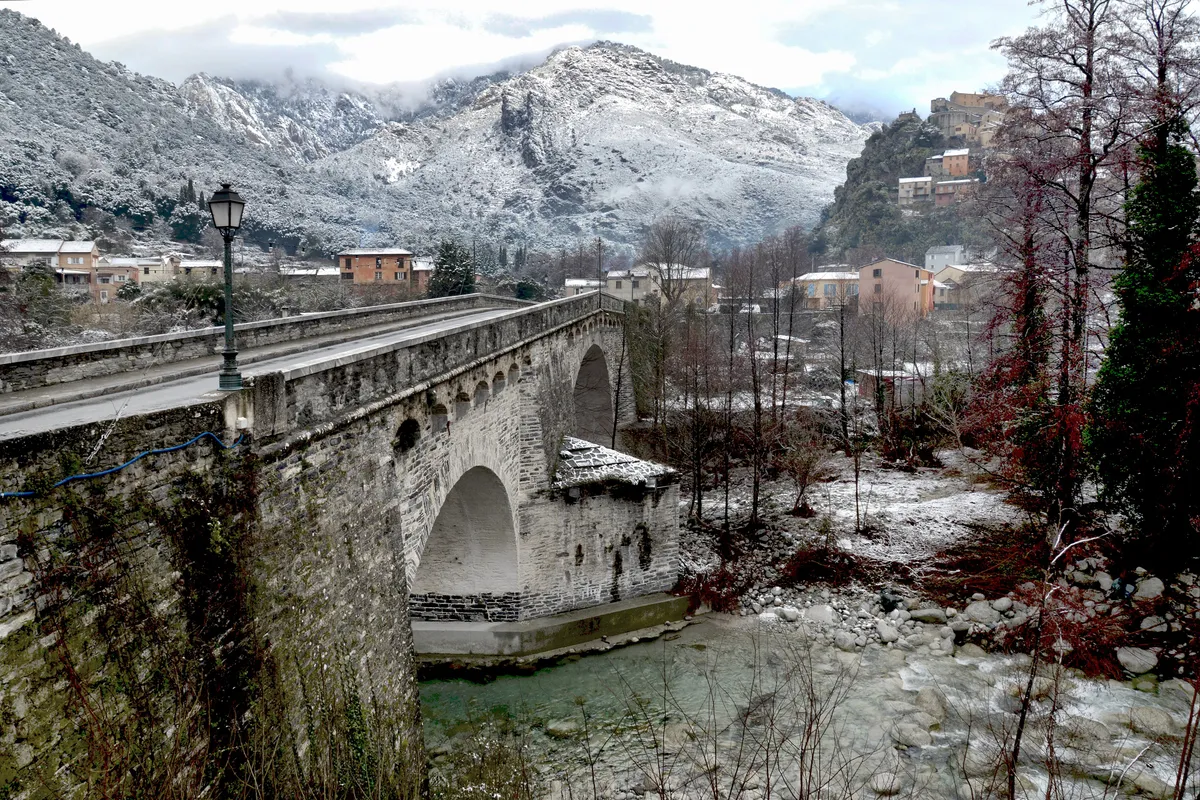
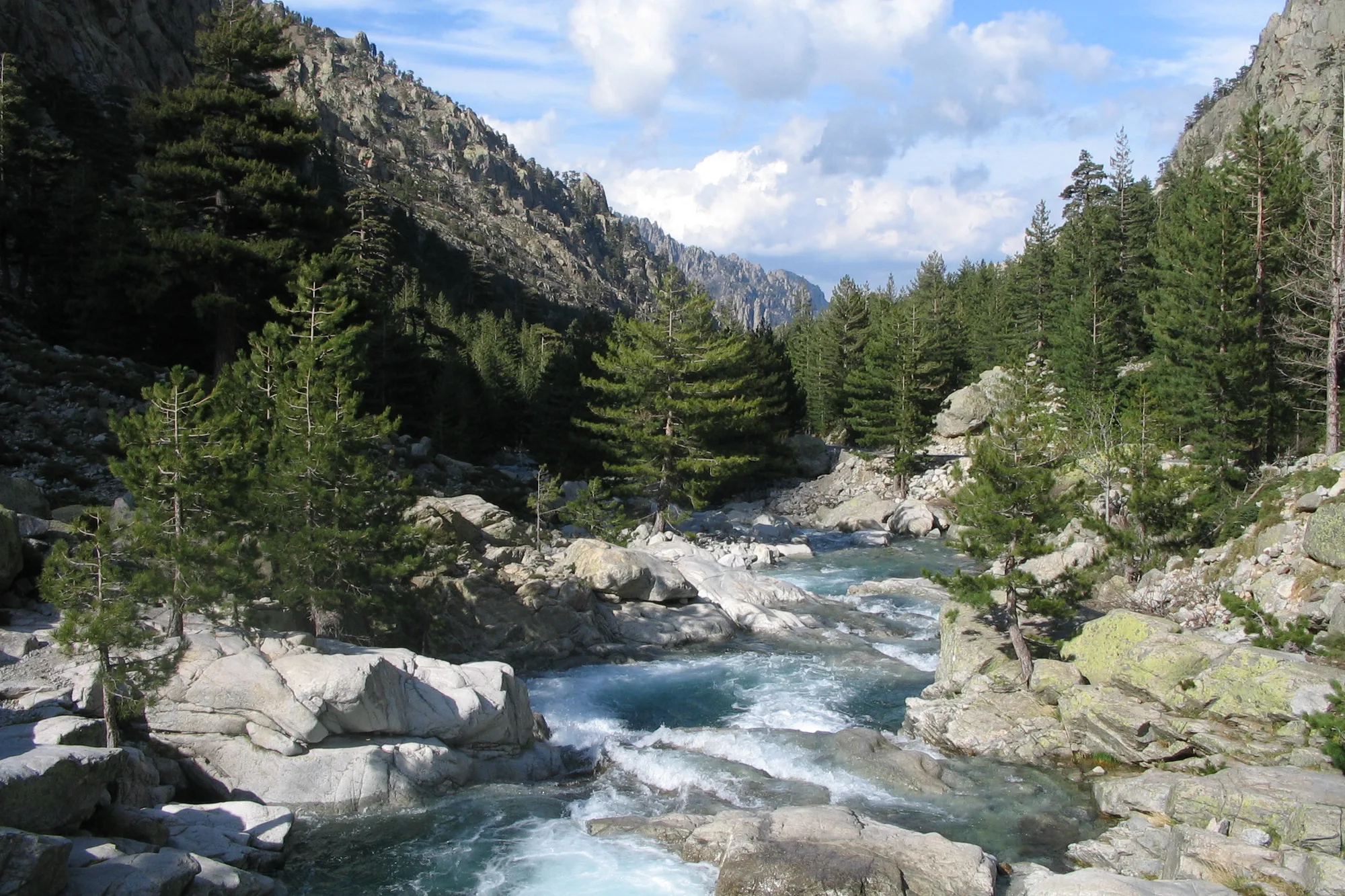
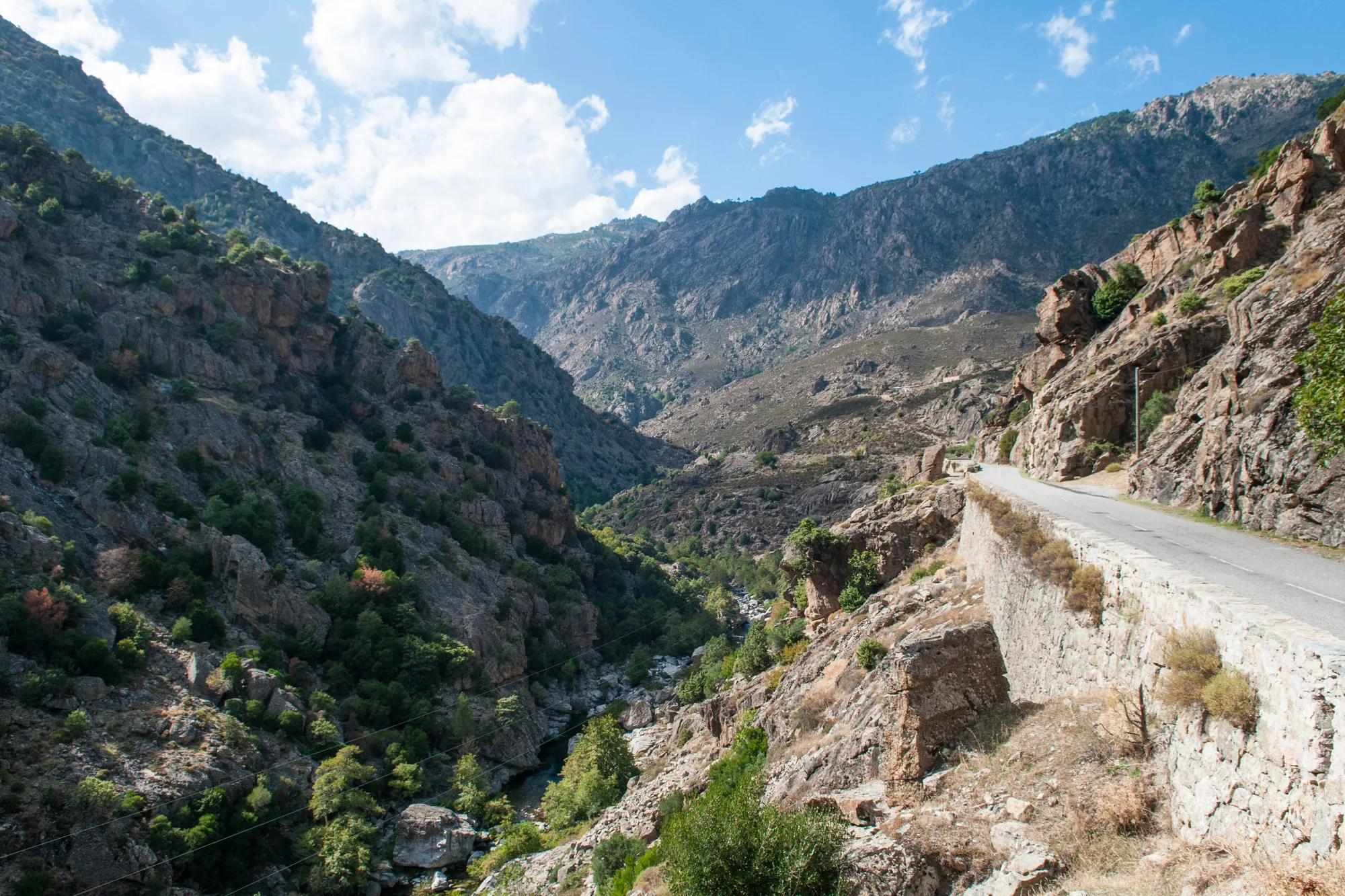
Corte is the best starting point for the interior of the island: the Restonica and the Tavignano on foot from the town, the Niolu via the Scala di Santa Regina, and the Vizzavona forest and the GR20 by train. If you choose only one town in the interior, make it this one. Corte is also the night stop on day 5 of our Corsica itinerary for 1 week, and our guide to north Corsica gives driving times to Calvi and L’Île-Rousse.


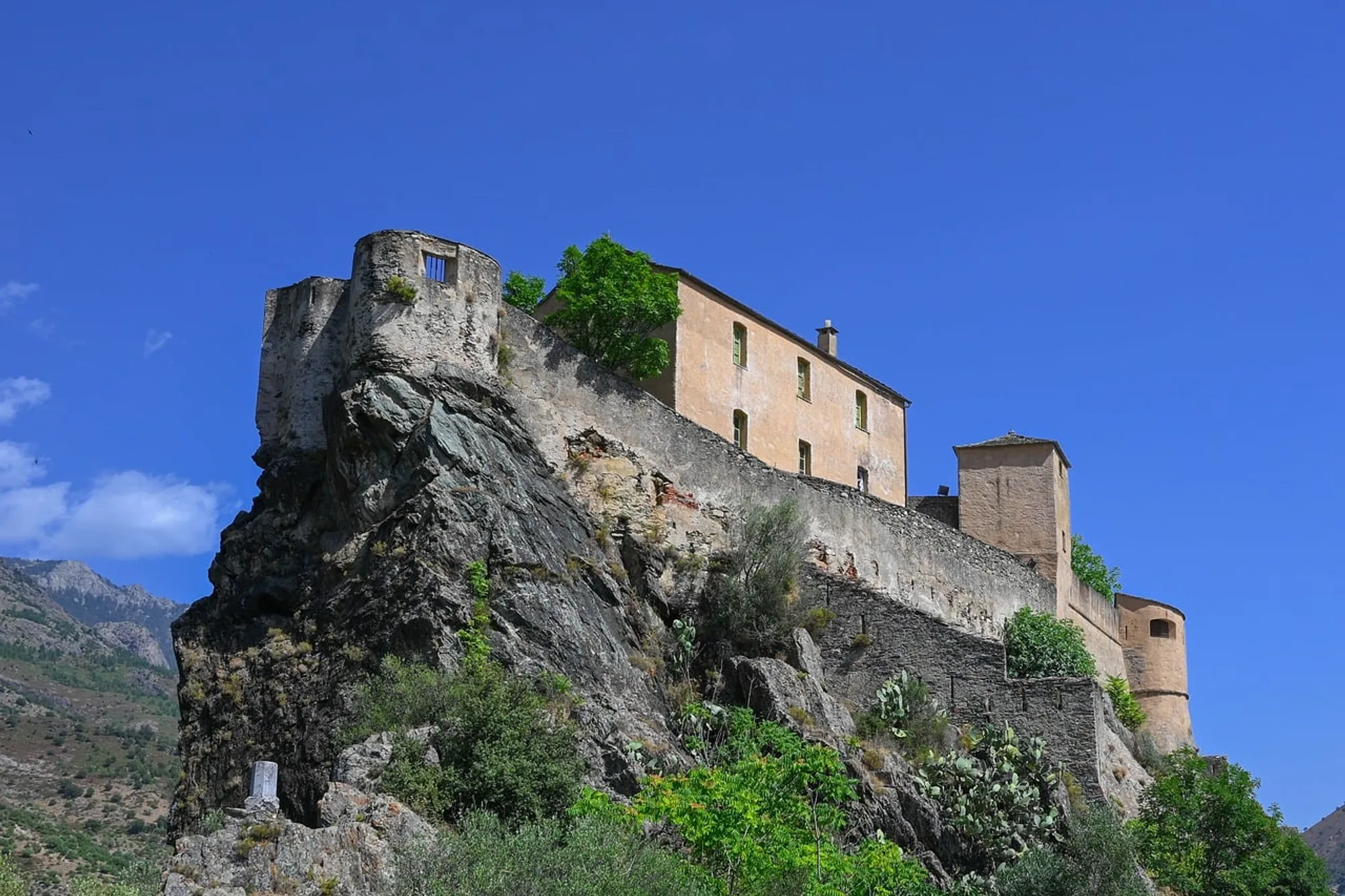
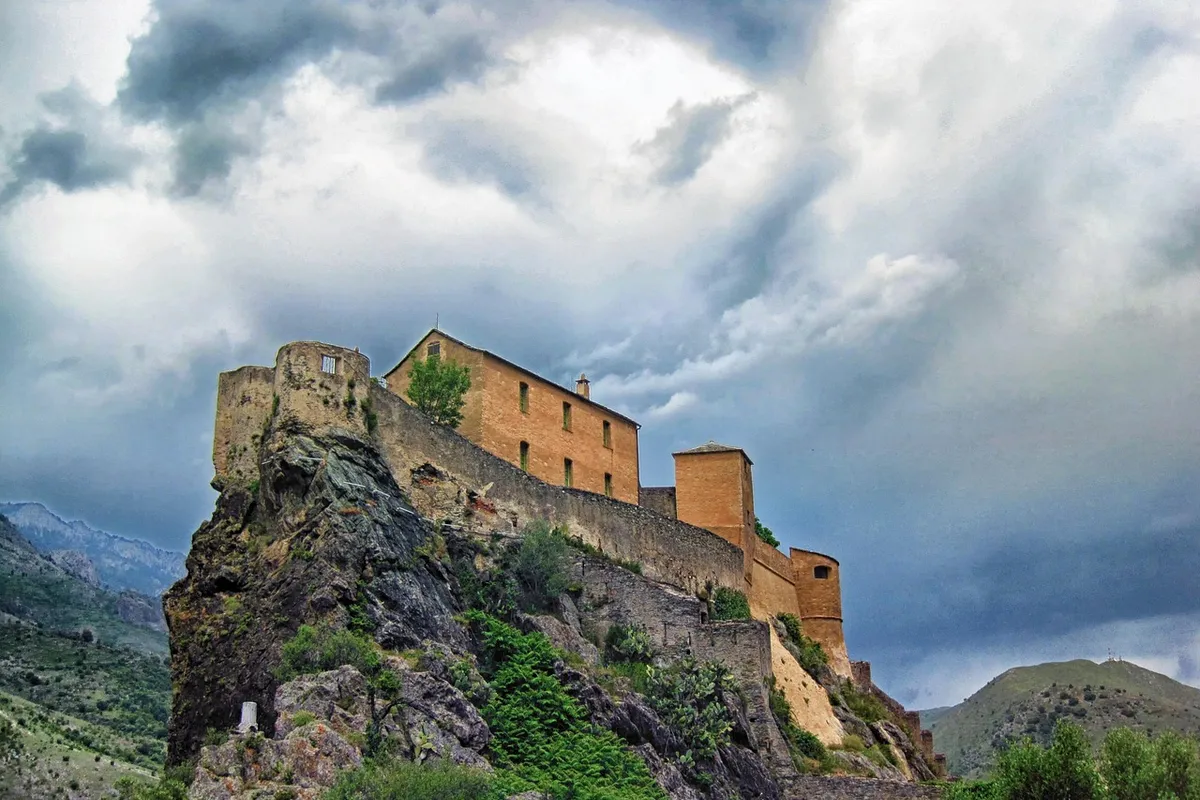 Photo: 12019 / Pixabay