
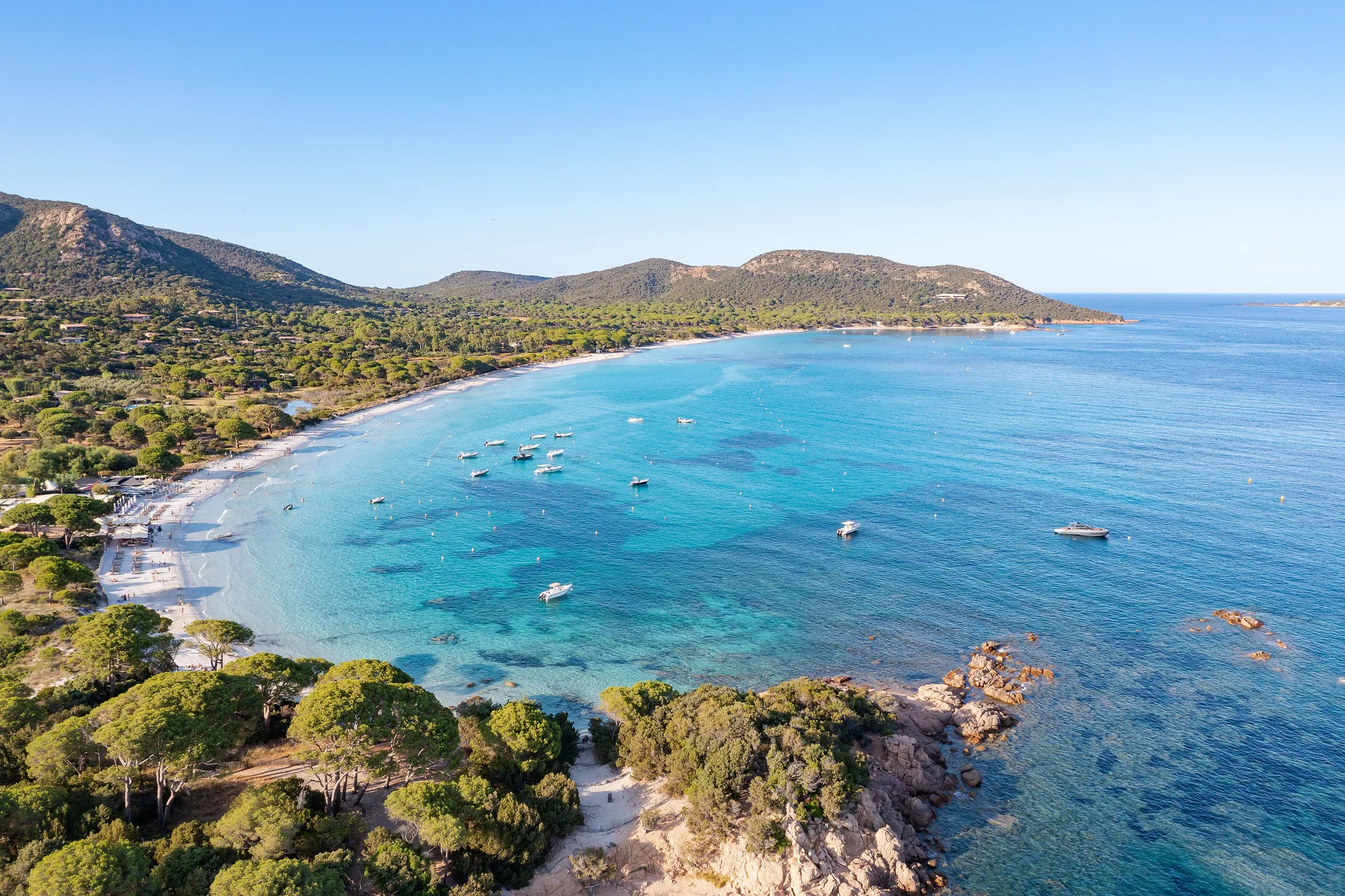
Palombaggia Beach (Porto-Vecchio): tips and photos
Two kilometres of sand between the pines and the red rocks, facing the Cerbicale islands: the best-known beach in the south of Corsica.
Explore →

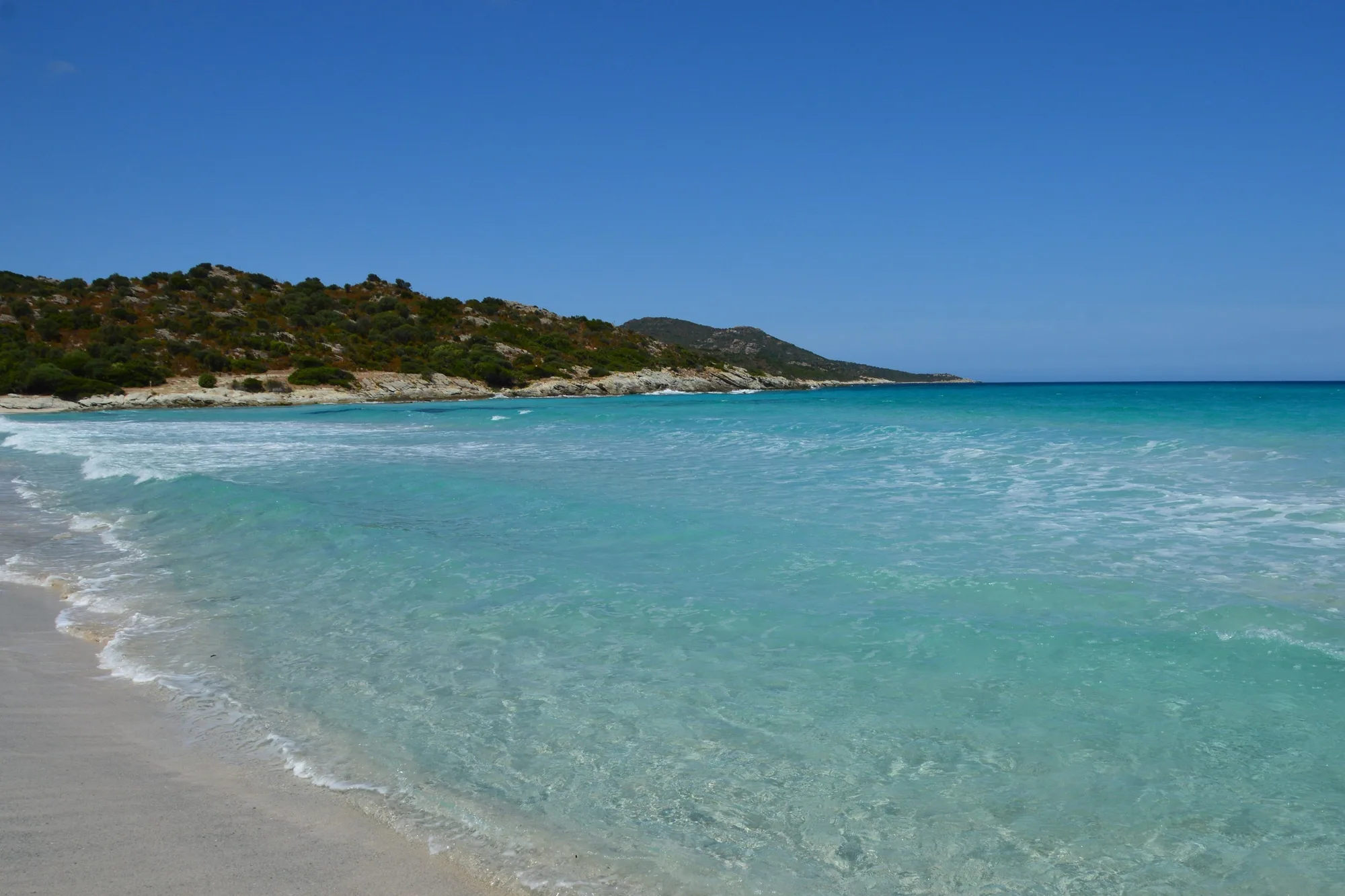
White sand in the far south, pink granite coves and wild inlets on Cap Corse: choose your beach.
Ten beaches chosen for their variety: white sand or dunes, calm water or waves, reached by car, train, boat or on foot. Petit Sperone and Piantarella are not on the list: you pass through them on the way to Grand Sperone.
Two kilometres of sand between the pines and the red rocks, facing the Cerbicale islands: the best-known beach in the south of Corsica.
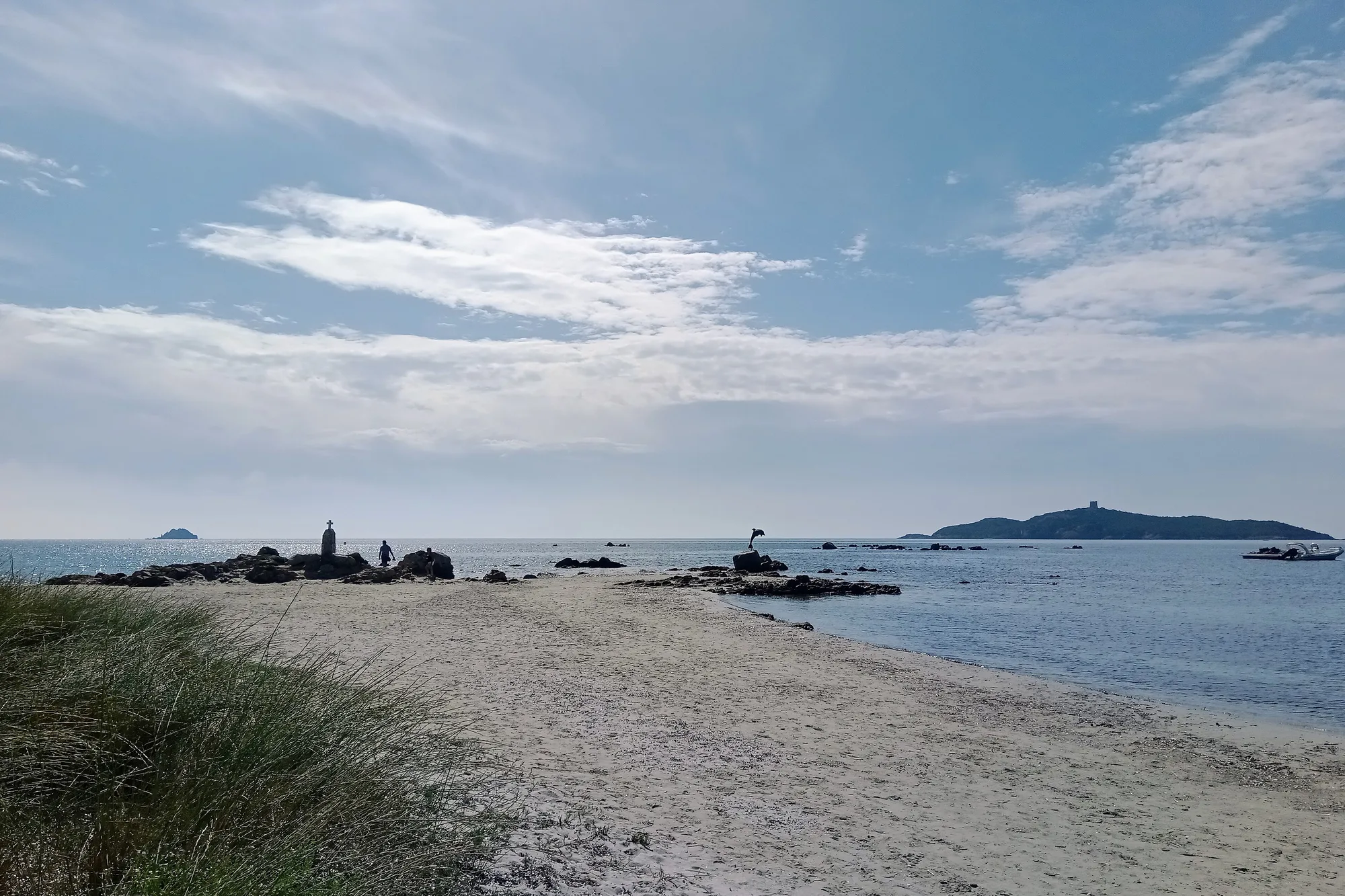
Two kilometres of sand at the head of a gulf, between a pine wood and a small village, facing an island topped with a Genoese tower.
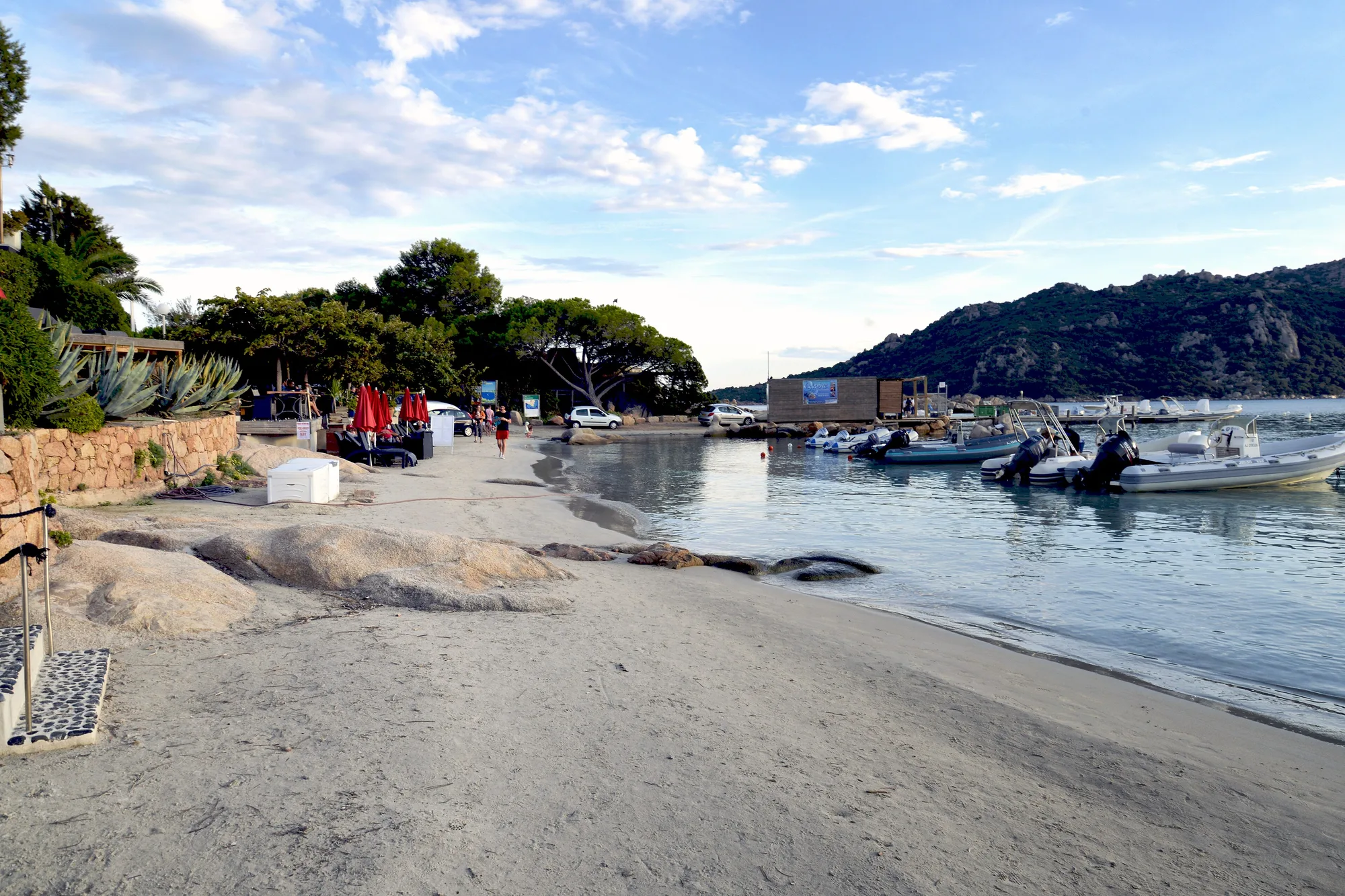
A bay open to the east, shallow turquoise water and, behind a narrow strip of sand, a protected pond.
A curve of white sand facing due south, about 25 minutes on foot from Piantarella: the larger of the two Sperone beaches.
White sand and turquoise water facing Piana island: access on foot from Piantarella, parking, snorkelling, reserve rules and trips to the Lavezzi islands.
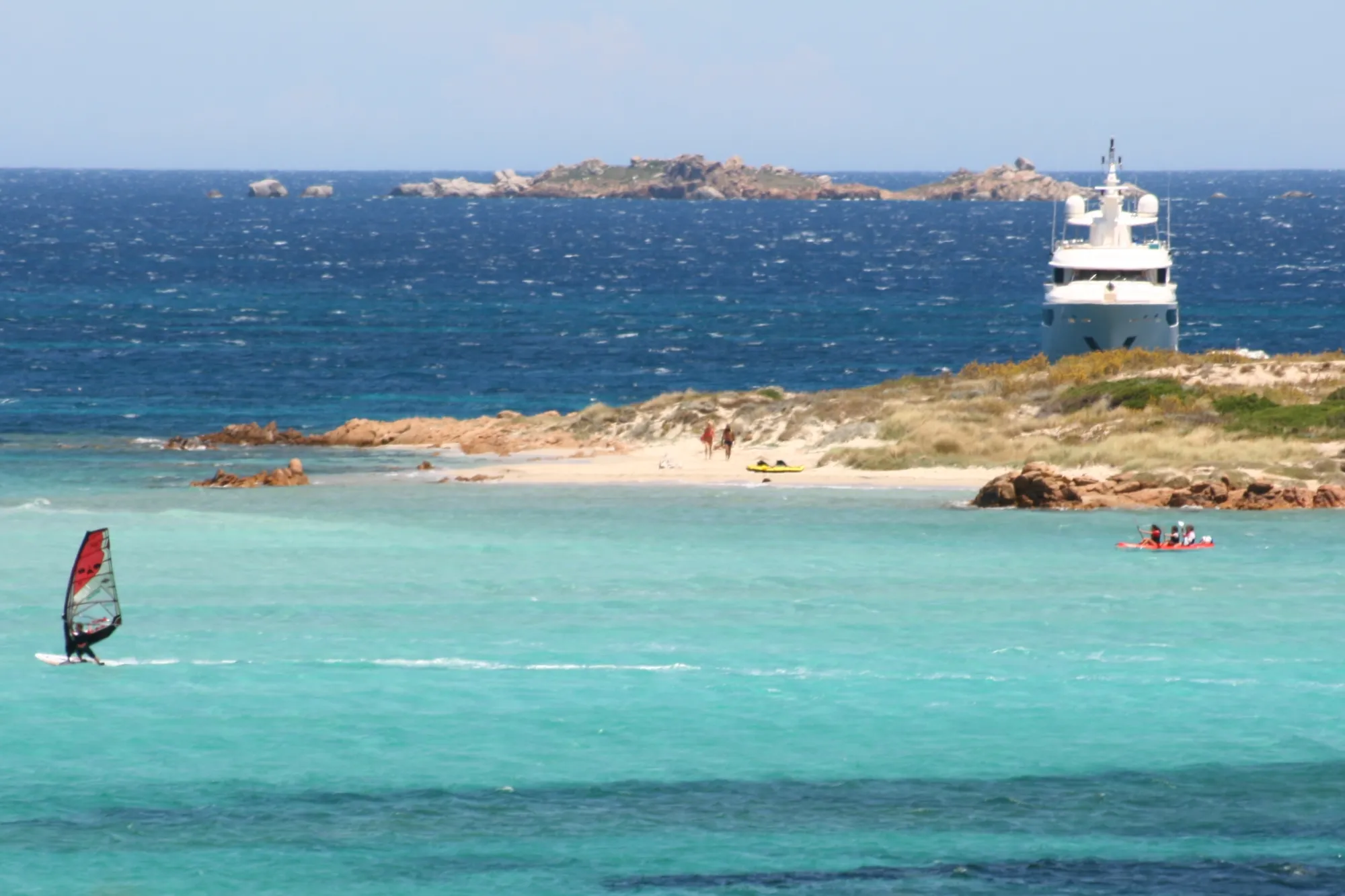
A narrow strip of sand beside a shallow lagoon, facing Piana island: people come for the wind, the sailing, and to set off on foot to the two Sperone beaches.
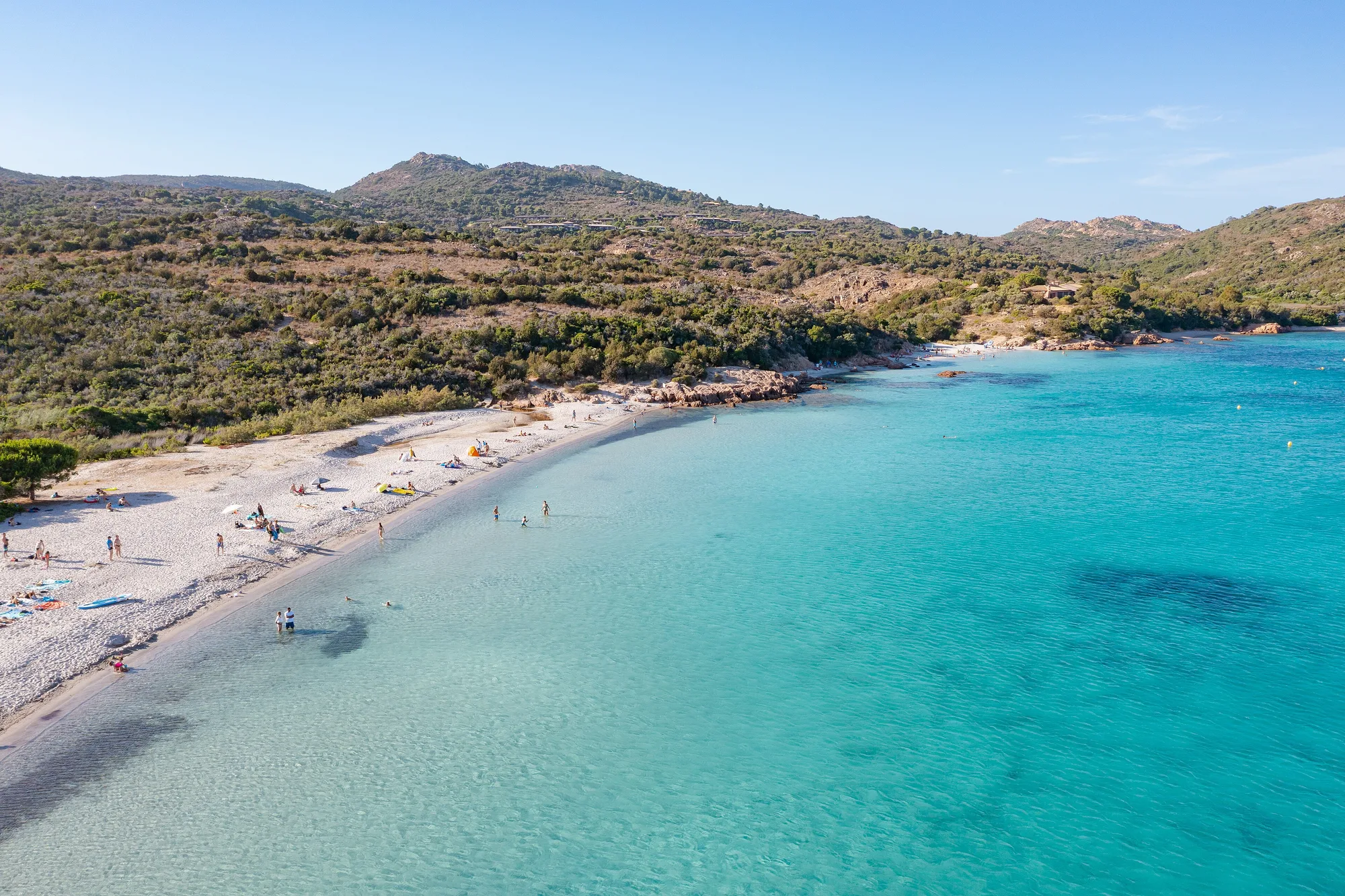
A round cove almost closed off by its two headlands, between Bonifacio and Porto-Vecchio: the water stays calm and shallow.
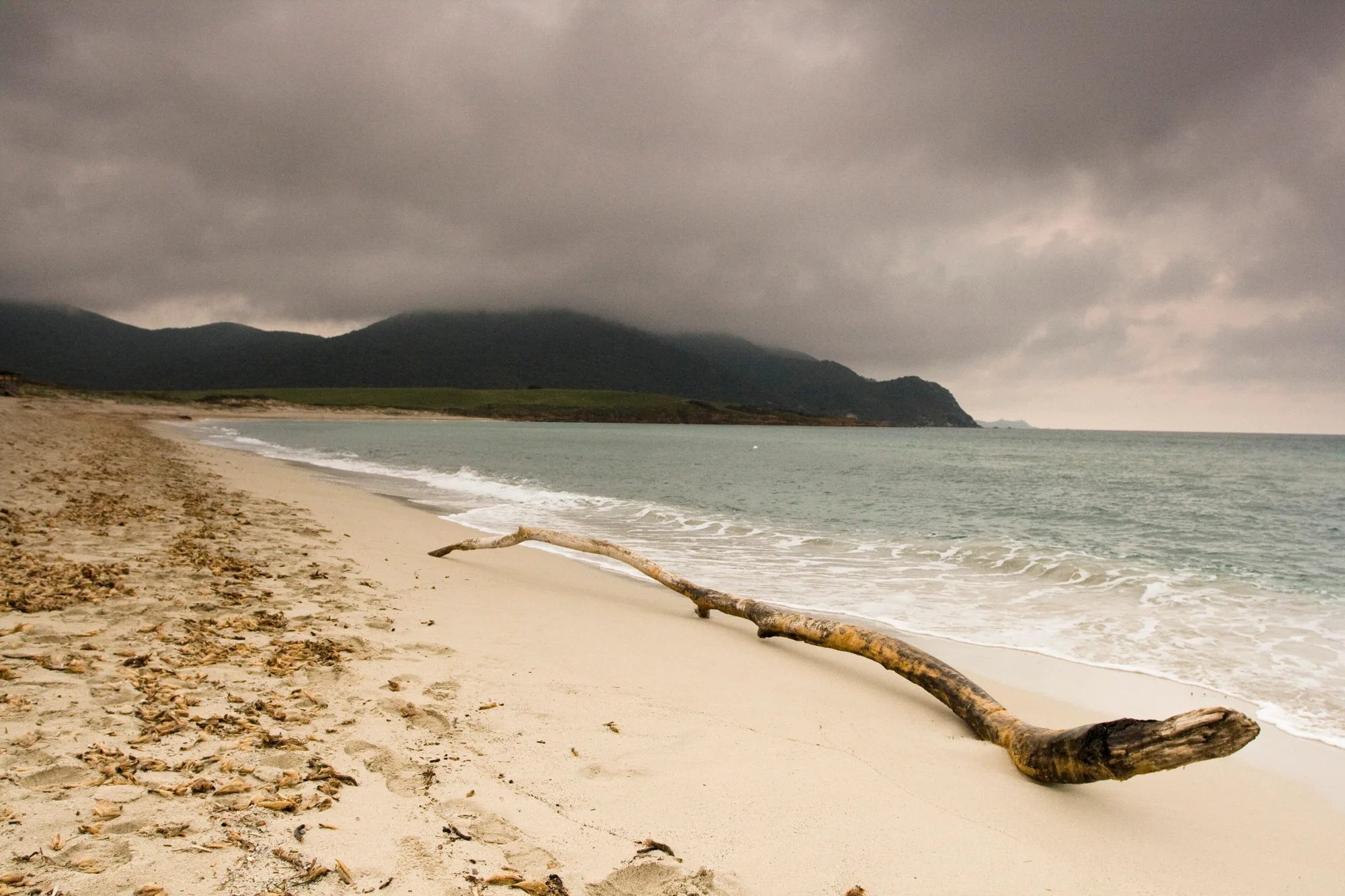
A kilometre of sand open to the sea, between the dunes and the maquis, west of Ajaccio: the beach for waves and surfers.
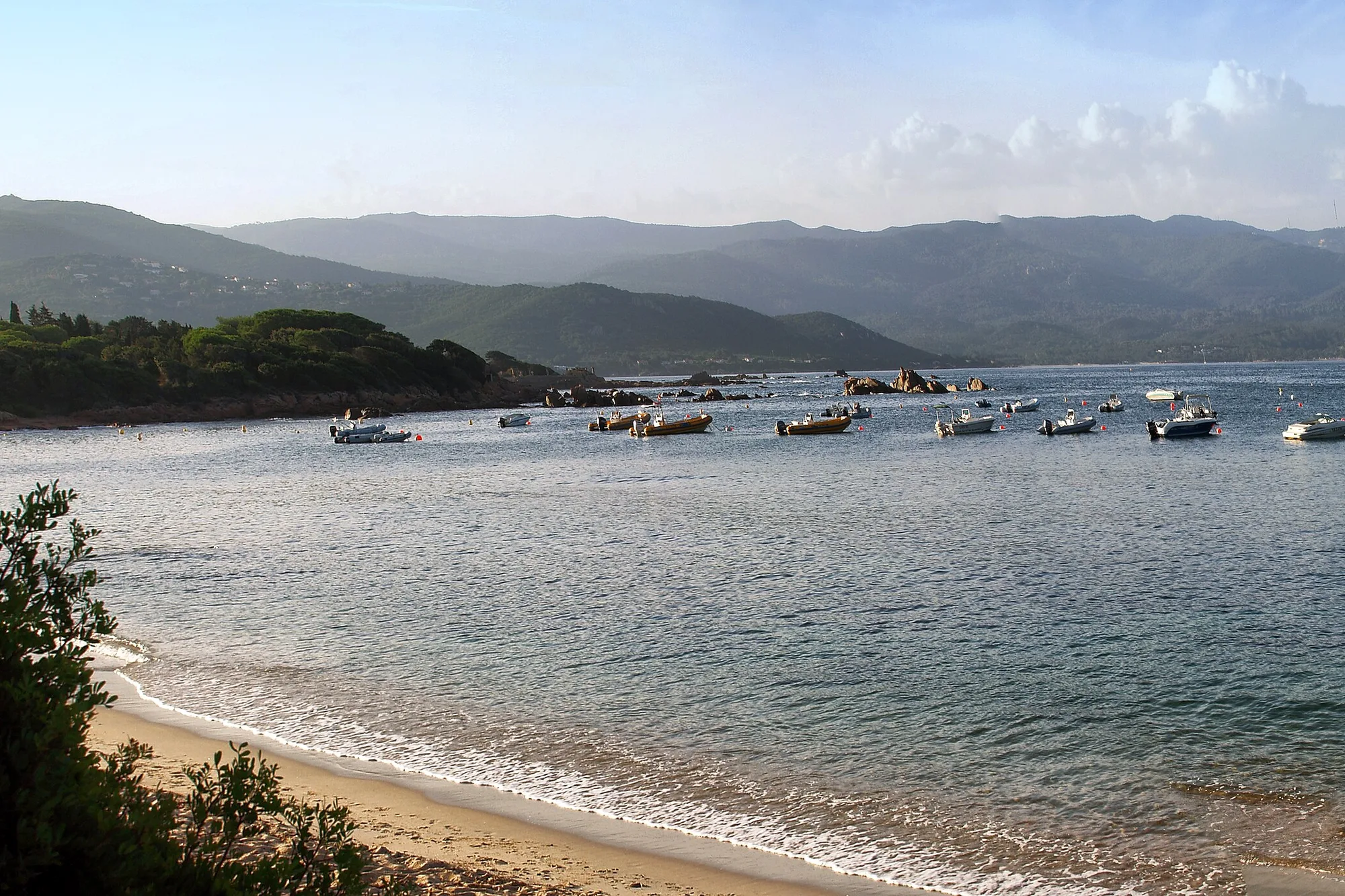
A peninsula of granite and pines on the south shore of the Gulf of Ajaccio, with sand on each side of the isthmus and a Genoese tower on the point.
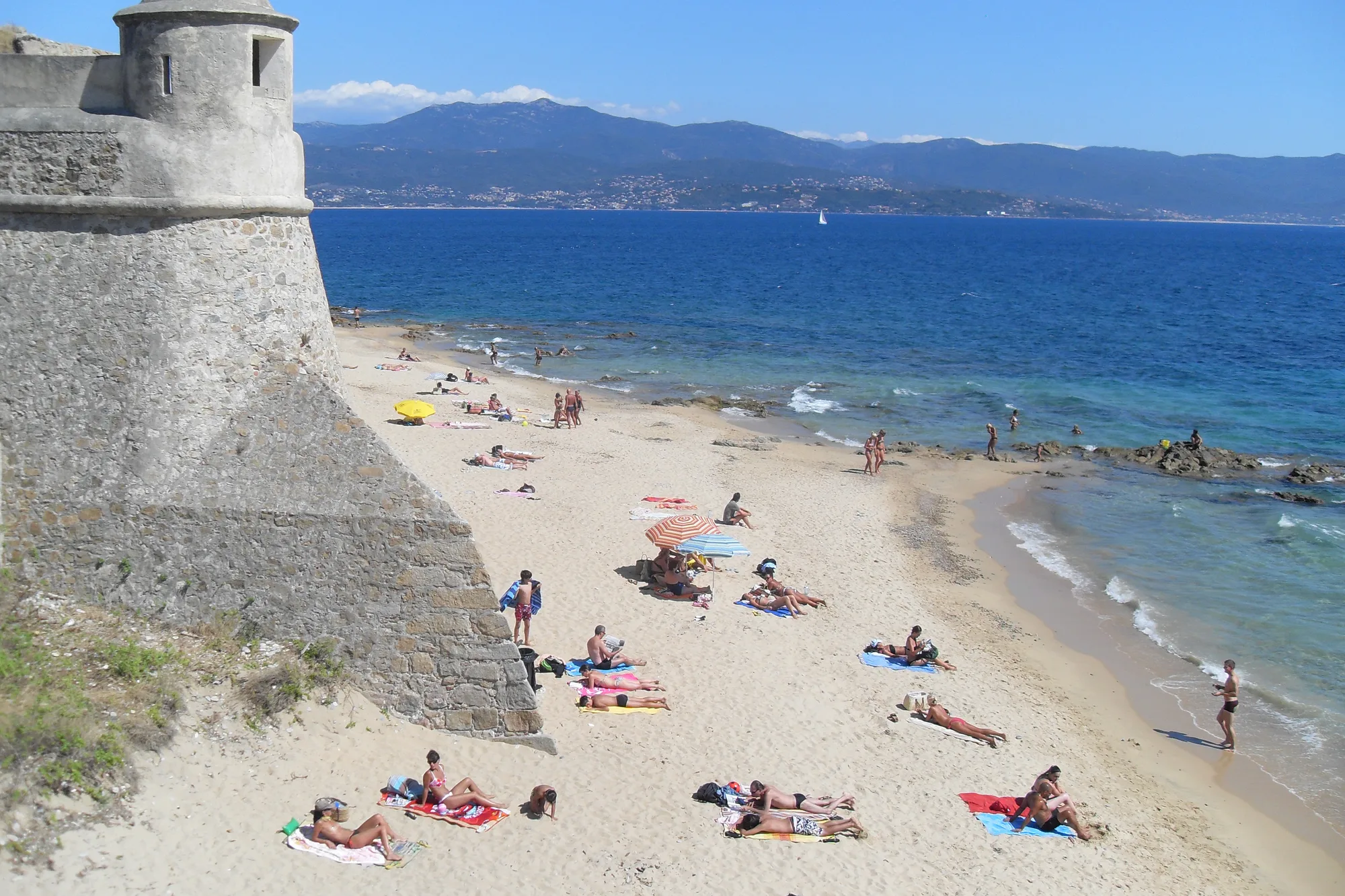
The town-centre beach in Ajaccio: a ribbon of fine sand below the citadel and Boulevard Lantivy, a few minutes’ walk from Place Foch.
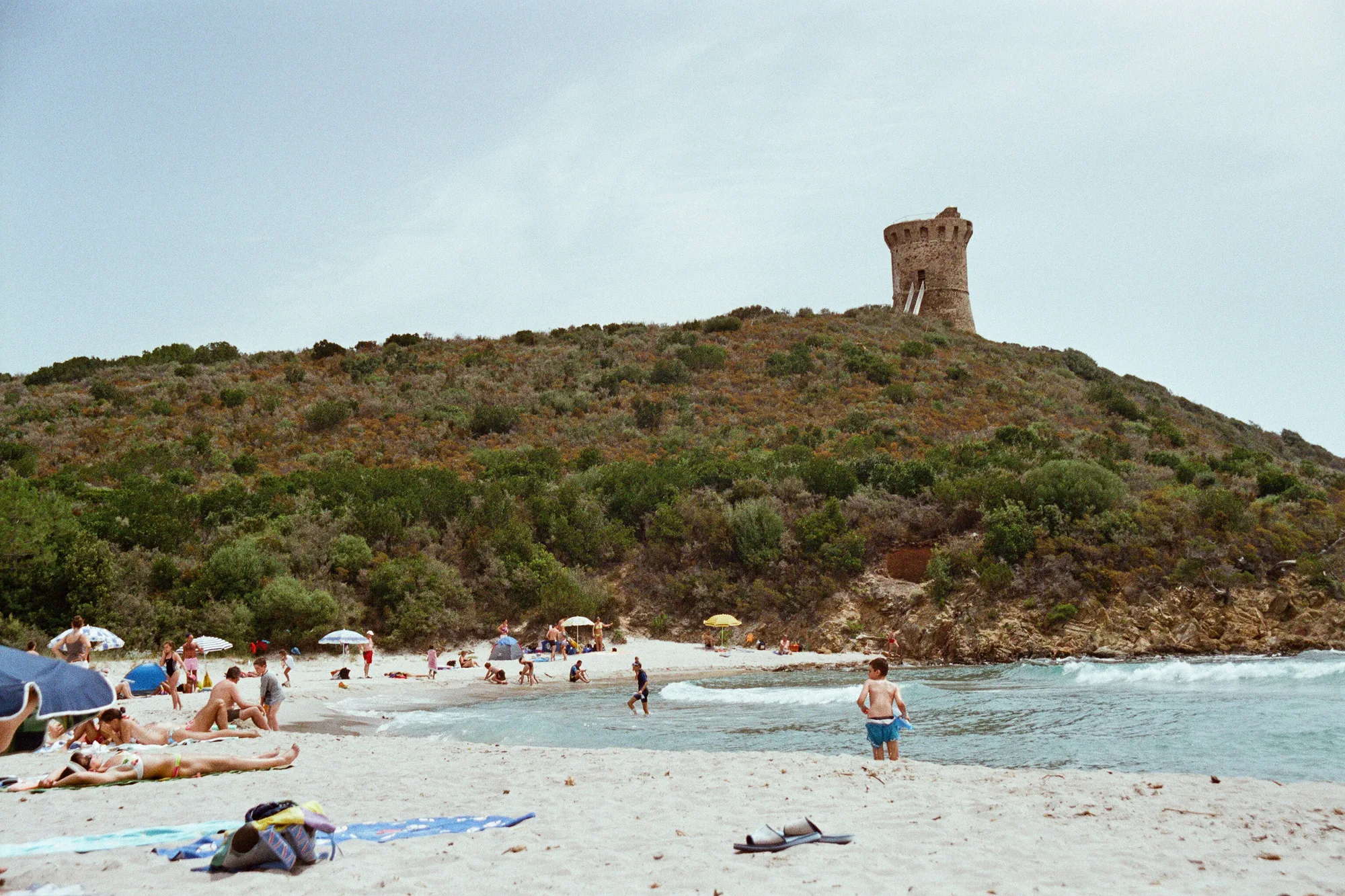
Two small sandy beaches either side of a Genoese tower, beside the Bastia road: one with facilities, the other wilder.
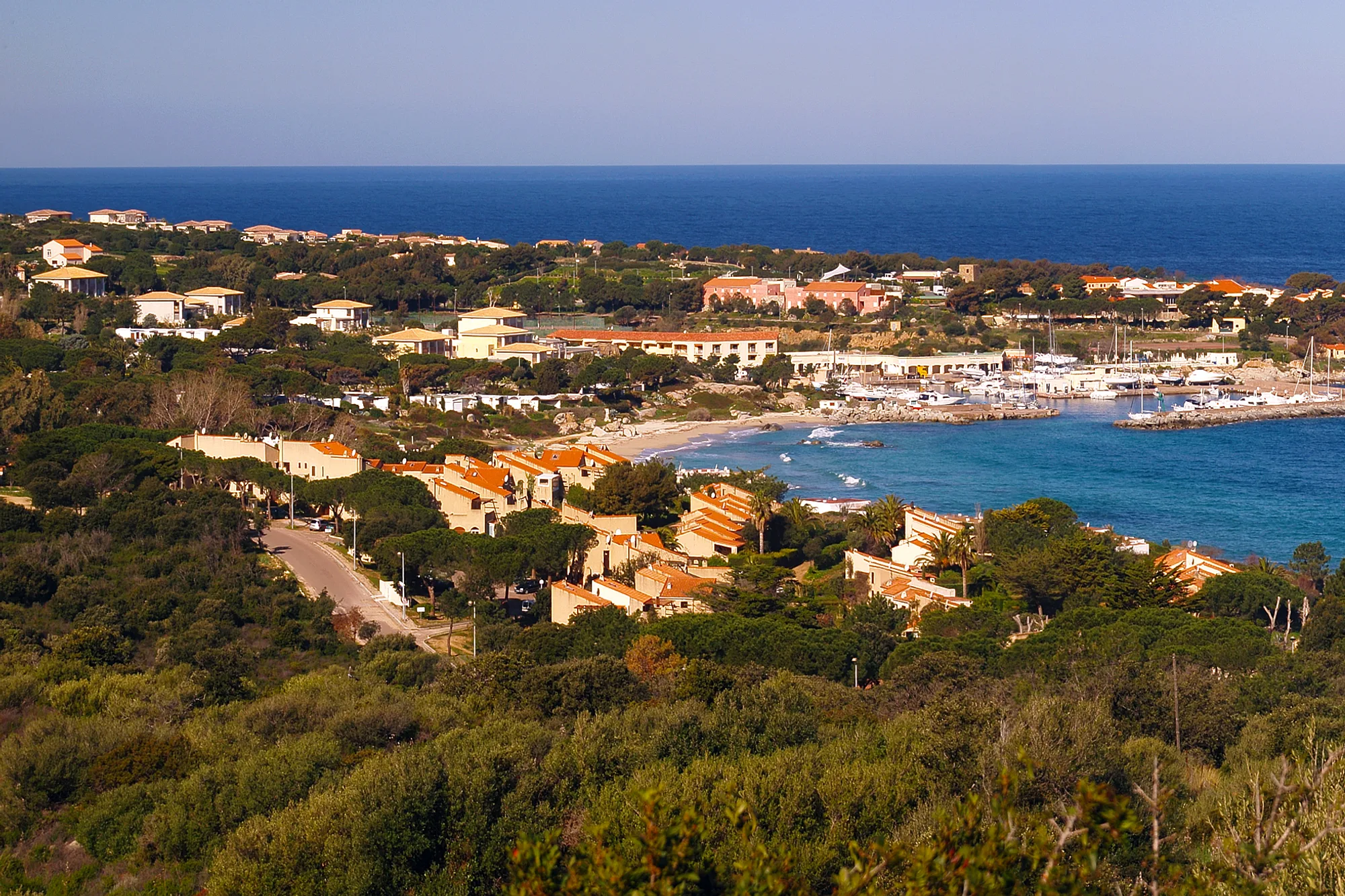
A strip of fine sand below the Lumio marina, a quarter of an hour from both Calvi and L’Île-Rousse, with a Balagne train stop next door.
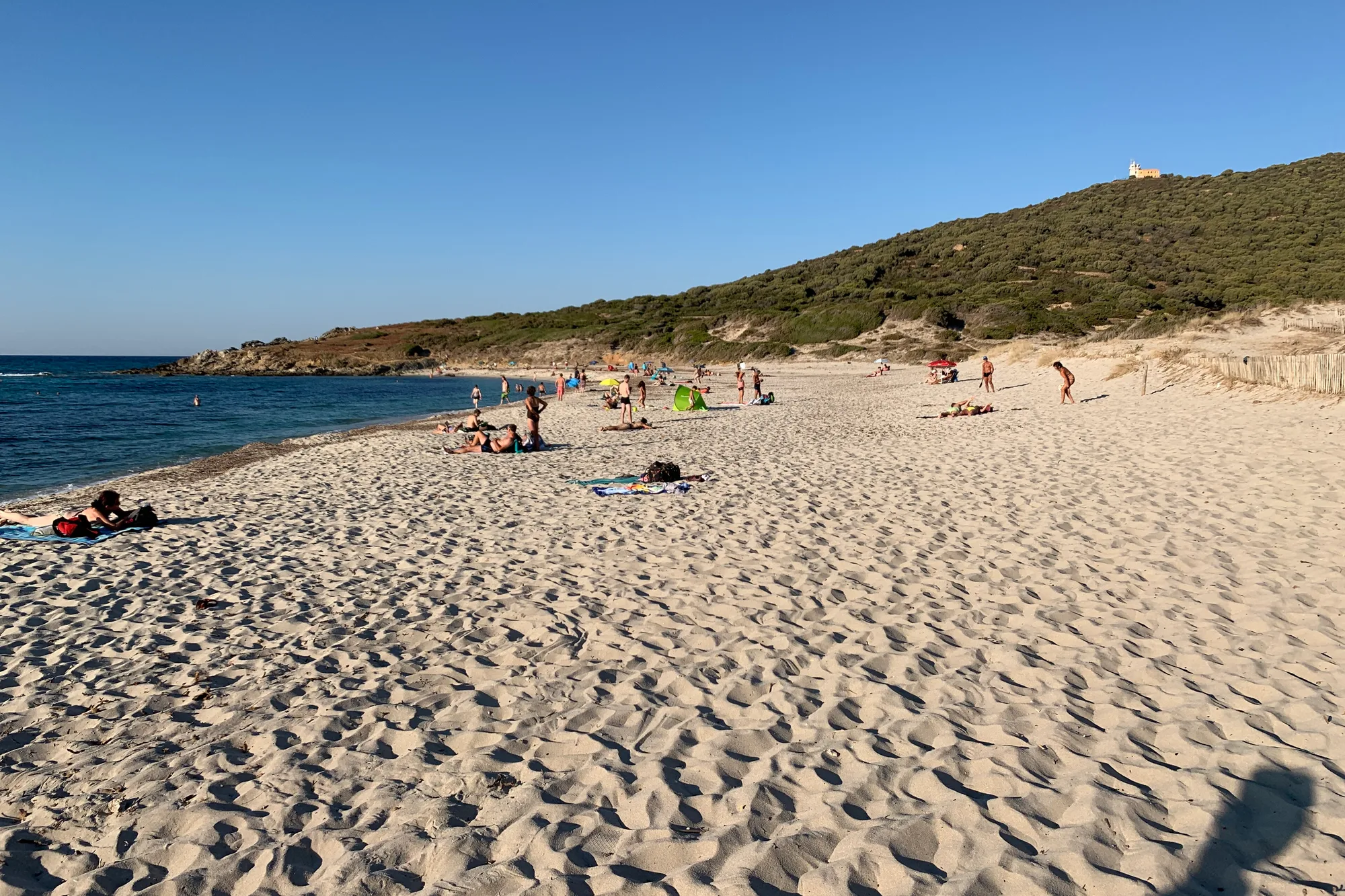
Two fine sandy beaches separated by a rocky point, 3 km from L’Île-Rousse, with a Balagne train stop five minutes’ walk away.
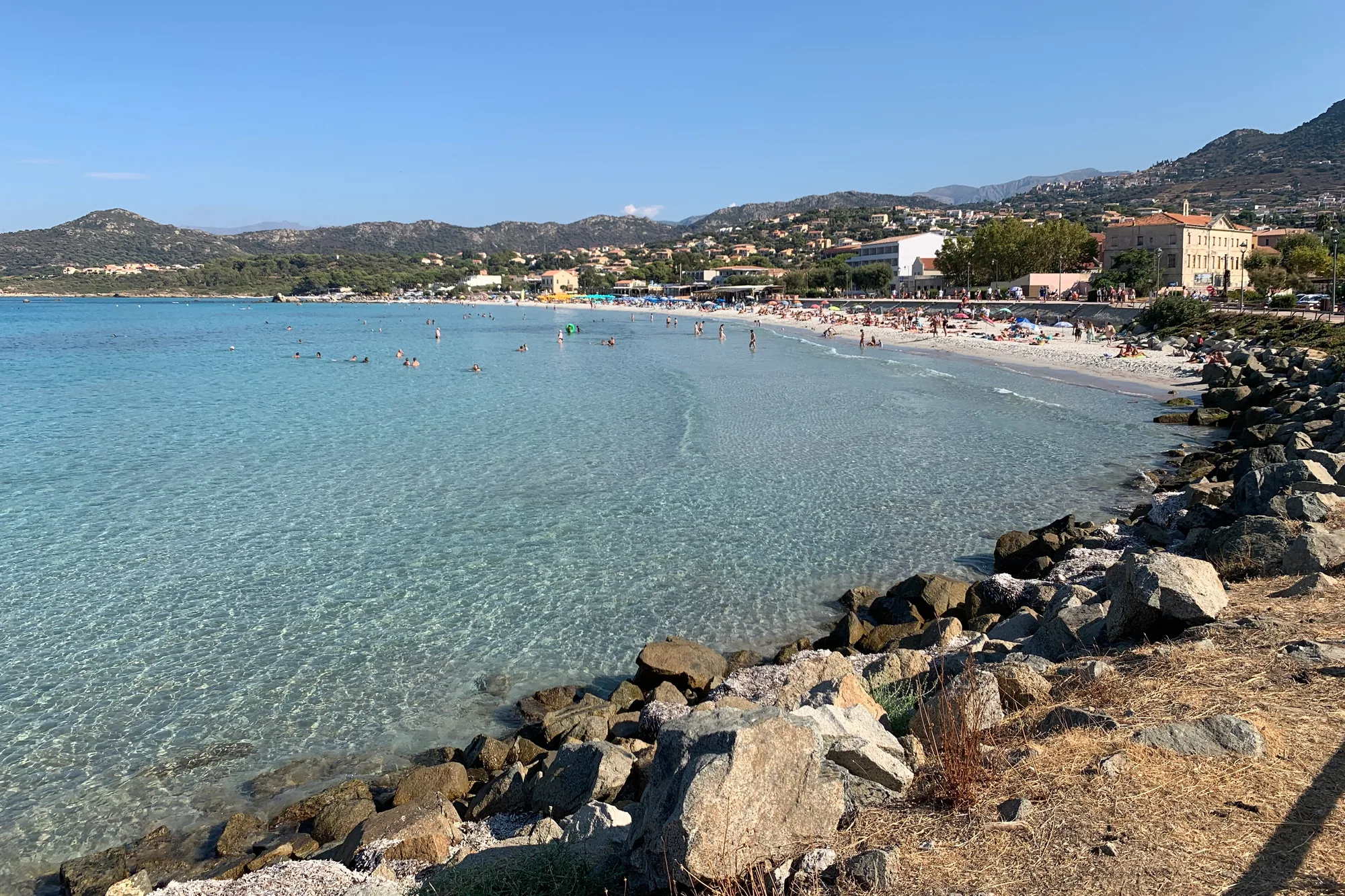
Napoléon beach runs along the foot of the town, a few minutes from Place Paoli and the station; Caruchettu continues it to the east, beyond a bar of rocks.
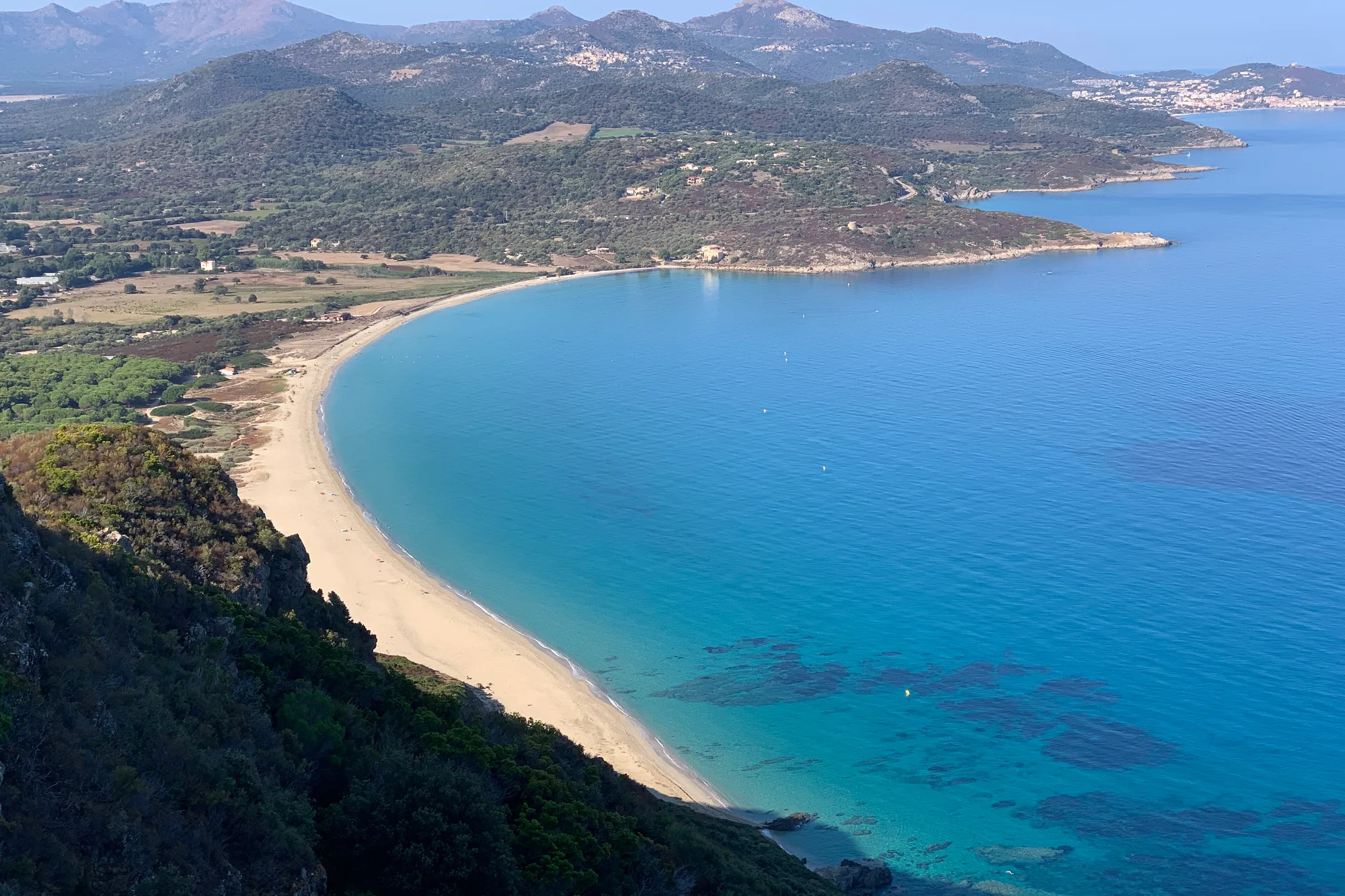
A bay with about 1.5 km of sand between the mouth of the Regino and Punta d’Arcu, 7 km from L’Île-Rousse, its hinterland entrusted to the Conservatoire du littoral.
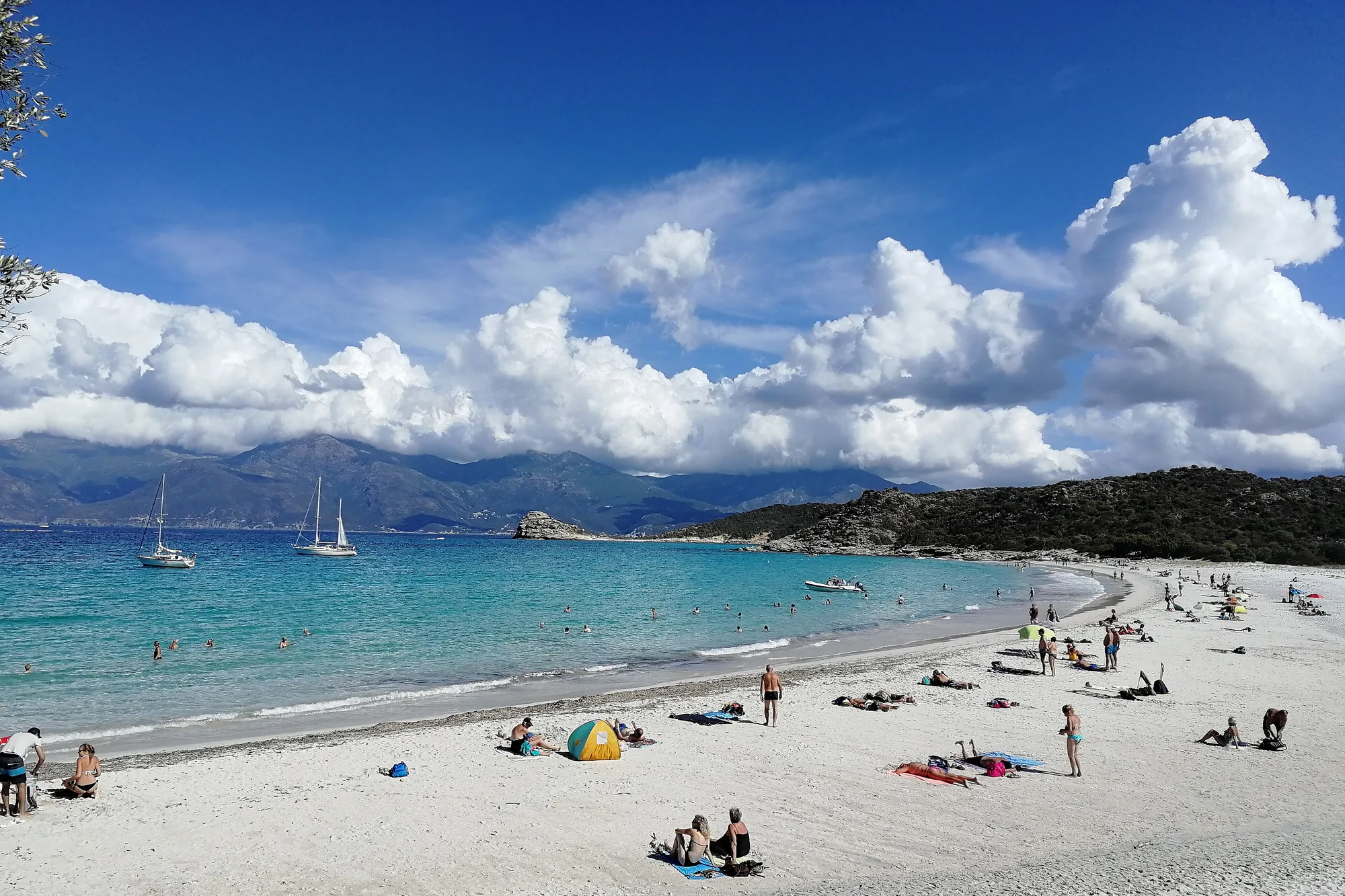
The Agriate beach closest to Saint-Florent: 400 m of white sand, a jetty for the shuttle boats and Cap Corse straight ahead.
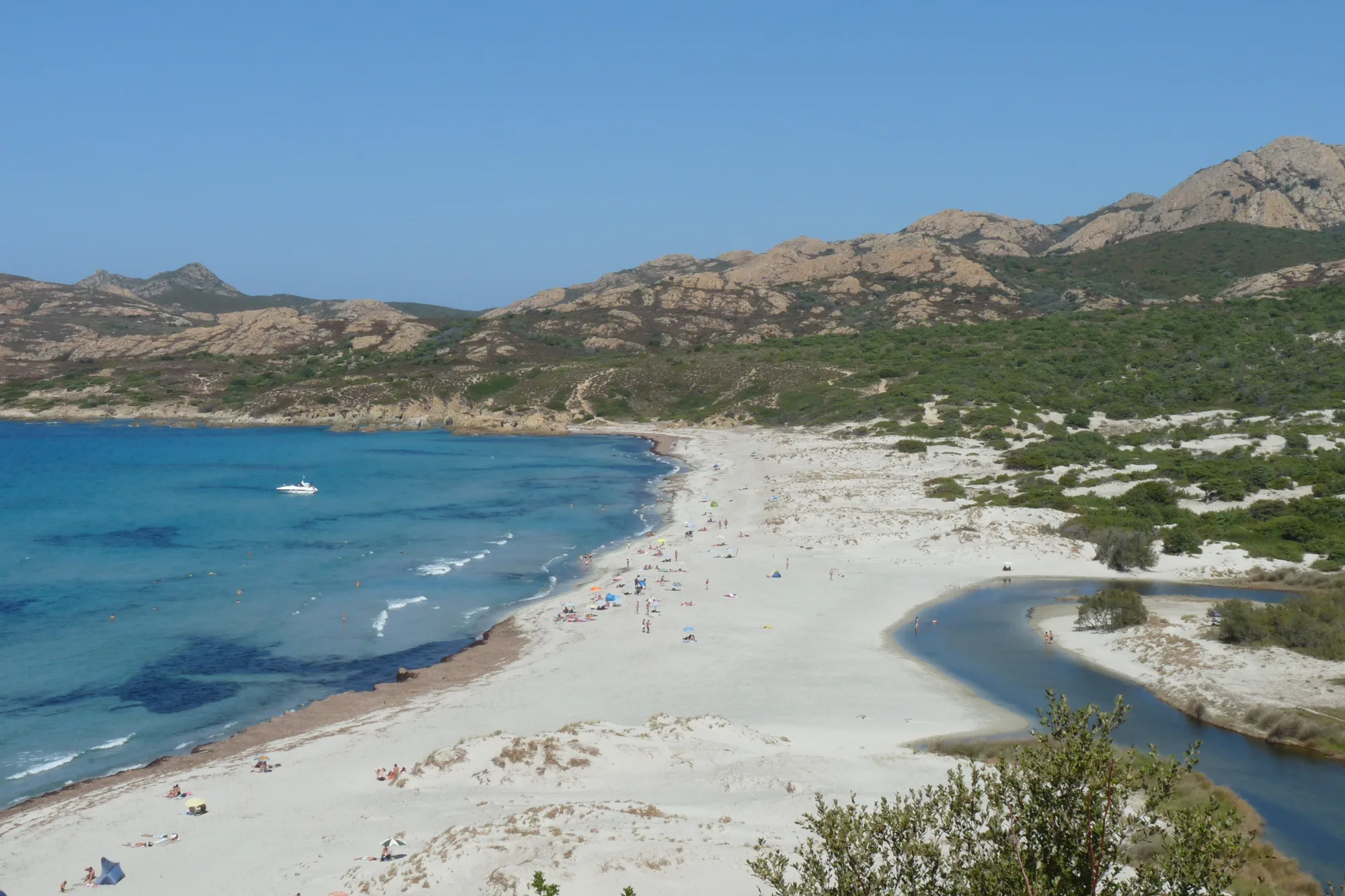
About 800 m of fine sand between a river mouth, a lagoon and dunes, at the western gateway to the Agriate.
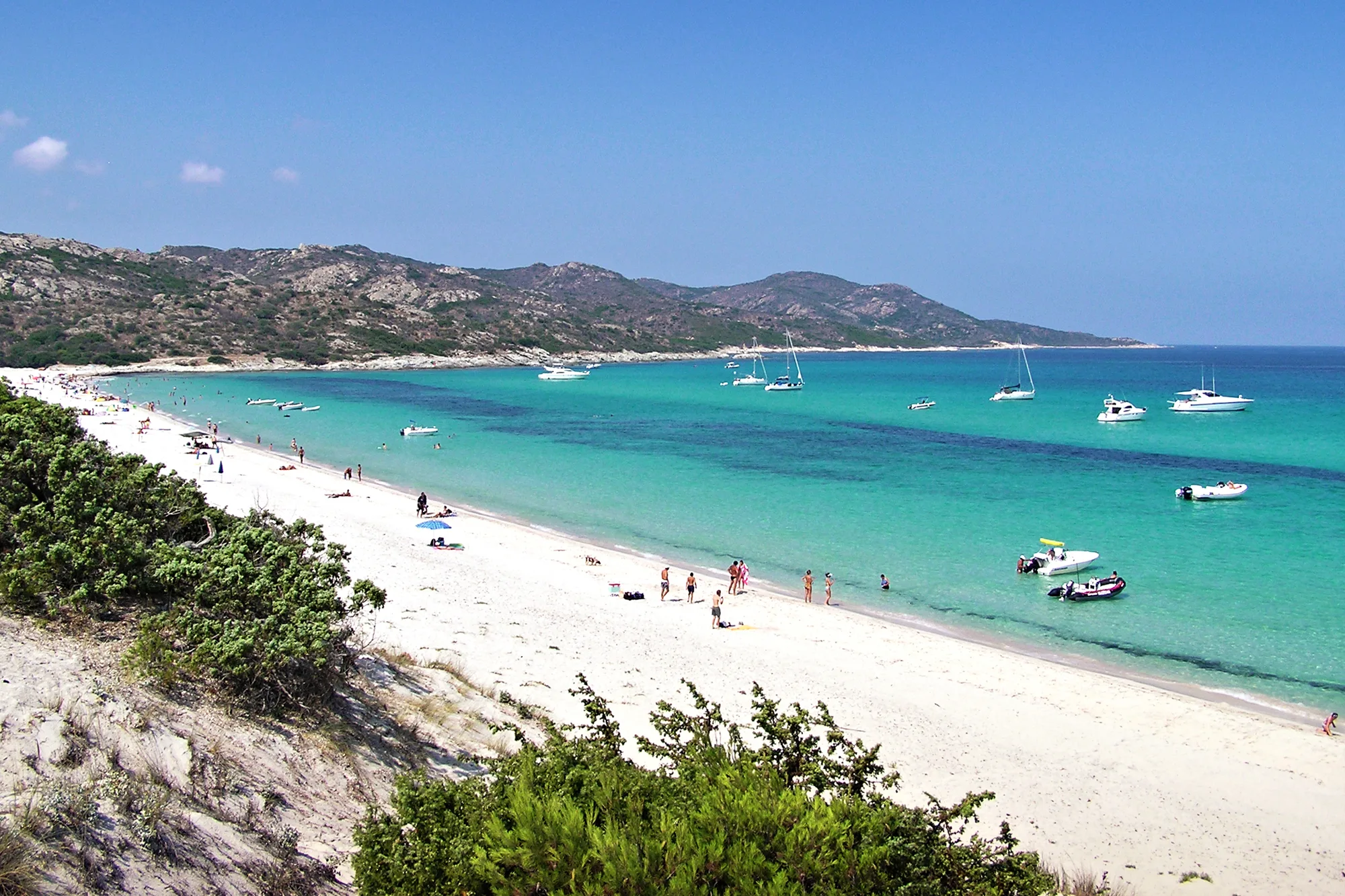
Over a kilometre of white sand with no road and no buildings, between the juniper dunes and the sea off the Agriate.
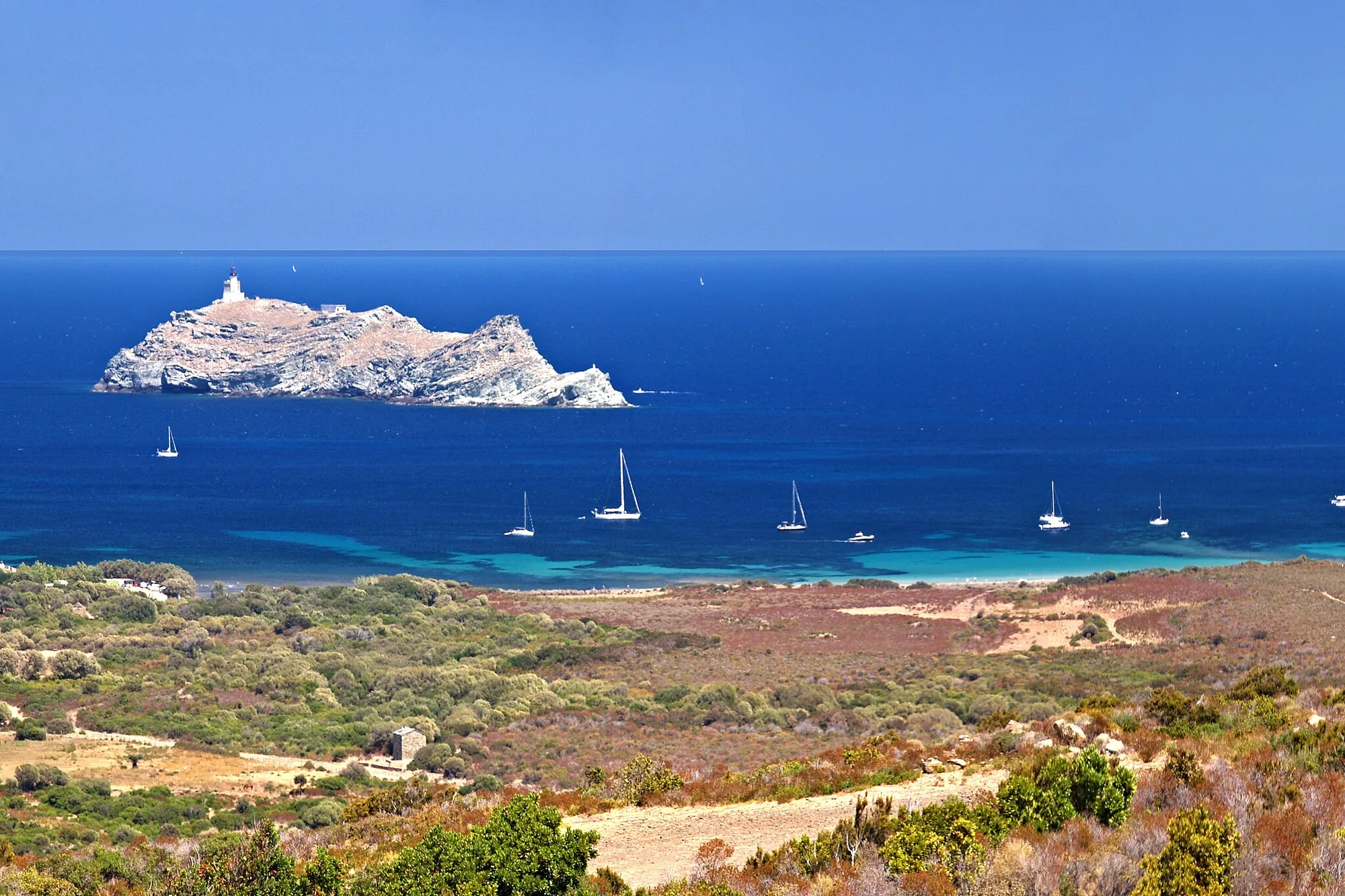
Nearly a kilometre of sand at the tip of Cap Corse, facing the Giraglia, between a protected dune and a lagoon.
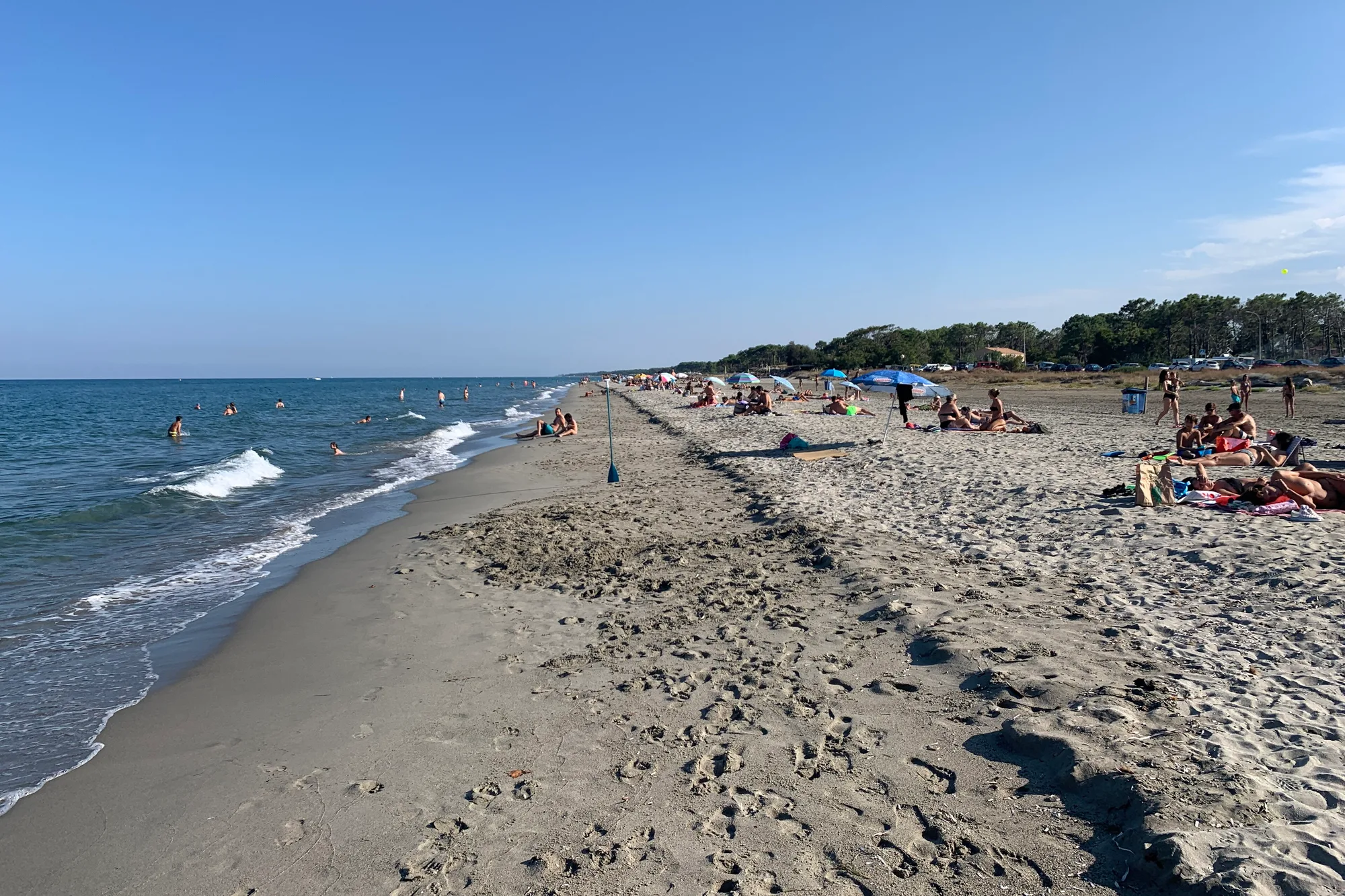
Nearly 15 km of sand and pine wood south of Bastia, on the spit that separates the Biguglia lagoon from the sea.
Choose another area.
Corsica (Corse) has beaches of white sand, pebbles and black sand, some at the end of a road, others at the end of a footpath. They vary a great deal from one coast to another: long, windswept beaches on the west coast, sheltered coves in the south, wide stretches of sand on the east coast. Here are the main ones, region by region, with how to get there and what to watch out for. Those that already have their own detailed guide are on the map and in the grid at the top of this page.
Below the hilltop village of Nonza and its tower, on the west side of the Cap, lies a black sand beach, according to the Agence du tourisme de la Corse. You reach it by a long flight of steps from the village. It is more a viewpoint than a swimming beach, and every step down has to be climbed back up.
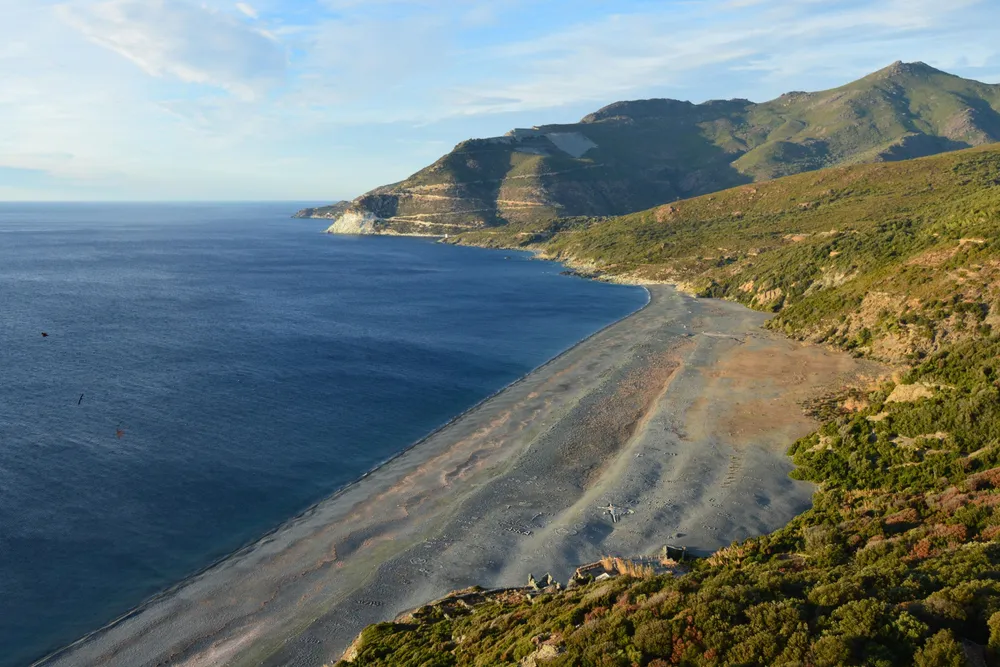 Photo : SlimMars 13 / Pexels
At the tip of the Cap, near Macinaggio, Tamarone is a calm, family-friendly beach of fine sand, reached by the D80. The coastal path from Macinaggio to Centuri (19.3 km, about 8 hours according to the Agence du tourisme de la Corse) passes the wild beaches of the northern Cap, including Barcaggio.
 Illustration
In Bastia, Arinella beach, south of the town, is equipped for people with reduced mobility (Handiplage label) and is a no-smoking beach.
West of Saint-Florent, the Agriates (Agriate) have no surfaced road down to the sea. Their beaches, Lotu, Saleccia, Ghignu and Malfalcu, can be reached by boat from Saint-Florent, along a track for 4x4s only, or on foot by the coastal path. Saleccia has more than a kilometre of white sand lined with pines. Bring water and a hat: there is almost no shade and no facilities. All the access routes, walking times and rules are on our page about the Agriates desert.
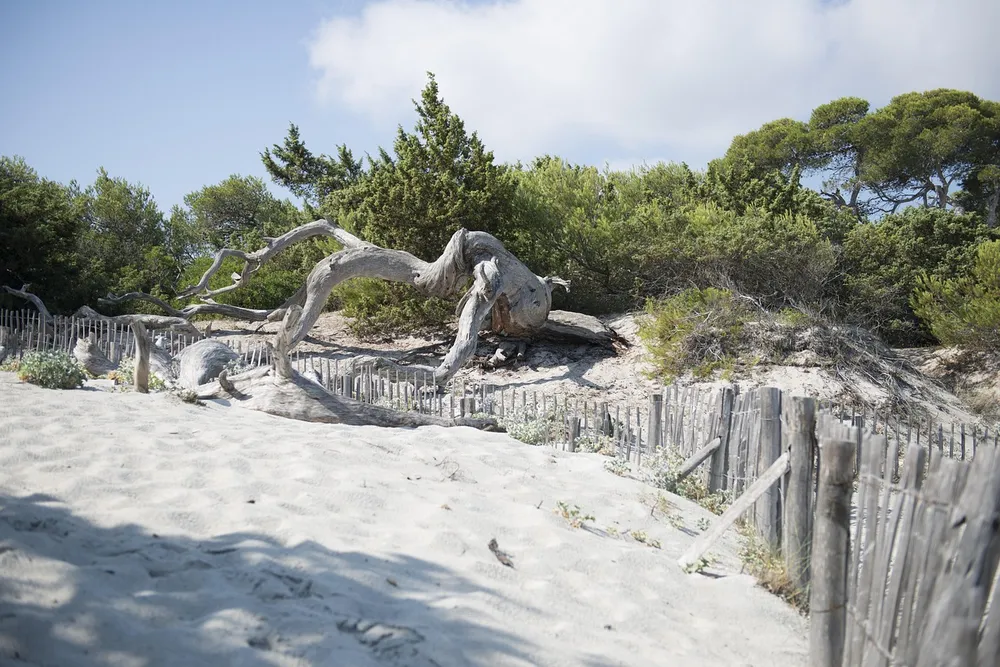 Photo : VokaGraphic / Pixabay
 Illustration
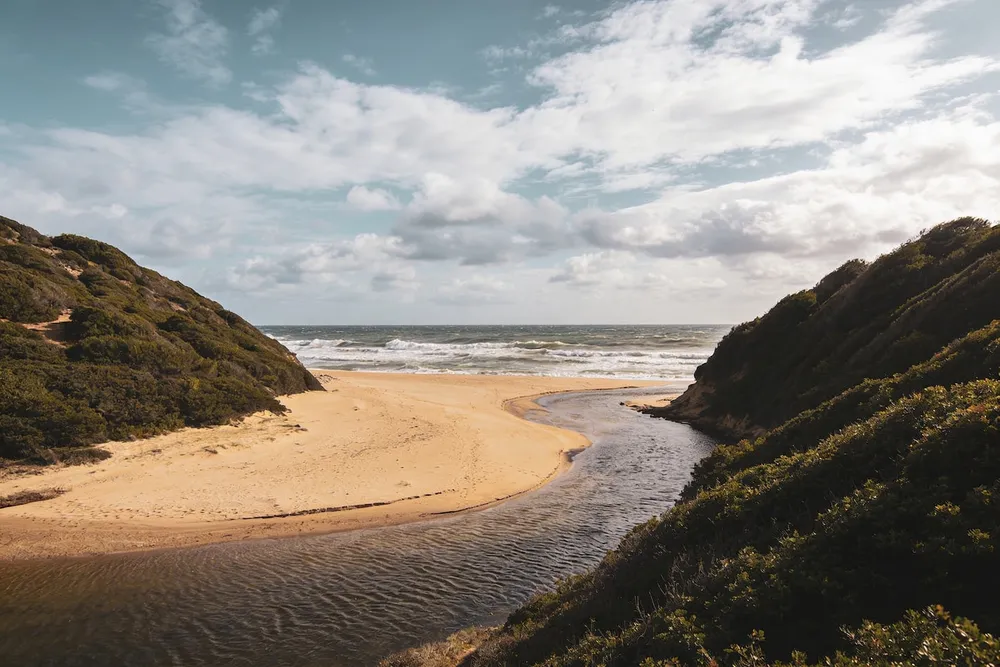
At the mouth of the Ostriconi, in the municipality of Palasca, about fifteen kilometres from L’Île-Rousse, the beach marks the western edge of the Agriates. You reach it on foot from the old road. It has lifeguards in season, but the waves become dangerous in strong winds (Agence du tourisme de la Corse).
 Illustration
In town, the beach runs along the seafront, a short walk from the centre (see visit L’Île-Rousse). About 1 km towards Calvi, in the municipality of Corbara, Bodri beach has lifeguards in season and is served by the little beach train; on windy days it draws windsurfers and kitesurfers. East of the town, Lozari beach runs for about 1.5 km of sand.
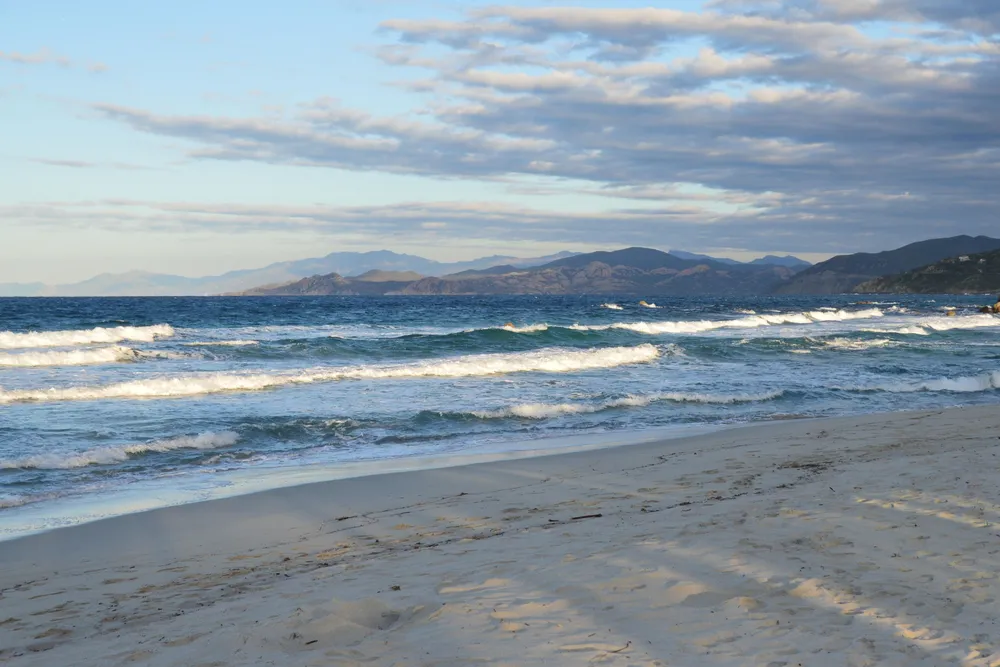 Photo : SlimMars 13 / Pexels
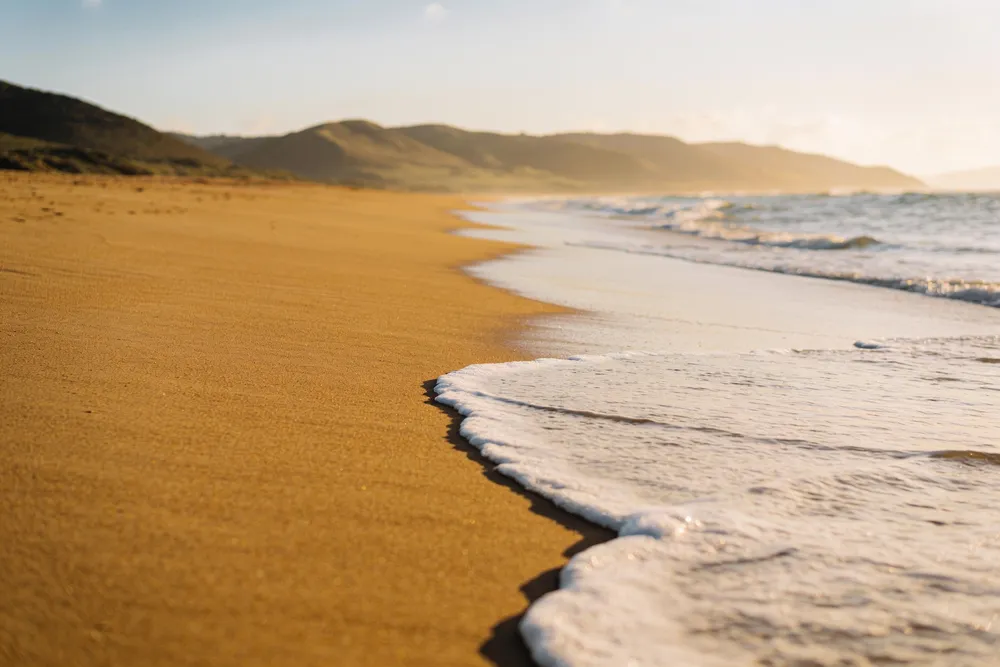
Between L’Île-Rousse and Calvi, Algajola beach stretches for 1.5 km below the fortified village. The little beach train stops here, which makes it one of the few beaches on the island you can reach without a car.
 Illustration
The main beach at Calvi runs for nearly 4 km along the pine wood, below the citadel. It has lifeguards from mid-June to mid-September, dogs are not allowed, and you pay to park in the pine wood car parks from 1 June to 30 September (Agence du tourisme de la Corse). See visit Calvi.
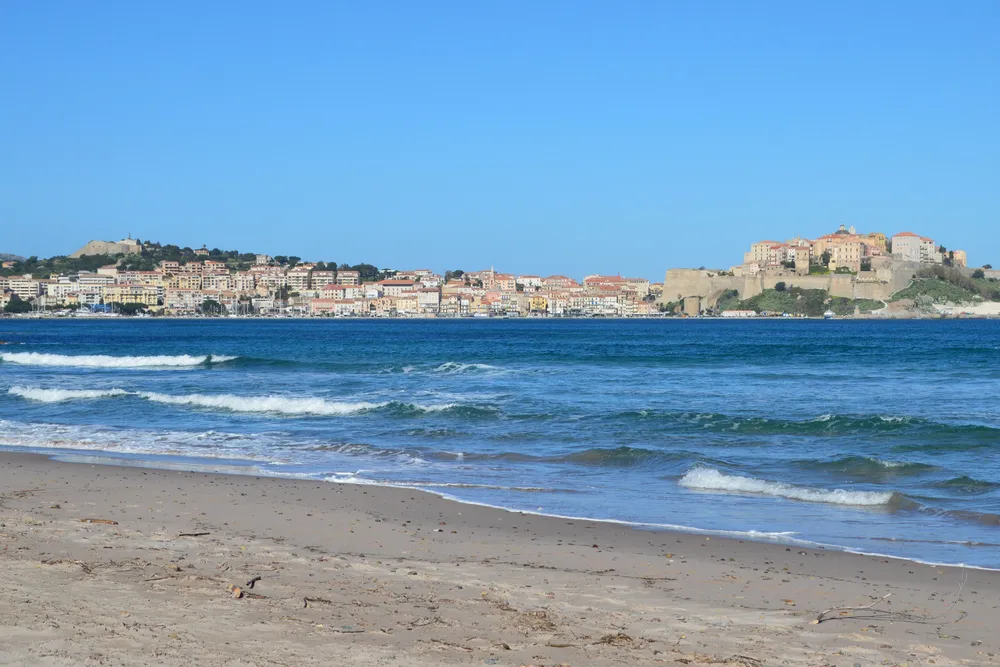 Photo : SlimMars 13 / Pexels
At the head of the Gulf of Porto, the beach at the harbour lies below the Genoese tower, facing the red cliffs. Further south, in the municipality of Piana, Arone beach has fine sand and clear water, with a view of Capo Rosso. The Gulf of Porto is part of the UNESCO World Heritage site: see visit Porto and the Calanques de Piana.
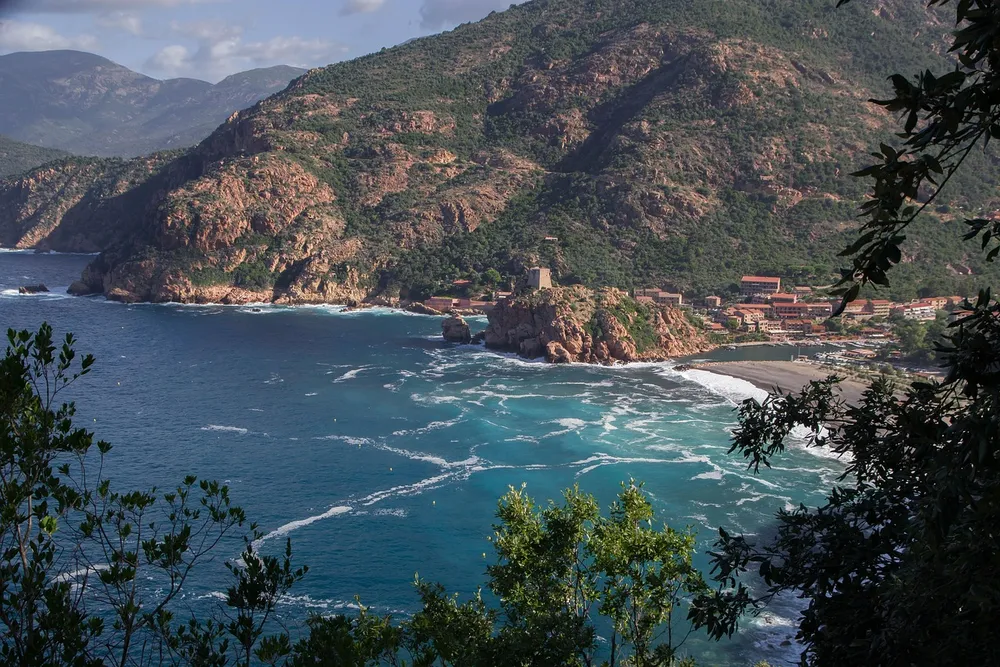 Photo : jackmac34 / Pixabay
Near Ajaccio, Capo di Feno has two beaches separated by a field, known to surfers: you can get there on Ajaccio bus line 5, and you should follow the flags, as the swell is strong. On the other side of the gulf, Isolella beach, near Porticcio, has a sheltered cove that suits young children and a large car park.
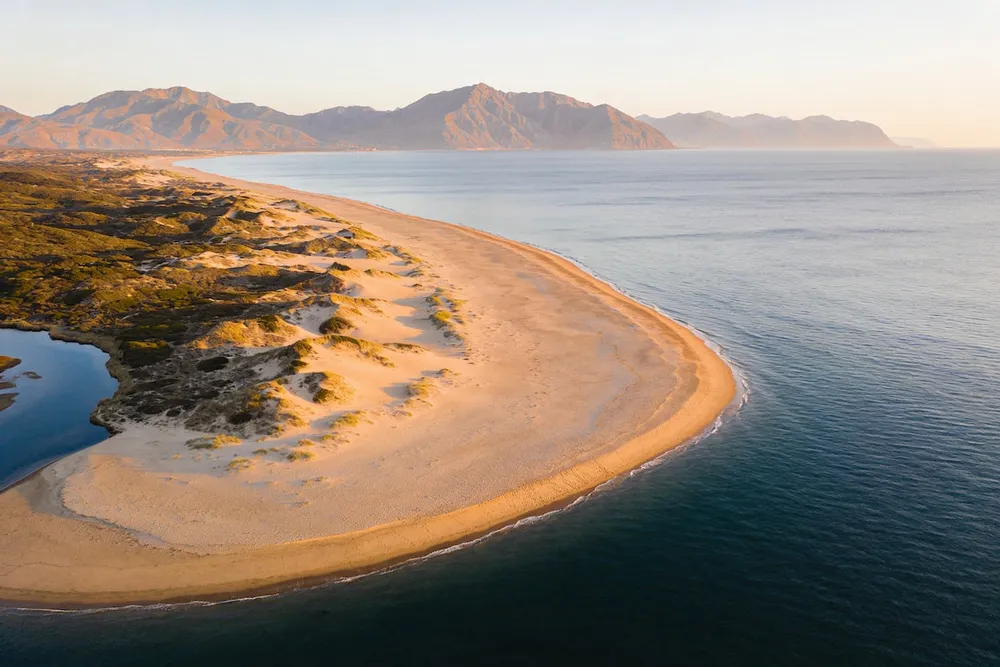
At the head of the Gulf of Valinco, near Propriano, Portigliolo has nearly 4 km of fine sand, wilder towards the mouth of the Rizzanèse. The sea quickly becomes dangerous when the waves are high.
 Illustration
On the north shore of the gulf, Cupabia (Serra-di-Ferro) is a fine sand beach popular with windsurfers, the starting point for paths waymarked by the Parc naturel régional. On the south shore, Campomoro is a sheltered, gently shelving bay below a Genoese tower, with lifeguards in July and August. See visit Propriano.
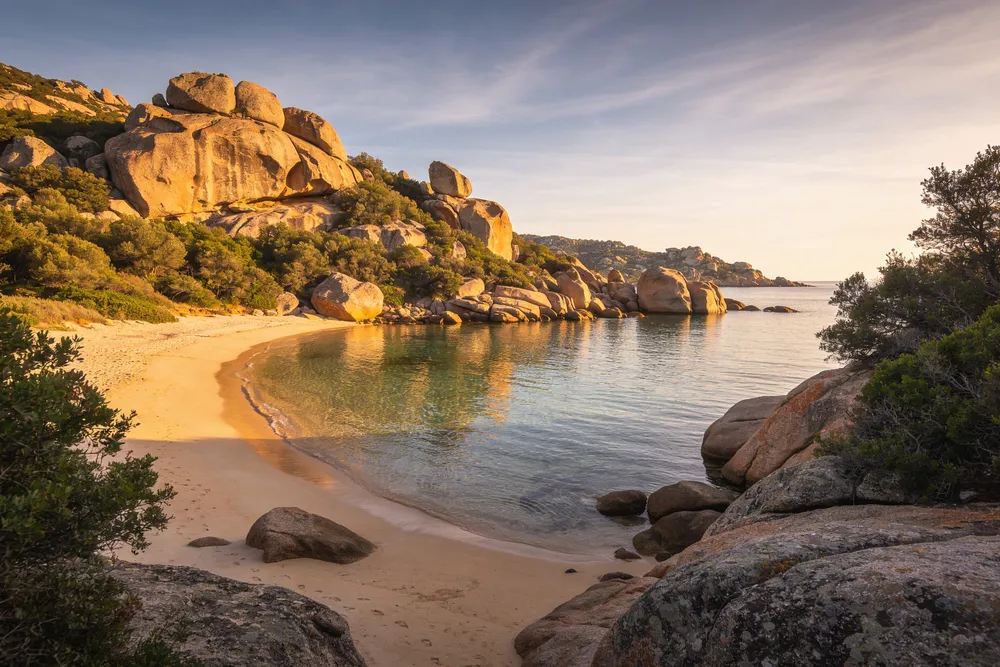
South of Sartène, you reach Tizzano by the RT40 and then the D48. The beach, at the end of the road, is family-friendly and very busy in summer, with a few shops. Further south, the bay of Roccapina lies below the Roccapina lion.
 Illustration
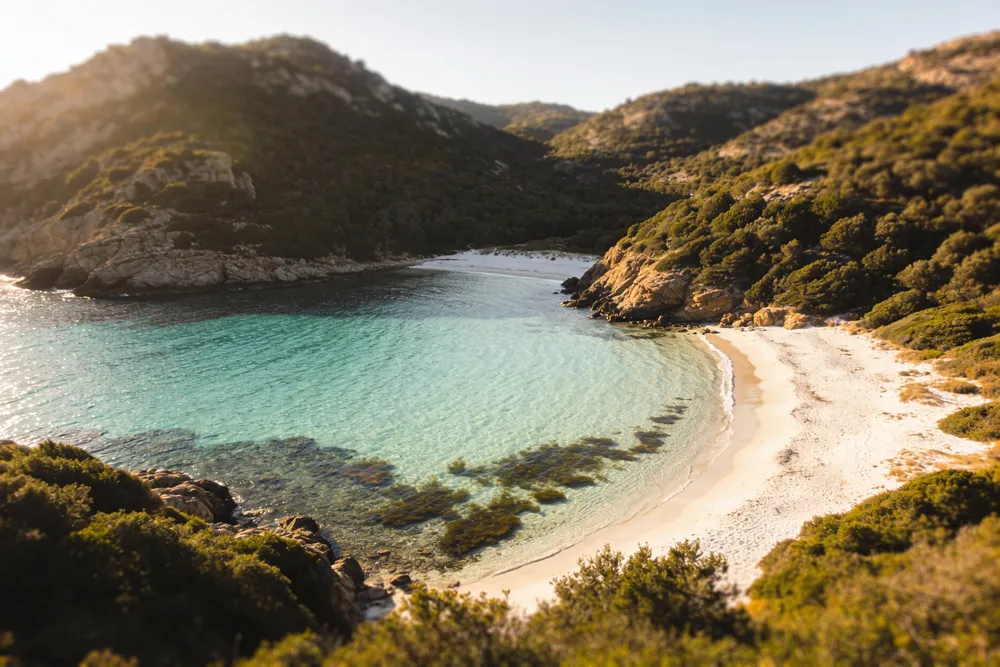
18 km north of Bonifacio towards Porto-Vecchio, including 7 km of narrow, winding road (the D158), Rondinara is a shell-shaped bay closed off by two headlands. The fine sand shelves gently. In summer the car park fills up early, and the beach is no-smoking. The seabed is covered with fragile seagrass: do not walk on it or drop anchor on it.
 Illustration
East of Bonifacio, Piantarella has no white sand but a shallow lagoon facing the island of Piana, very popular with windsurfers and wingfoilers. The posidonia banks there are protected. Landing on the island of Piana is discouraged, and prohibited from 15 December to 15 April. Just to the south, the beaches of Petit Sperone and Grand Sperone are within walking distance of each other. Offshore, the coves of the Lavezzi Islands can be reached by boat.
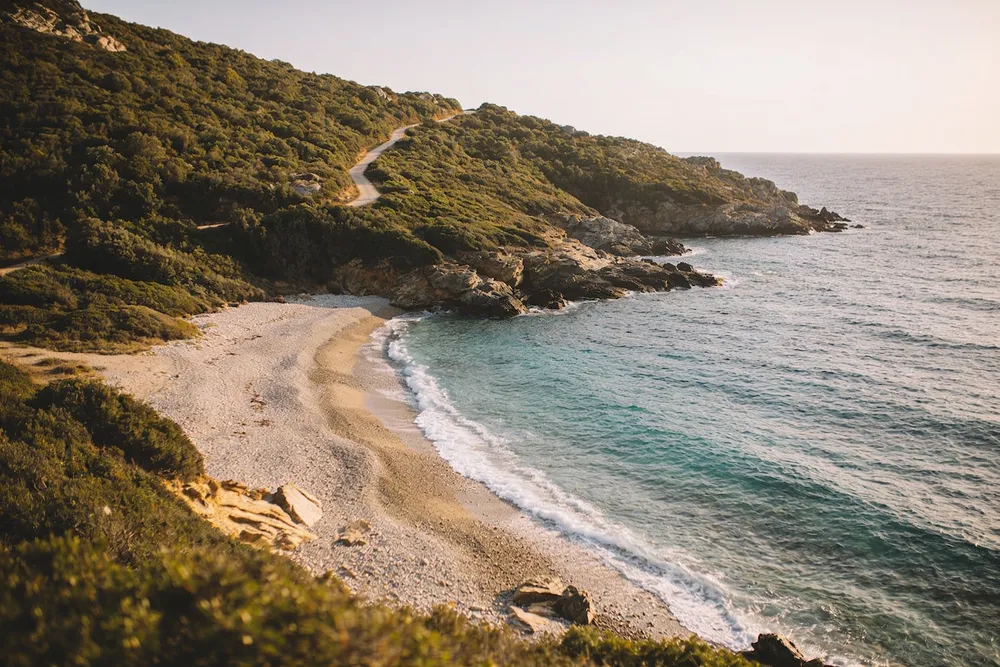
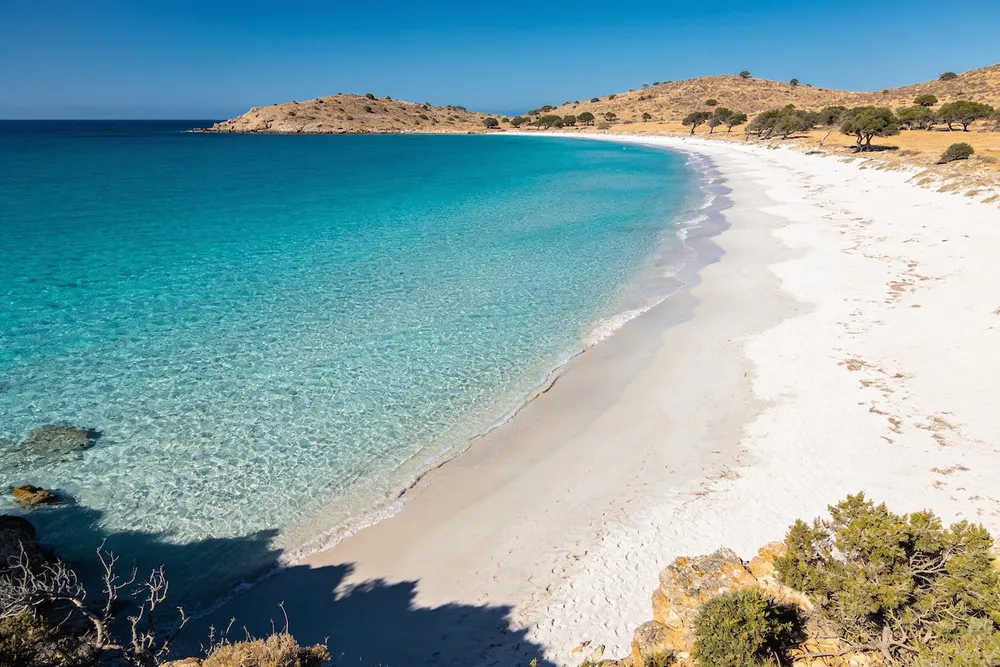
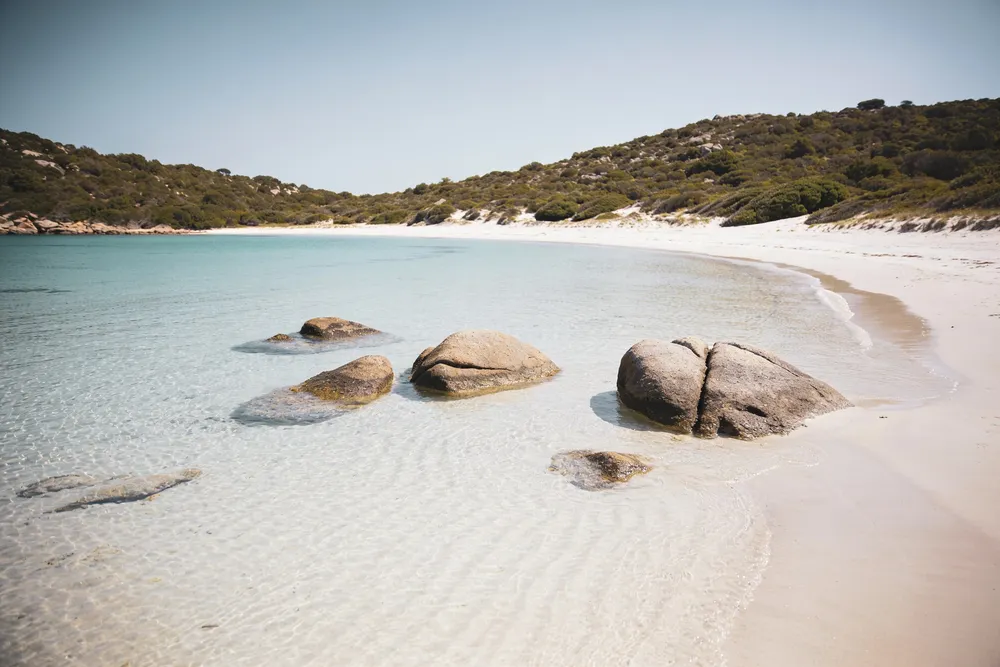
South of Porto-Vecchio, Santa Giulia is a white sand lagoon at the foot of the hills, with a watersports centre and facilities for people with reduced mobility. A little further north, Palombaggia has fine sand, red rocks, dunes and umbrella pines. Both are very busy in August: come early in the morning. See visit Porto-Vecchio.
 Illustration
North of Porto-Vecchio, the coast opens onto long sandy beaches such as Saint-Cyprien, in the municipality of Lecci. Further north, near Aléria, Padulone beach runs on from the mouth of the Tavignanu: fine sand, a car park, no lifeguards. The east coast is the most sheltered from the westerly wind and the least crowded, but it has little natural shade.