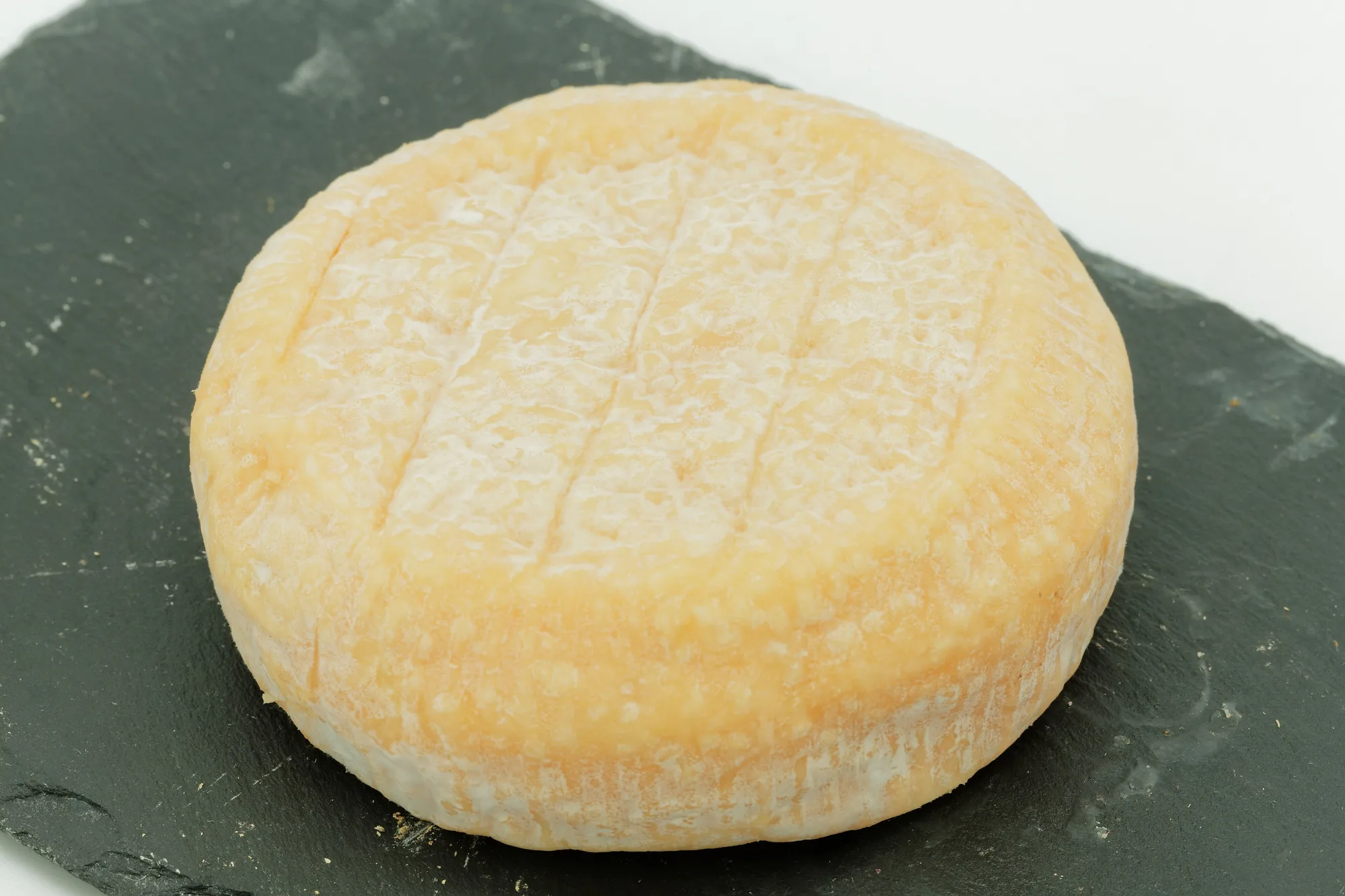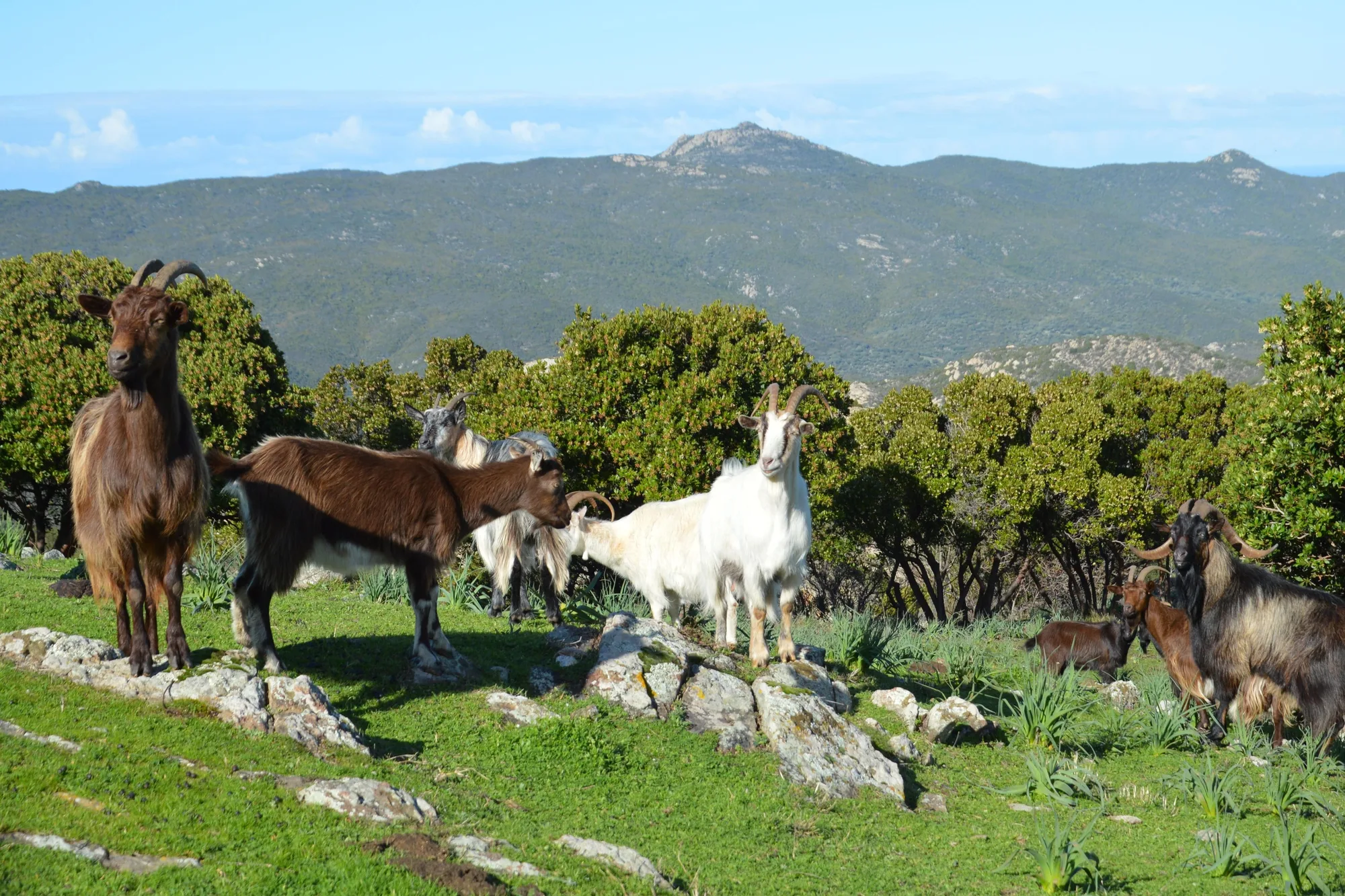
In Corsica, much of the livestock is raised outdoors, grazing on maquis and mountain land, and seasonal transhumance still takes place. Some farms have chosen organic certification.
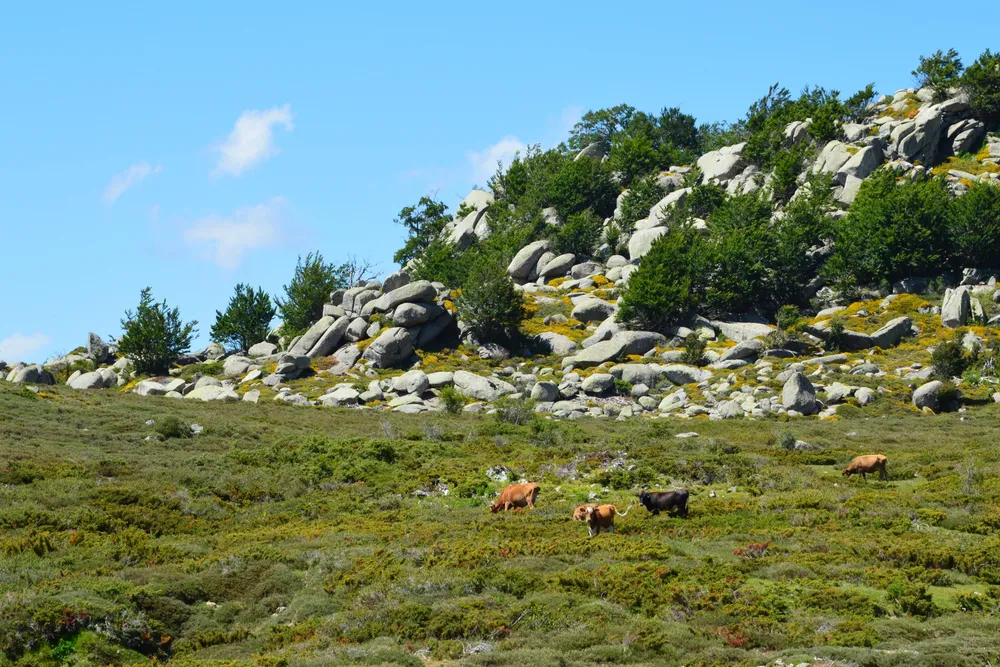 Photo : SlimMars 13 / Pexels
Organic farming in Corsica in figures
According to Agreste Corse (the Mémento of December 2025, using Agence BIO data for 2024 and including farms in conversion), the organic sector includes:
- 262 farms growing fodder crops, on 24,752 ha;
- 313 fruit farms, on 2,985 ha, including nuts (1,510 ha) and citrus fruit (599 ha);
- 123 wine estates, on 2,127 ha;
- 99 fresh vegetable farms and 91 growing aromatic, medicinal and perfume plants;
- 107 suckler cattle farms;
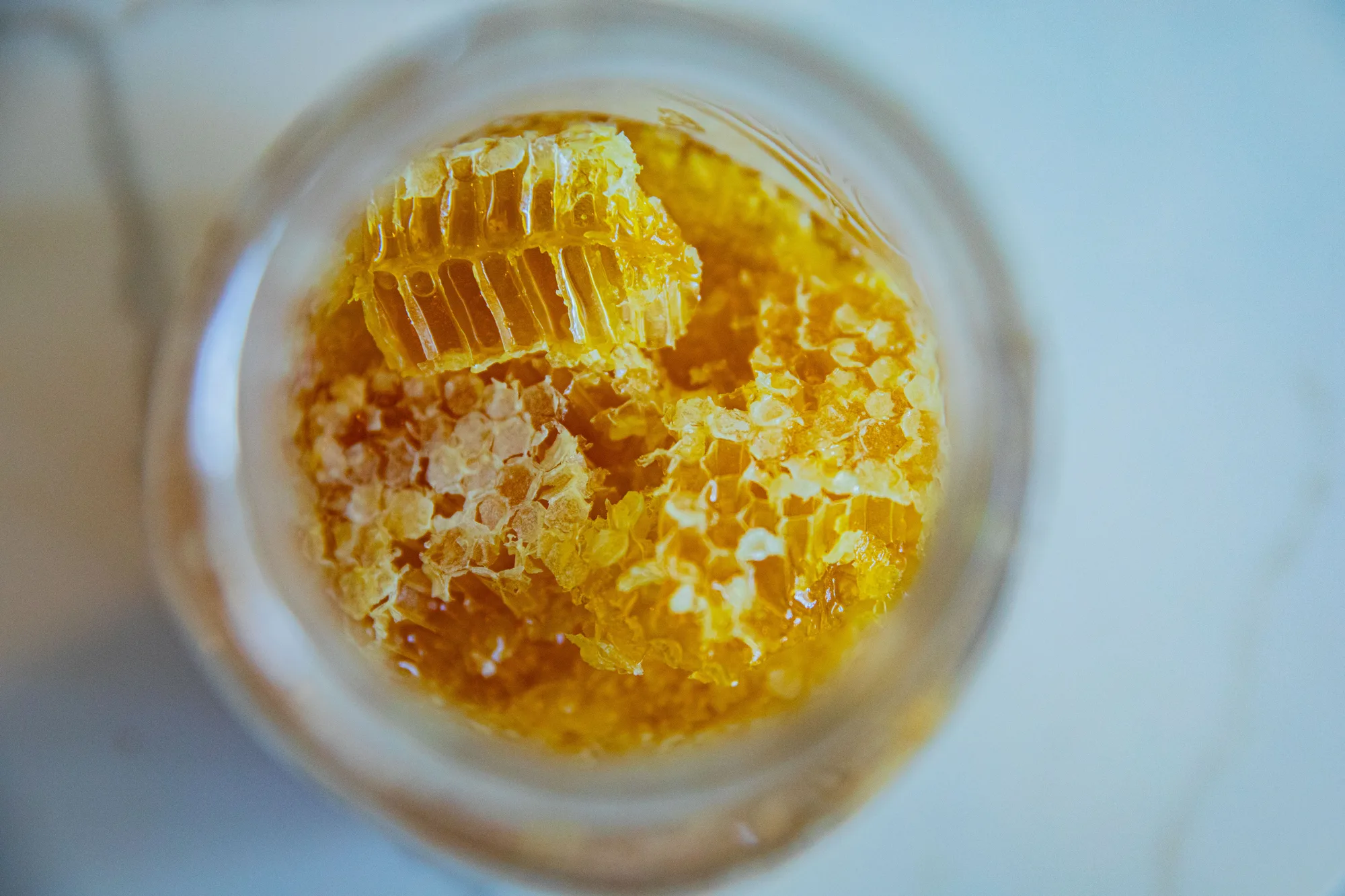
- 2,223 beehives.
The island’s organic producers belong to the association Inter Bio Corse.
What the organic label guarantees
Organic farming follows an EU regulation: organic feed and access to the outdoors for animals; no synthetic chemical fertilisers or synthetic pesticides on crops; crop rotation. The detailed rules are set out by the INAO (the French body for quality and origin labels).
How to recognise an organic product
- The EU logo (a leaf of stars on a green background) is compulsory on pre-packed organic products sold in the European Union.
- The certification body’s code, in the form FR-BIO-XX, must appear on the label.
- The French AB logo is optional: it may appear alongside the EU logo.
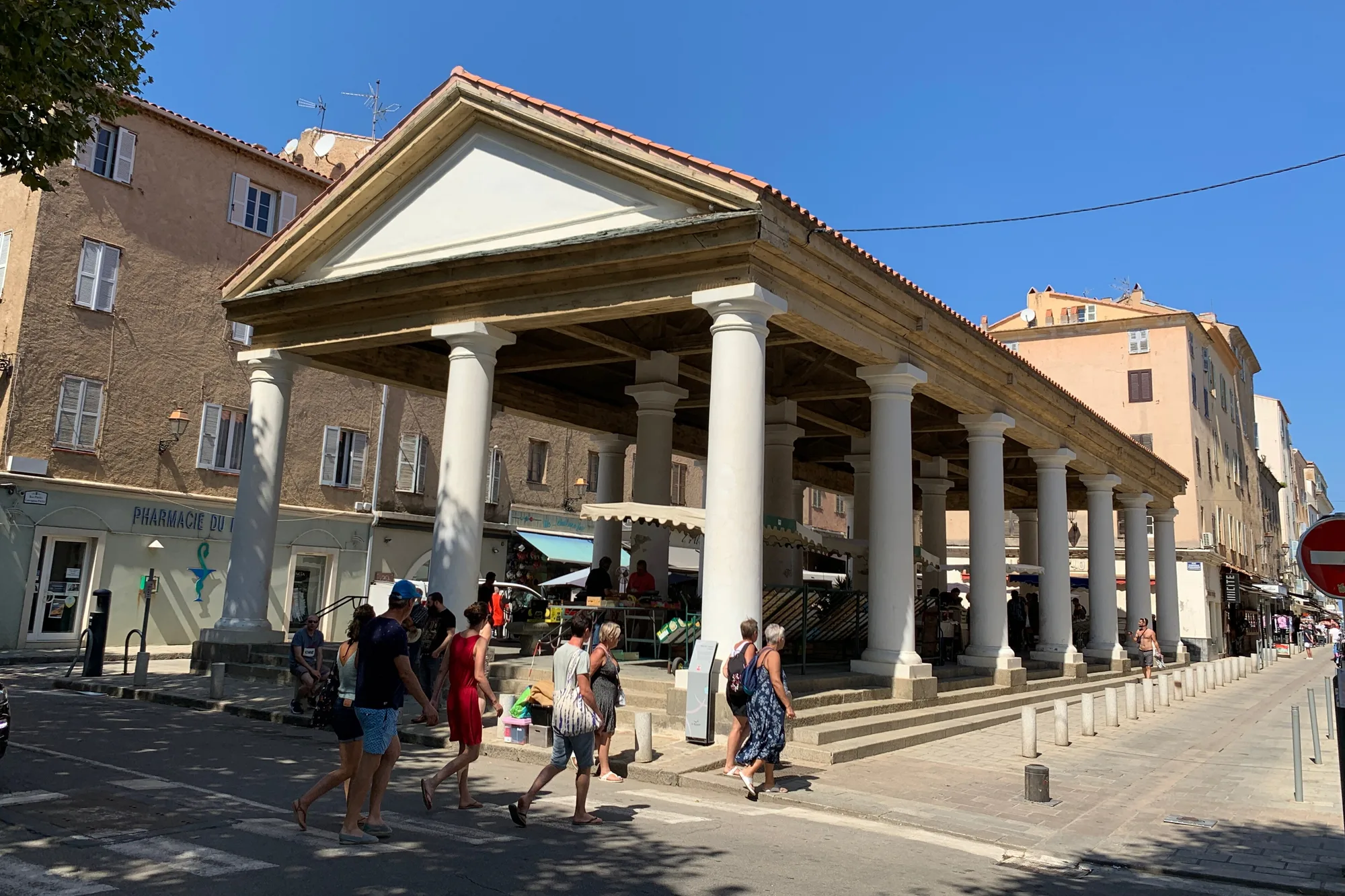
At markets, ask to see the producer’s certificate: see markets in Corsica.
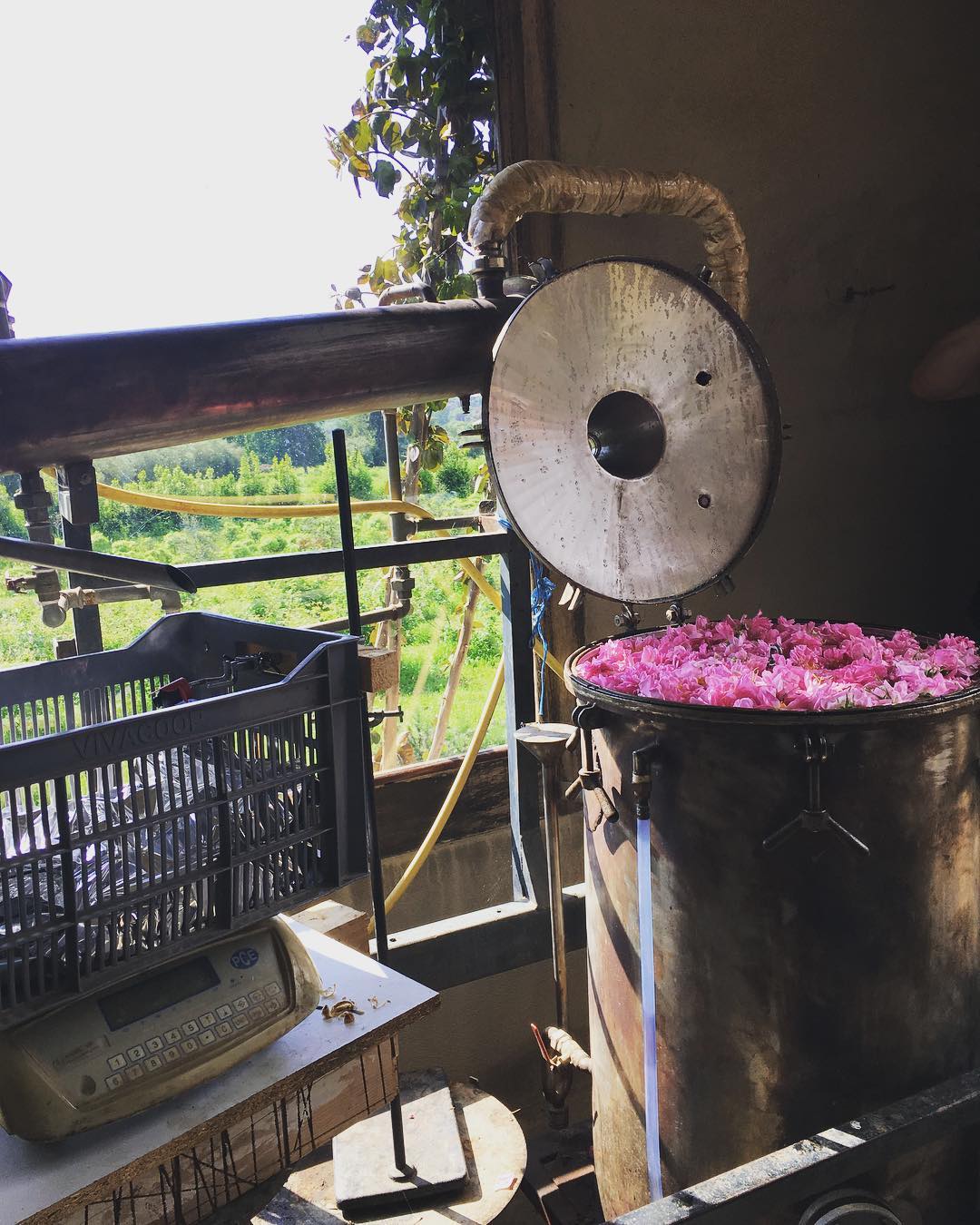
Aromatic, medicinal and perfume plants also have organic farms, particularly for essential oils.