The chestnut long fed the villages of inland Corsica, and its flour is still a staple of the island’s cooking.
PDO Corsican chestnut flour
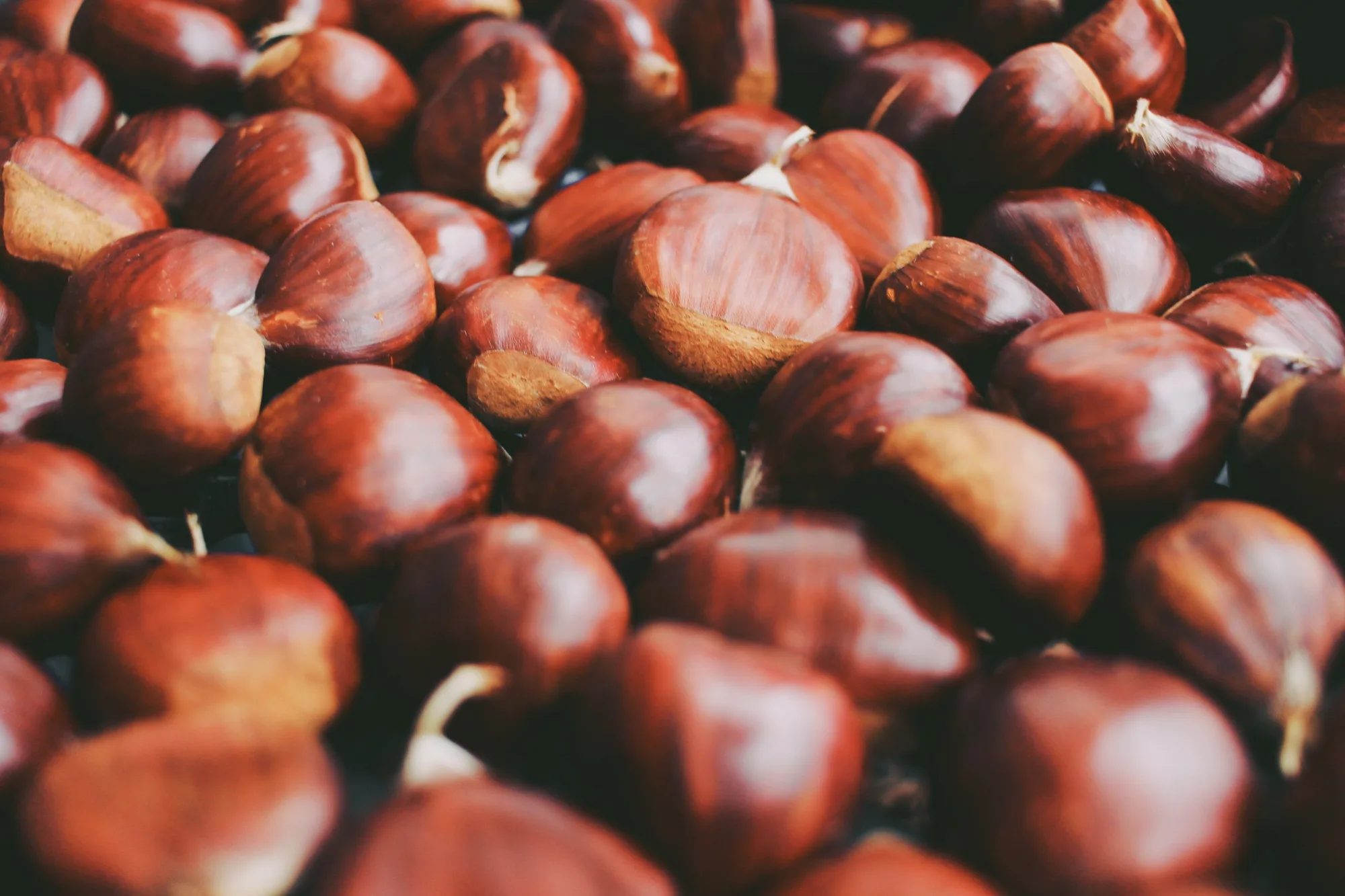
Since 2010, “Farine de châtaigne corse - Farina castagnina corsa” has been a protected designation of origin (PDO, AOP in French). According to the INAO (the French body for quality and origin labels), it comes from old local varieties grown in the mountains and high valleys, on acid soils, between 400 and 1,200 m above sea level. The chestnuts are dried, then ground between two millstones, without chemical treatment. The flour ranges from creamy white to russet and is often sold vacuum-packed.
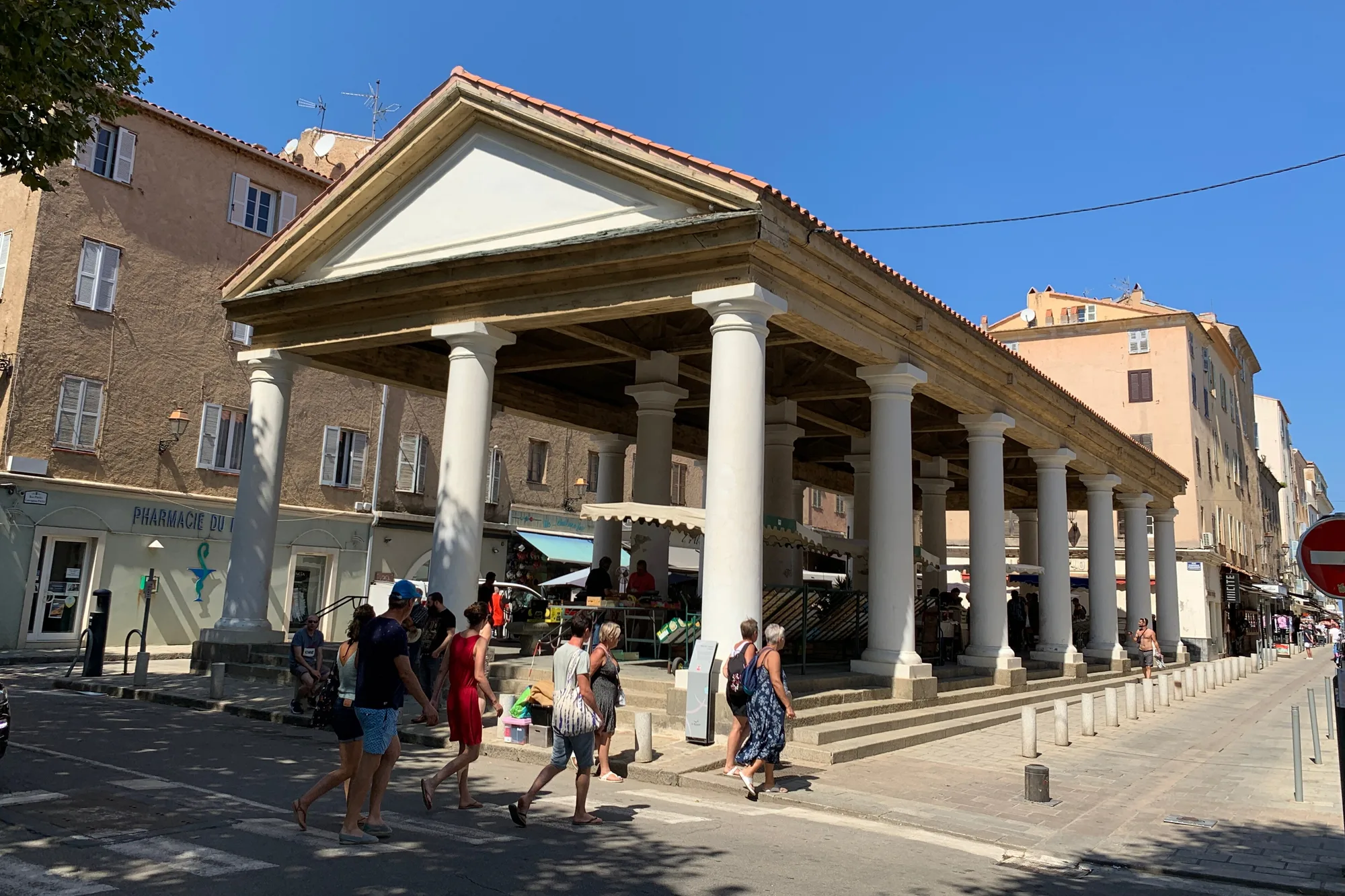
It is used for pulenda (a chestnut-flour polenta) and fritters, and can replace wheat flour in bread, pasta, pancakes and cakes. Chestnut fairs, such as the one in Bocognano in early December, are the best place to buy it from the producer.
Cakes made with chestnut flour
Pisticcini
Small flat fritters made from chestnut flour, water and salt, cooked in an oiled frying pan. They go by other names in other parts of the island.
Chestnut flour flan
A flan made a little thicker than usual, with chestnut flour added.
Corsican chestnut flour cake
A yoghurt cake recipe, with chestnut flour in place of wheat flour.
Other Corsican cakes
Ambrucciata
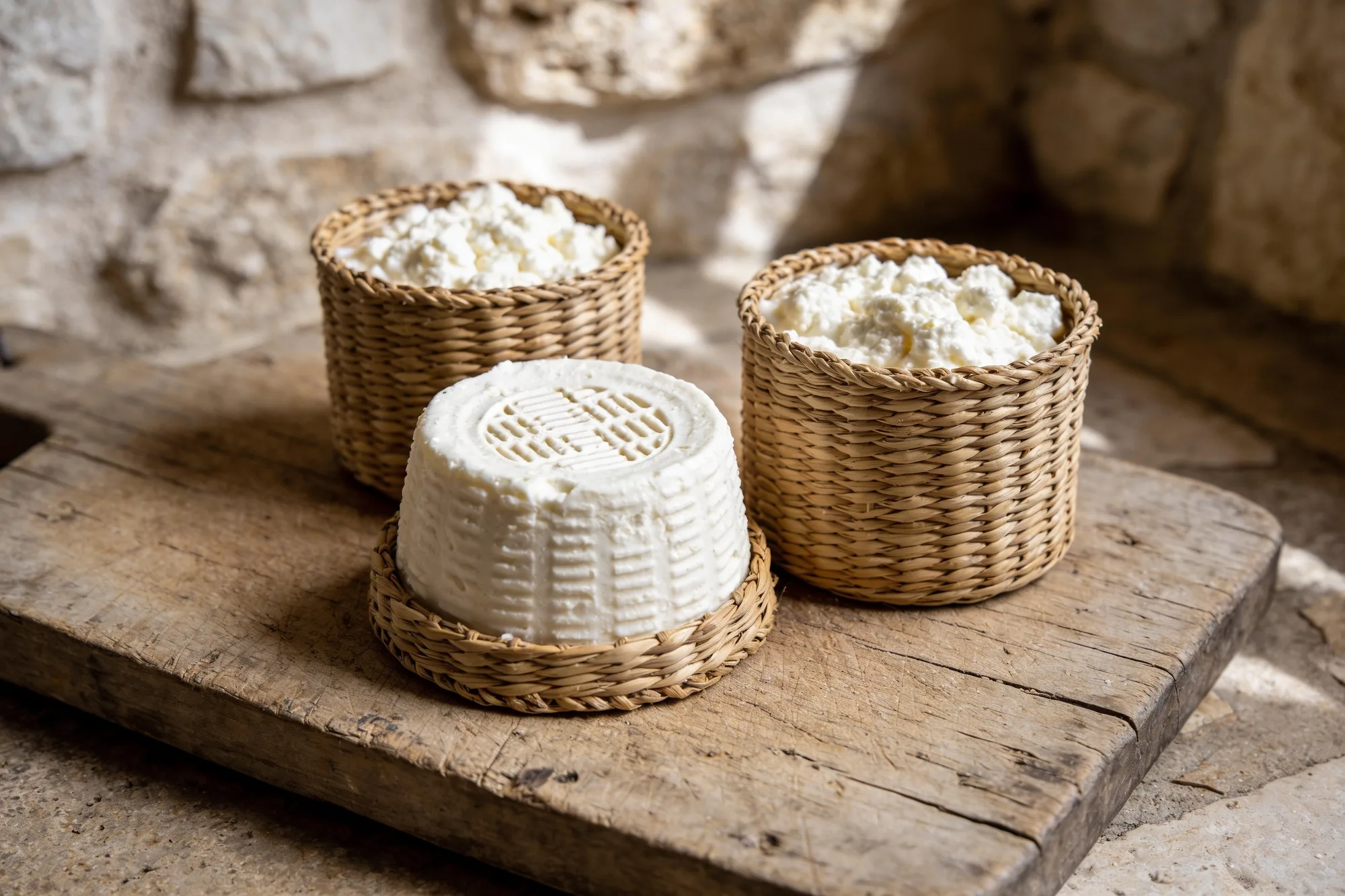
A small brocciu tartlet.
Fiadone
A crustless cake made with brocciu, eggs, sugar and lemon. The recipe is on our page about brocciu.
Caccavellu
A ring of aniseed-flavoured dough with hard-boiled eggs baked into it. It is made mainly for Easter.
Frappes
Somewhere between a fritter and a biscuit: strips of dough fried in oil and dusted with sugar.
Canistrelli
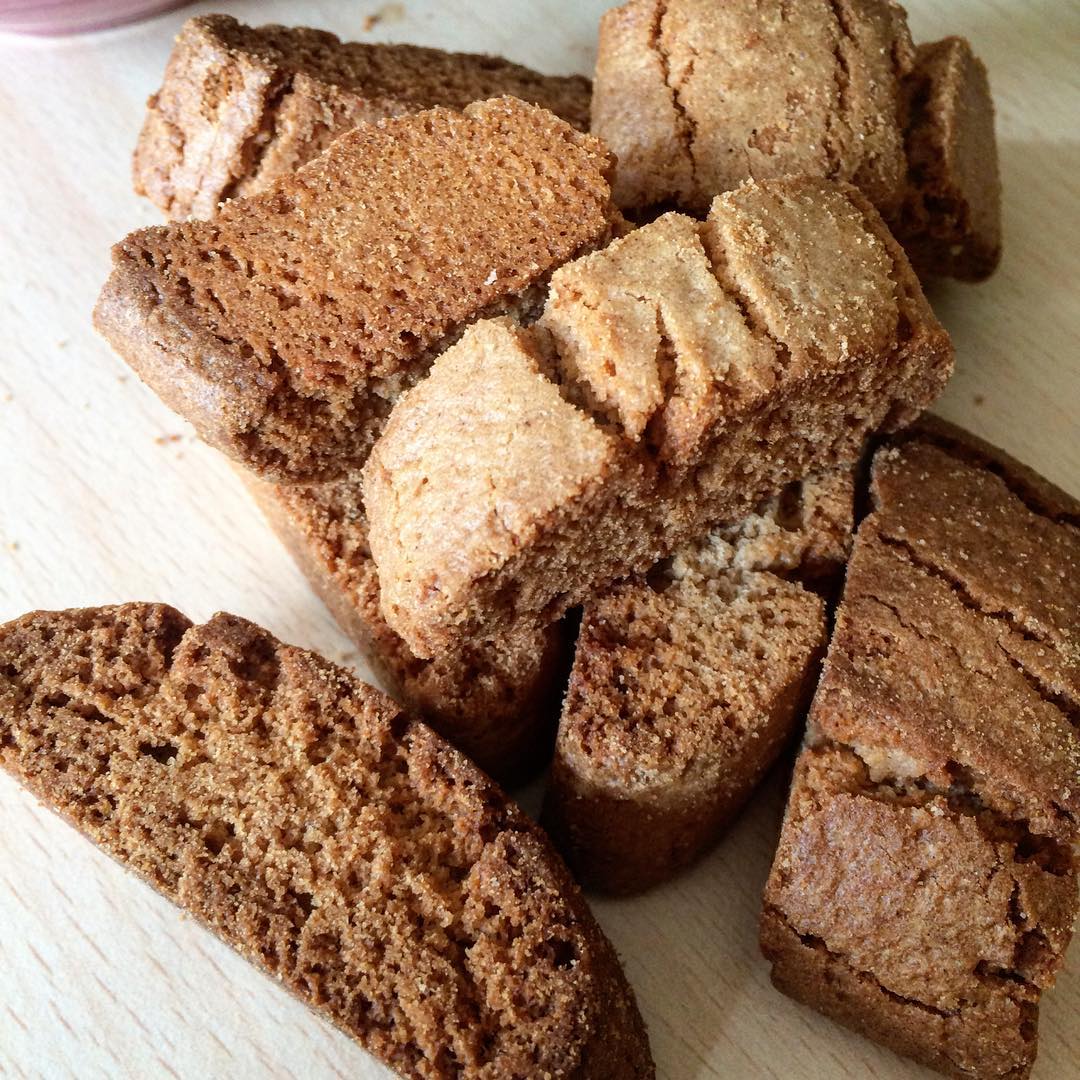
Dry biscuits, flavoured with white wine or aniseed according to the recipe of the Agence du tourisme de la Corse (the Corsica tourist board), with variations from one area to another.