
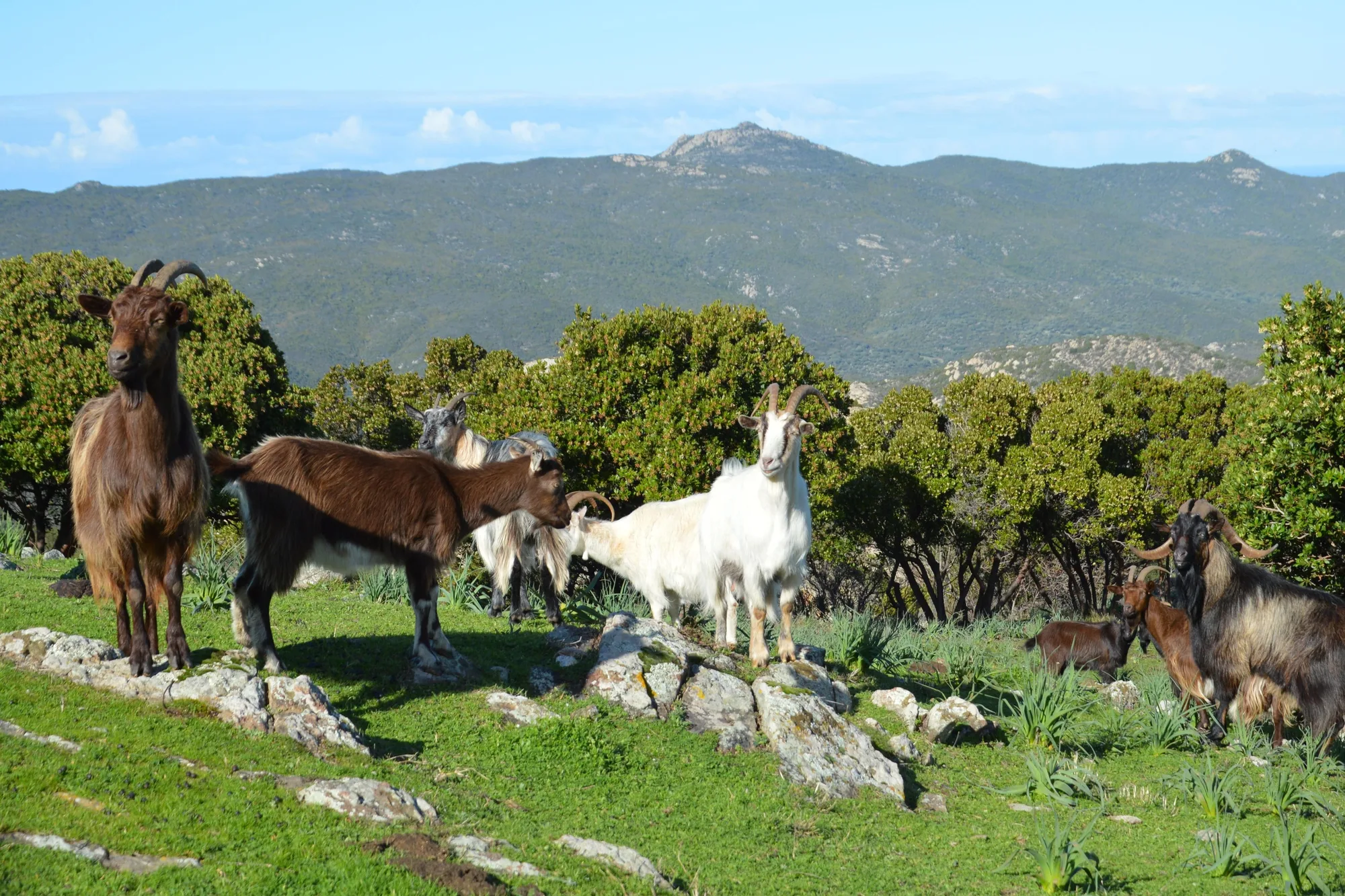
Organic farming in Corsica
Free-range livestock, vineyards, citrus fruit and hazelnuts: how much organic farming there is in Corsica, and how to recognise an organic product.

Brocciu, charcuterie from nustrale pigs, appellation wines and PDO honey: Corsican cooking starts with the island’s own produce. Our guides explain what to taste, where to buy it and how to recognise it.
Free-range livestock, vineyards, citrus fruit and hazelnuts: how much organic farming there is in Corsica, and how to recognise an organic product.
Sparkling Orezza water, beer brewed with chestnut flour, the island’s own whisky and maquis liqueurs: what people drink in Corsica.
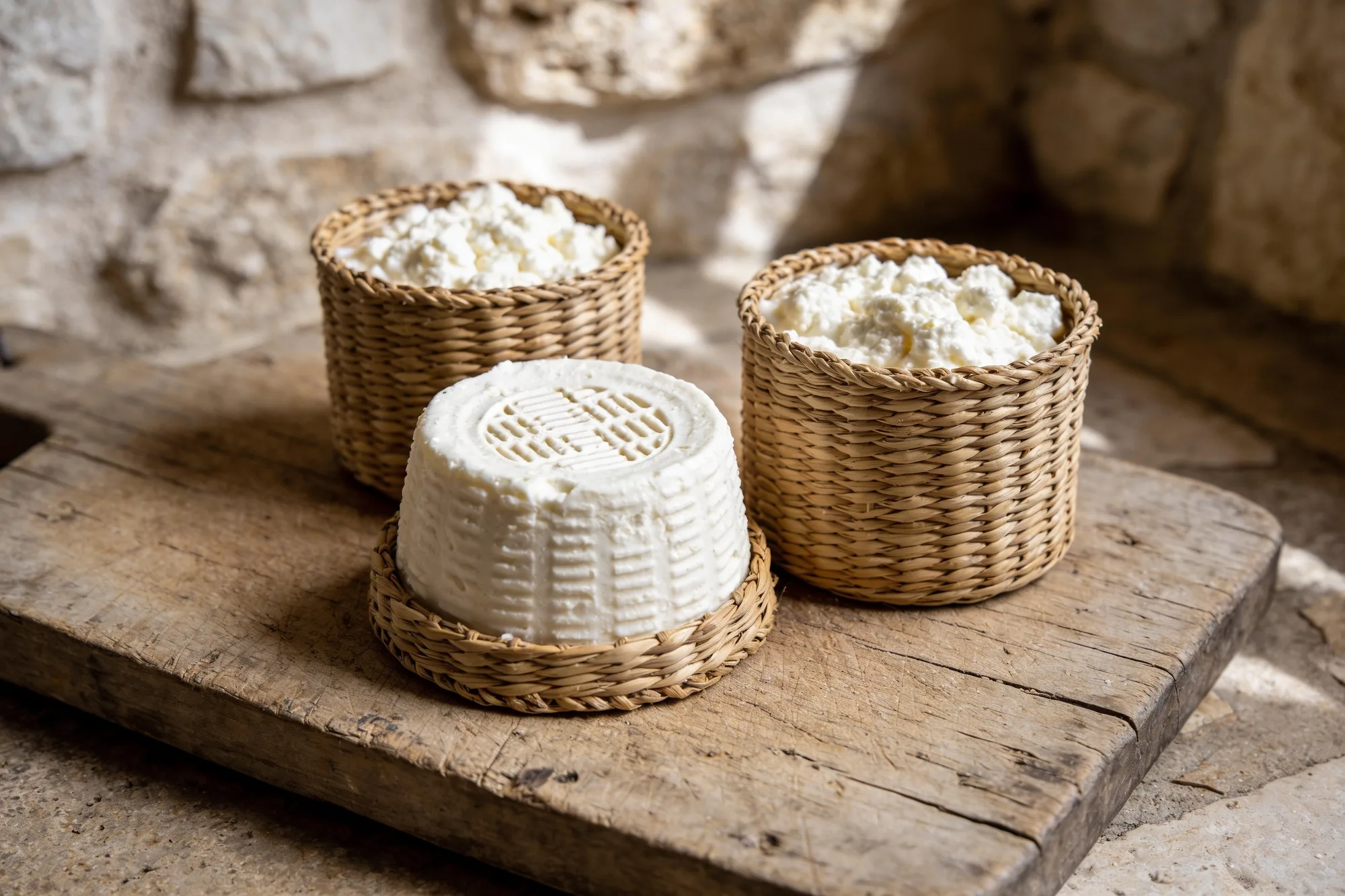
Brocciu is made from ewe’s or goat’s milk whey. It is eaten fresh in both sweet and savoury dishes, from omelettes to fiadone.
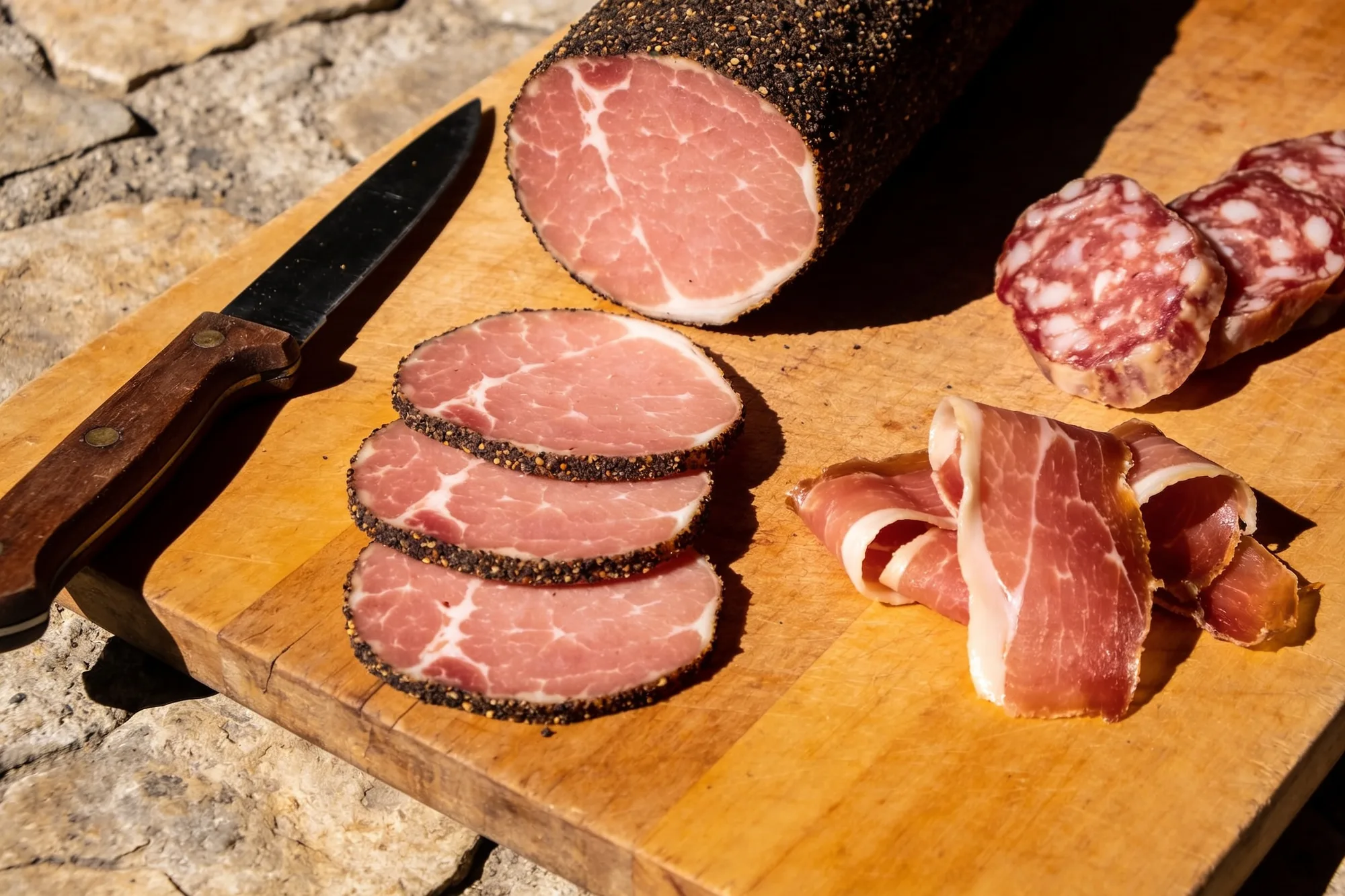
Prisuttu, lonzu, coppa, figatellu: Corsican charcuterie has its own appellations. Here is what they guarantee and how to recognise them.
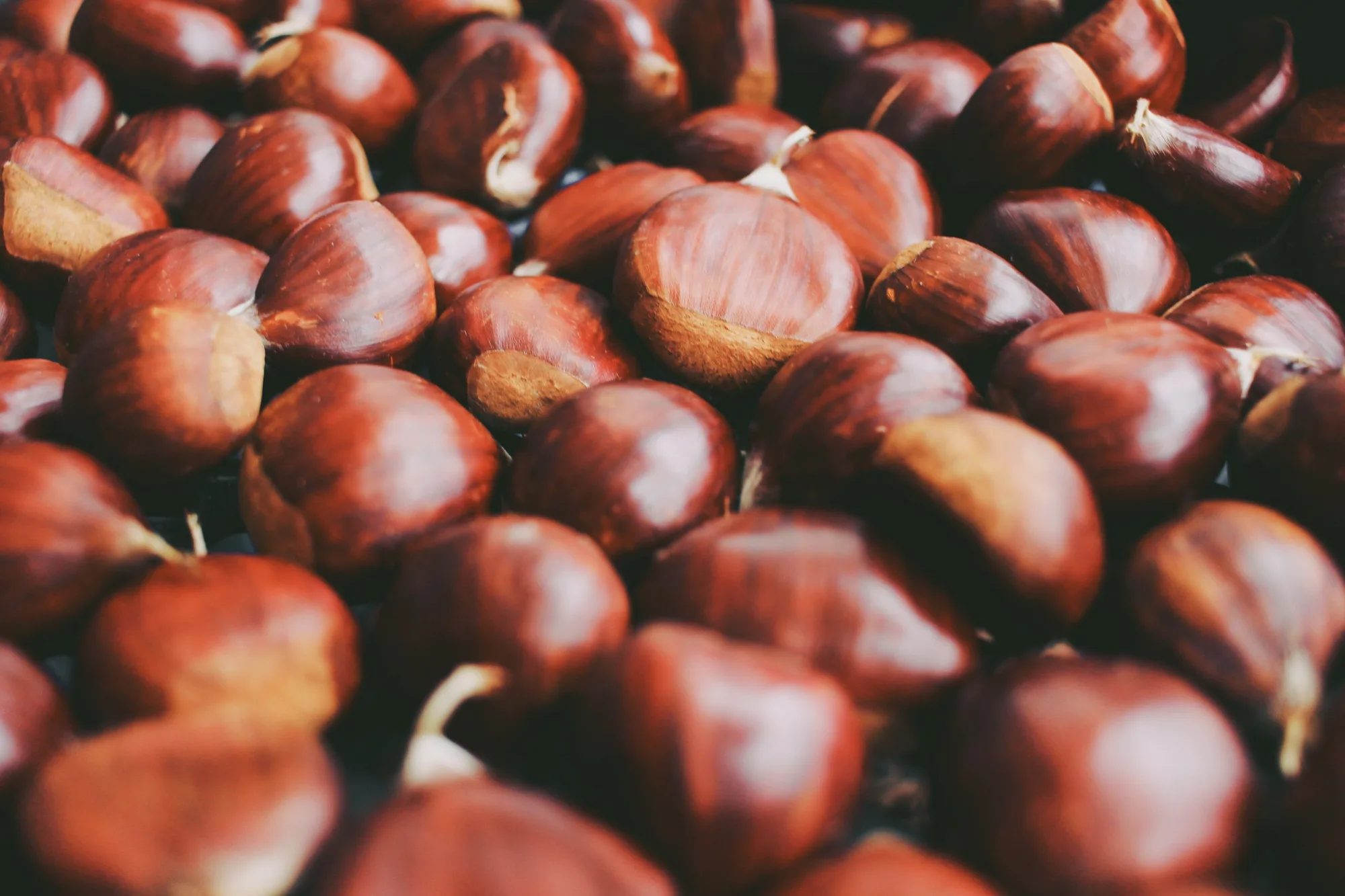
Ground between millstones, Corsican chestnut flour has been a PDO since 2010. It is used for pulenda, fritters and many cakes.
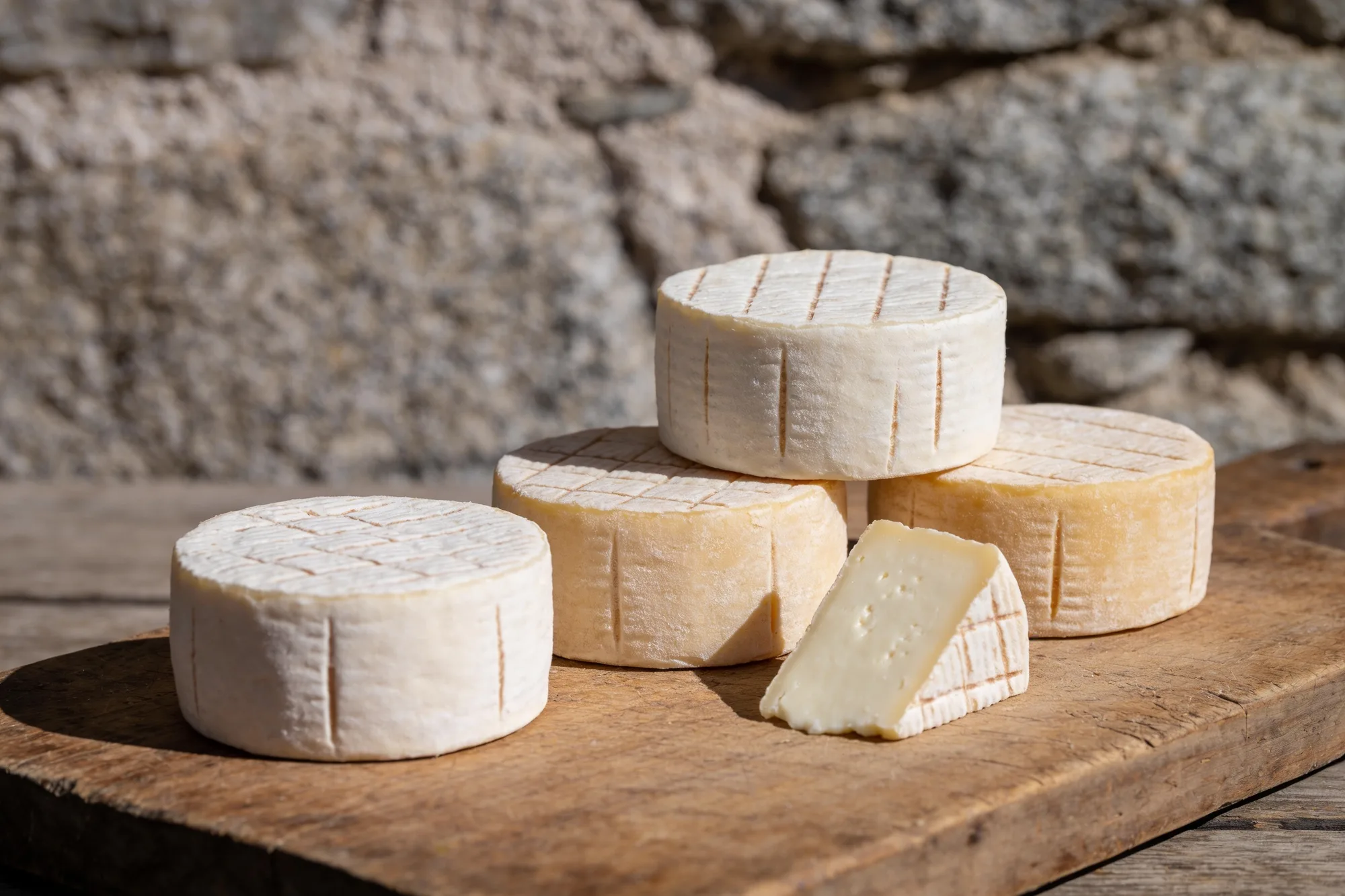
As famous as the island’s charcuterie, Corsican cheese comes as PDO brocciu and as farmhouse tommes made from ewe’s and goat’s milk, each tied to its own area.
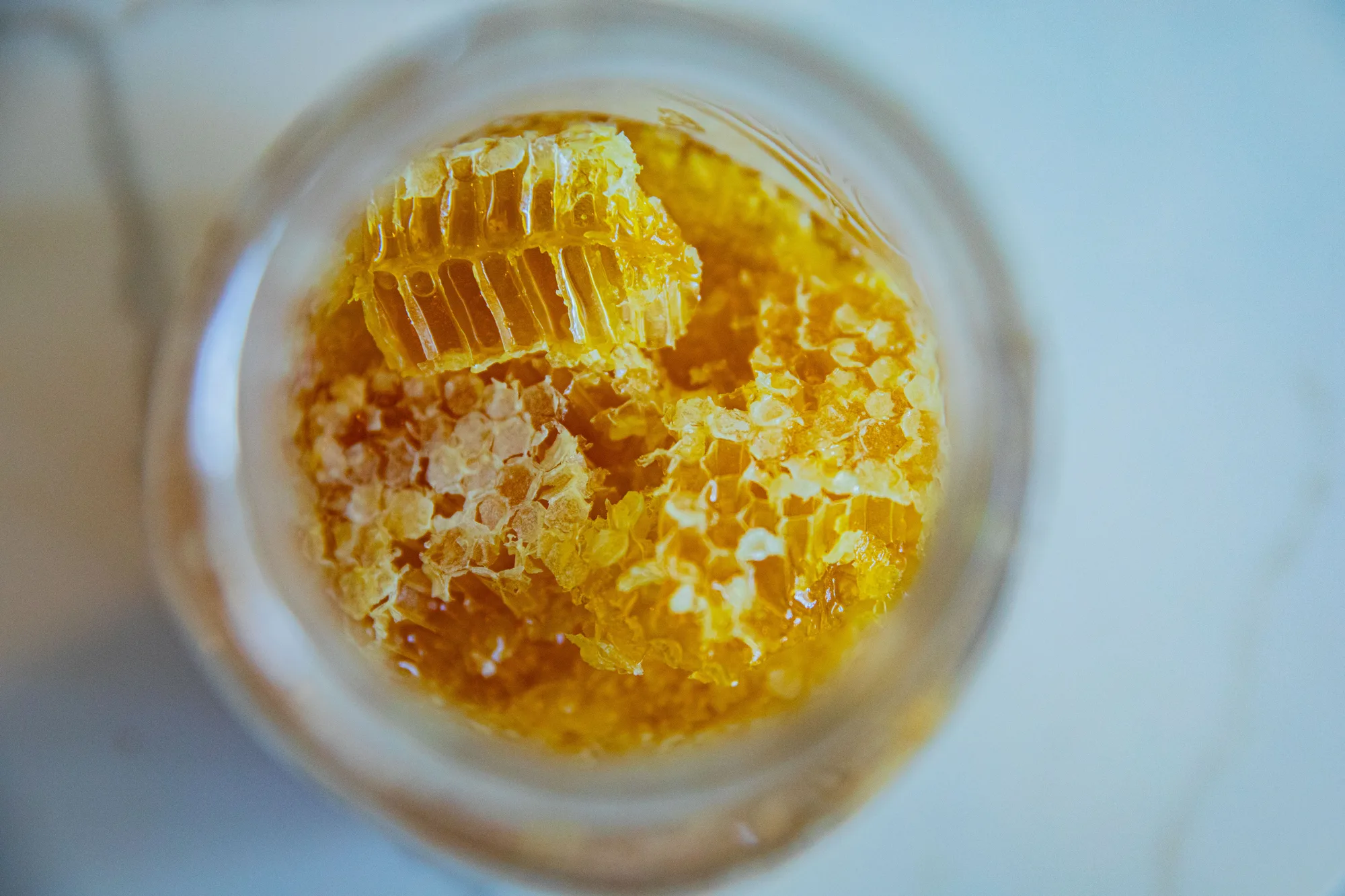
Corsican honey has had its own appellation since 1998. Six honeys, from spring to the autumn maquis, reflect the island’s flora.
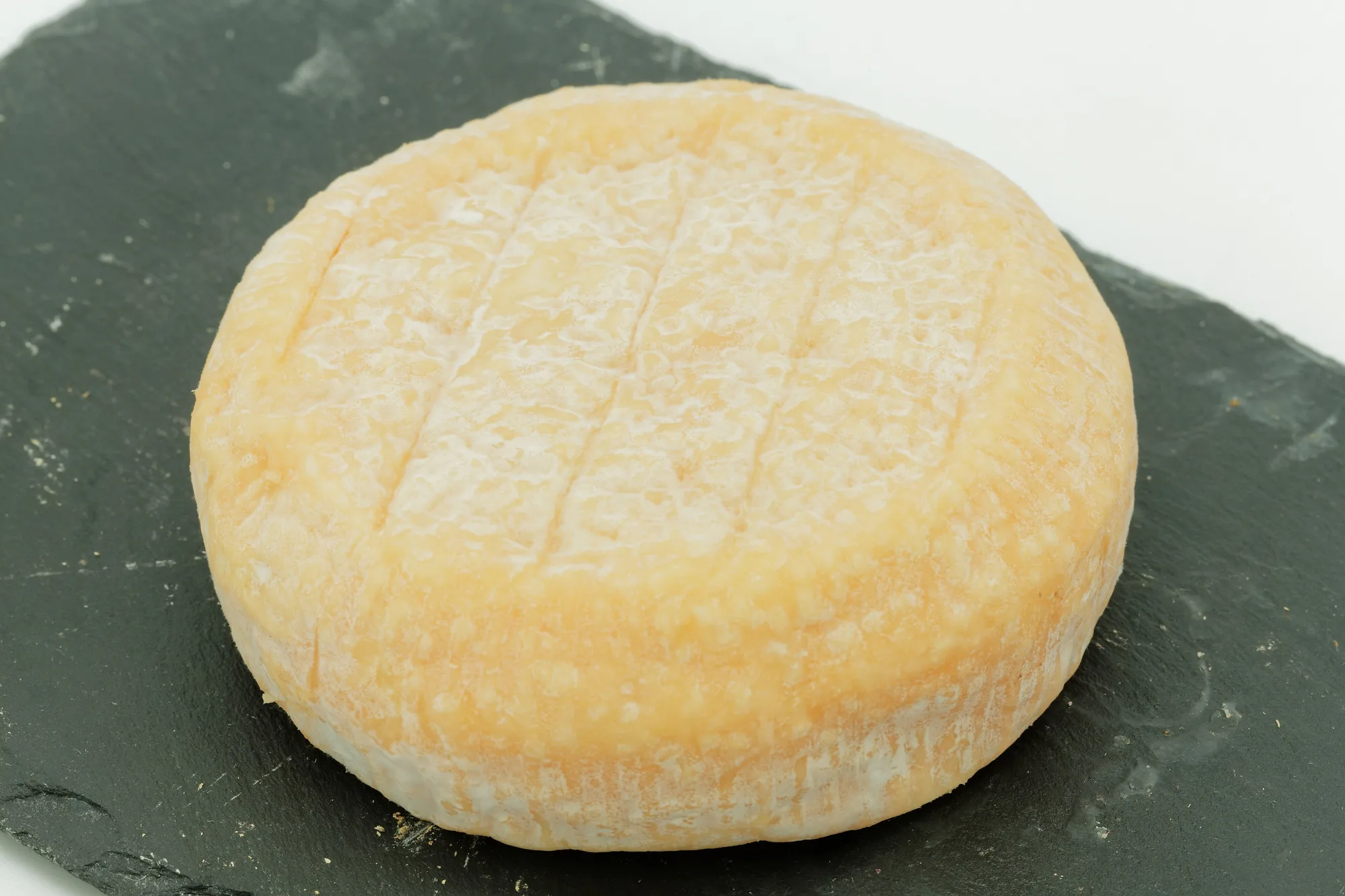
Dishes to try, Corsican produce with a protected name and a basket of things to take home, provided you check the label.
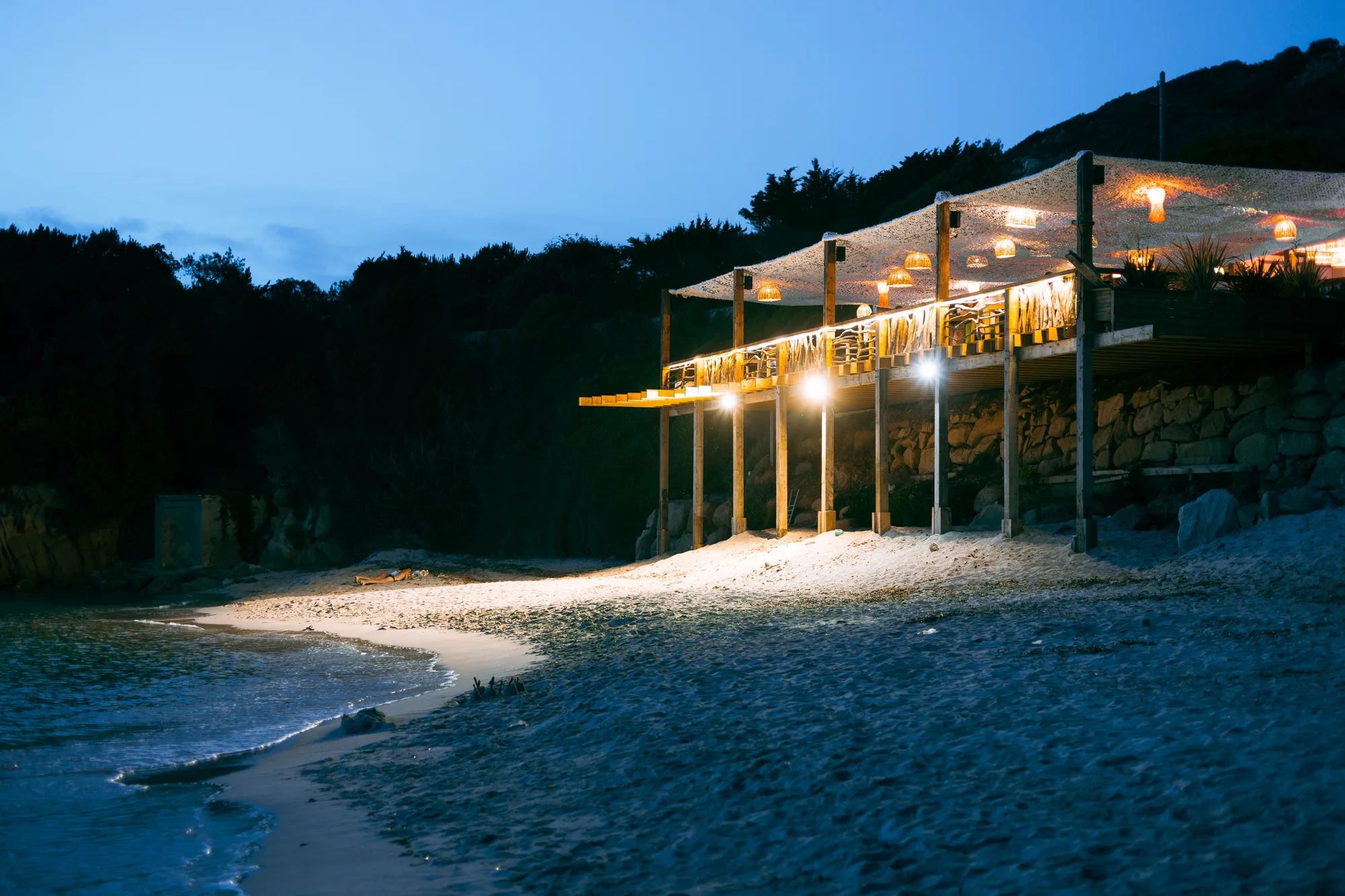
What to order in a Corsican restaurant, in which season, and a few pointers for spotting a kitchen that cooks with island produce.
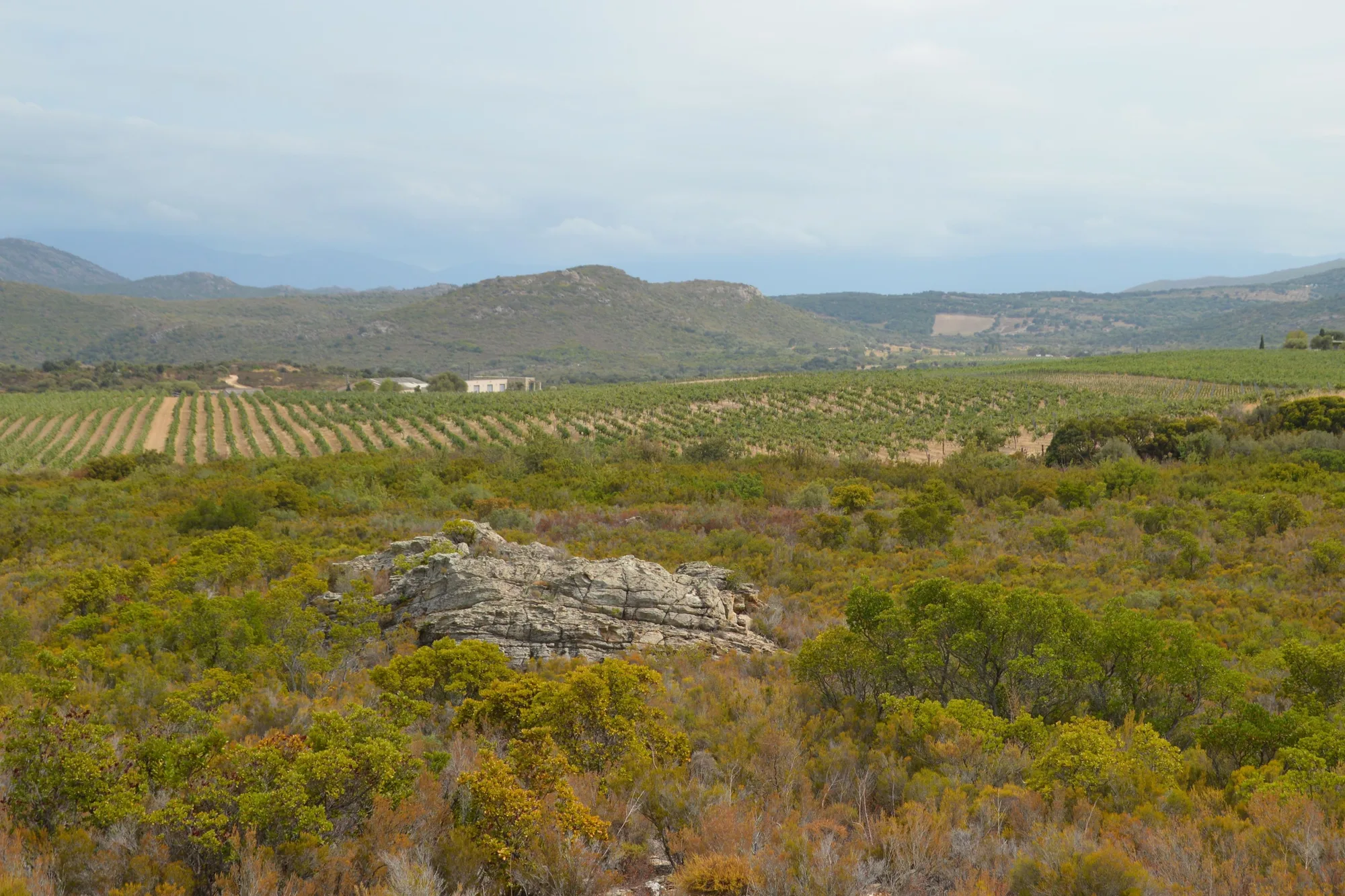
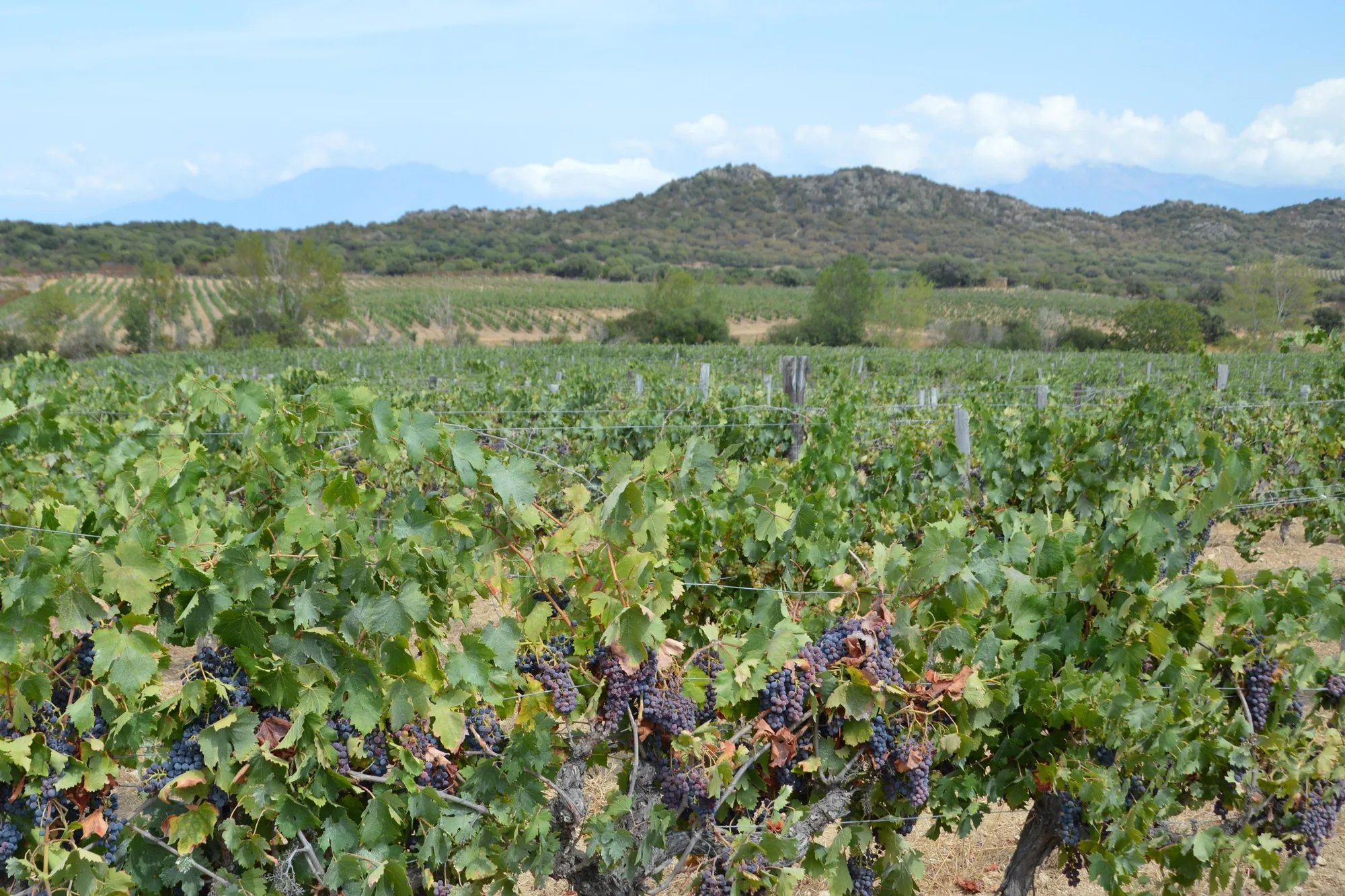
Patrimonio, Ajaccio, Vin de Corse, Muscat du Cap Corse: the island’s appellations, their areas and their grapes, nielluccio, sciaccarello and vermentino.