

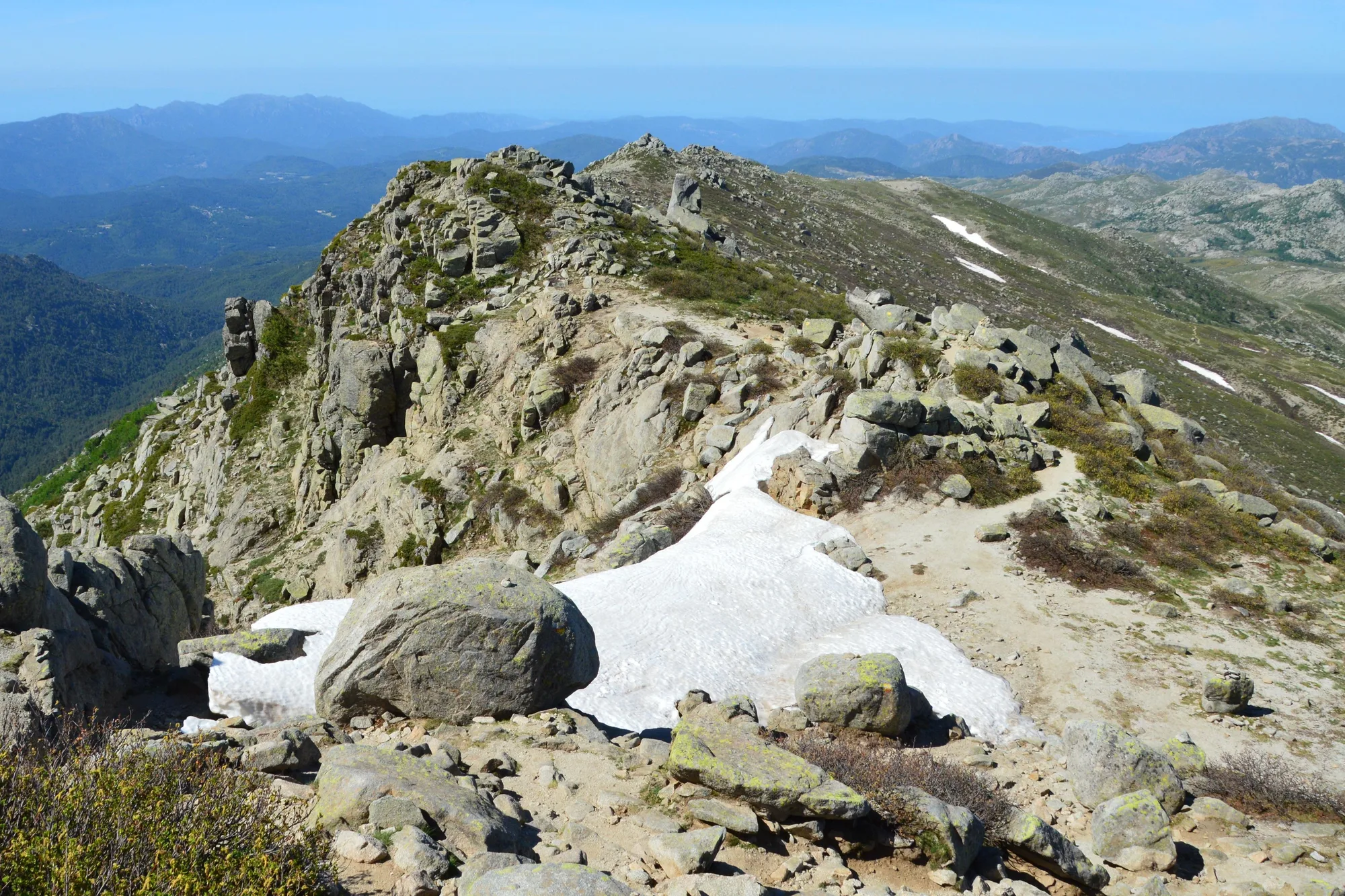
Things to do in Corsica
Hiking, boat trips, canyoning and culture: the natural sites to plan for and the main types of activity on the island.
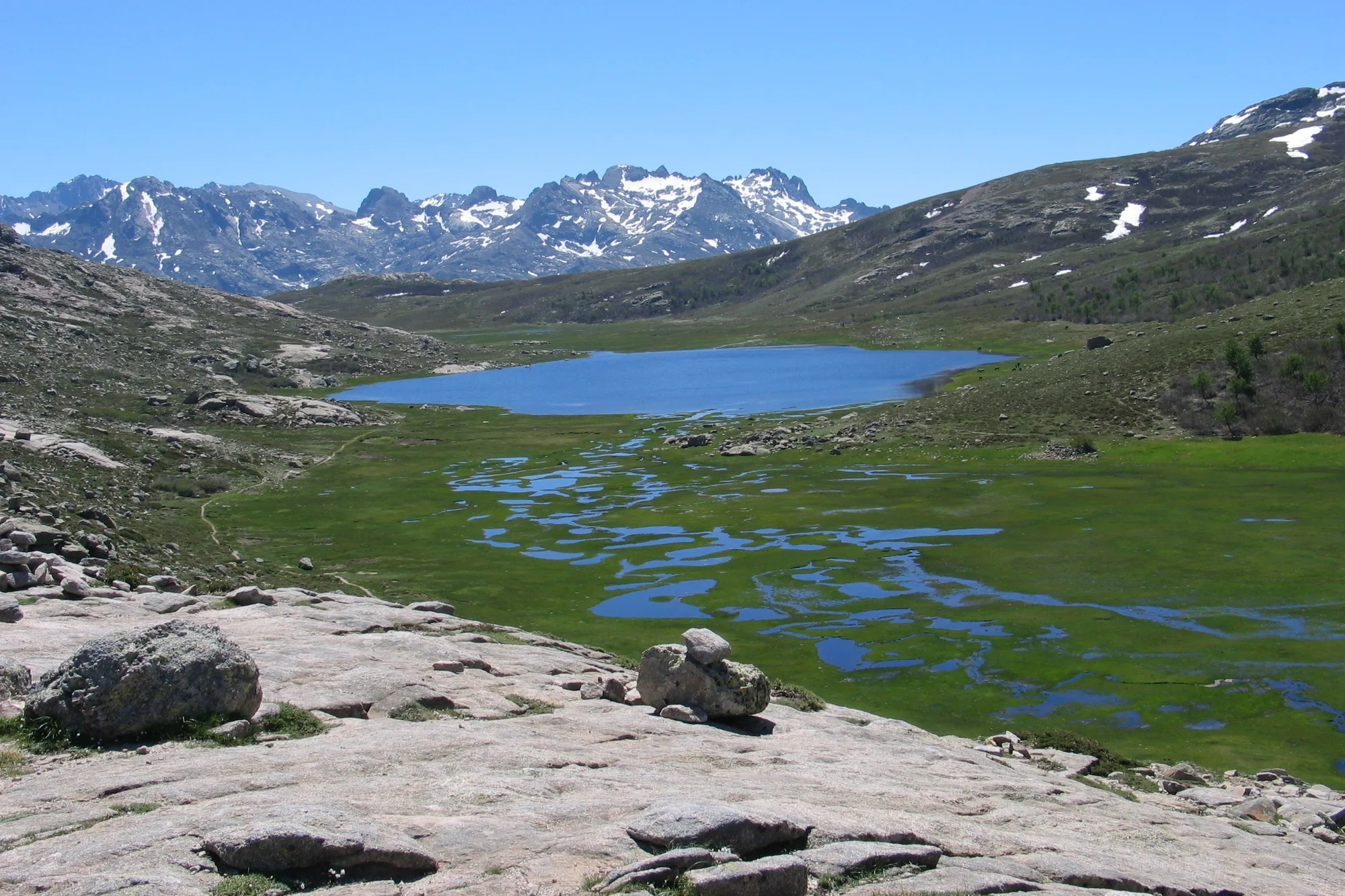
Lac de Nino
A mountain lake at 1,743 m, ringed by wet grasslands where horses and cows graze, on the GR20 and a long half-day’s walk from the Valdu Niellu forest.
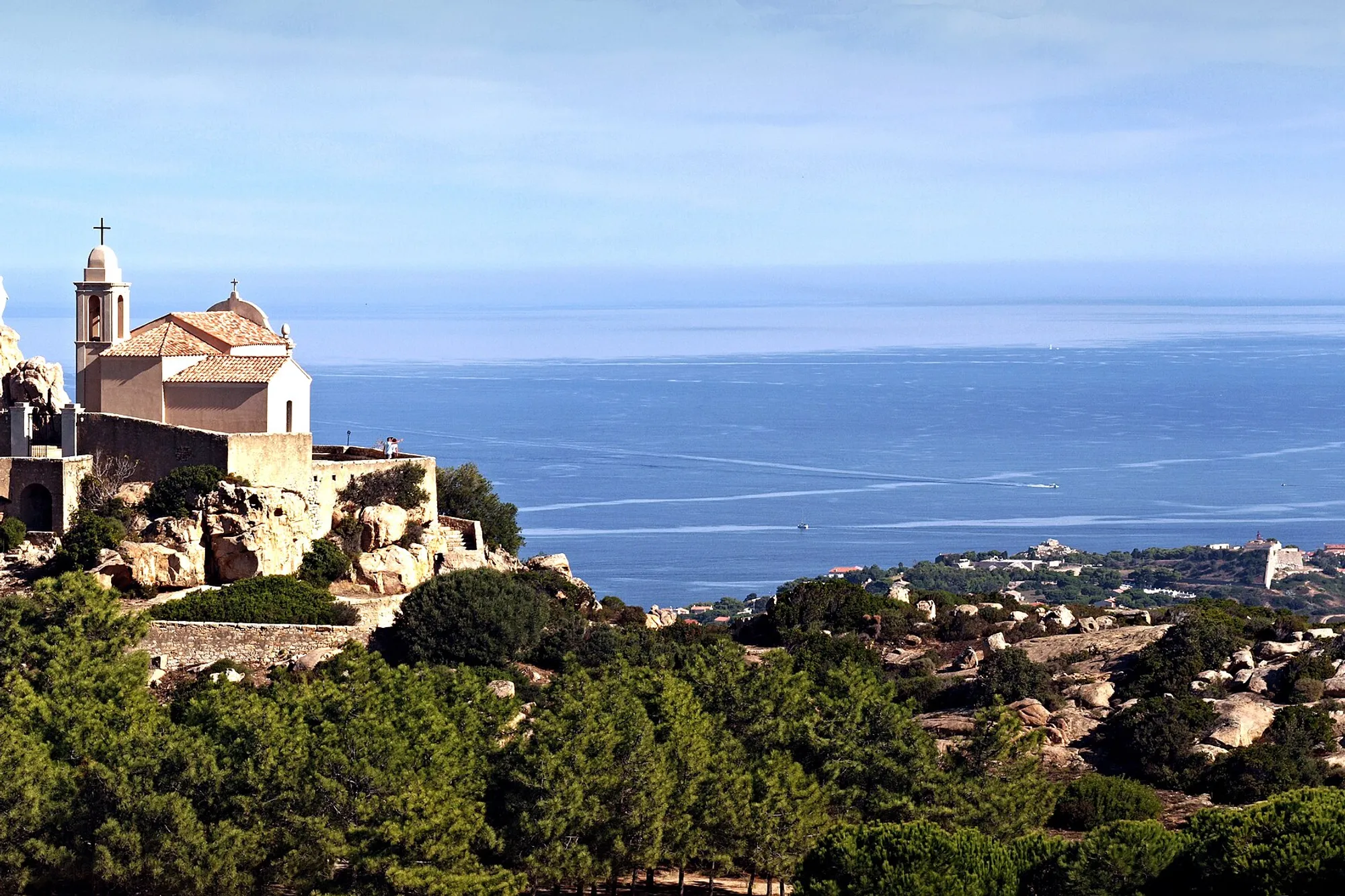
Notre-Dame de la Serra
A chapel founded in the 15th century and a statue of the Virgin on a granite headland, above the bay and citadel of Calvi.
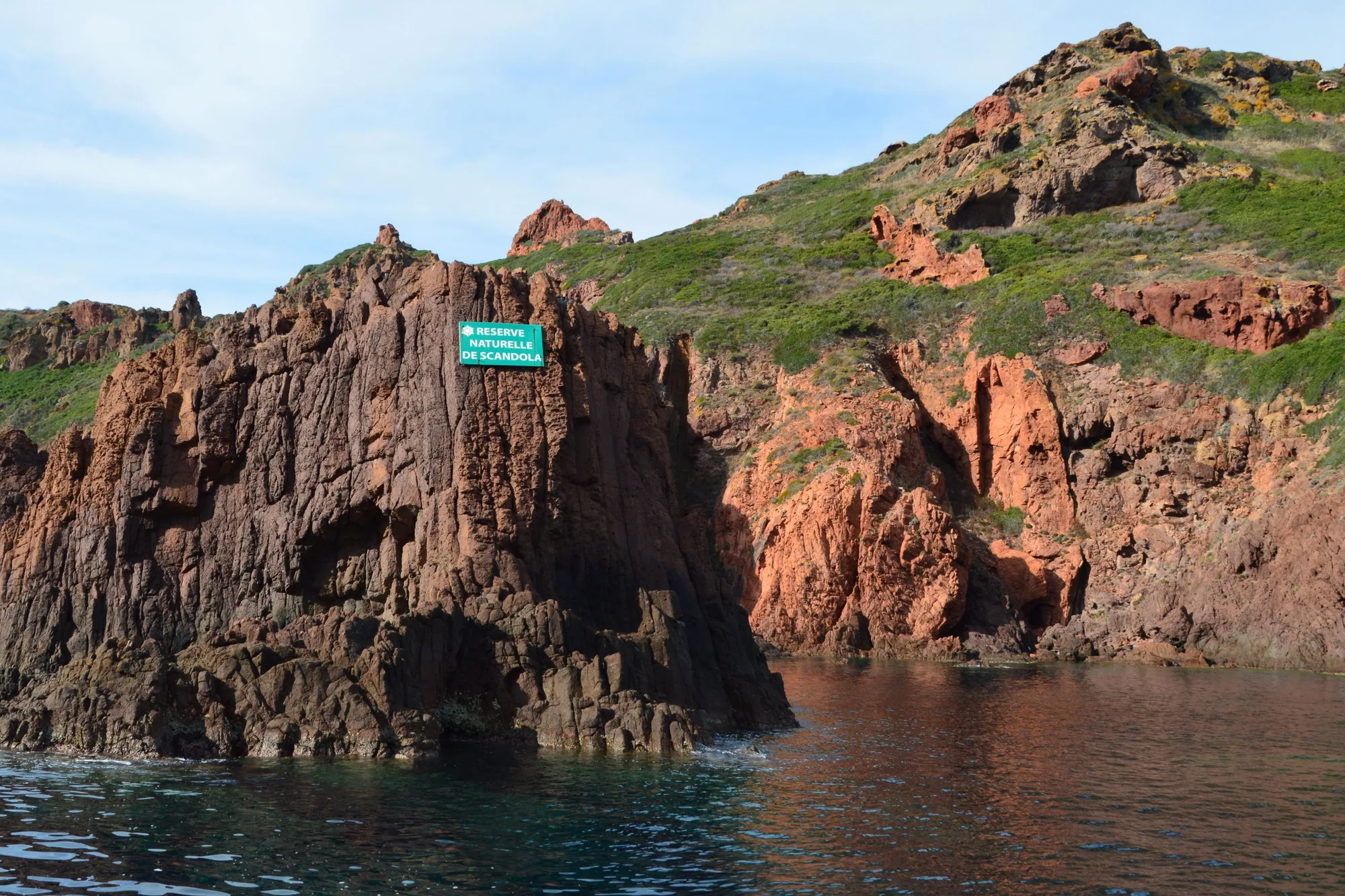
Scandola nature reserve
An ancient volcano that collapsed into the sea, red cliffs and osprey nests: the reserve can only be seen by boat, and its rules are being revised.
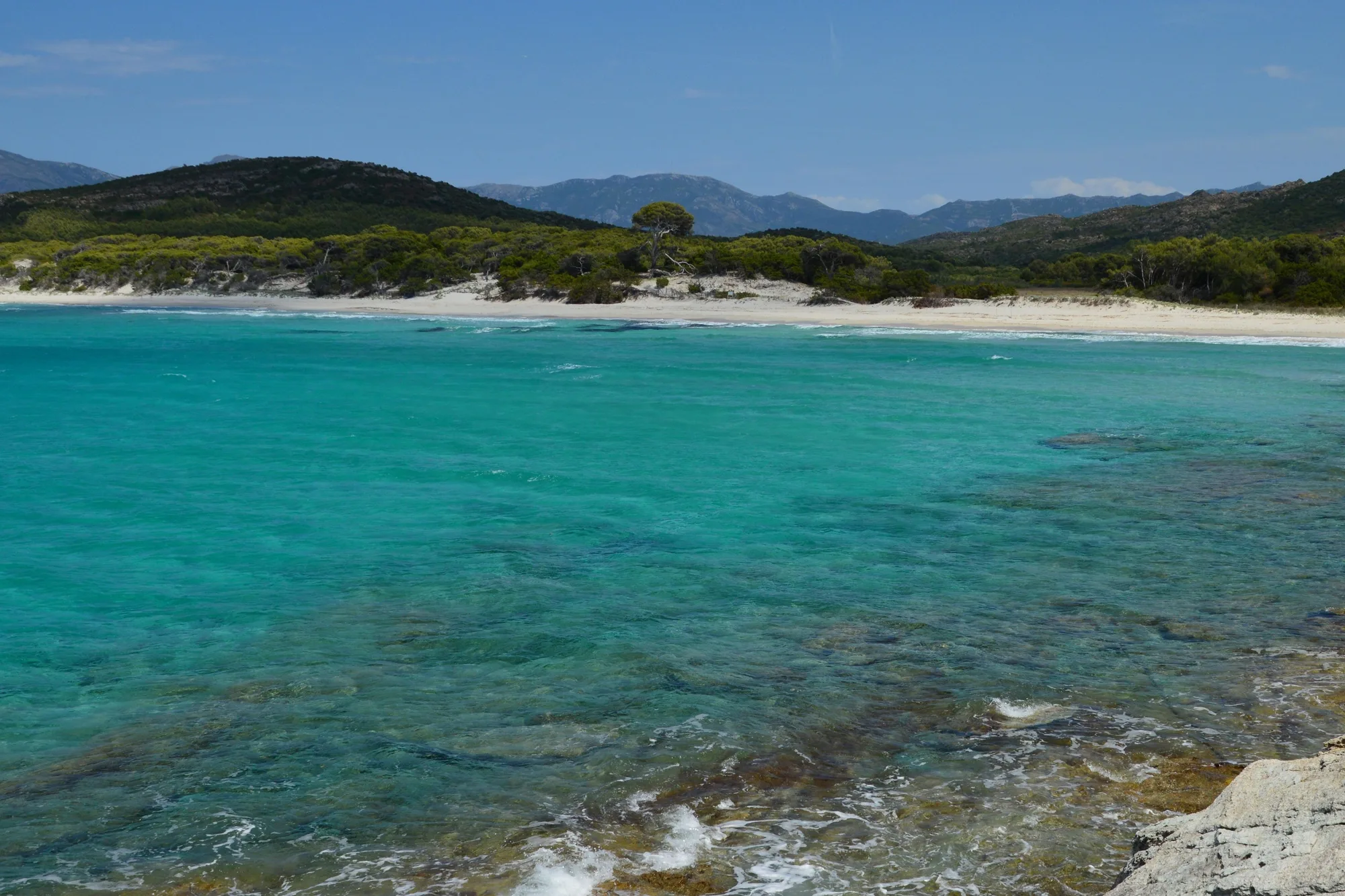
The Agriates desert
15,000 hectares of maquis without a tarmac road between Saint-Florent and the Ostriconi, reached by track, by sea or on foot.
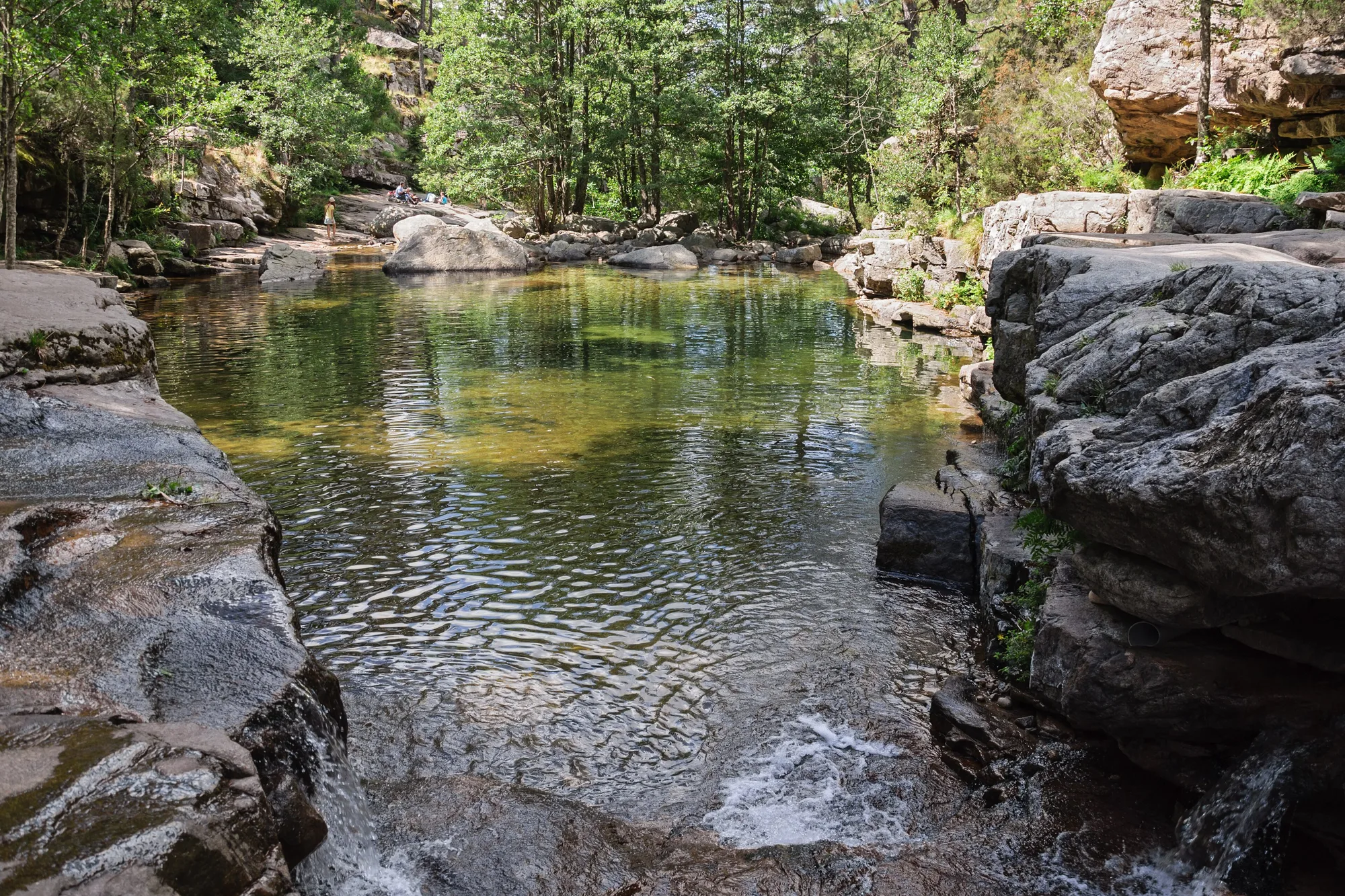
The Aïtone forest
A forest of tall laricio pines between Évisa and the Vergio pass, with rock pools for a swim in the mountain stream.
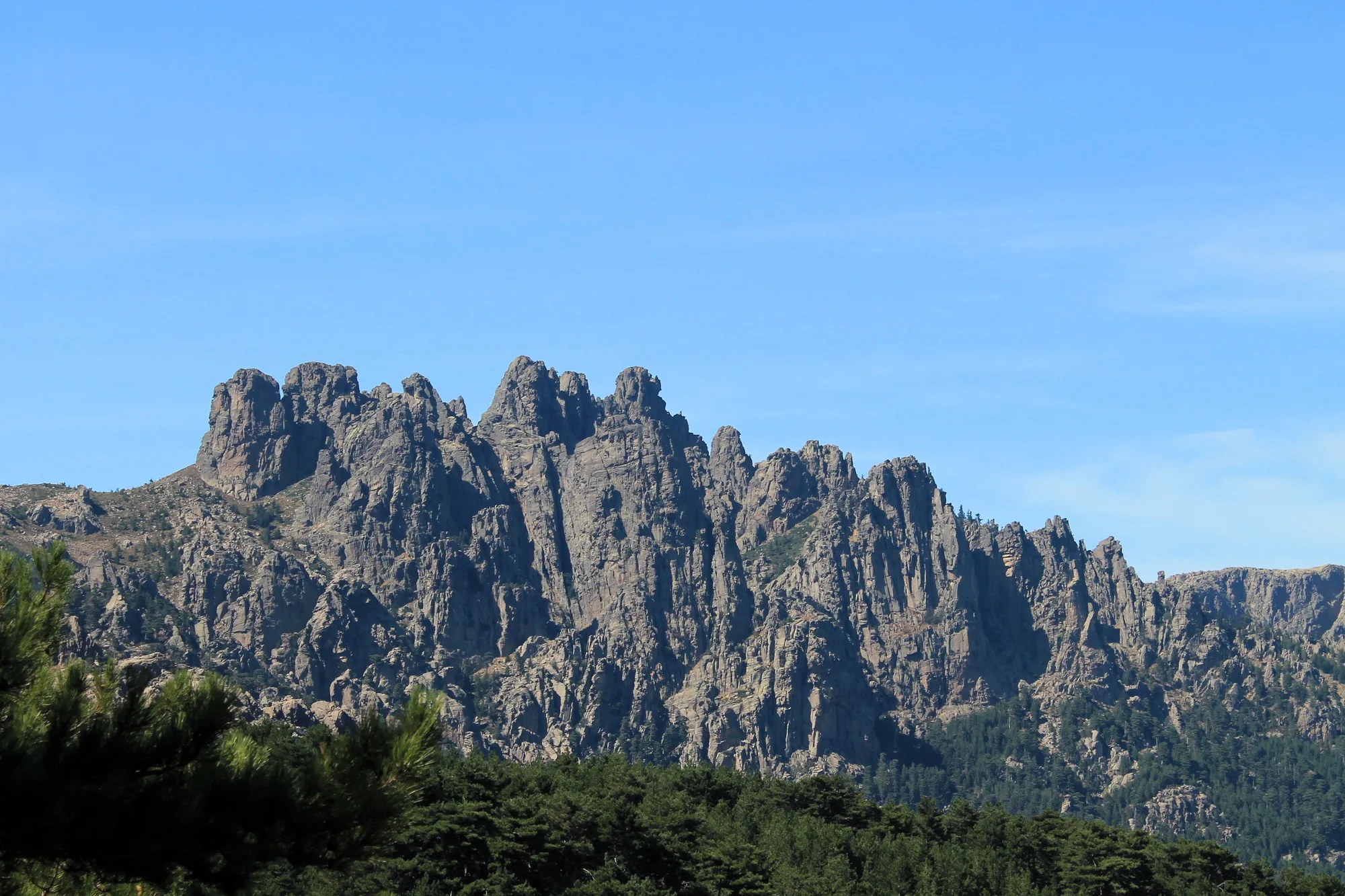
The Bavella Needles
Towers of red granite above the Alta Rocca, a pass you can drive to and the best short hikes in the south of the island.
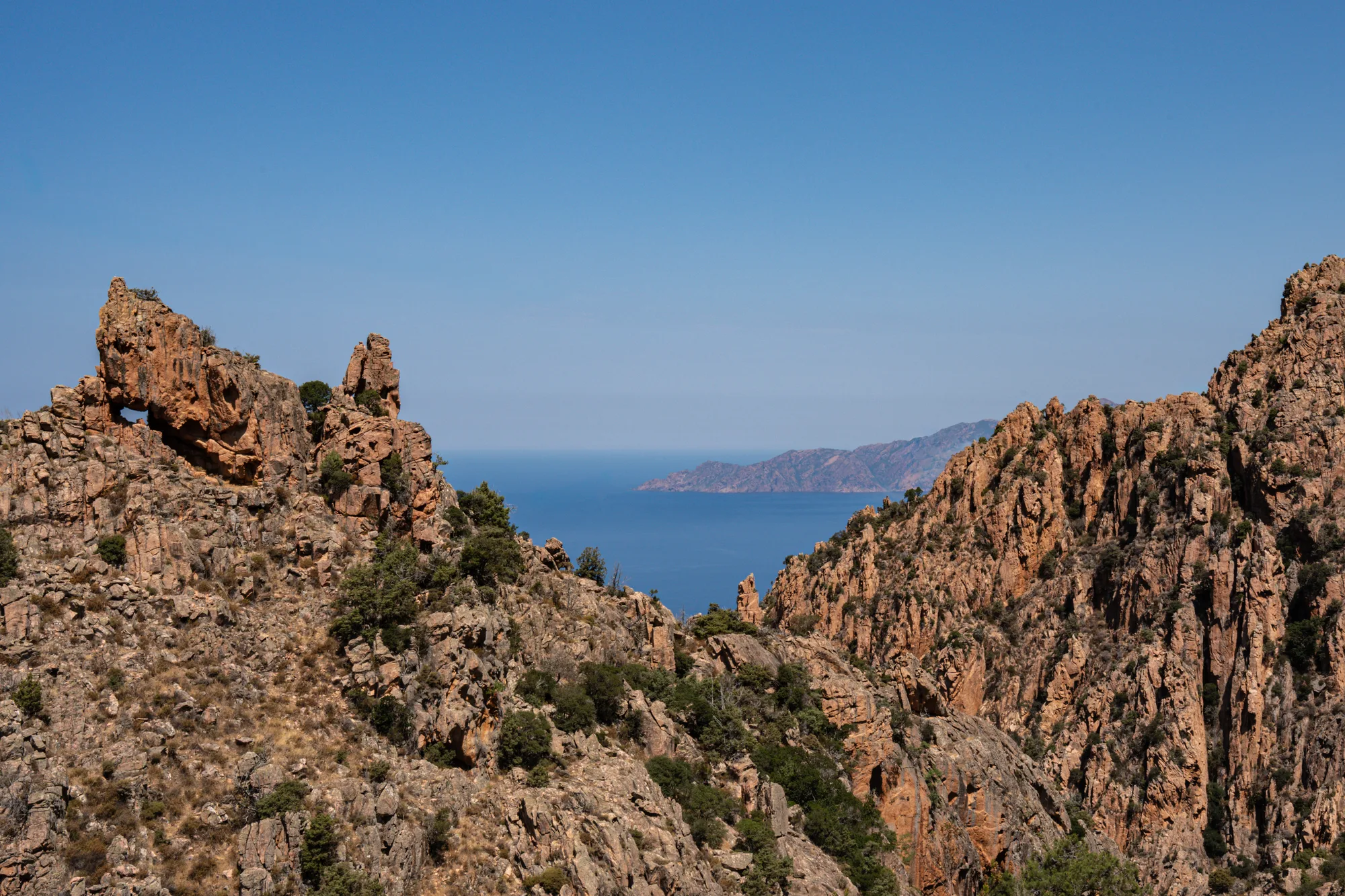
The Calanques de Piana
Red granite pinnacles above the Gulf of Porto, which you can see by car from the D81, on foot or from the sea.
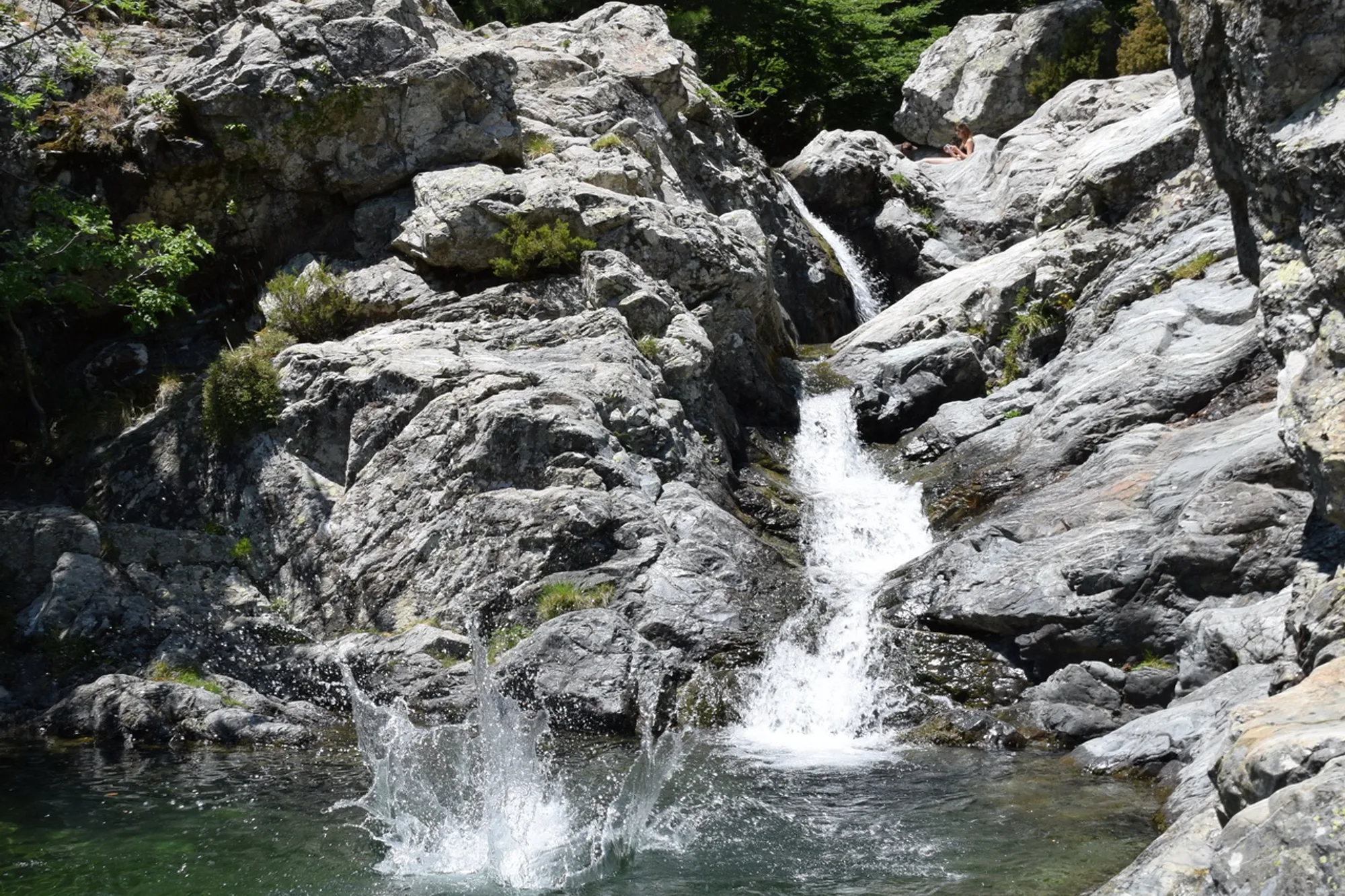
The Cascade des Anglais
A string of rock pools and waterfalls on the Agnone, an hour and a half there and back from Vizzavona station on the GR20.
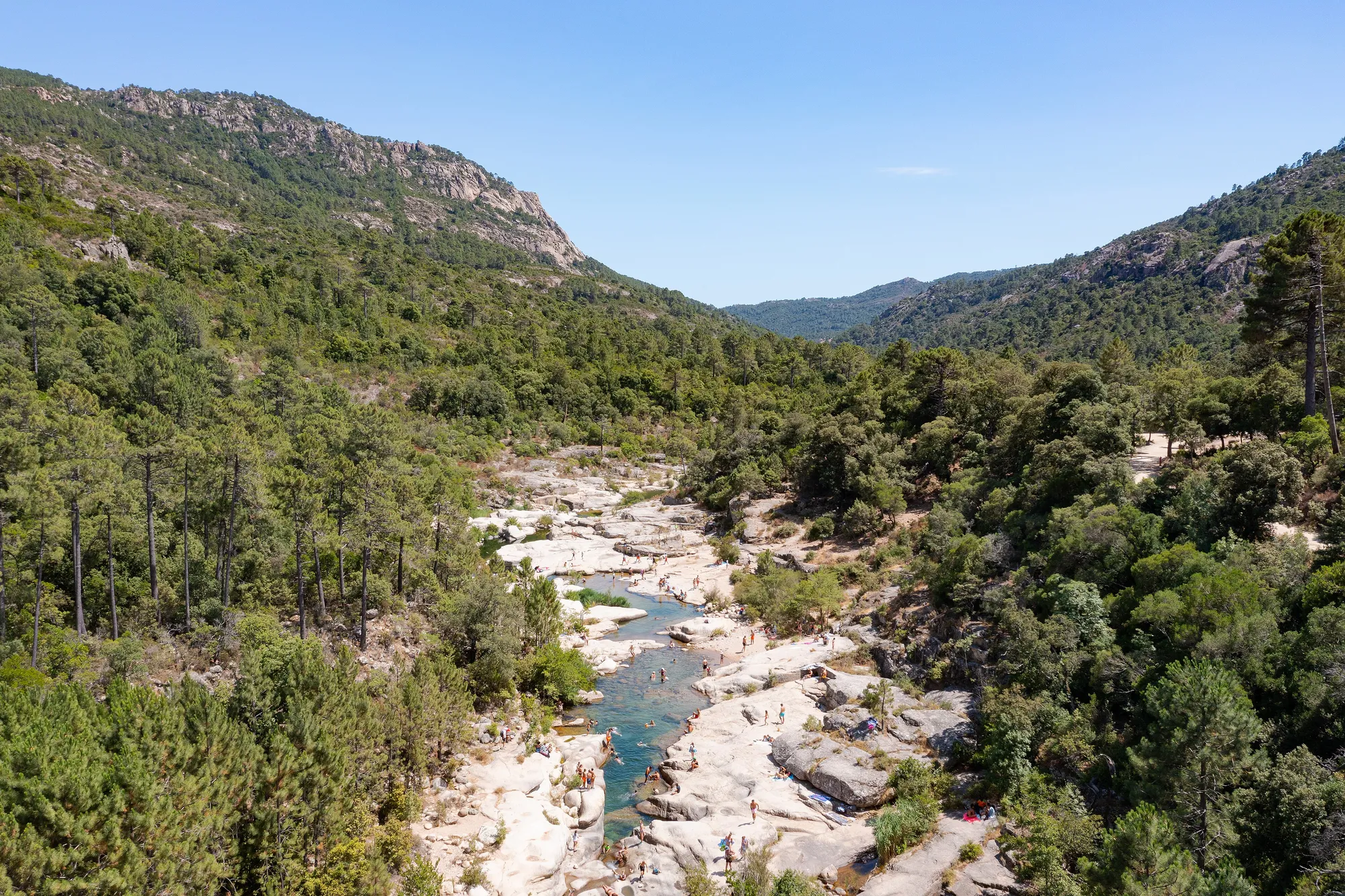
The Cavu natural pools
Freshwater rock pools between the granite slabs of the Cavu valley, half an hour from Porto-Vecchio via Sainte-Lucie.
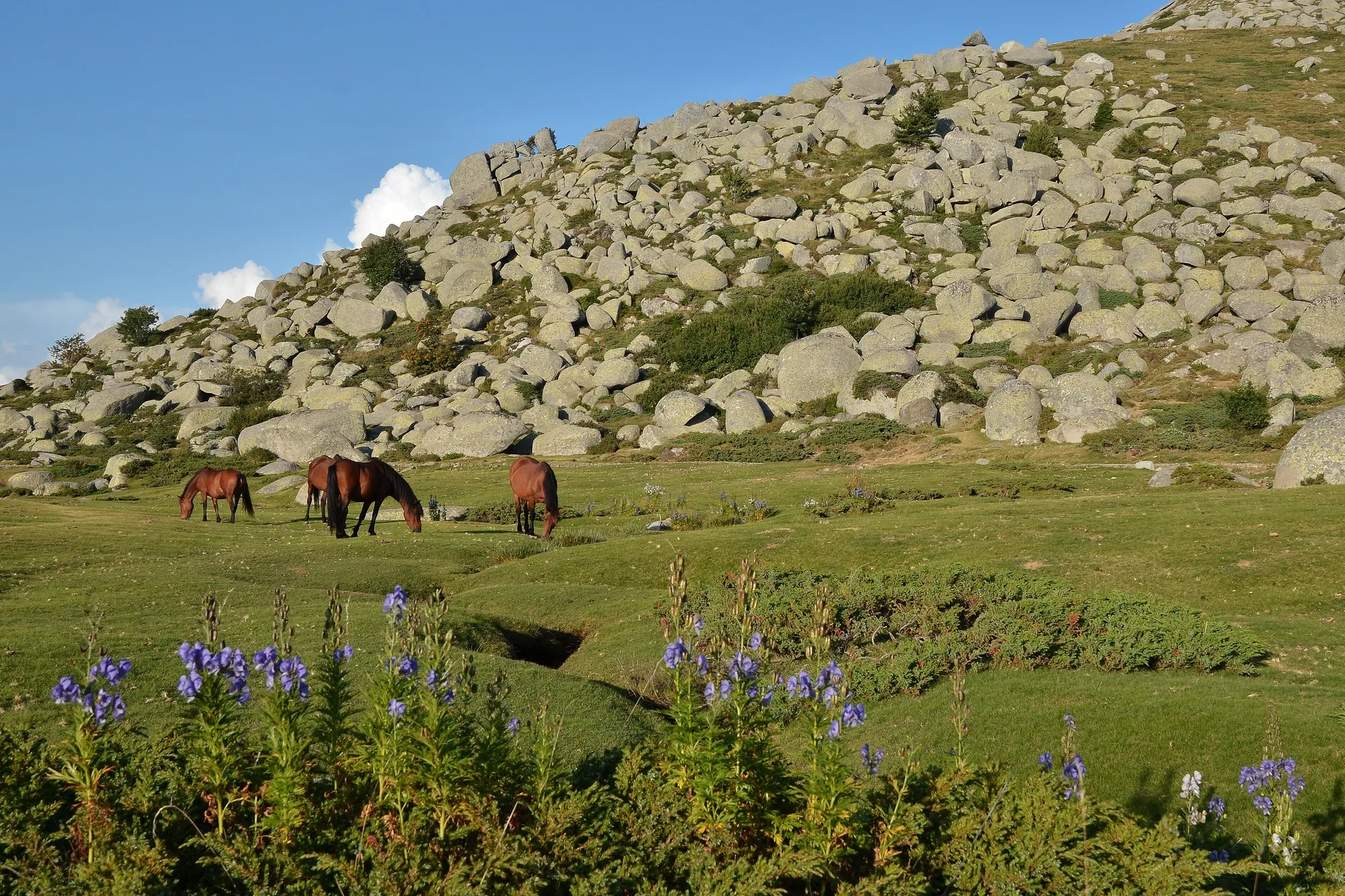
The Coscionu plateau
A high summer-grazing plateau between 1,400 and 1,700 m, with wet meadows, free-roaming herds and the outline of the Incudine above it.
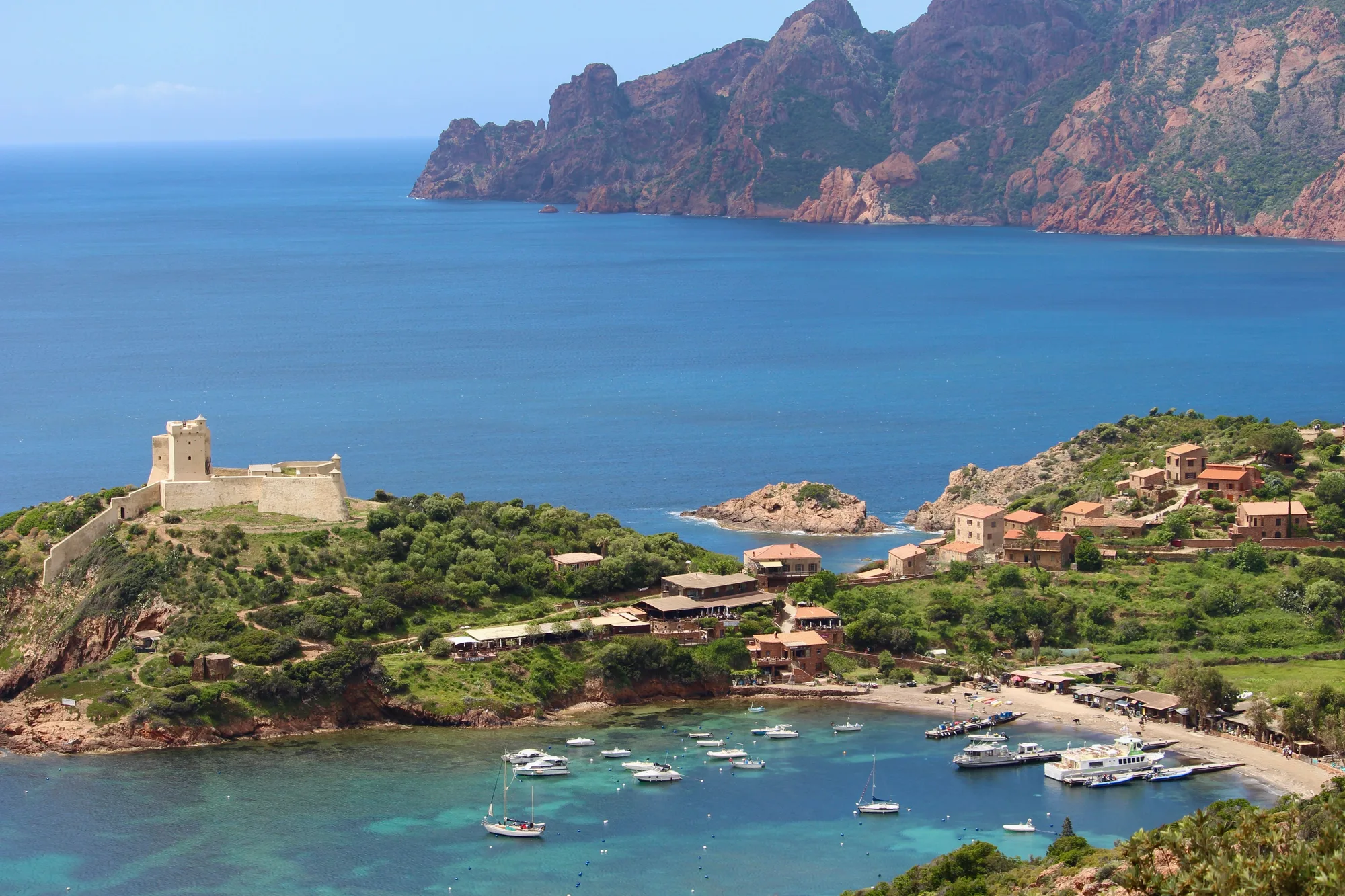
The Gulf of Girolata
A fishing hamlet with no road, at the head of a protected gulf, reached on foot through the maquis or by boat.
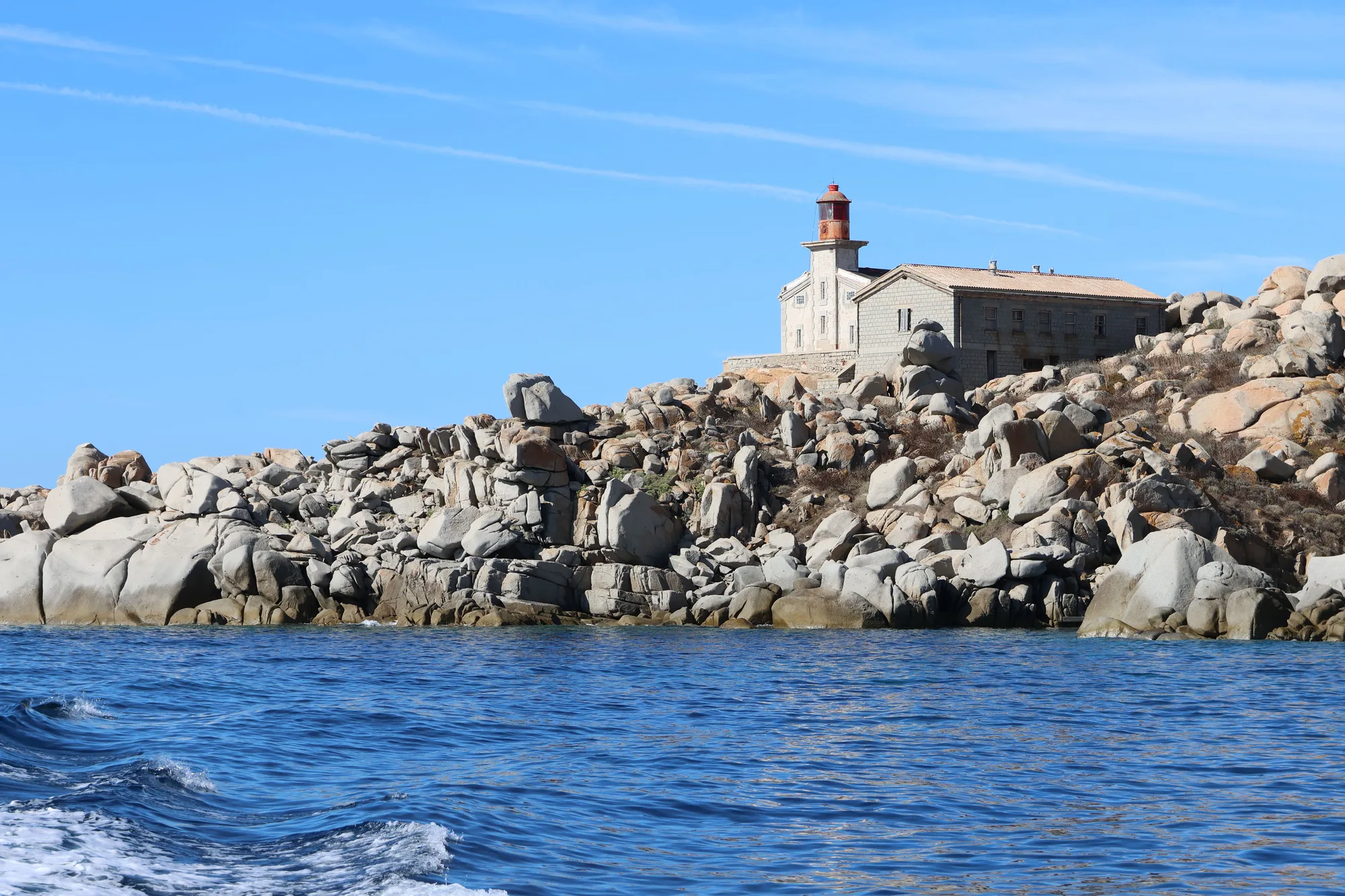
The Lavezzi Islands
An archipelago of granite and coves off Bonifacio, inside the Bouches de Bonifacio nature reserve, where you can land for the day.
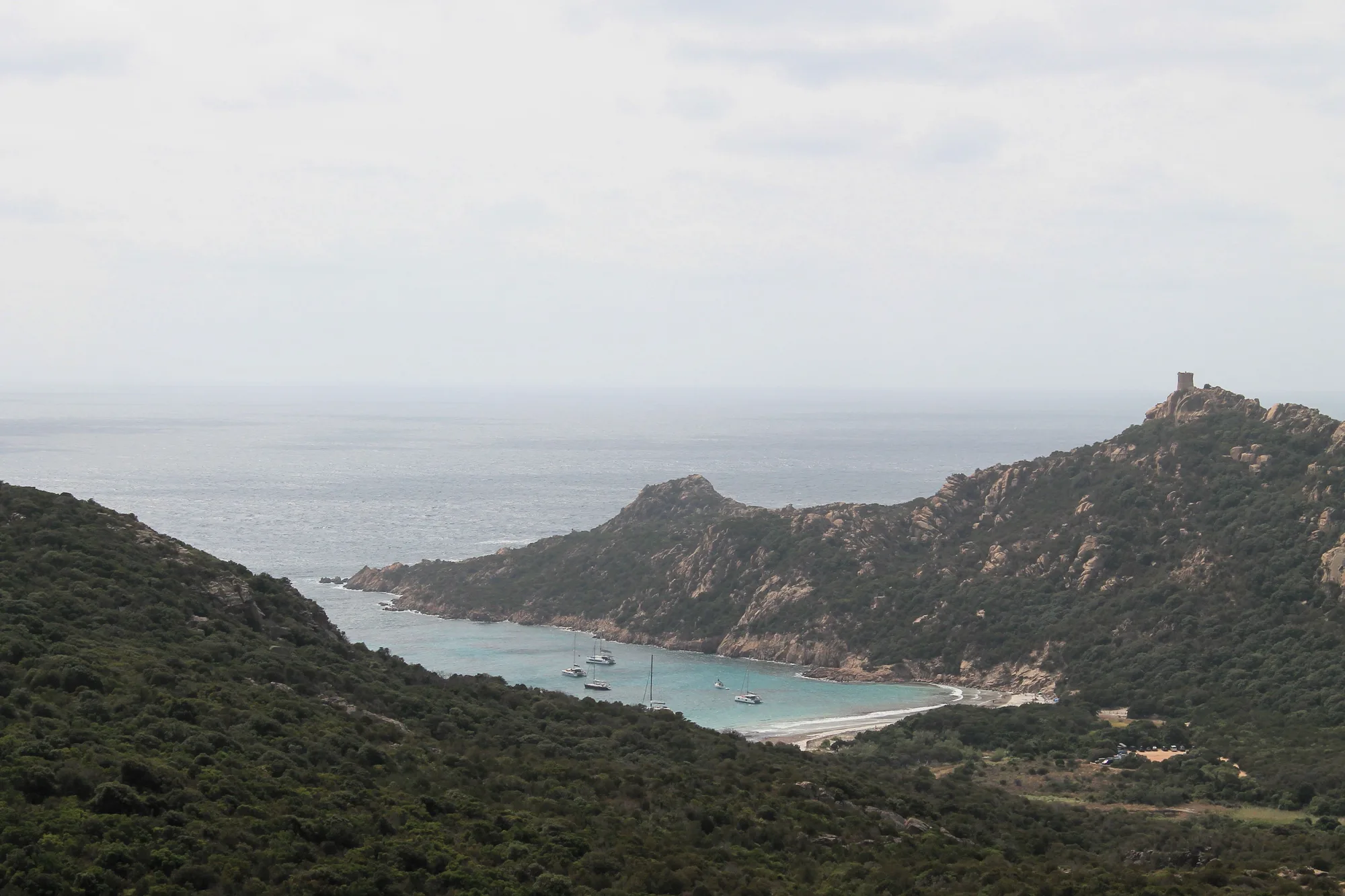
The Lion of Roccapina
A granite rock shaped like a lion lying down, above a white-sand beach on the road from Sartène to Bonifacio.
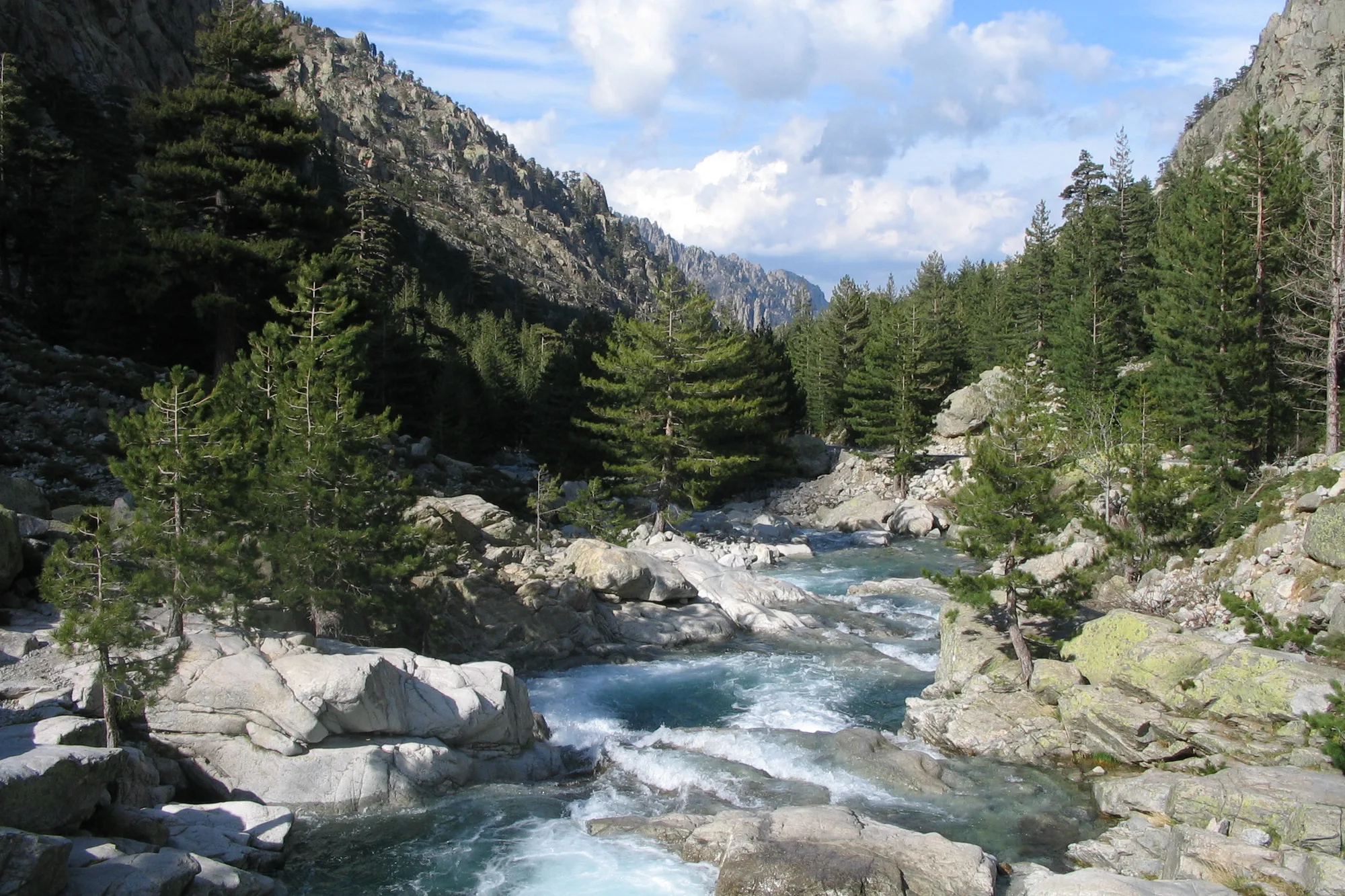
The Restonica valley
A glacial valley above Corte, with rock pools and high mountain lakes. Since the storms of 2023, you go up by shuttle bus.
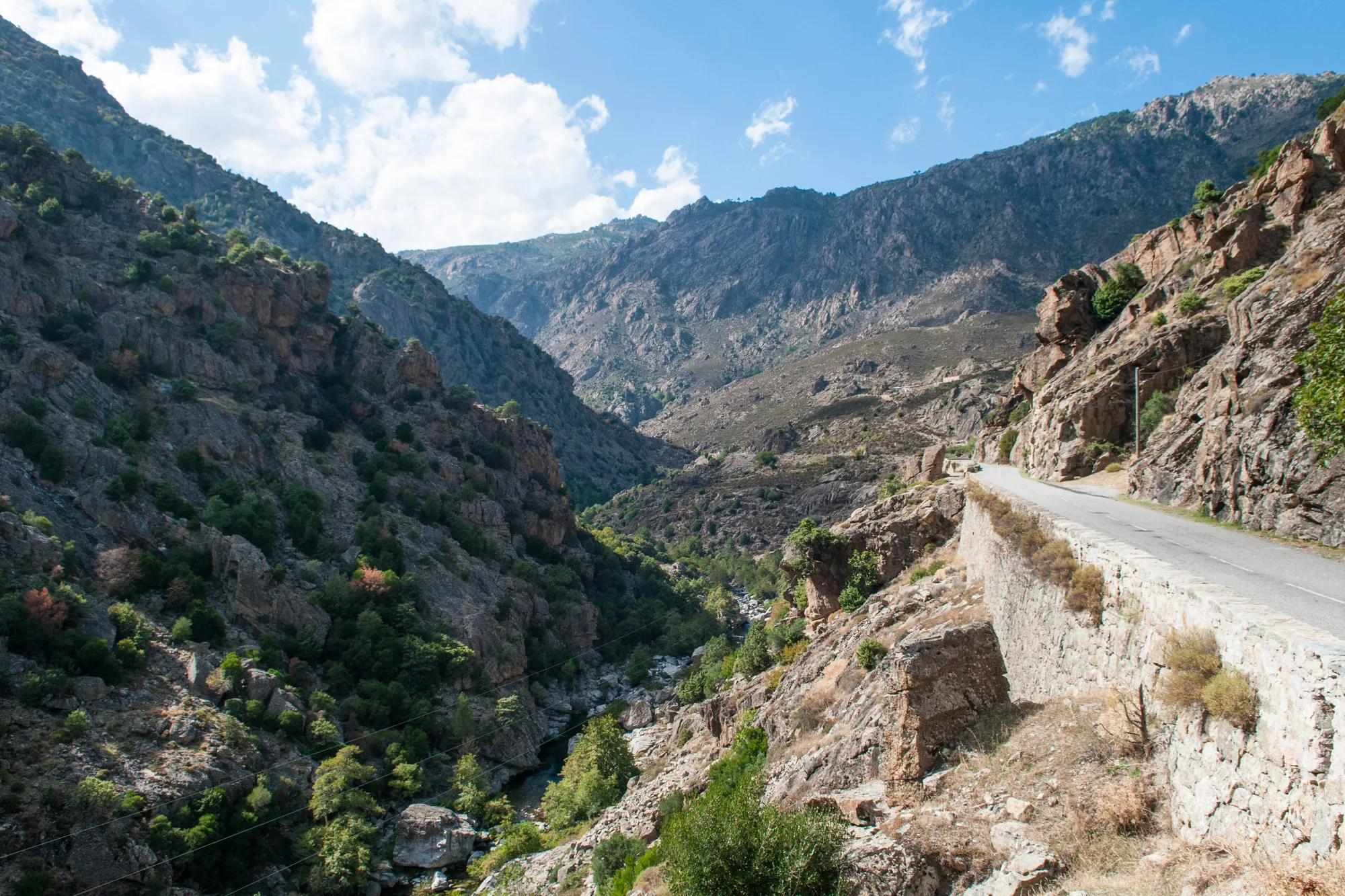
The Scala di Santa Regina
The red granite gorges of the Golo, for centuries the only way into the Niolu, which you now cross on the D84 or on foot along the old path.
Vizzavona’s secret waterfalls
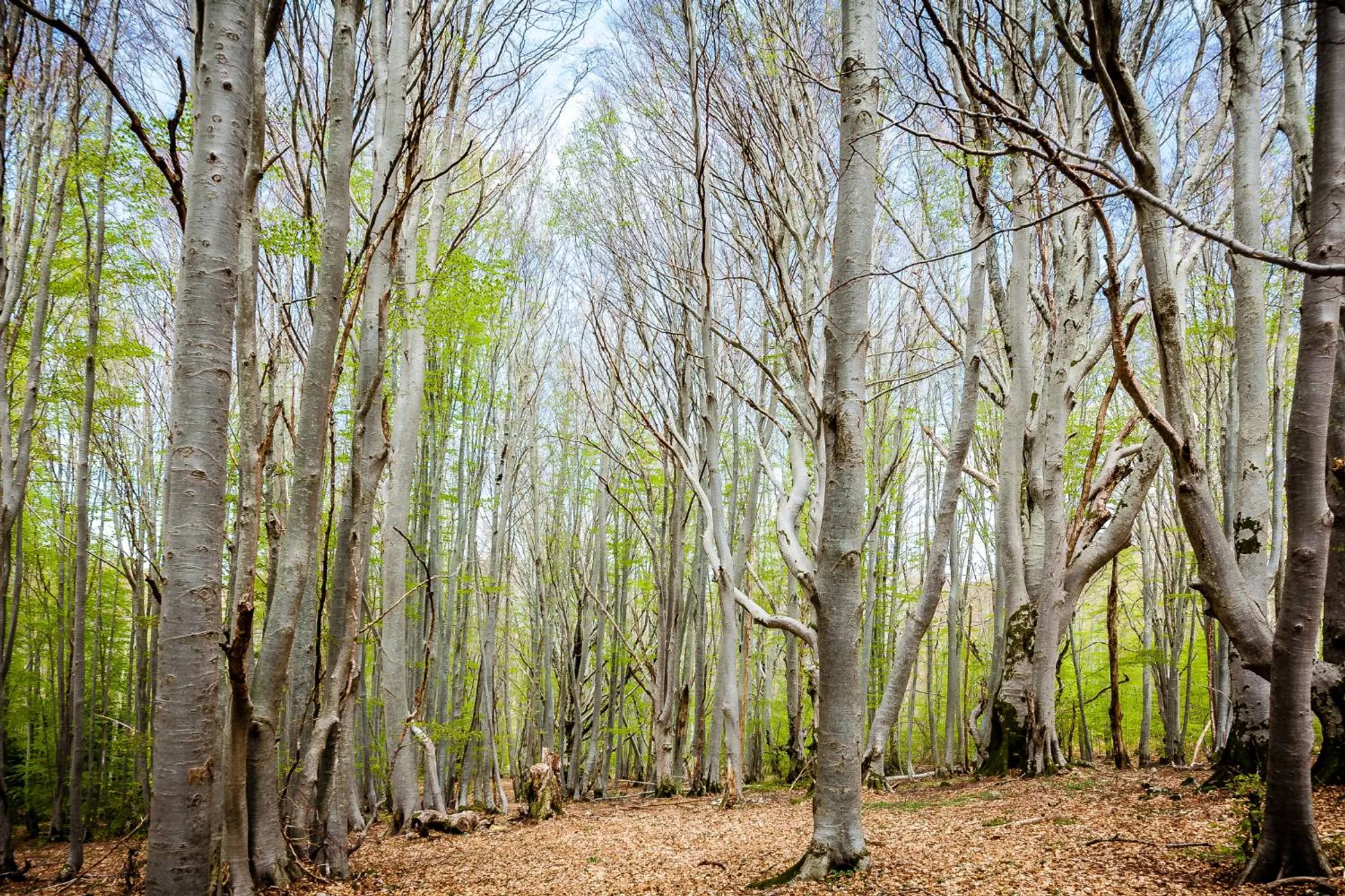
A forest of laricio pines and beeches at the Vizzavona pass, halfway along the GR20 and served by the train: the starting point for the waterfalls of central Corsica.
No places in this category
Choose another category.
What to do in Corsica
Corsica (Corse) is best explored on foot, by boat and on the water as much as by car. The pages above cover the natural sites and the hiking spots that need some planning; below are the main types of activity, with what you need to know before booking. In July and August, book your trips before you leave: places go quickly. To locate the natural sites and hiking spots on the island, see our map of Corsica.
Hiking and the GR20
The GR20 crosses the island from north to south through the mountains, from Calenzana in the Balagne to Conca, north of Porto-Vecchio, in 16 stages according to the Parc naturel régional de Corse. The Fédération française de randonnée puts it at 180 to 200 km depending on the page, with more than 10,000 m of ascent. The refuges are staffed from 16 May to 4 October 2026, and refuge nights and bivouac pitches must be booked online with the Park. Vizzavona, served by the train, marks the halfway point: see the Vizzavona waterfalls.
Less demanding, the Mare a Mare and Mare e Monti trails, offered by the Park, link the two coasts through the villages, with gîtes d’étape (walkers’ hostels) along the way. The Agence du tourisme de la Corse, for example, gives 121 km and about ten days for the northern Mare e Monti, from Calenzana to Cargèse.
For a day or half a day, pick from our places: the Restonica valley and its lakes, the Bavella needles, the Cascade des Anglais, the Aïtone forest, the Girolata path or the coastal path through the Agriates. Our seasonal and safety advice is in the sea and the mountains in Corsica.
The sea and boat trips
Some stretches of coast can only be seen from the sea. From April to November, boats leave Calvi, Porto, Ajaccio, Porticcio, Propriano, Sagone and Cargèse for the Scandola reserve, Girolata and the Calanques de Piana. In the south, trips from Bonifacio and Porto-Vecchio go to the Lavezzi Islands; in the north, boats link Saint-Florent with the beaches of the Agriates from April to October (Agence du tourisme de la Corse).
In a hired boat or on any watercraft, the speed limit is 5 knots within 300 m of the shore, even where there are no buoys, and personal watercraft may only use the marked channels in that zone. For the current rules, see the préfecture maritime de la Méditerranée.
Canyoning
Canyoning runs from mid-April to October, usually with an instructor, according to the Agence du tourisme de la Corse. The best-known canyons are around Bavella (Purcaraccia, Pulischellu), Corte (Asco, Restonica, Tavignanu) and Bocognano (Richiusa). A storm upstream can raise the water level in a few minutes: go with a qualified professional who knows the canyon and watches the weather. In Corse-du-Sud, the activity is regulated by a prefectoral order: see our page on Bavella.
Diving
The Agence du tourisme de la Corse lists around thirty dive sites, including the underwater canyon of the Revellata and the wreck of a B-17 bomber at Calvi, Capo Rosso near Porto and the Cerbicale islands off Porto-Vecchio. Scuba diving is prohibited in the Scandola reserve. In the Lavezzi, spearfishing is prohibited in the strictly protected zones, and spearfishing for grouper has been banned around the whole island since 1983, according to the Office de l’environnement de la Corse.
Cycling
The GT20, a long-distance cycle route across Corsica promoted by the Agence du tourisme de la Corse, links Bastia and Bonifacio through the interior: about 600 km in 12 stages with 9,500 m of ascent, on a standard bike or an e-bike. The roads are narrow and winding: ride early in the morning in summer, and carry water, as villages can be far apart.
Culture
- The musée de la Corse, in the citadel of Corte, opened in June 1997, tells the story of island life through the ethnographic collections gathered by Father Doazan. See visit Corte.
- The musée Fesch, in Ajaccio, grew out of the bequest of Cardinal Fesch, Napoleon’s uncle: its collection of Italian paintings is the second largest in France after the Louvre’s. See visit Ajaccio.
- Filitosa, near Propriano, discovered in 1946, has prehistoric statue-menhirs; the site is listed as a historic monument.
- Aléria, on the east coast, is an ancient city founded in the 6th century BC and taken by the Romans in 259 BC; the museum is housed in the Matra fort.
To go further, read the museums of Corsica, what to do in Corsica and when to go to Corsica.
Activities to book across the island
A selection of rated excursions, from the Gulf of Porto to the Lavezzi, from Balagne to Bavella.
Prices and ratings checked on GetYourGuide in October 2026. We may earn a commission when you book through our partner links, at no extra cost to you.