
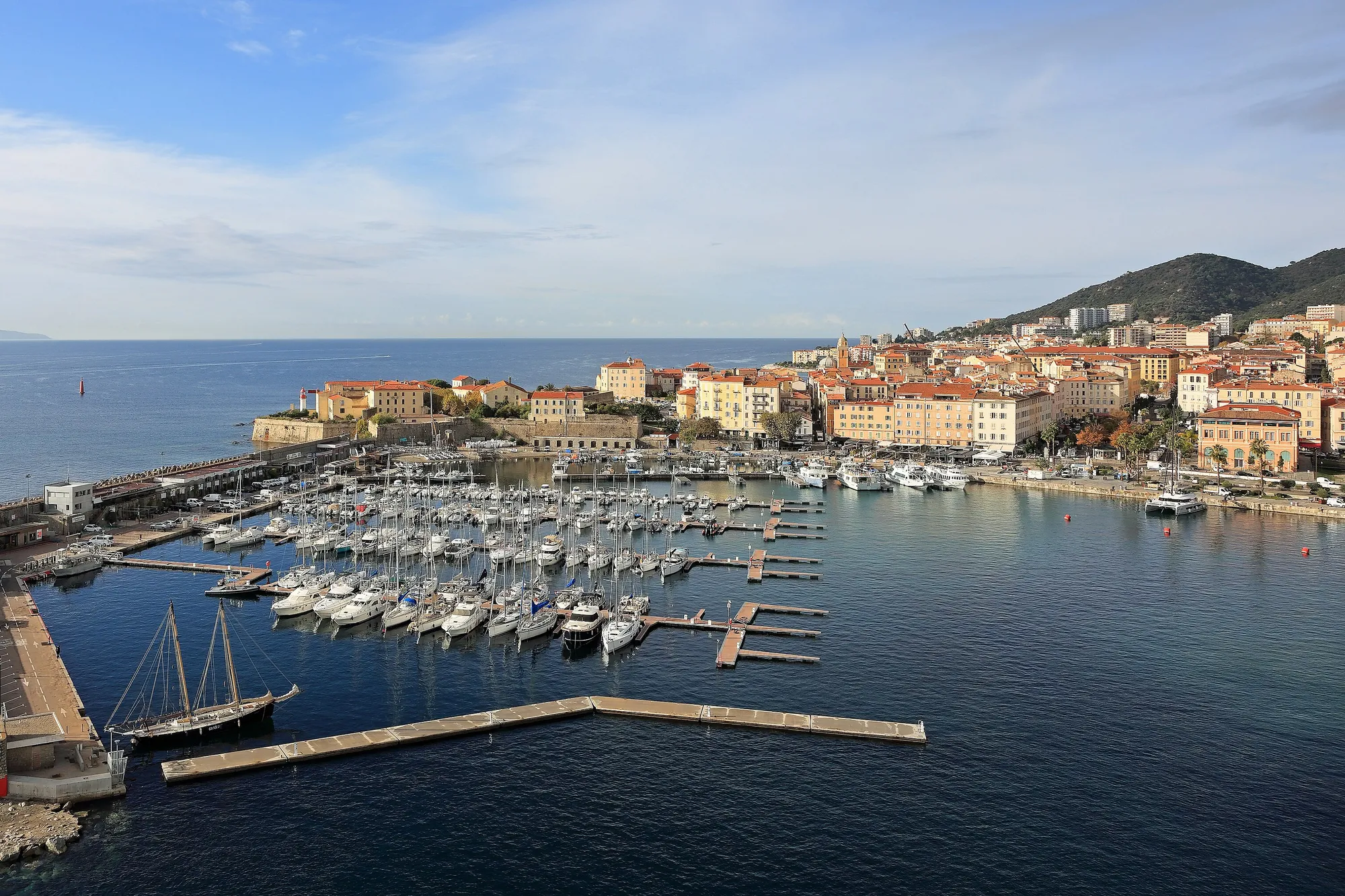
Hotels in Ajaccio: where to stay, area by area
Old town on foot, beaches to the west or the far shore: in Ajaccio, the area matters as much as the accommodation.
See the places to stay→

Selected places to stay across the island, for every style and budget, bookable through our partner.
Crossing Corsica (Corse) by road takes two to three hours, and mountain roads are slow. Where you stay therefore decides what you will see: two bases in two regions are better than a single place from which everything is far away. Each of our destination pages describes its neighbourhoods and areas, with their advantages.
Bastia is the most practical if you arrive by ferry, with a lively old port and easy trips out to the Cap. Saint-Florent is quieter, right on the water, at the gateway to the Agriates (Agriate) and the Patrimonio vineyards.
Calvi and L’Île-Rousse share the beach holidays of the north-west and are linked by the little train. The hilltop villages inland are quieter and cooler, provided you have a car.
Around Porto, accommodation is small-scale and spread between the marina, Ota, Piana and Évisa: a base for Scandola, the calanques and the forests. Ajaccio has the widest choice, in town or towards the Sanguinaires road and Porticcio.
Corte is the only town in the interior, and the best base for the mountains: the Restonica, the Niolu, Vizzavona. There is less choice than on the coast, but it is cheaper in summer.
Propriano and Sartène cover the Gulf of Valinco and the Alta Rocca. Porto-Vecchio is the centre for beach holidays in the far south, from the upper town to Santa Giulia. Bonifacio and Figari are the closest to the Lavezzi and the southern airport.
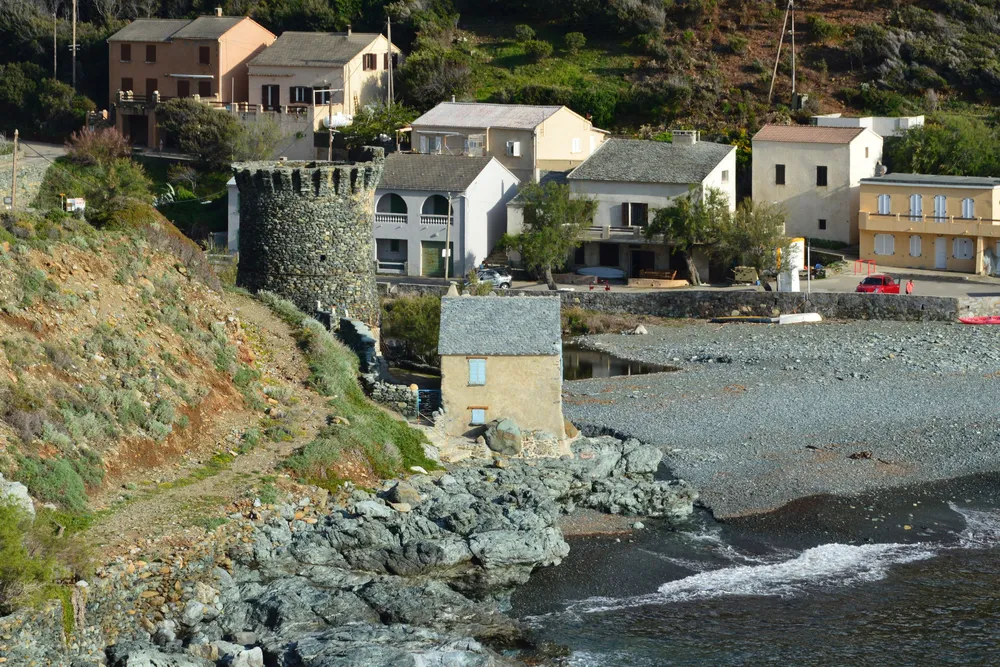 Photo : SlimMars 13 / Pexels
Whatever the type of accommodation, ask in writing for the price, the exact address, the terms and conditions and the cancellation options.
Arrhes or acompte? Unless the contract says otherwise, money paid in advance to a business counts as arrhes (a forfeitable deposit, article L214-1 of the Consumer Code): if you cancel, you lose it; if the business cancels, it must pay you back twice the amount. An acompte (part payment), on the other hand, binds both parties.
Rentals through an estate agent. For a holiday rental managed by a property professional, the sums paid on booking may not exceed 25% of the rent, nor be requested more than twelve months before you move in; the balance can be demanded no earlier than one month beforehand. This rule (article 68 of the decree of 20 July 1972, amended in February 2026) applies to bookings made since 1 March 2026; previously, the limit was six months.
Contract and description. Every offer or contract for a holiday rental must be in writing and state the price and a description of the property (article L324-2 of the Tourism Code). The listing for a meublé de tourisme (furnished holiday let) must show its registration number from the town hall. Star ratings, on the other hand, are optional: the owner applies for one, and it lasts five years.
On arrival, go through the inventory and condition report with the owner, taking photos. If there is a serious disagreement, a commissaire de justice (court officer) can draw up an official report. For a dispute with a business, you can contact the fraud control service of the direction départementale de la protection des populations (DDETSPP) in each département.
The tourist tax is paid by the guest and collected by the accommodation provider, in the municipalities that have introduced it (article L2333-26 of the Code général des collectivités territoriales). The amount depends on the municipality and the type of accommodation.
The price of a night’s stay must be displayed outside, near the entrance, and at reception, together with check-in and check-out times; the prices of extra services are displayed in the room (order of 18 December 2015). You are given a bill for any service costing €25 or more. The hotelier is liable for items you hand over for safekeeping and, up to a certain limit, for those left in the room (articles 1952 to 1954 of the Civil Code): use the safe for valuables. Refusing a guest on grounds of origin, sex, family situation, age or disability is a criminal offence (article 225-2 of the Penal Code).
Camping is prohibited, unless an exemption has been granted, on the seashore, in classified or listed sites, near historic monuments and within 200 m of a drinking water intake (article R111-33 of the Town Planning Code). Elsewhere, you need the consent of whoever has the use of the land, and the mayor can ban it by an order posted at the town hall. In natural sites such as the Agriates or the reserves, camping and bivouacking are prohibited: ask at the tourist office or the town hall. Nights in the GR20 refuges are booked with the Parc naturel régional de Corse.
Old town on foot, beaches to the west or the far shore: in Ajaccio, the area matters as much as the accommodation.
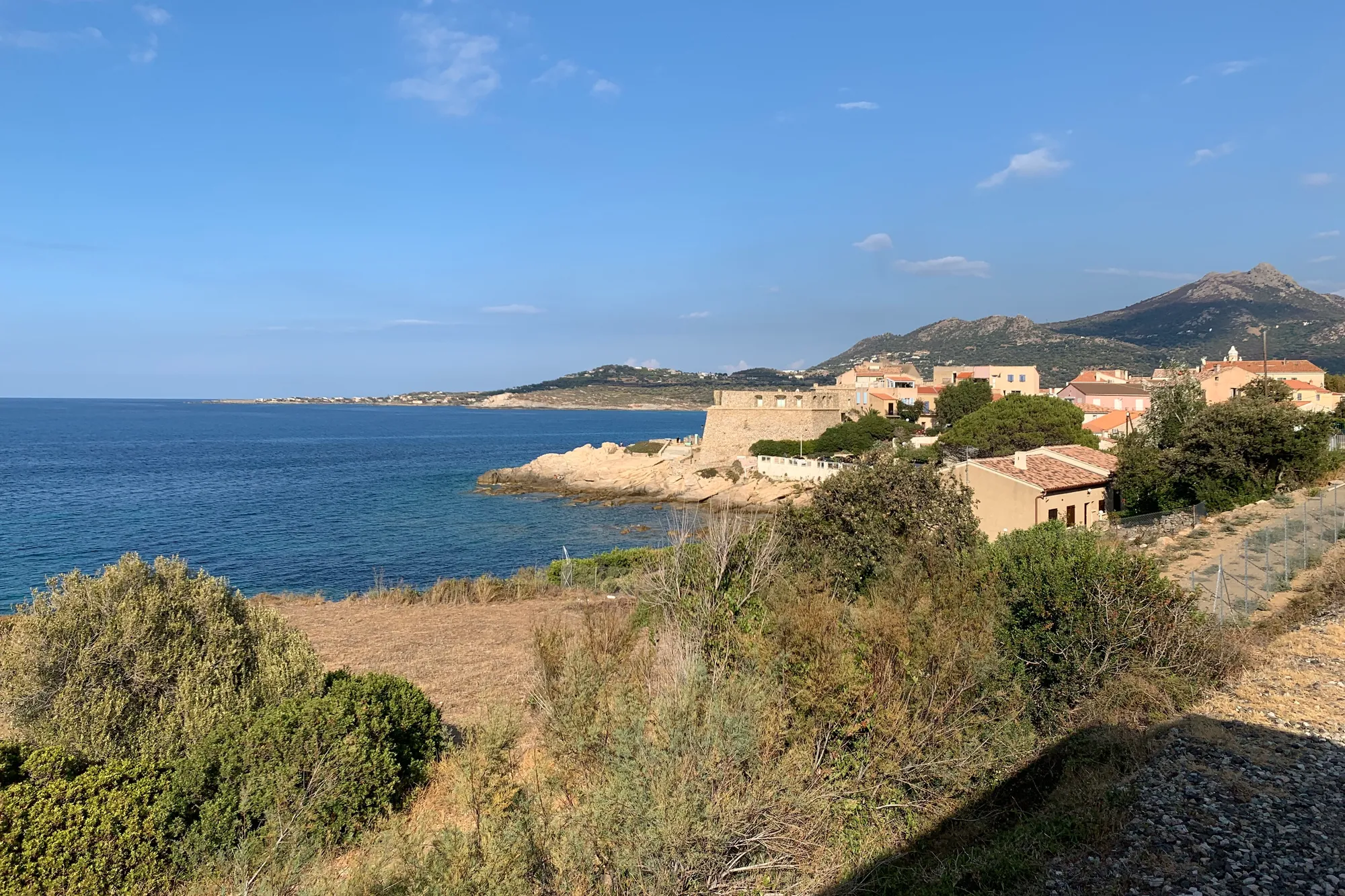
A small fortified village with its own station, and the Sant’Ambroggio marina one train stop away.
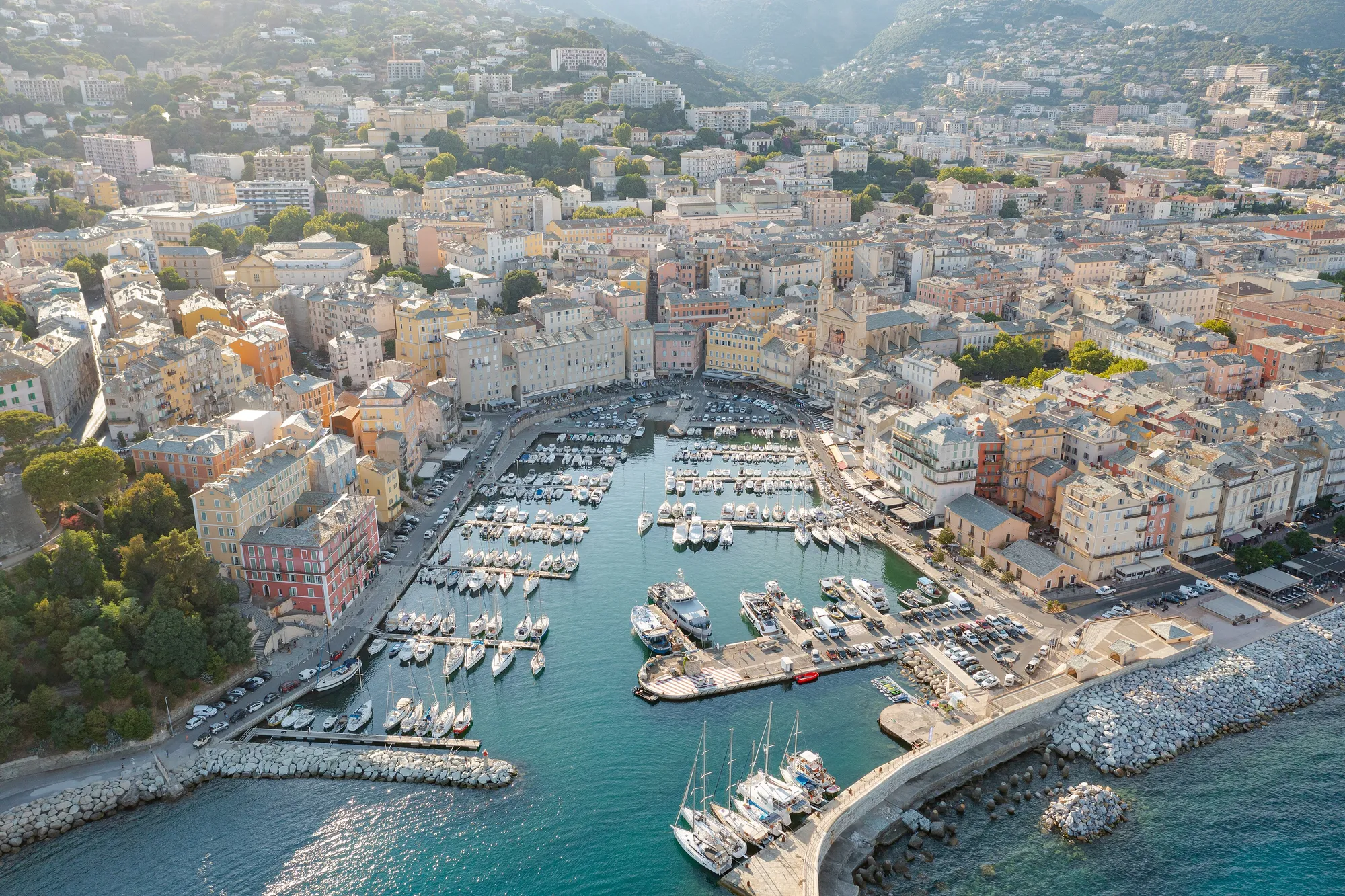
Five areas, on foot in the centre or by car towards Cap Corse and the southern beaches, with the places to stay we have chosen.
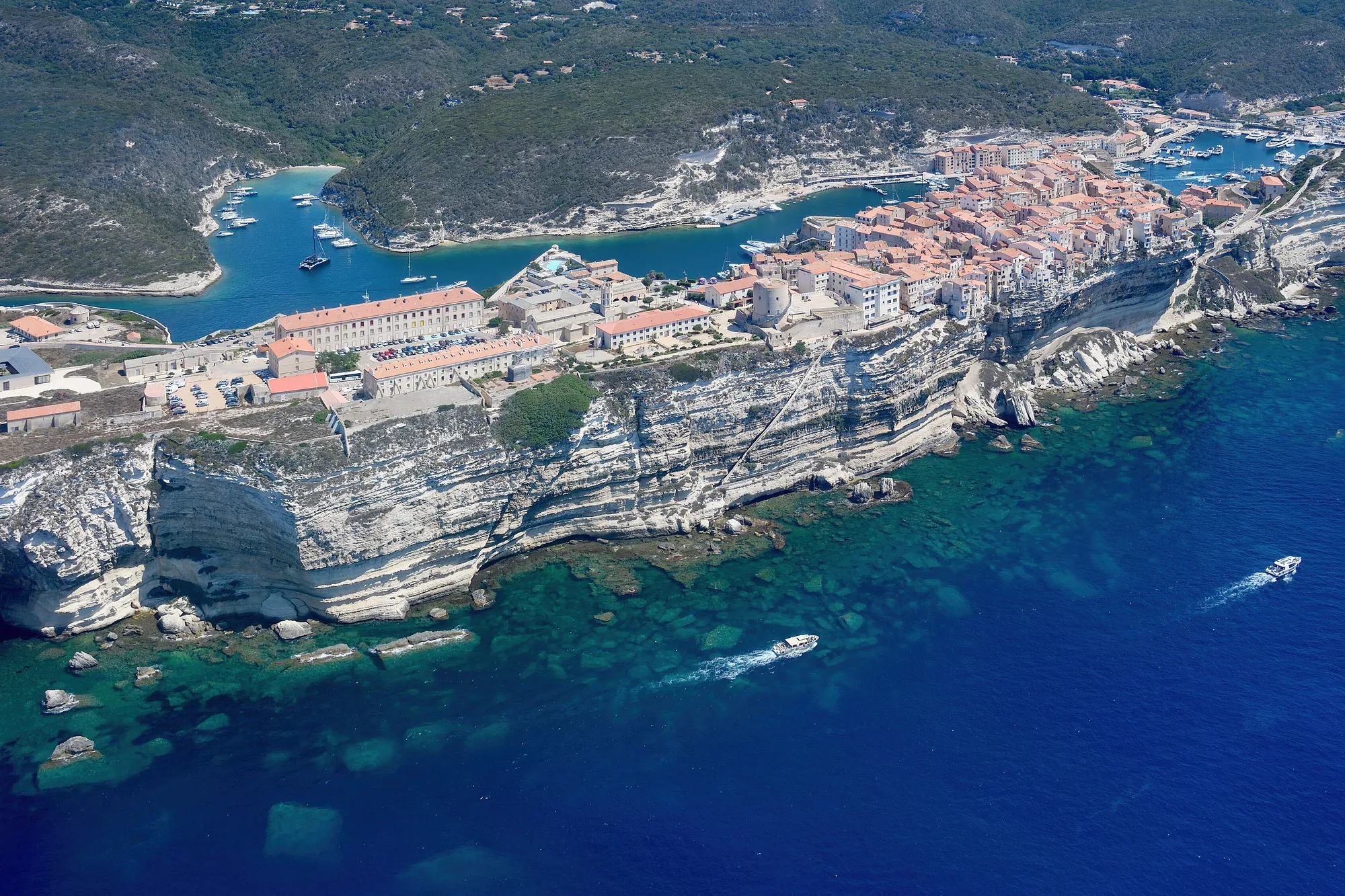
Old town, harbour or seaside: choose the area first, then the place to stay.
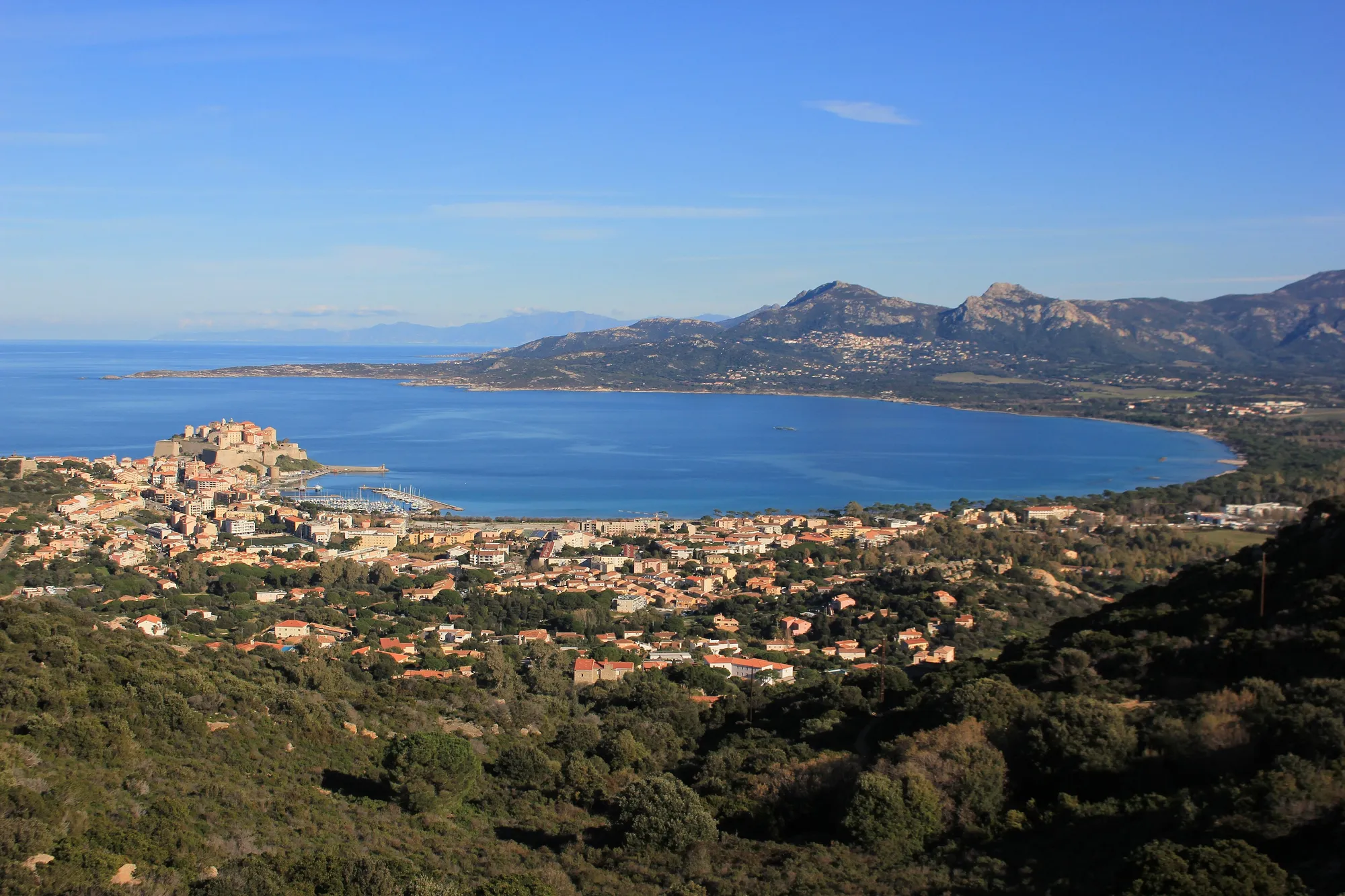
Harbour, citadel, pine forest, hillside or villages: the area you pick decides whether you will need a car.
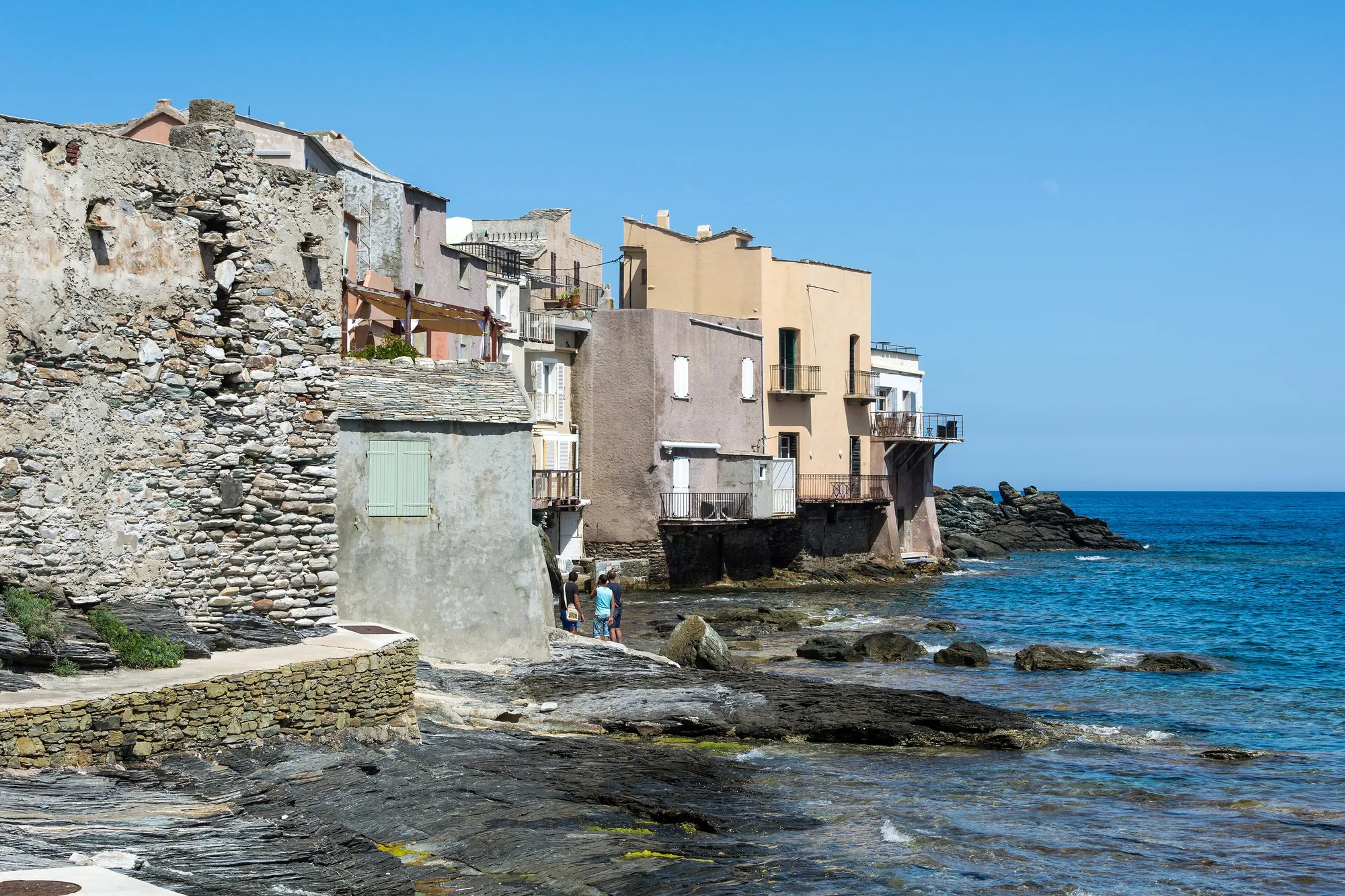
Four areas, in the order of the drive, from the harbour at Erbalunga to the hilltop villages of the west coast, with the places to stay we have chosen.
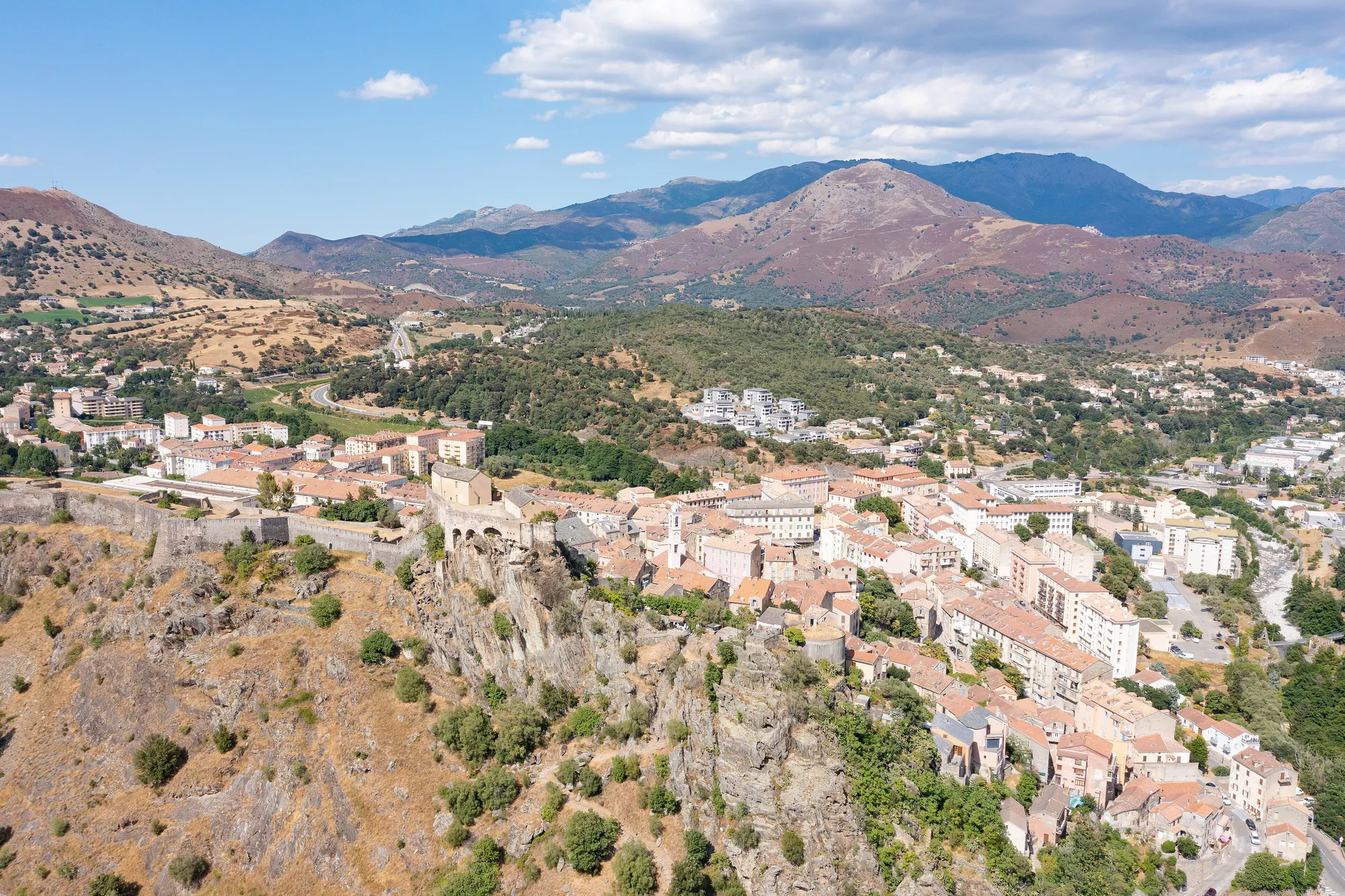
Citadel, centre, station or valleys: in Corte, the right area depends mostly on the car and on hiking.
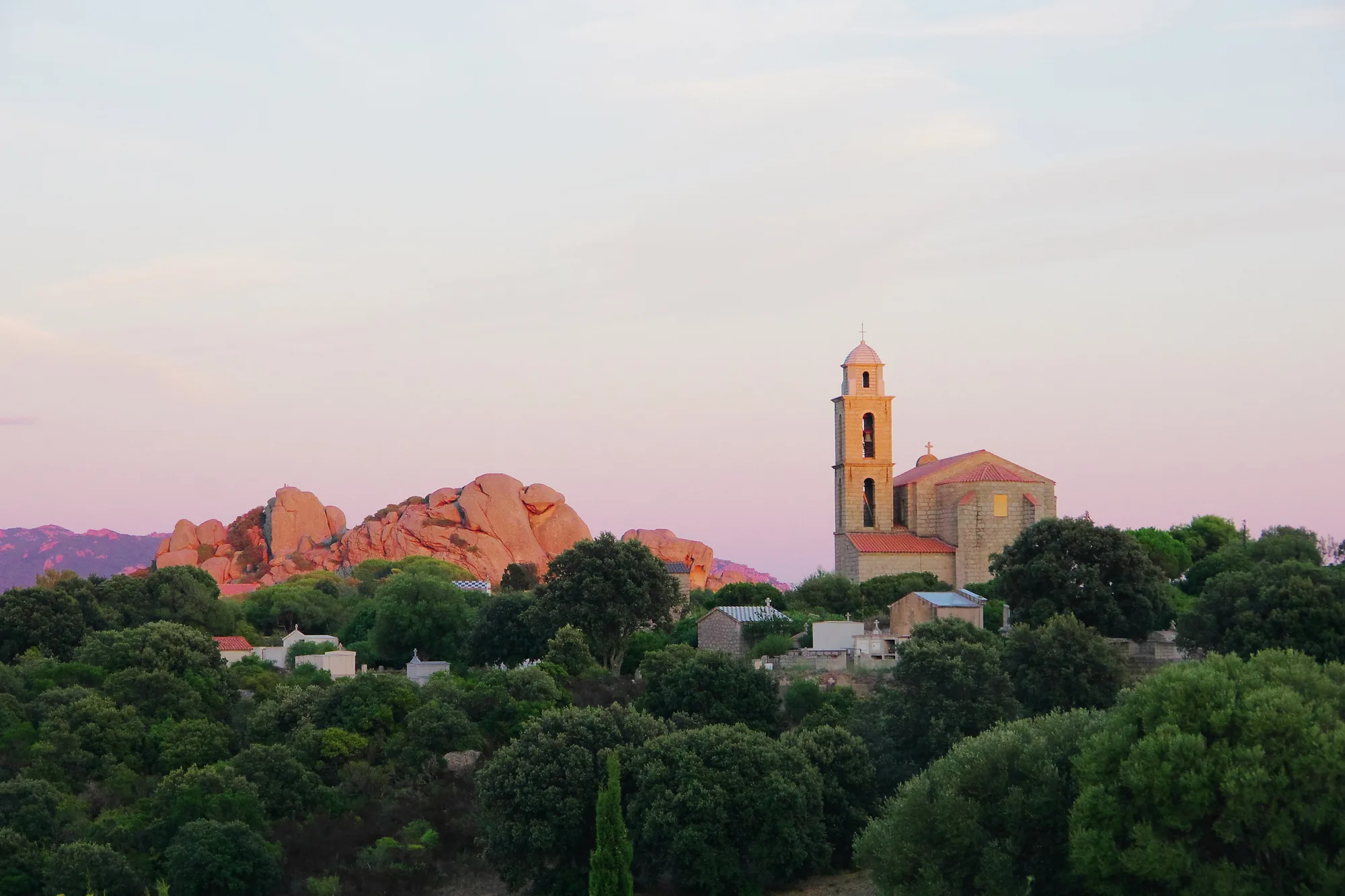
Hamlets, gulf or Pianottoli: in Figari, you get everywhere by car, and the airport is never far away.
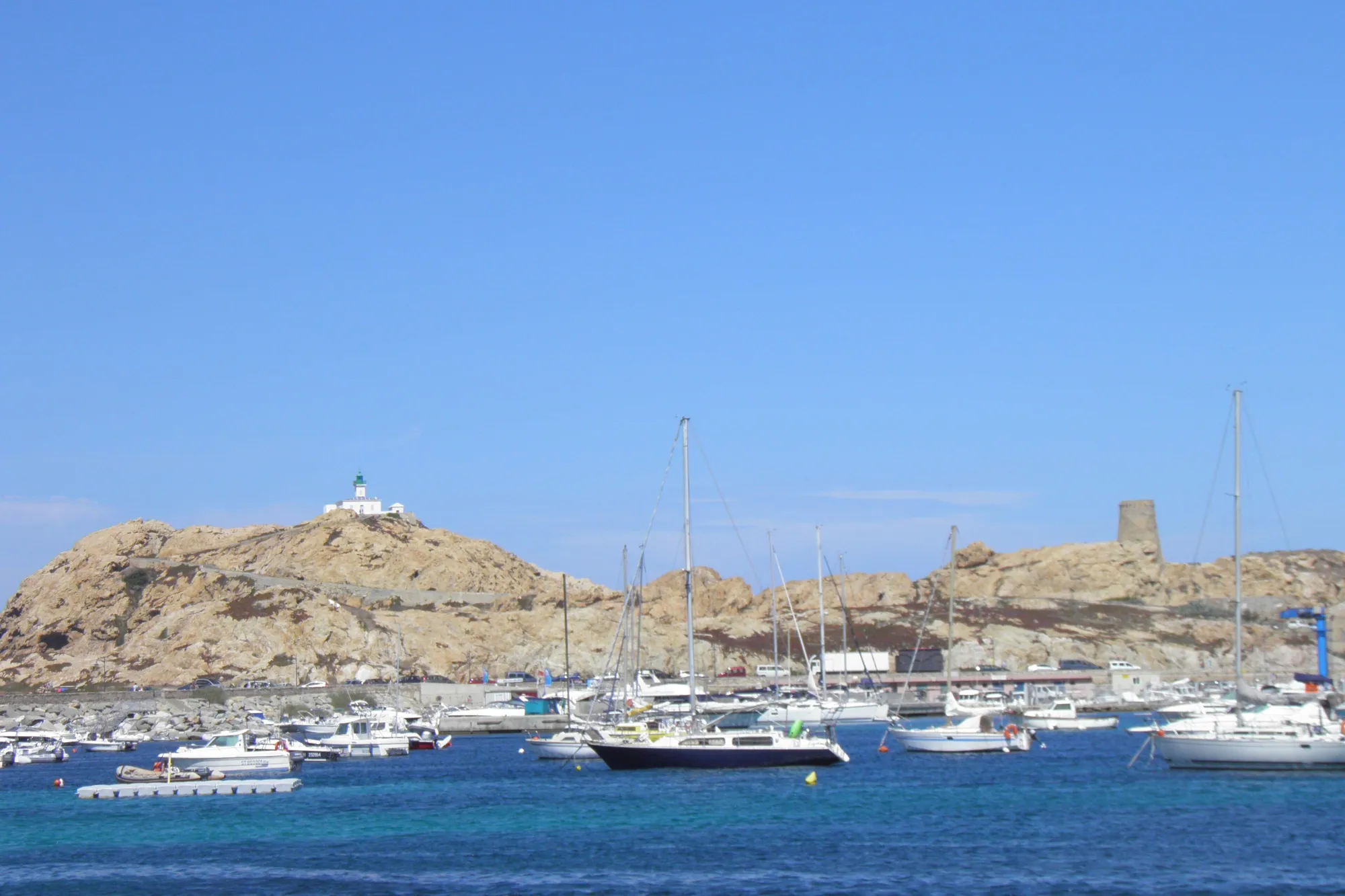
A small town where everything is within walking distance, and hilltop villages if you have a car.
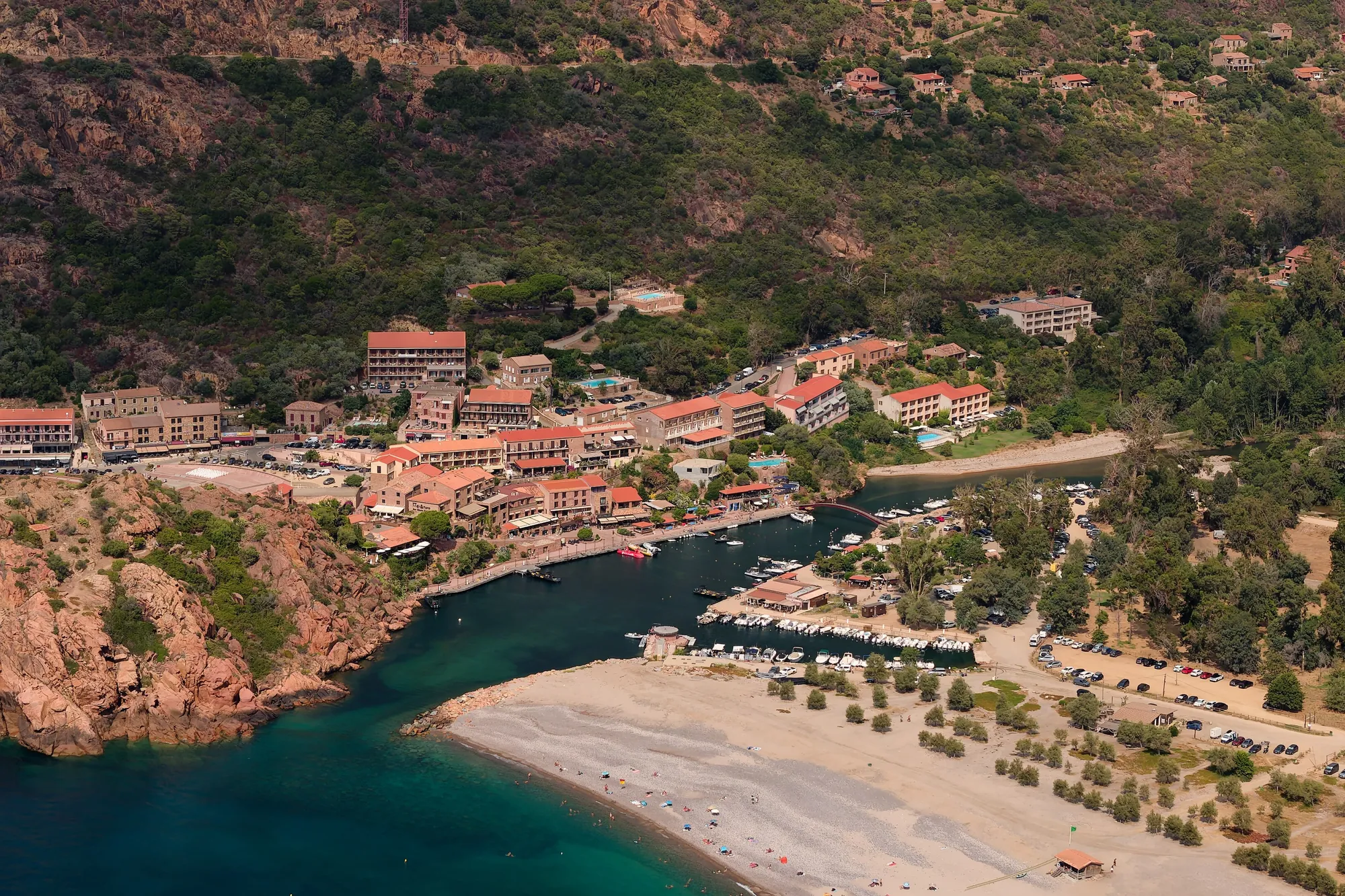
The marina for the boats, Piana for the calanques, Évisa for the mountains: around Porto, each village serves a different purpose.
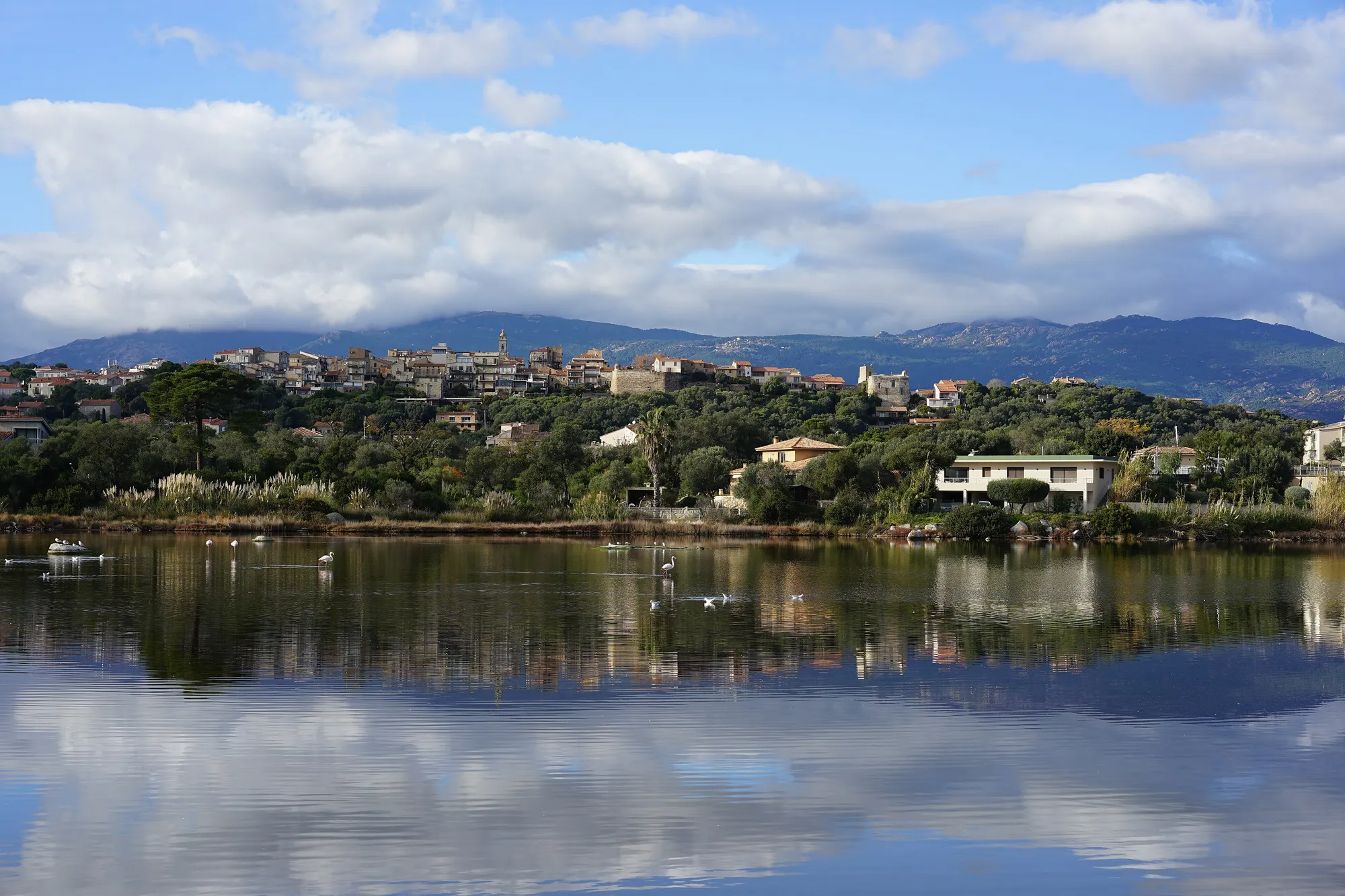
The town for evenings out, the beaches for peace and quiet: the area matters more than the address.
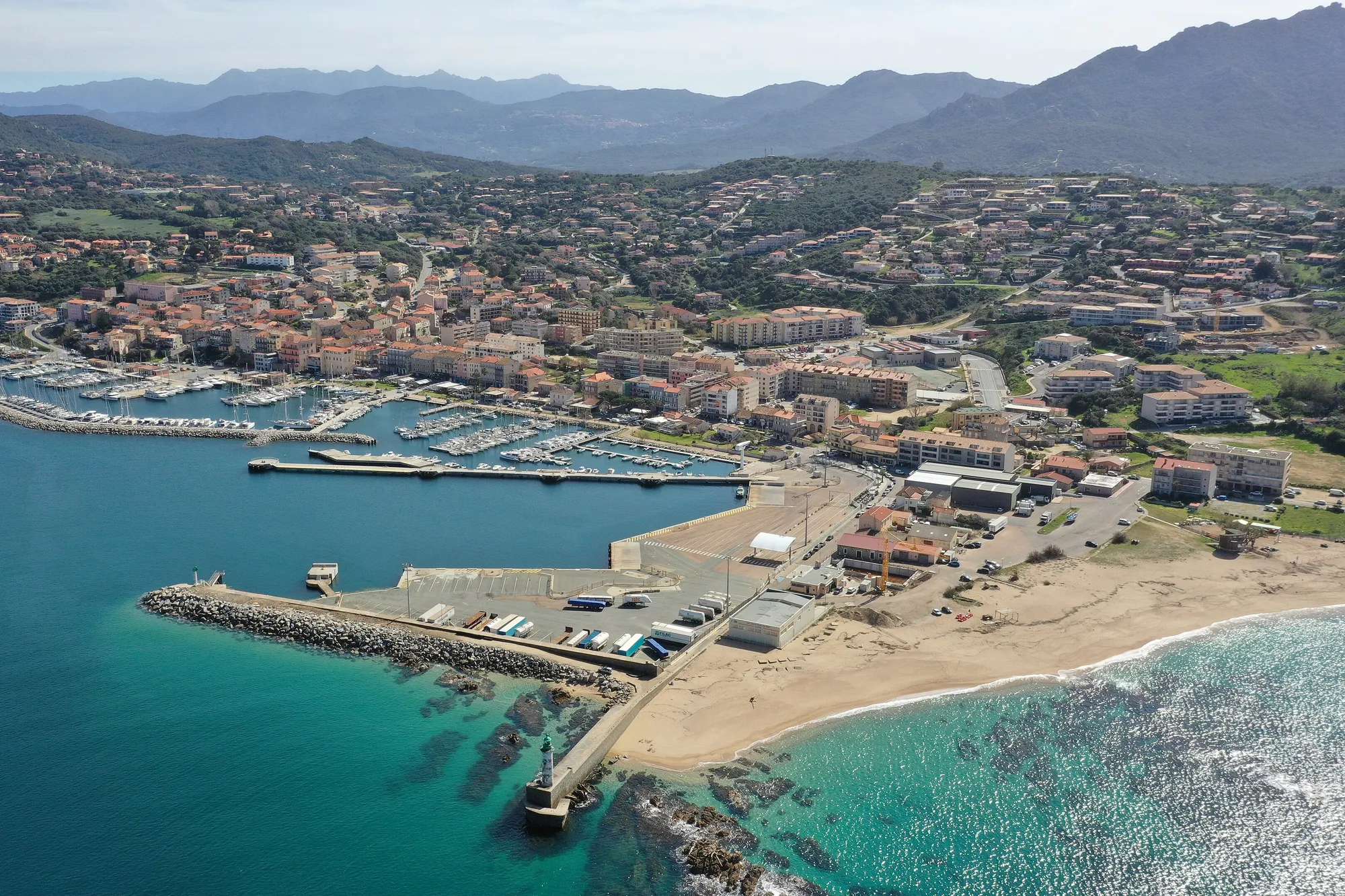
The port on foot or the beaches of the gulf: the Valinco is best chosen area by area.
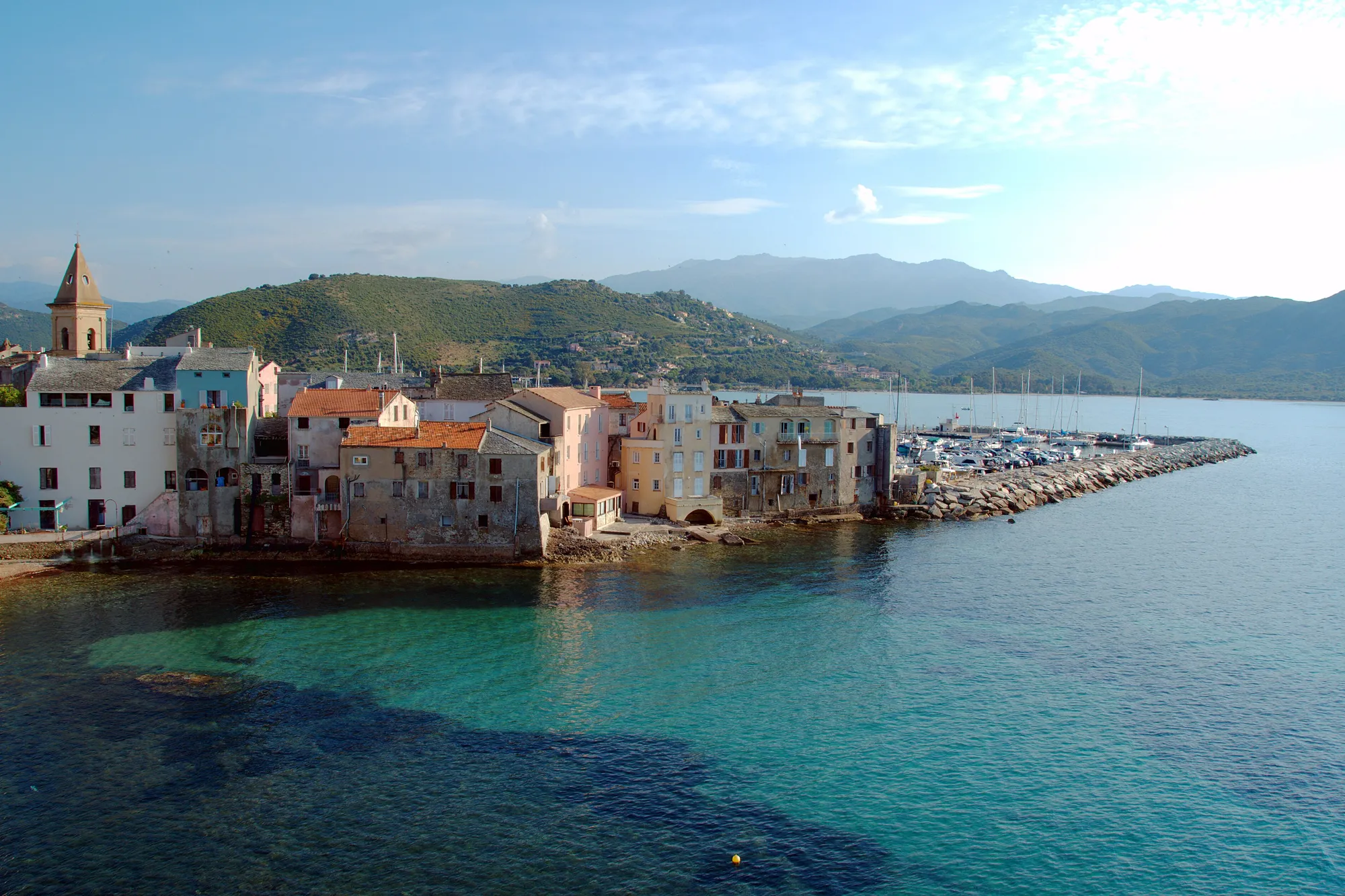
Four areas, from the lively port to the Nebbiu villages among the vines, with the places to stay we have chosen.
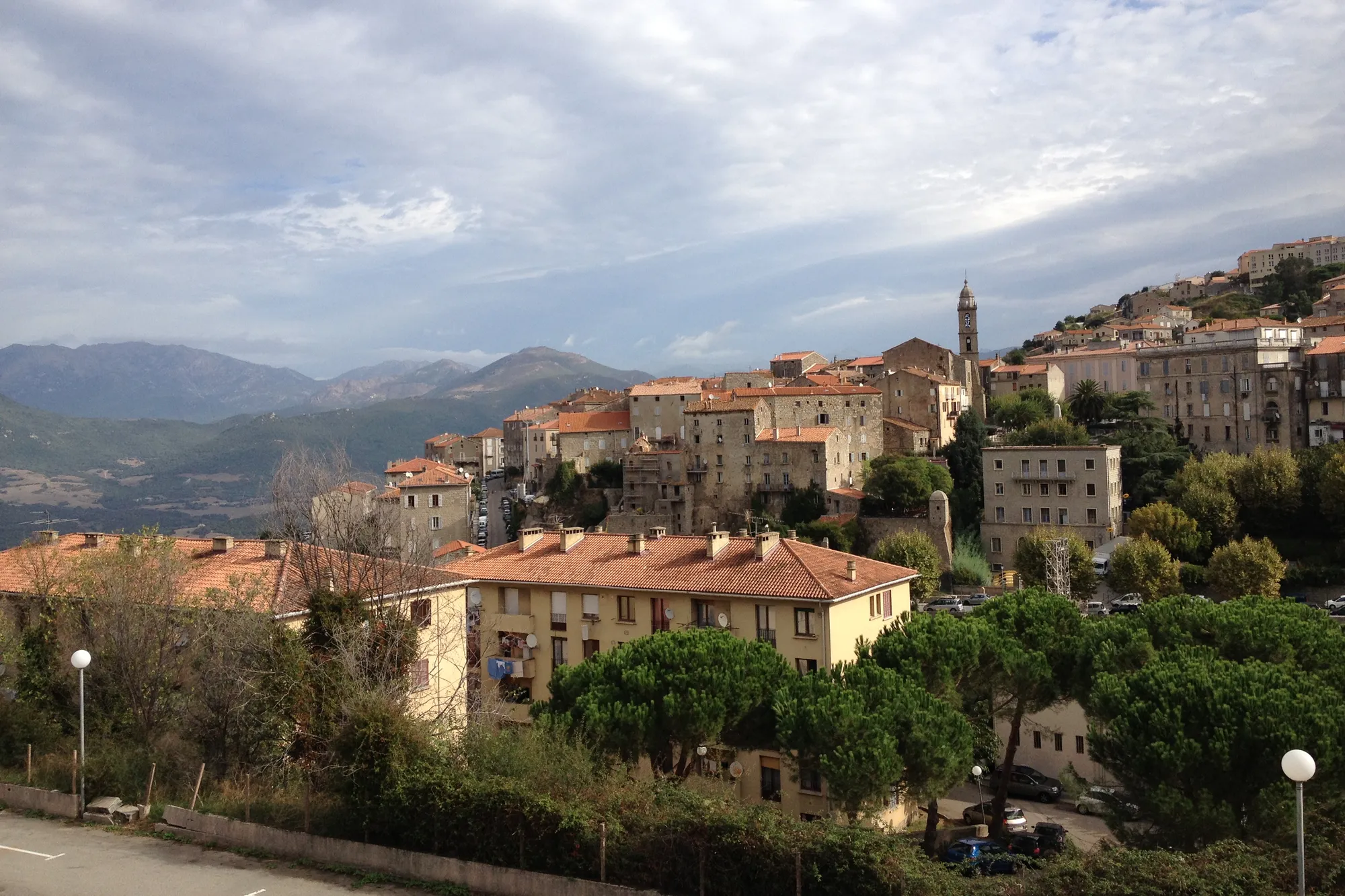
Few beds in town, more on the coast: in Sartène, the area decides everything.
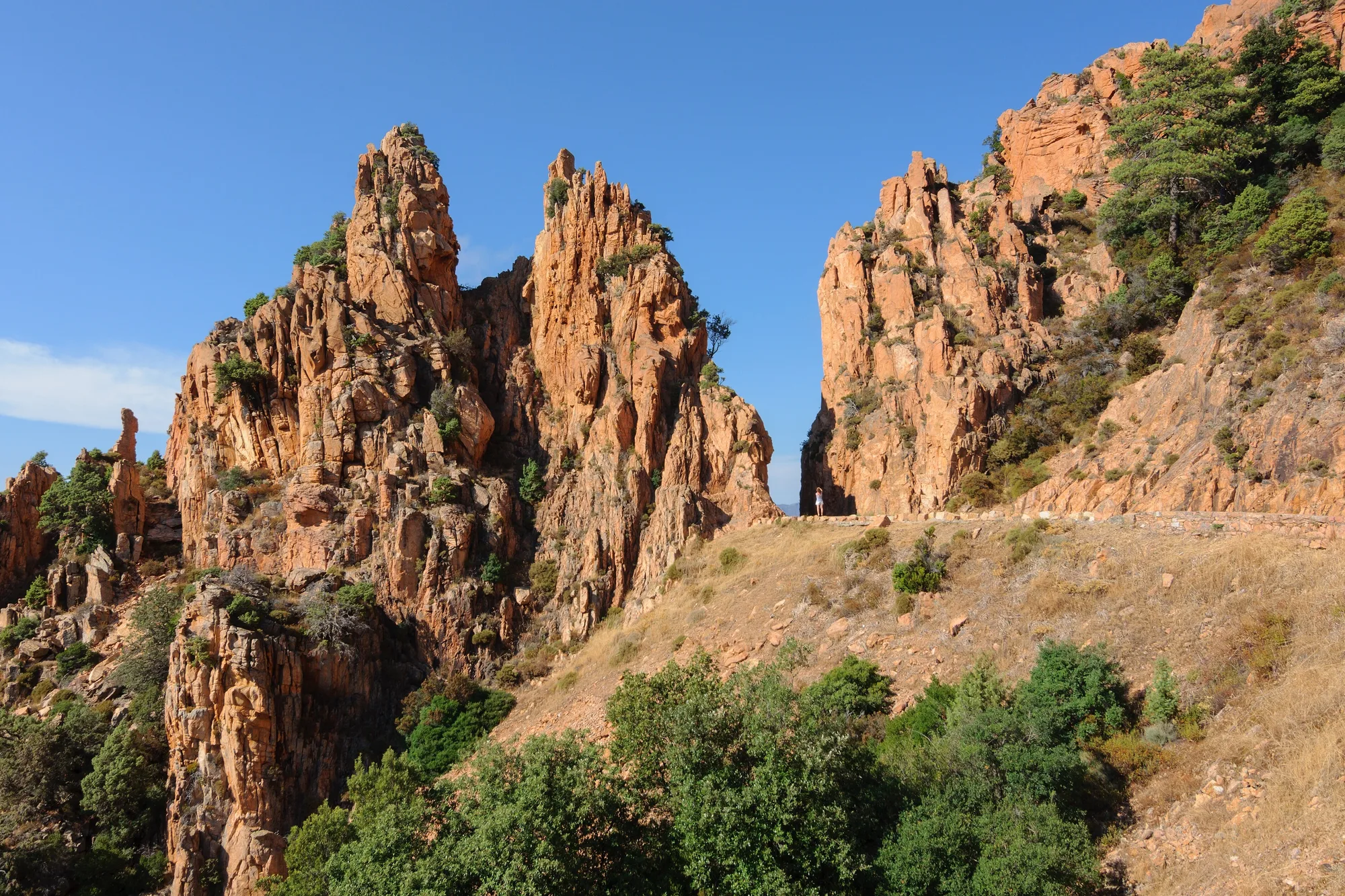
The stars from the official register, not the ones shown on booking sites.
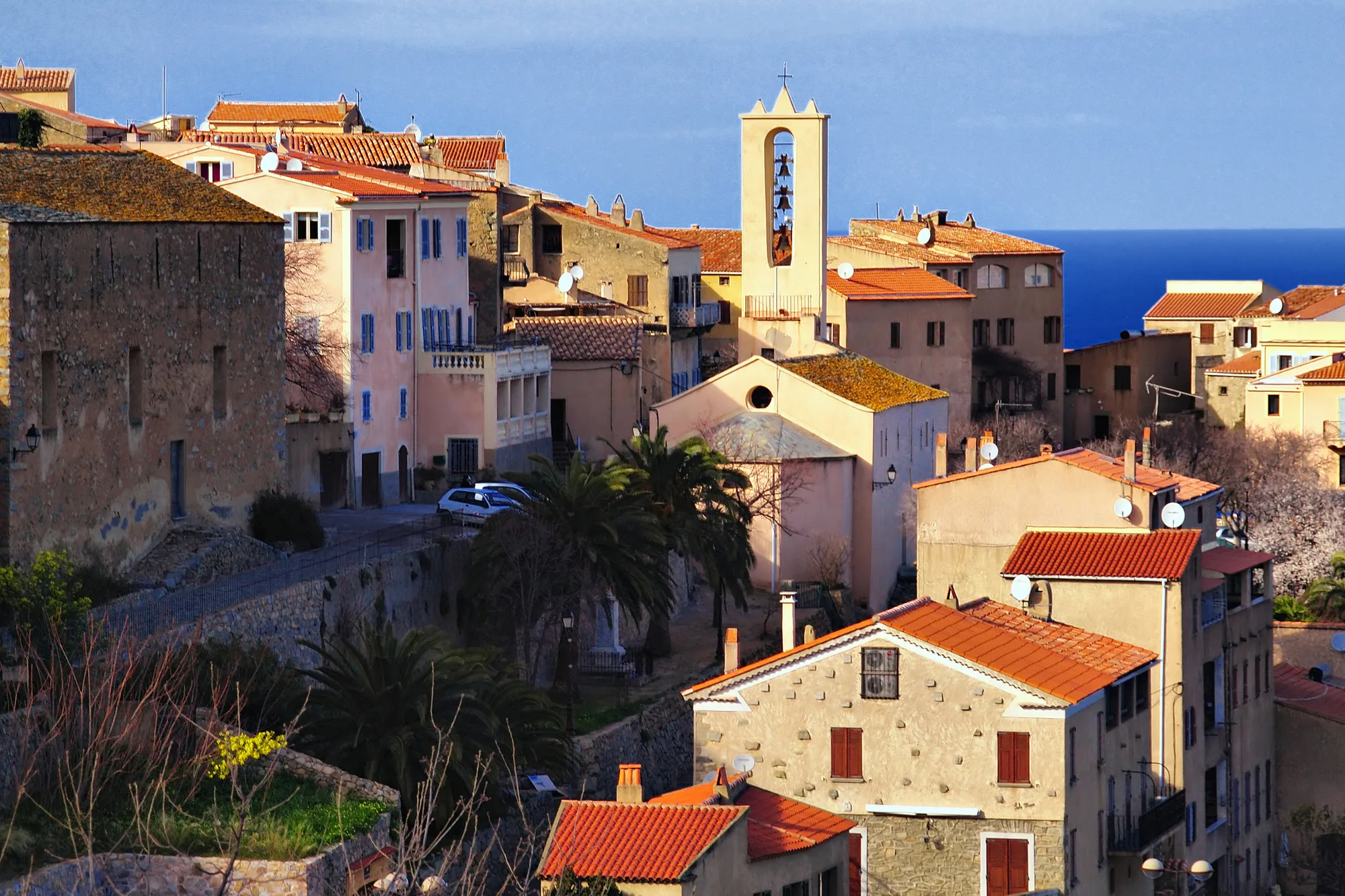
Twenty rooms at most and a rating of at least 9/10: criteria you can check, not a label.
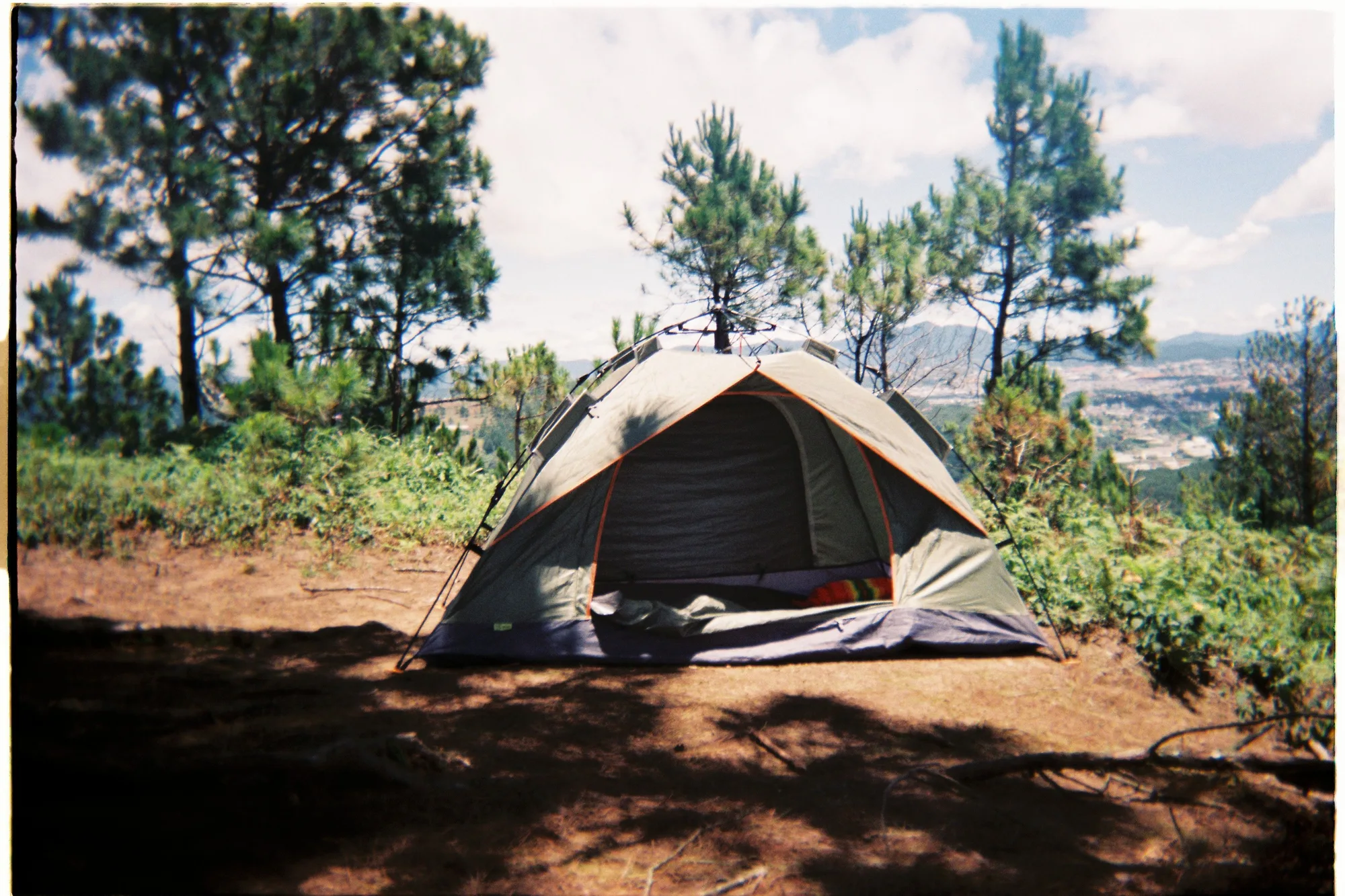
Campsites classified on the official register and rated at least 8/10 by their guests, grouped by region.
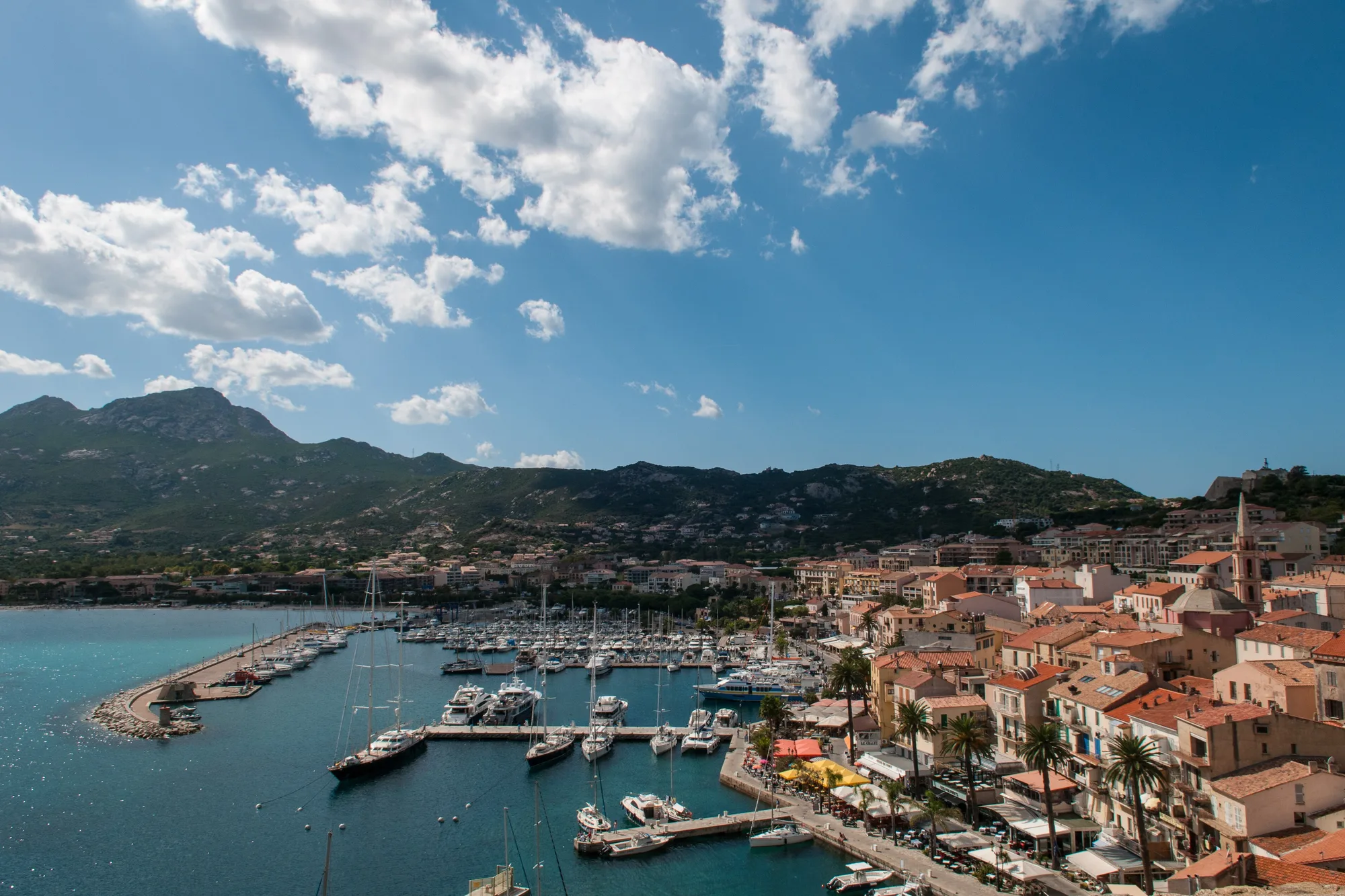
Measured on the map, less than 150 m from the shore: by a beach or a harbour.