
Transport · Featured
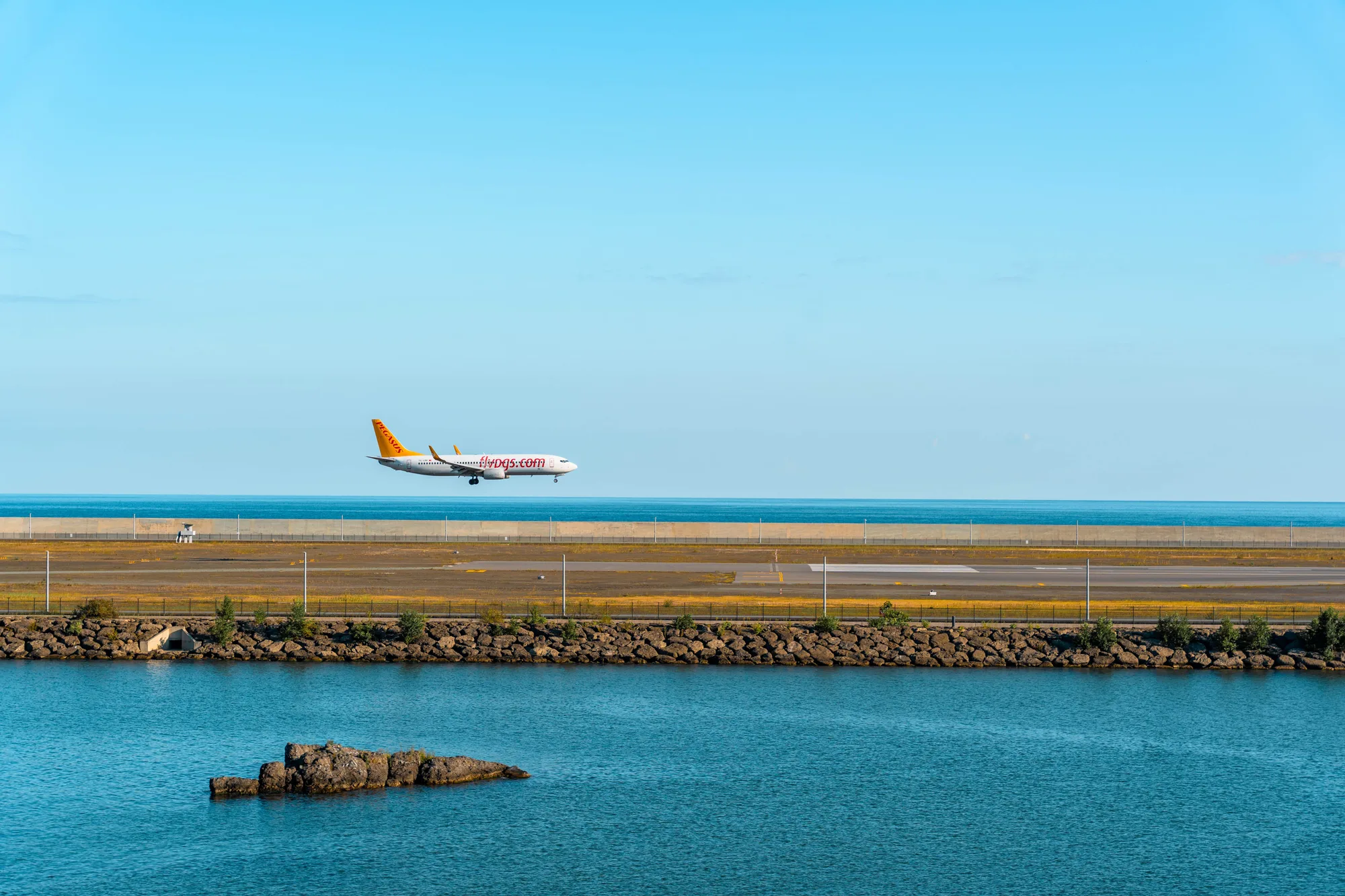
Flying to Corsica: airports, airlines and tips
The quickest way to reach Corsica. The four airports, the 2026 routes, flights from abroad and how to get into town when you land.

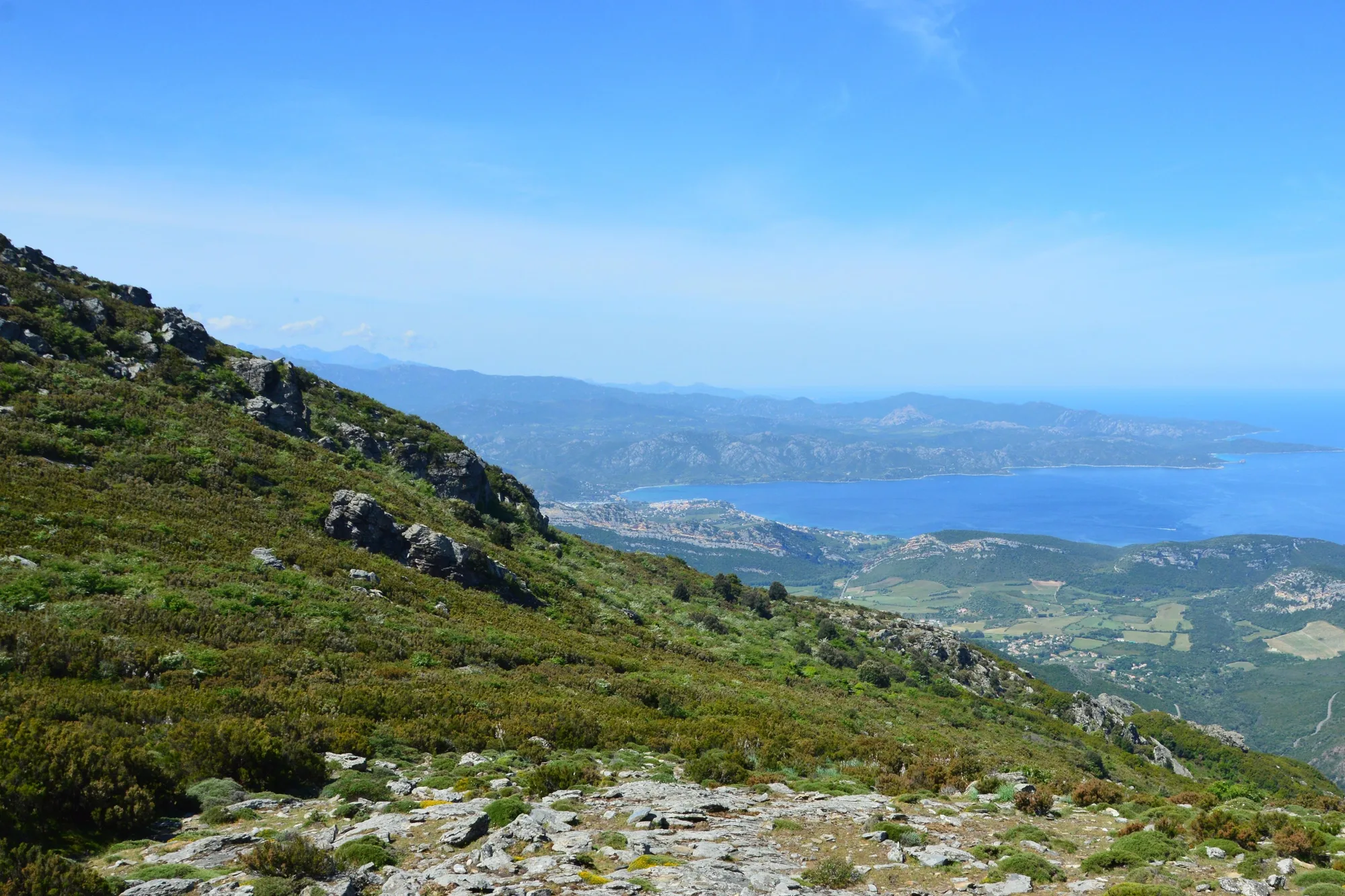
Ferry, flights, when to go, getting around and budget: the answers to the essential questions before you pack your bags.
The quickest way to reach Corsica. The four airports, the 2026 routes, flights from abroad and how to get into town when you land.
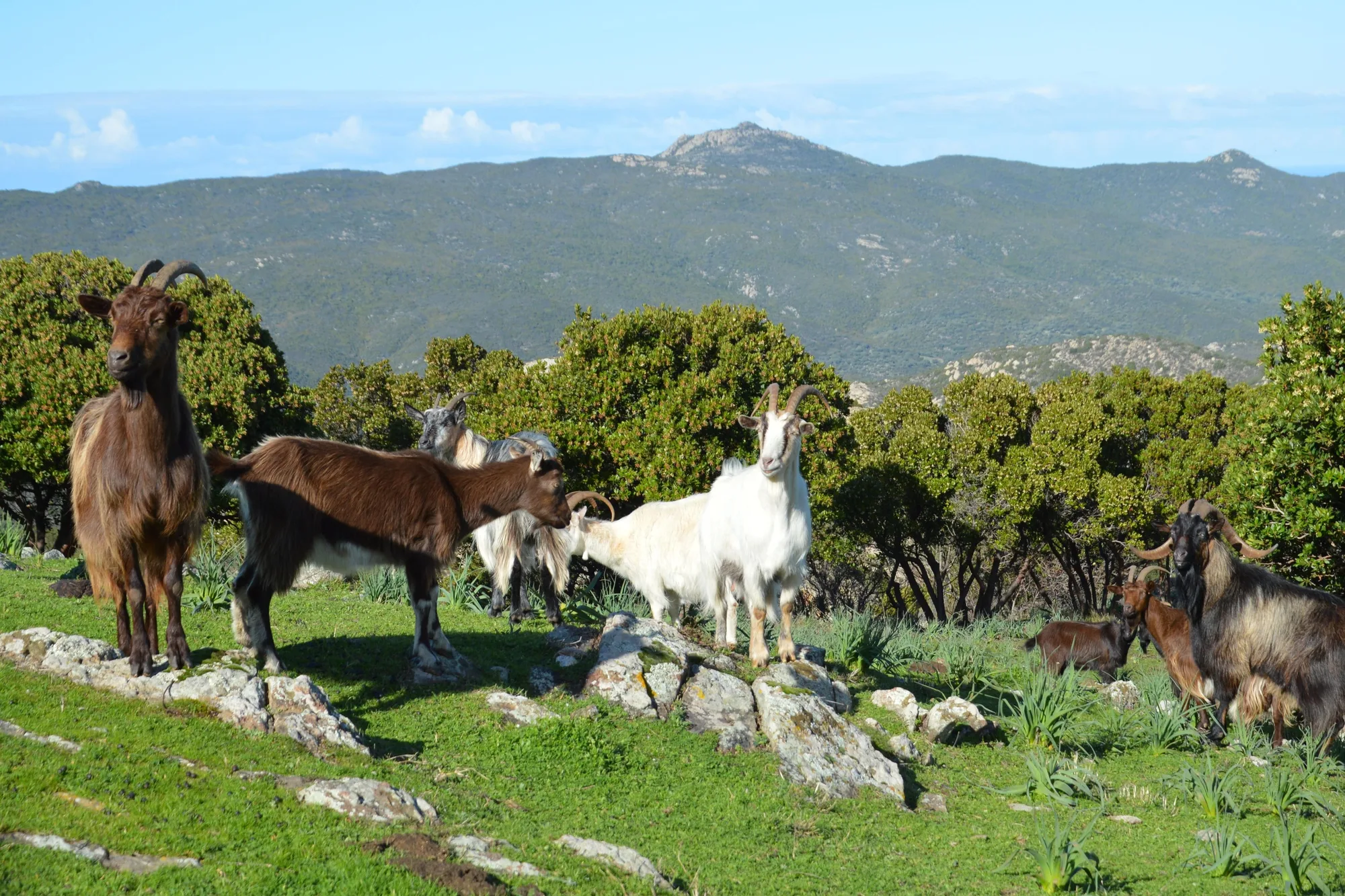
Free-range livestock, vineyards, citrus fruit and hazelnuts: how much organic farming there is in Corsica, and how to recognise an organic product.
Sparkling Orezza water, beer brewed with chestnut flour, the island’s own whisky and maquis liqueurs: what people drink in Corsica.
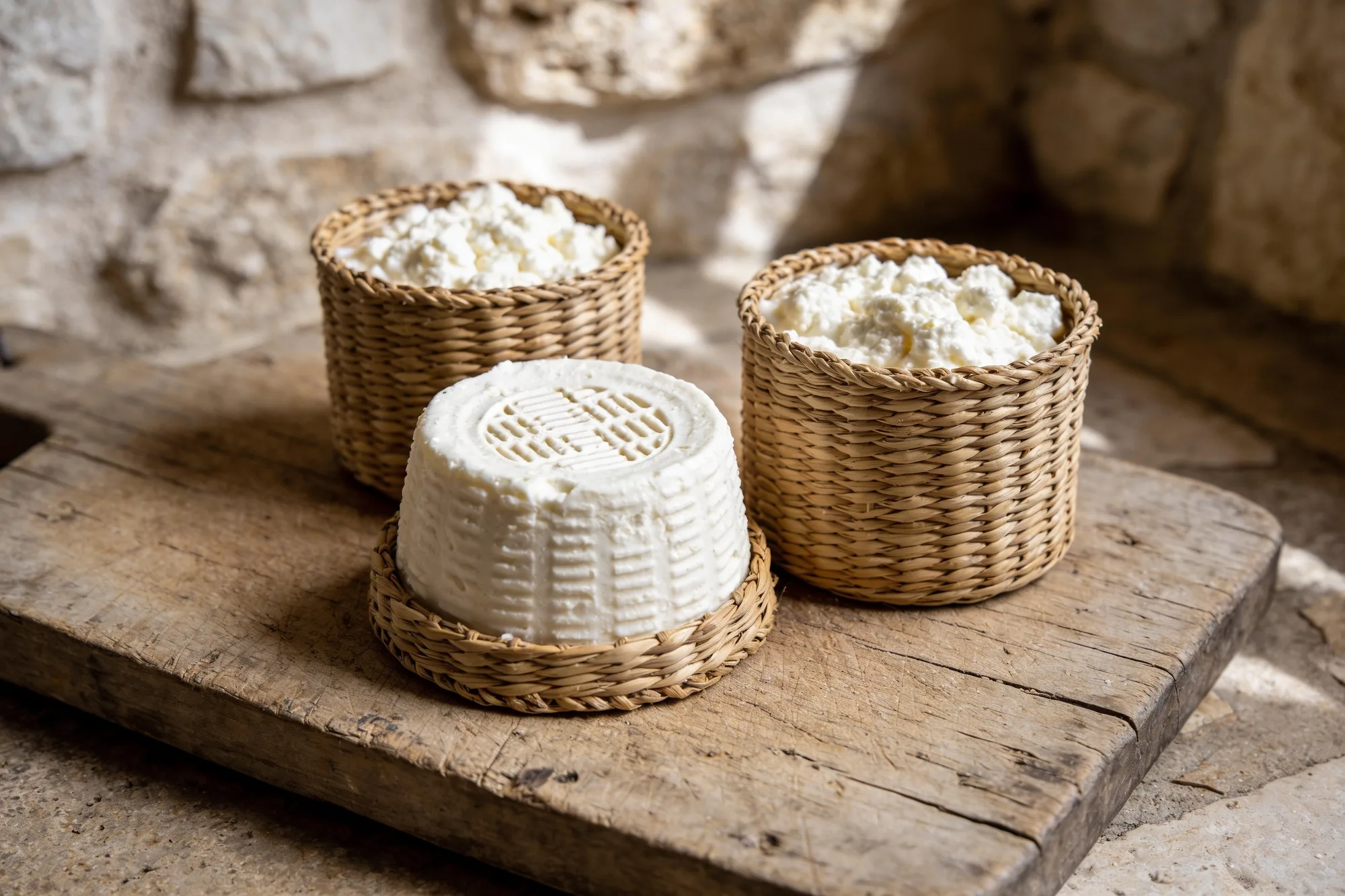
Brocciu is made from ewe’s or goat’s milk whey. It is eaten fresh in both sweet and savoury dishes, from omelettes to fiadone.
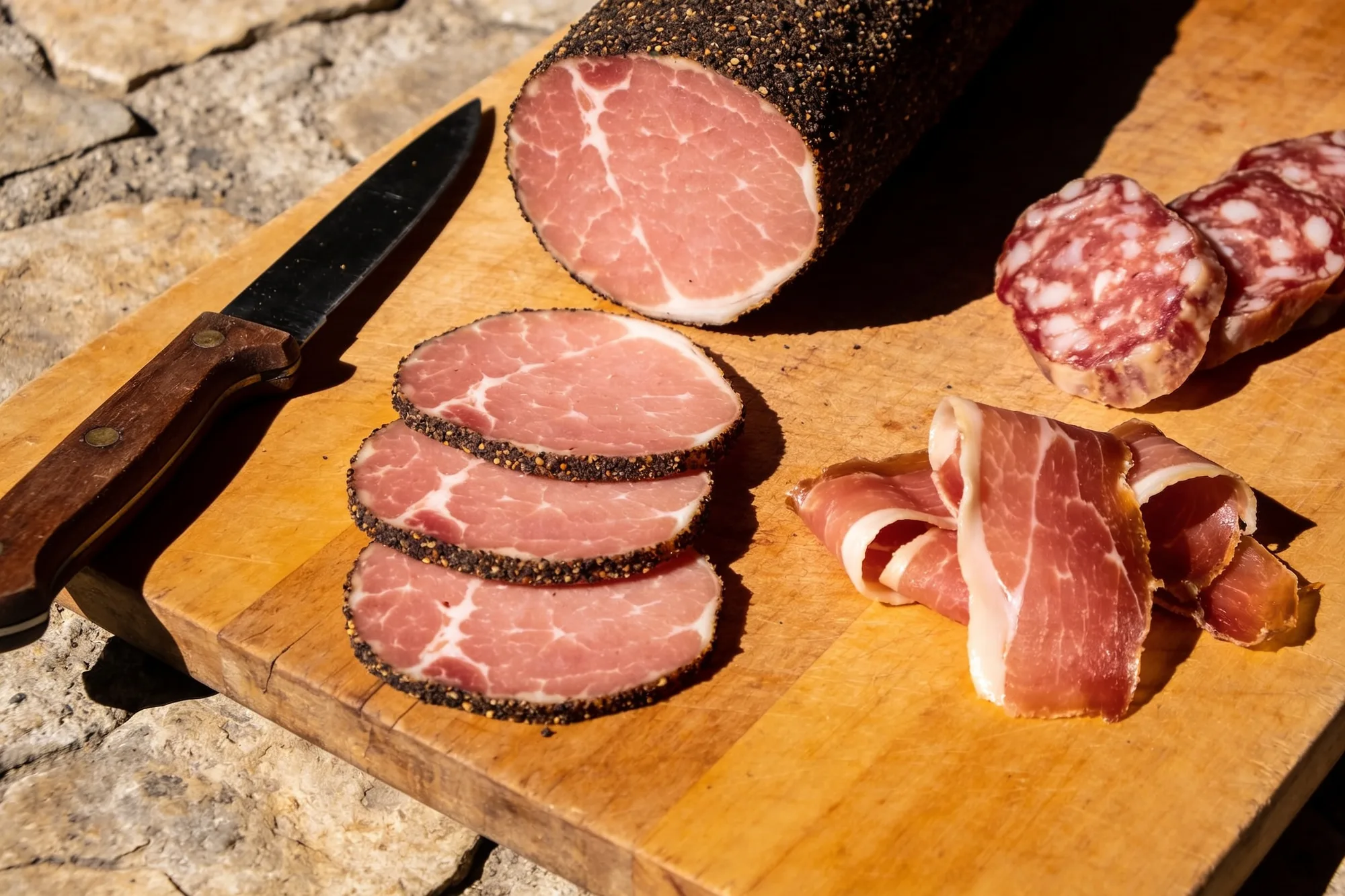
Prisuttu, lonzu, coppa, figatellu: Corsican charcuterie has its own appellations. Here is what they guarantee and how to recognise them.
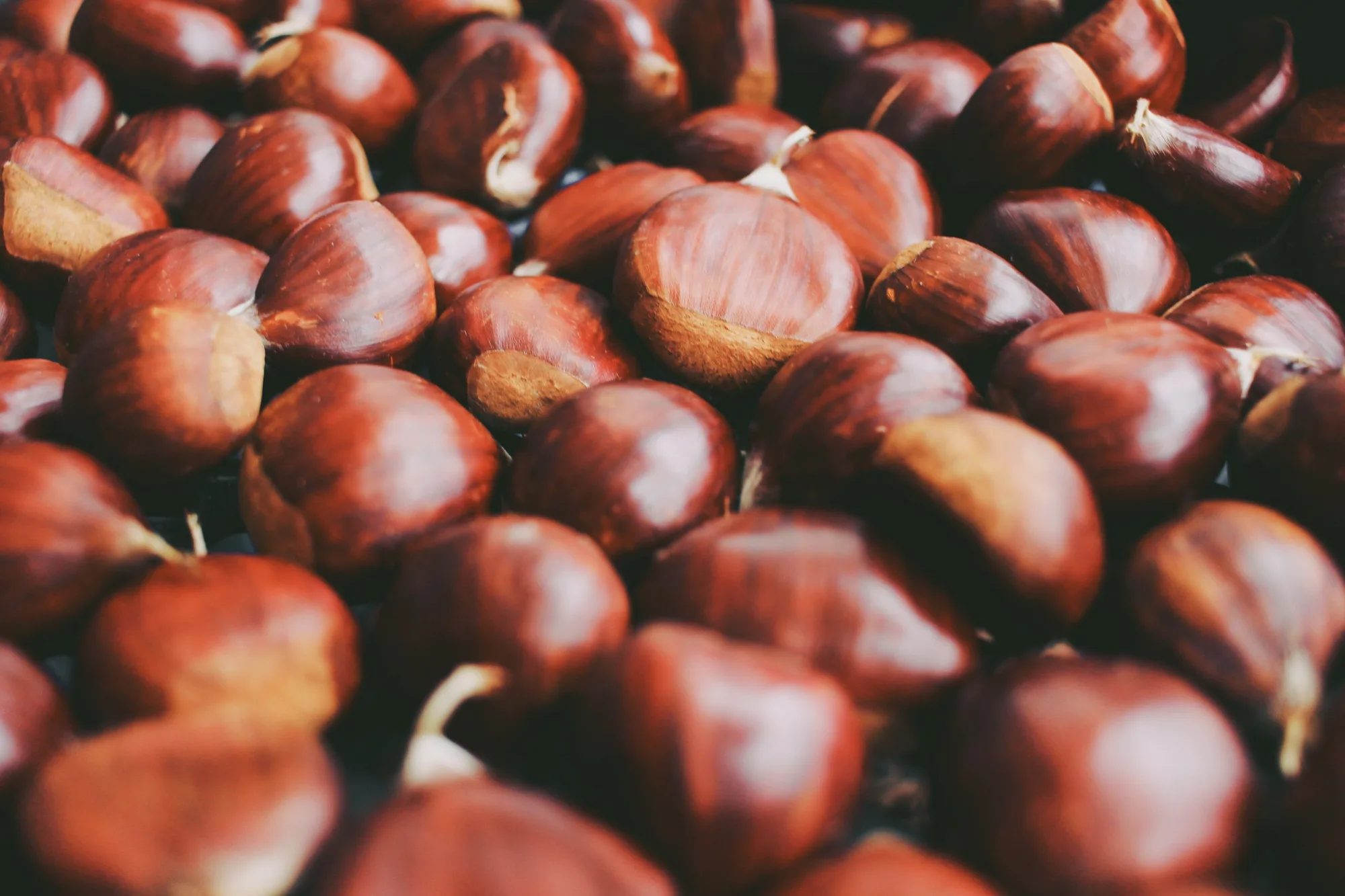
Ground between millstones, Corsican chestnut flour has been a PDO since 2010. It is used for pulenda, fritters and many cakes.
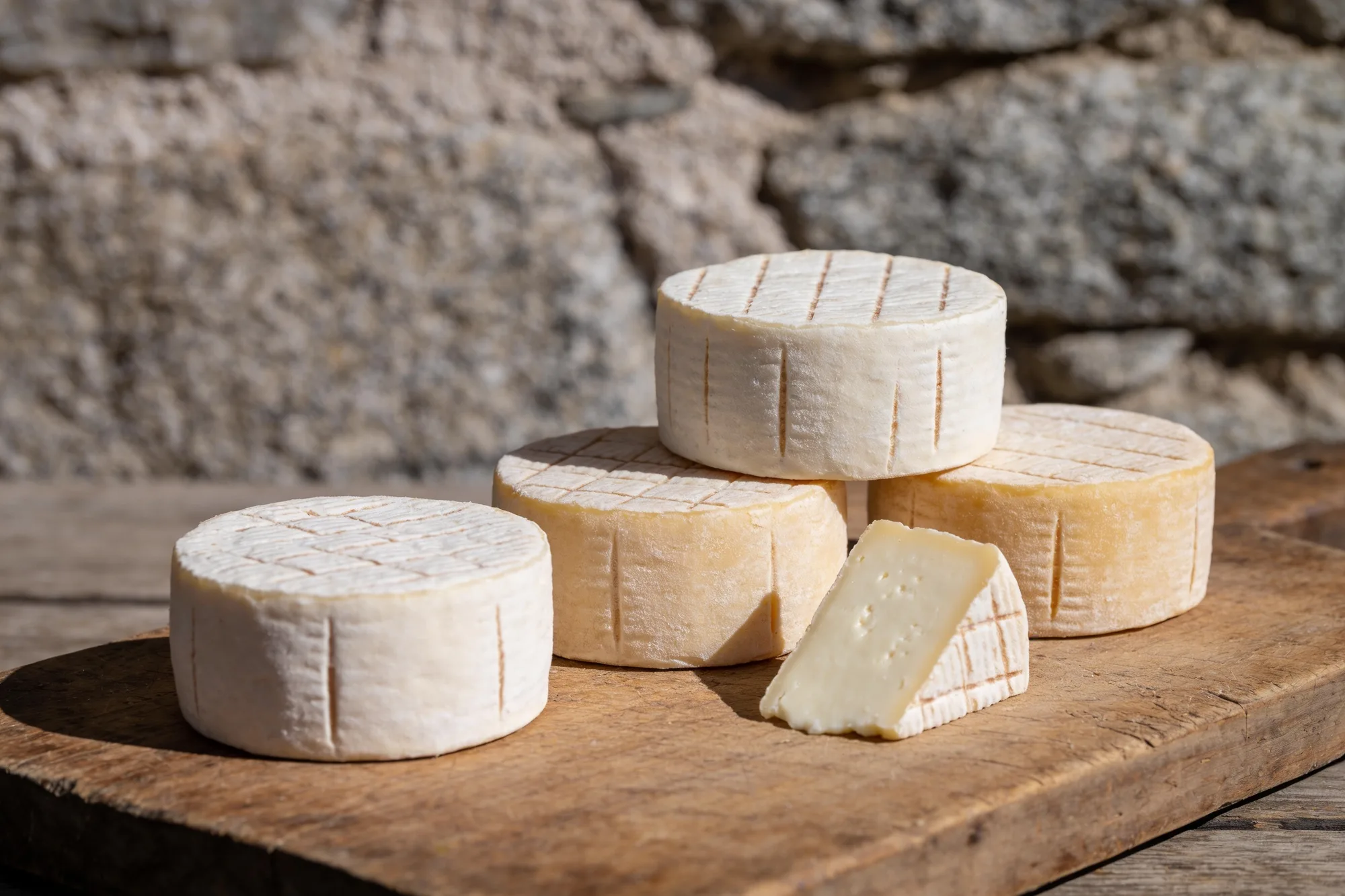
As famous as the island’s charcuterie, Corsican cheese comes as PDO brocciu and as farmhouse tommes made from ewe’s and goat’s milk, each tied to its own area.
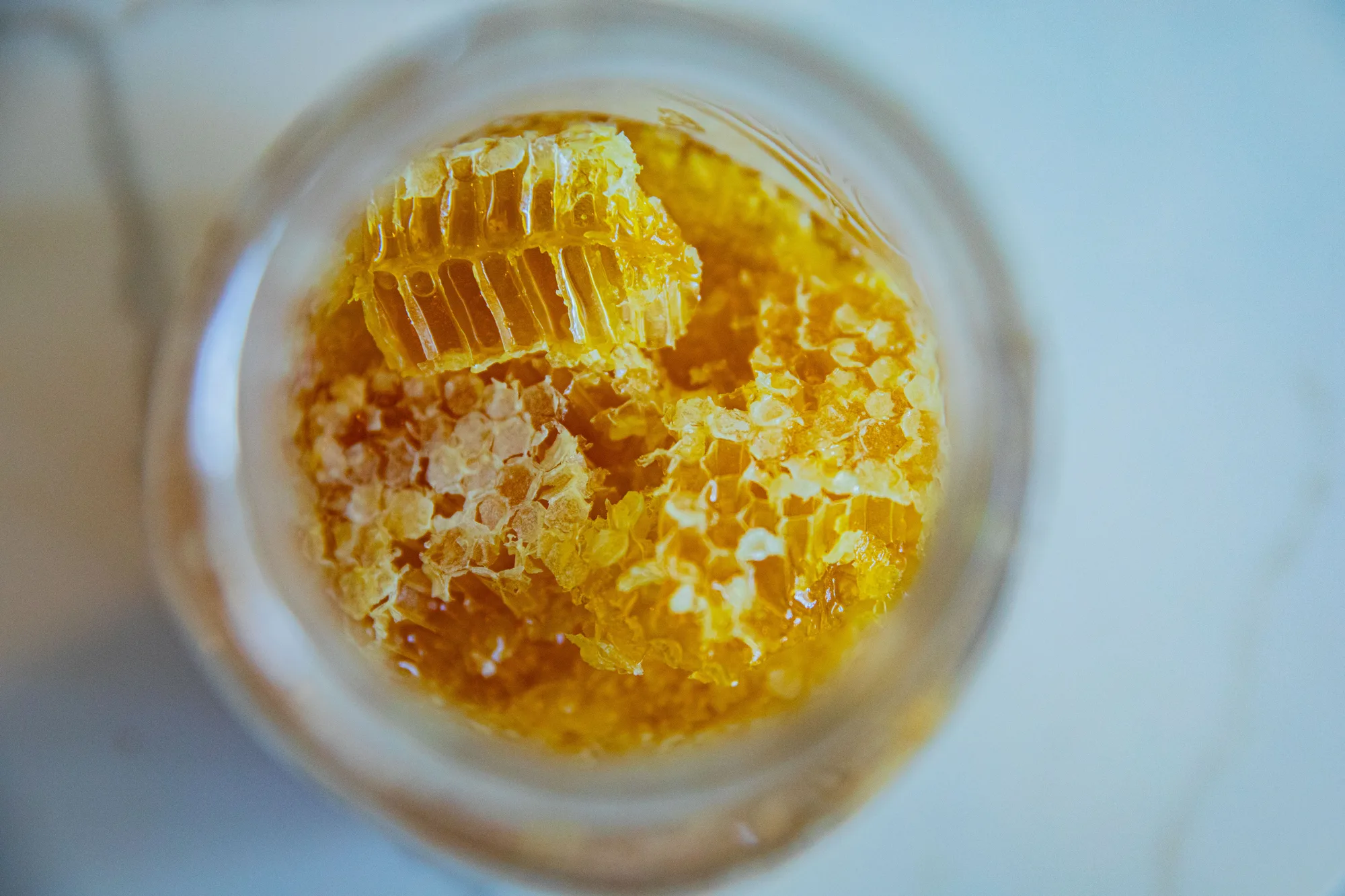
Corsican honey has had its own appellation since 1998. Six honeys, from spring to the autumn maquis, reflect the island’s flora.
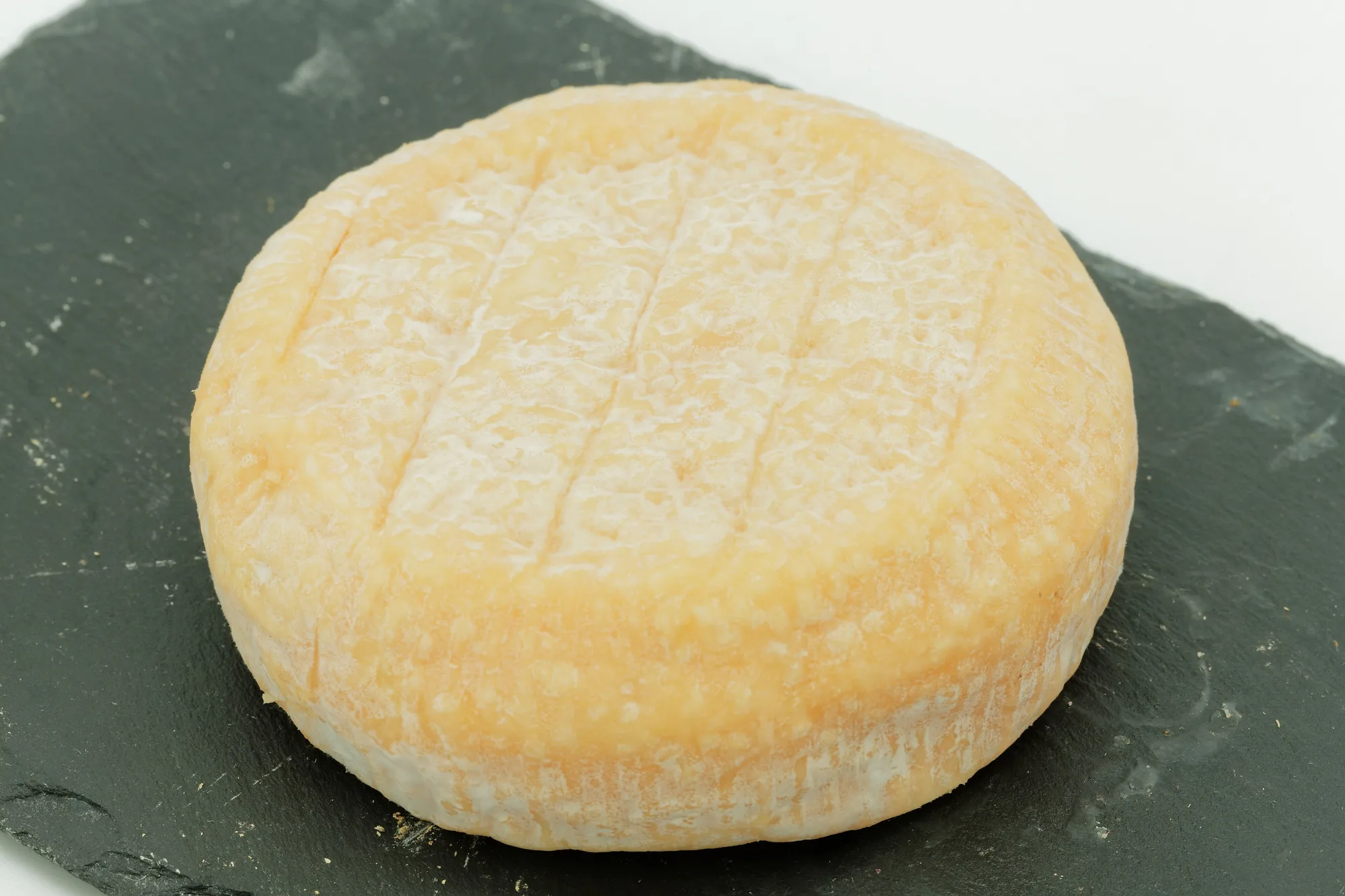
Dishes to try, Corsican produce with a protected name and a basket of things to take home, provided you check the label.
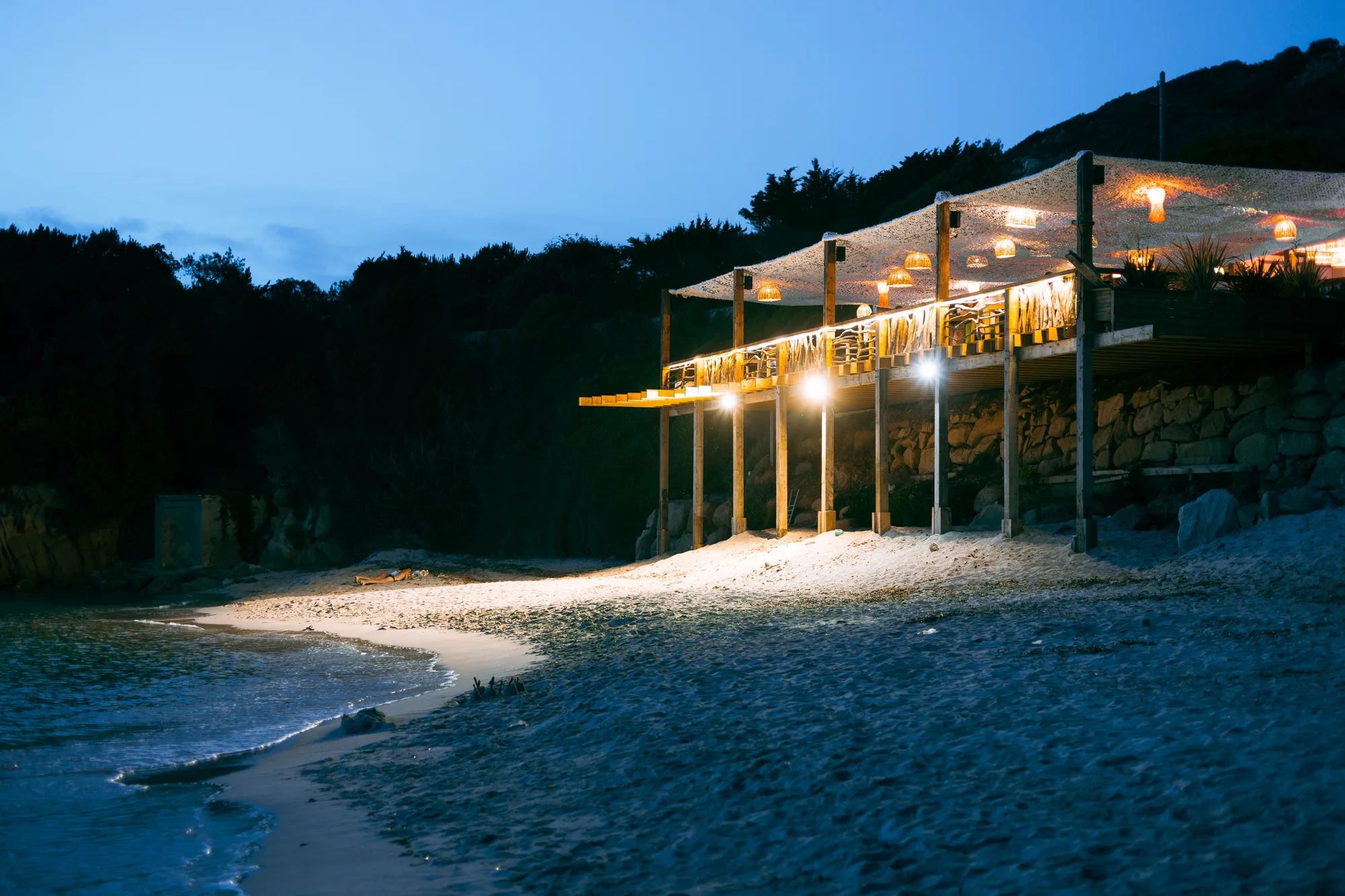
What to order in a Corsican restaurant, in which season, and a few pointers for spotting a kitchen that cooks with island produce.
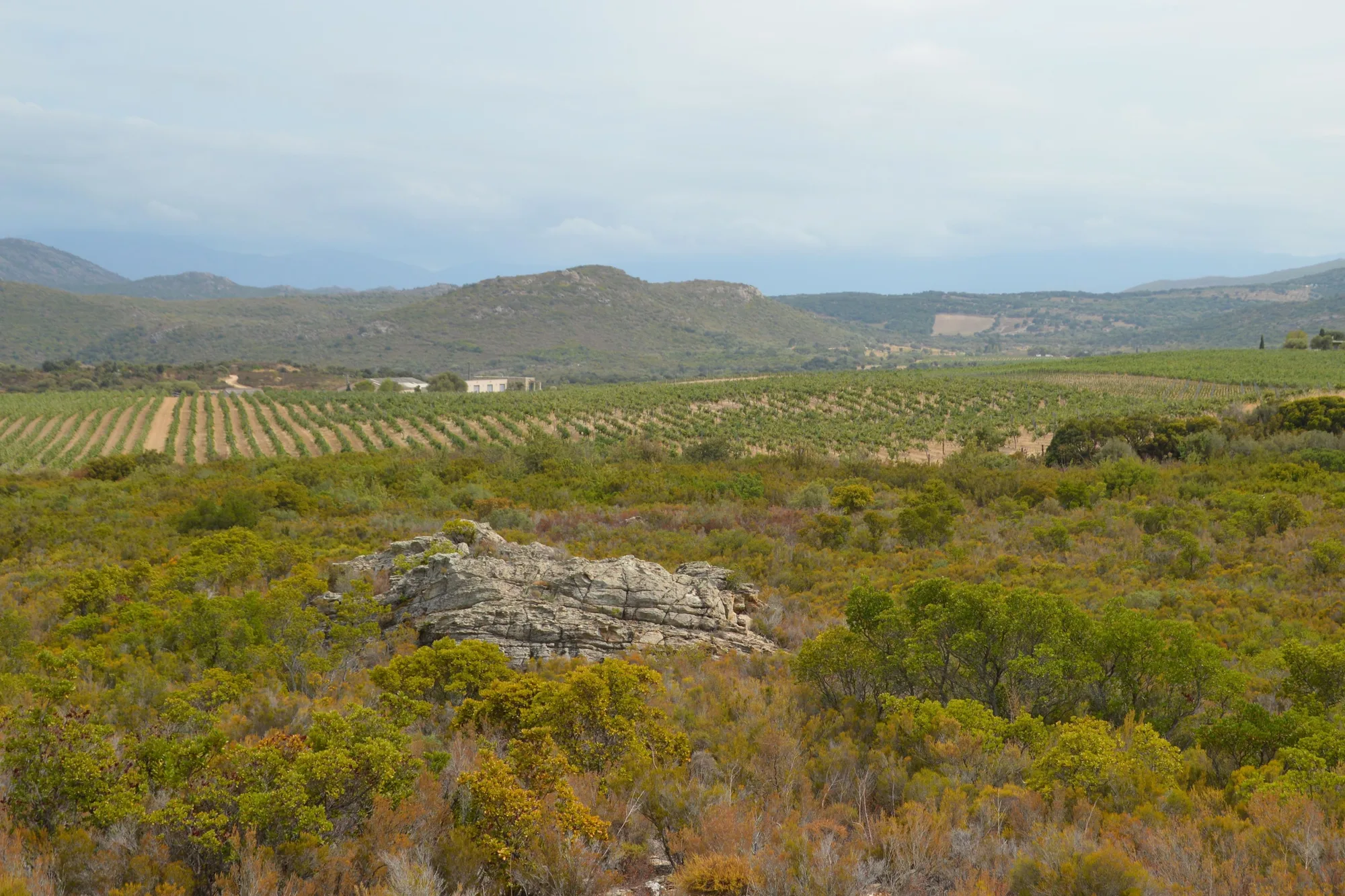
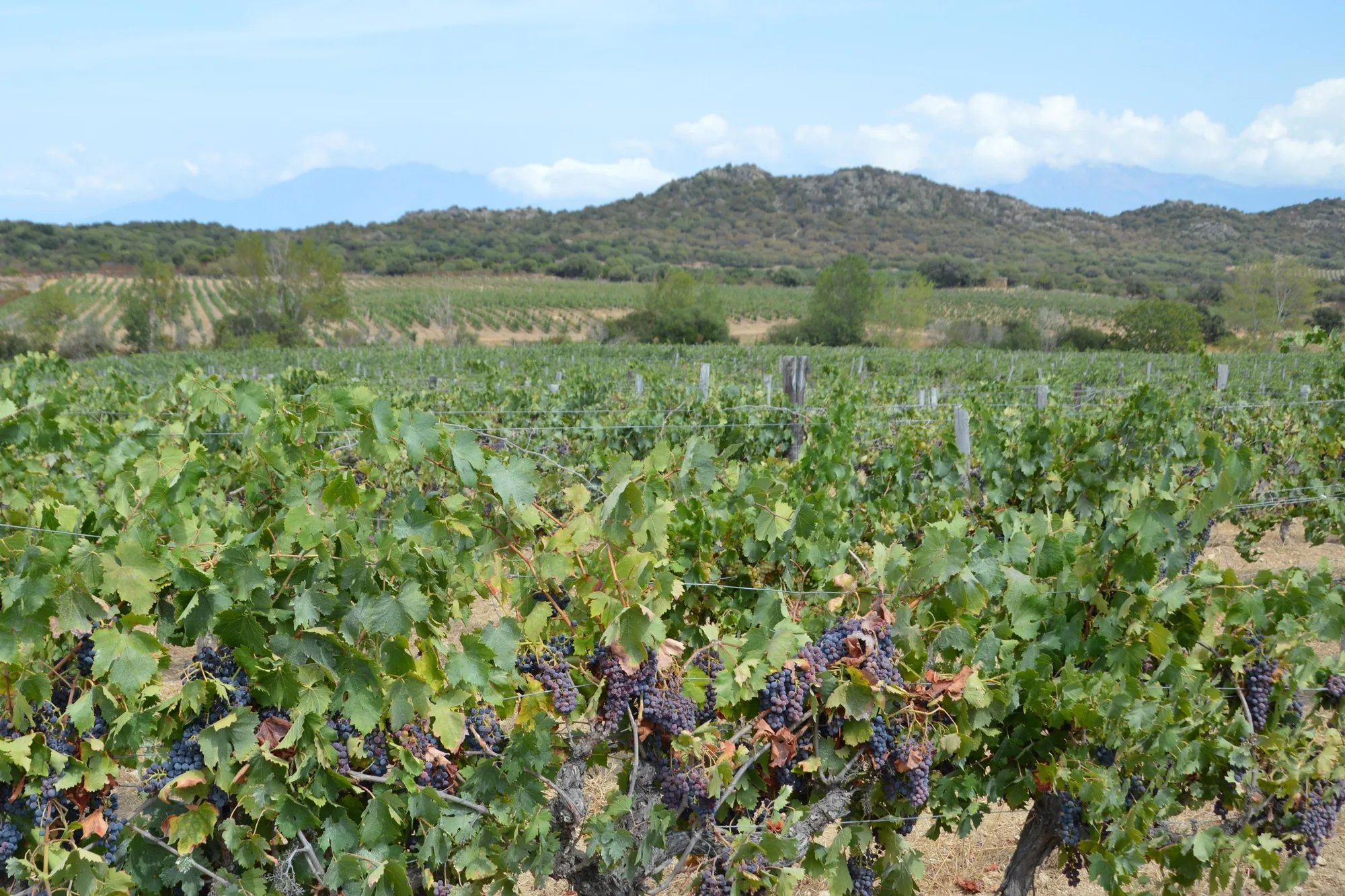
Patrimonio, Ajaccio, Vin de Corse, Muscat du Cap Corse: the island’s appellations, their areas and their grapes, nielluccio, sciaccarello and vermentino.
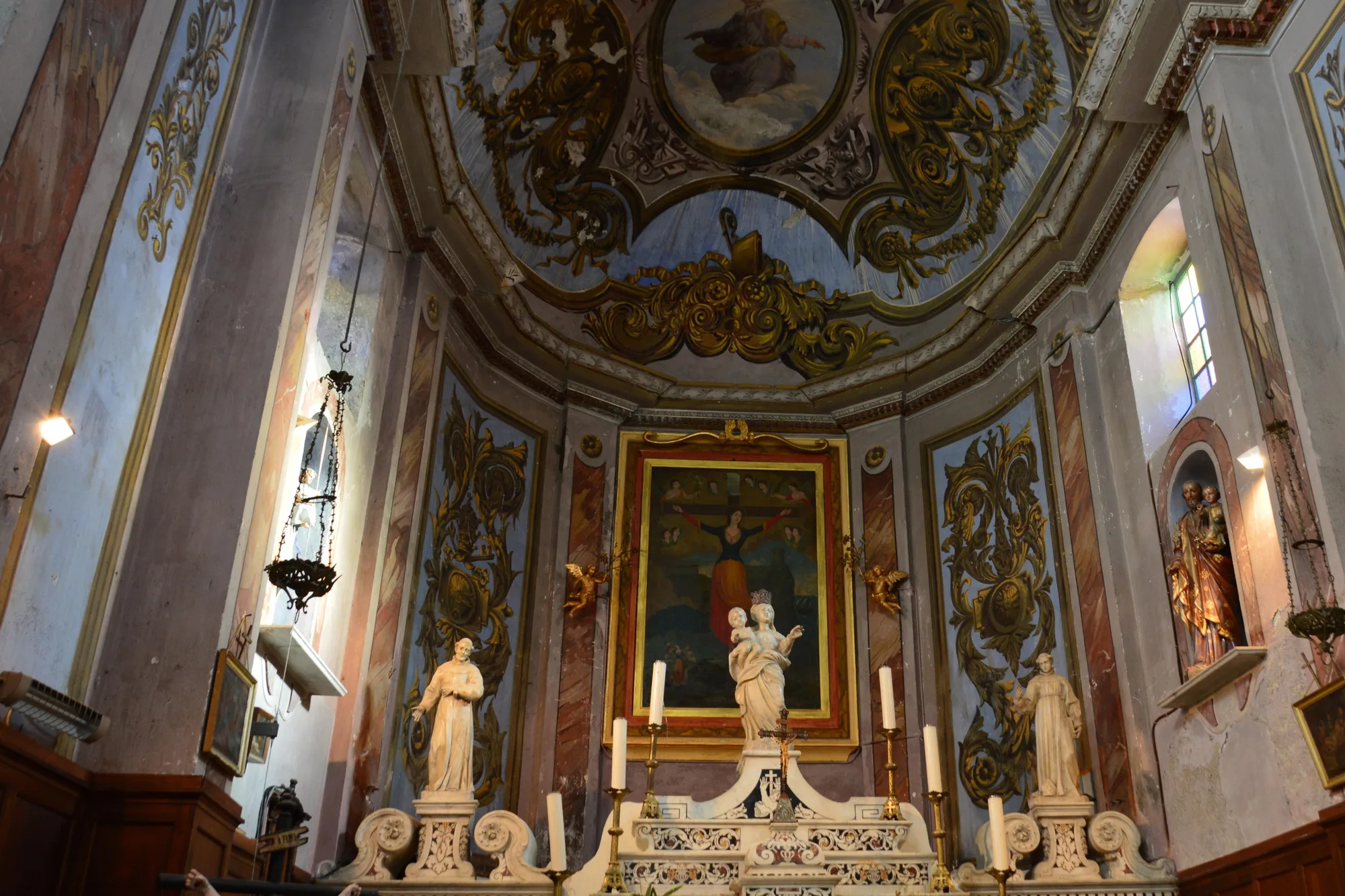
Paghjella, chjam’ è rispondi, famous songs, groups and instruments: Corsican singing and music, and where to hear them.
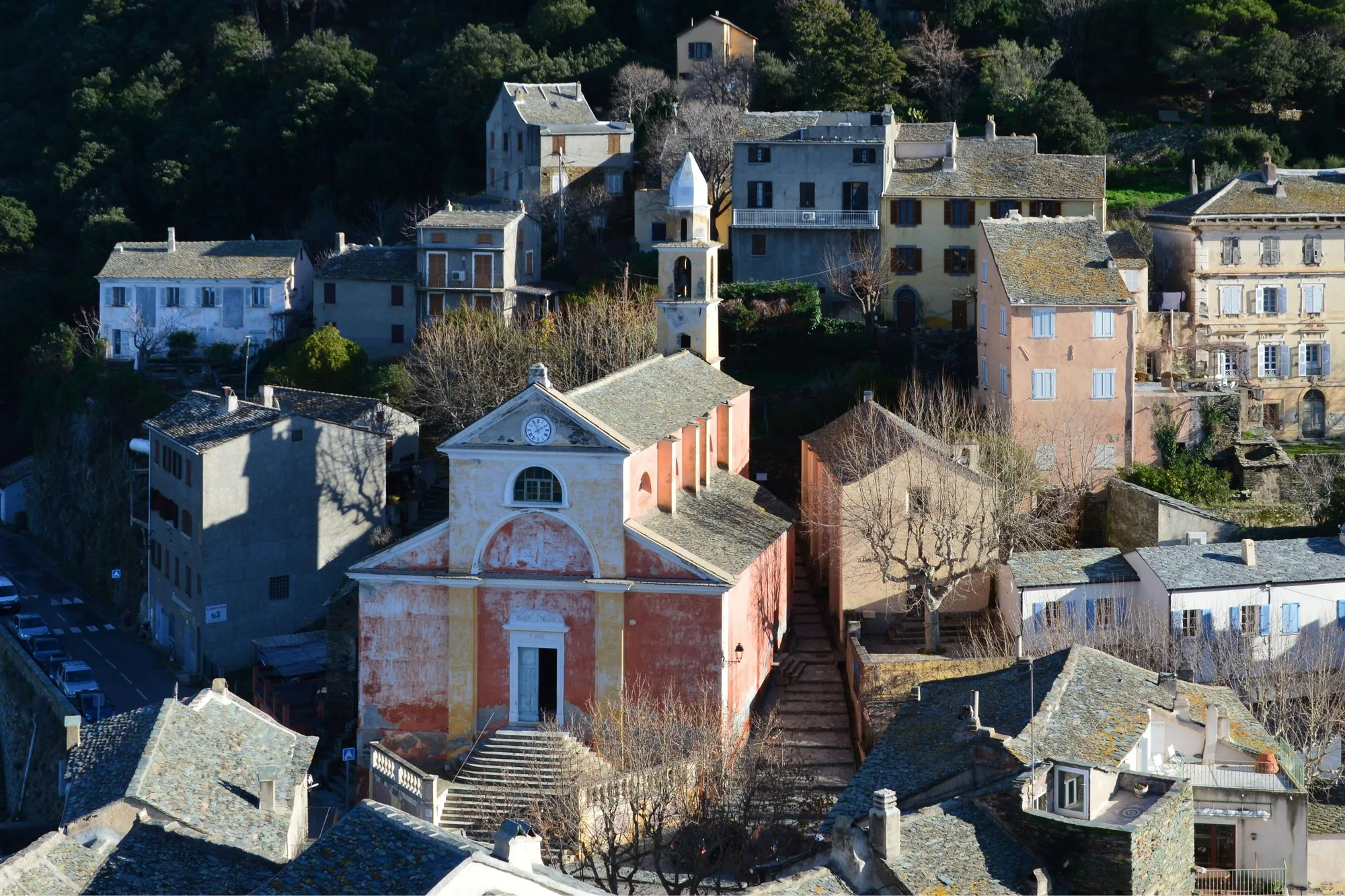
Bonghjornu, aiò, babin, toccu de macu: Corsican words for your trip, the ones you hear in the island’s French, a few proverbs that raise a smile and the insults to recognise but never use.
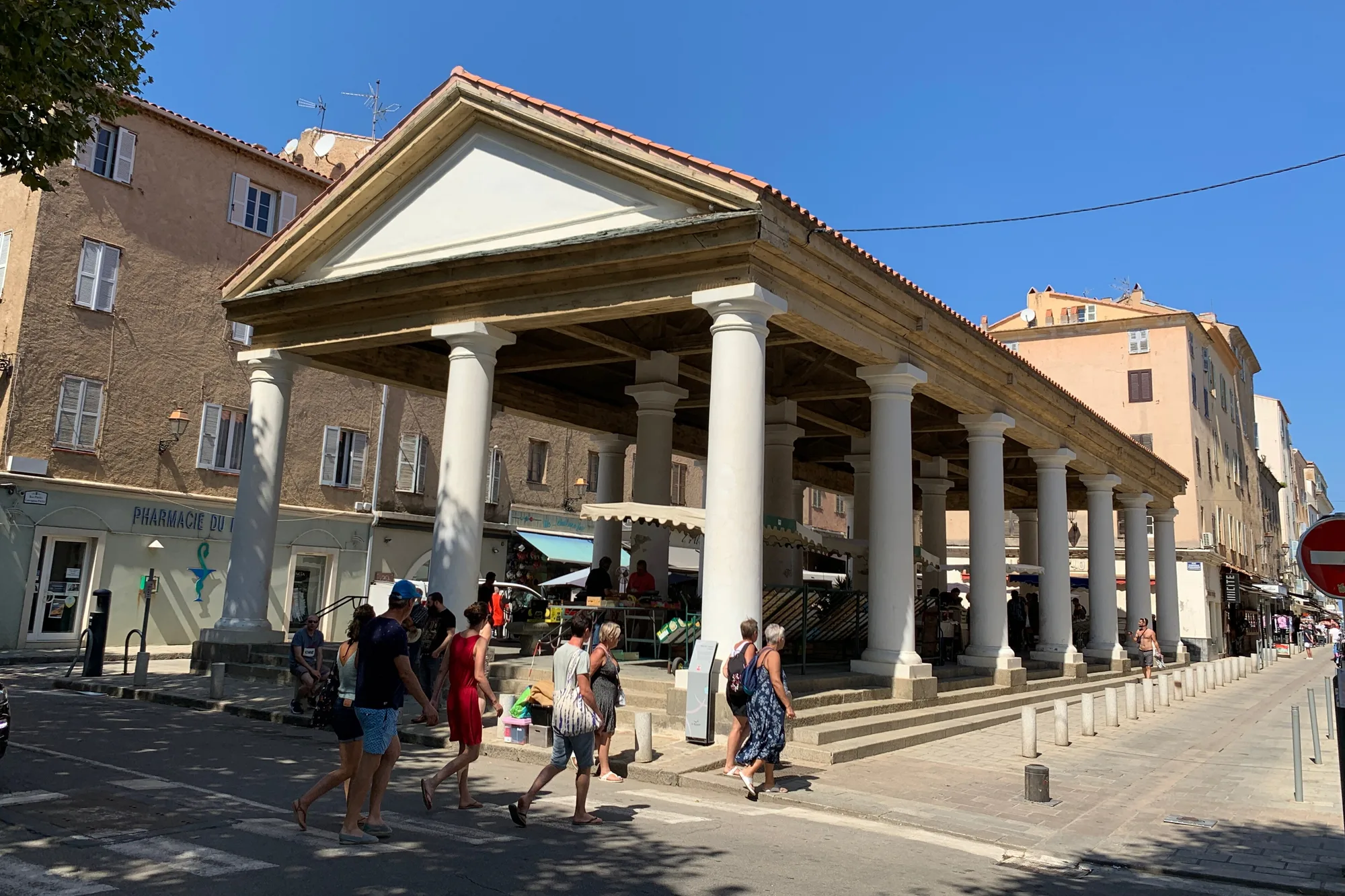
Where and when to find the markets in Ajaccio, Bastia, Calvi, L’Île-Rousse, Corte or Bonifacio, and which season to look for brocciu and charcuterie.
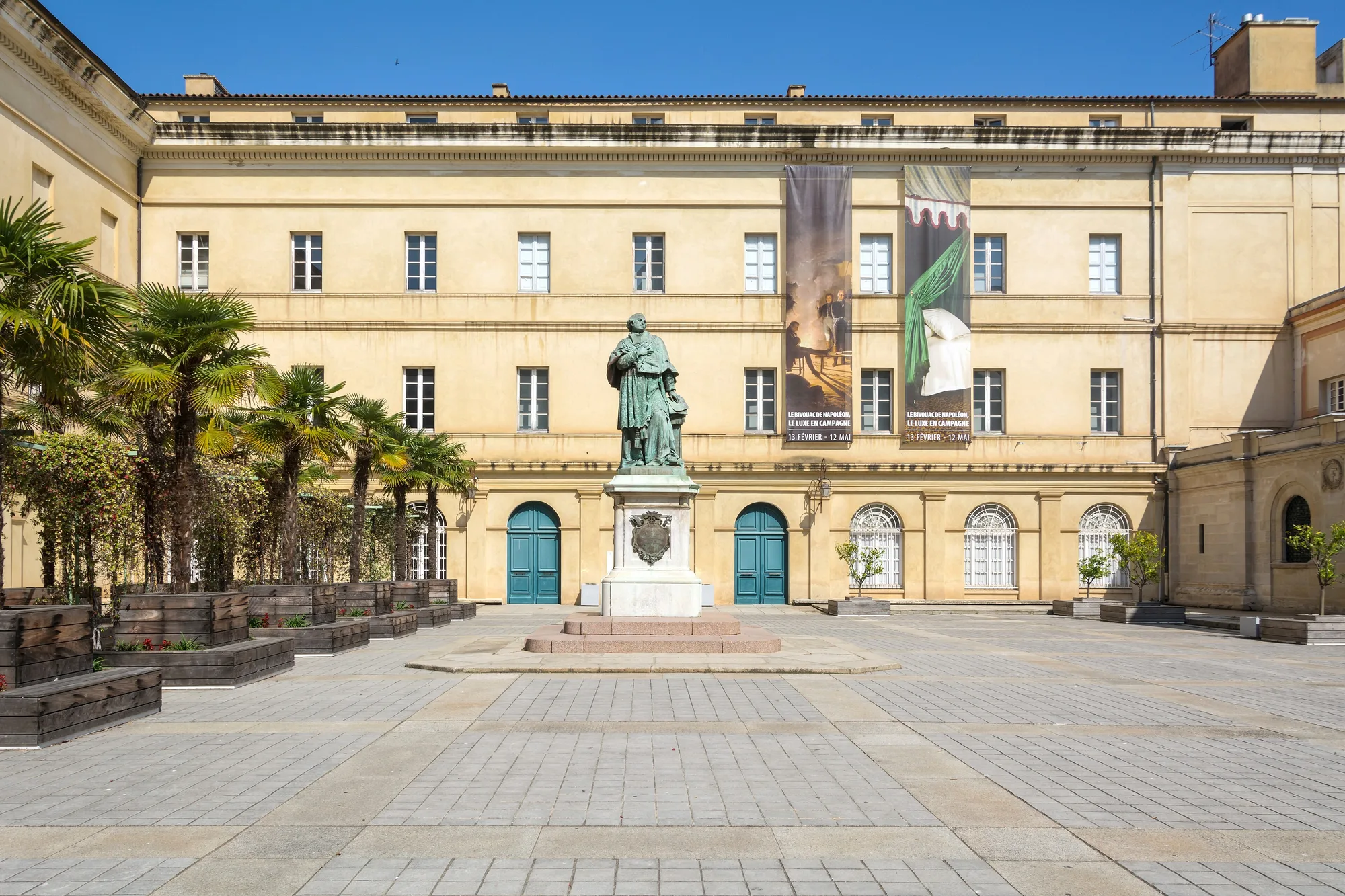
Italian painting in Ajaccio, the island’s history in Corte, archaeology in Aléria, Sartène and Levie: Corsica’s museums and their official websites.
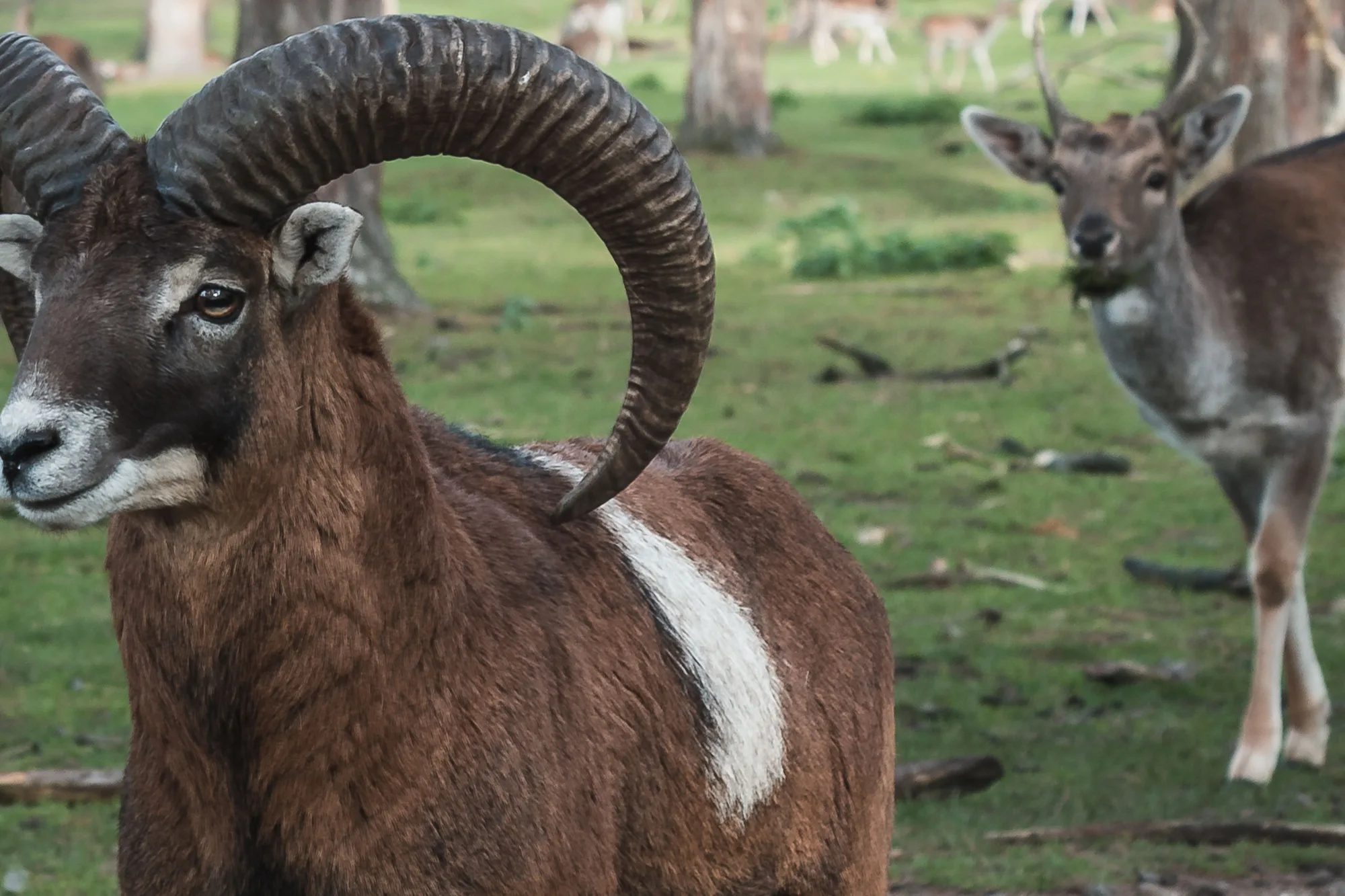
Mouflon, Corsican red deer, bearded vulture, nuthatch, brook salamander: the island’s isolation has produced distinctive wildlife, including several threatened and protected species.
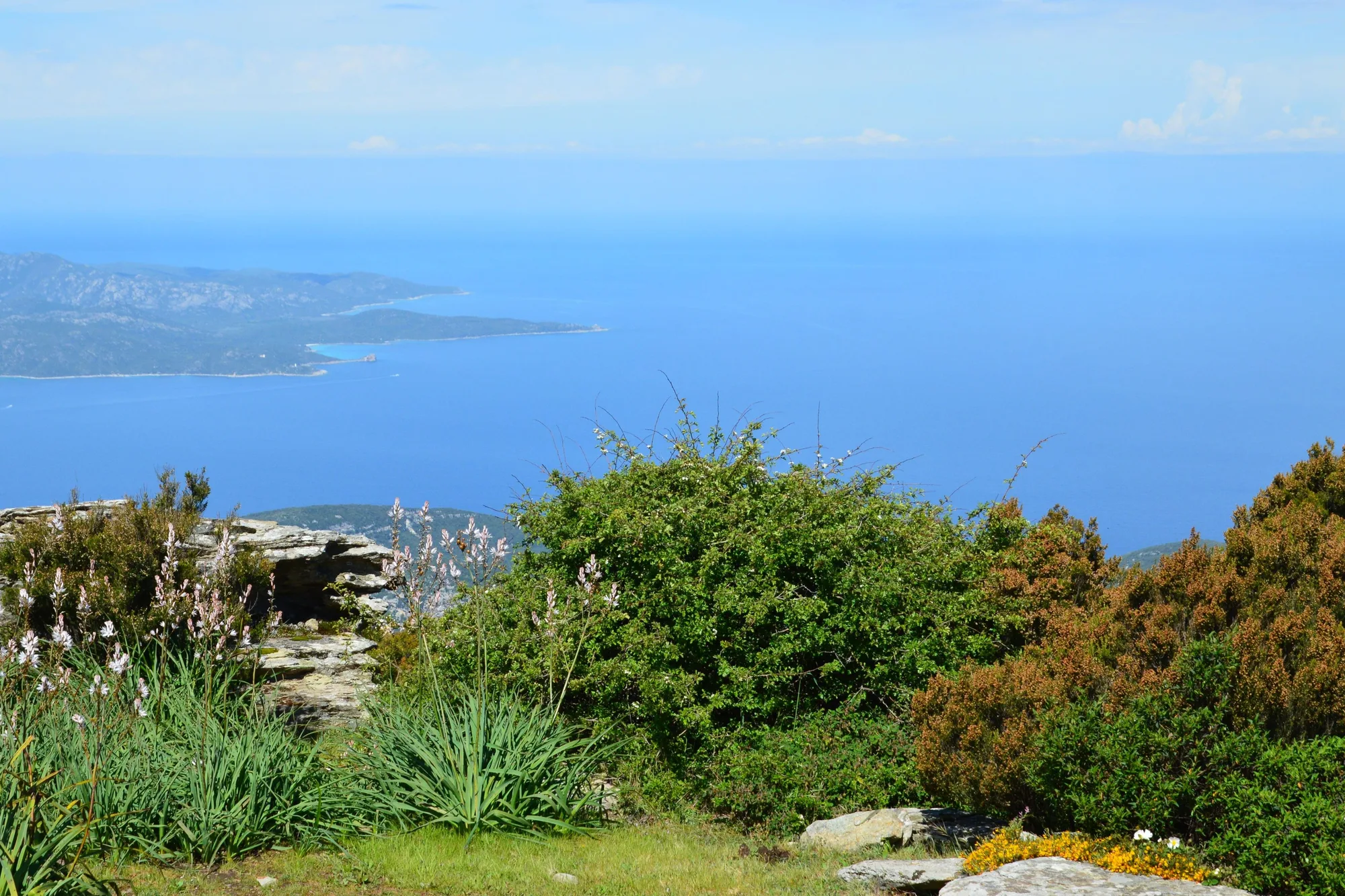
Nearly 3,000 plant species, 5% of which grow only in Corsica: trees, maquis, the coast, and what you must not pick.
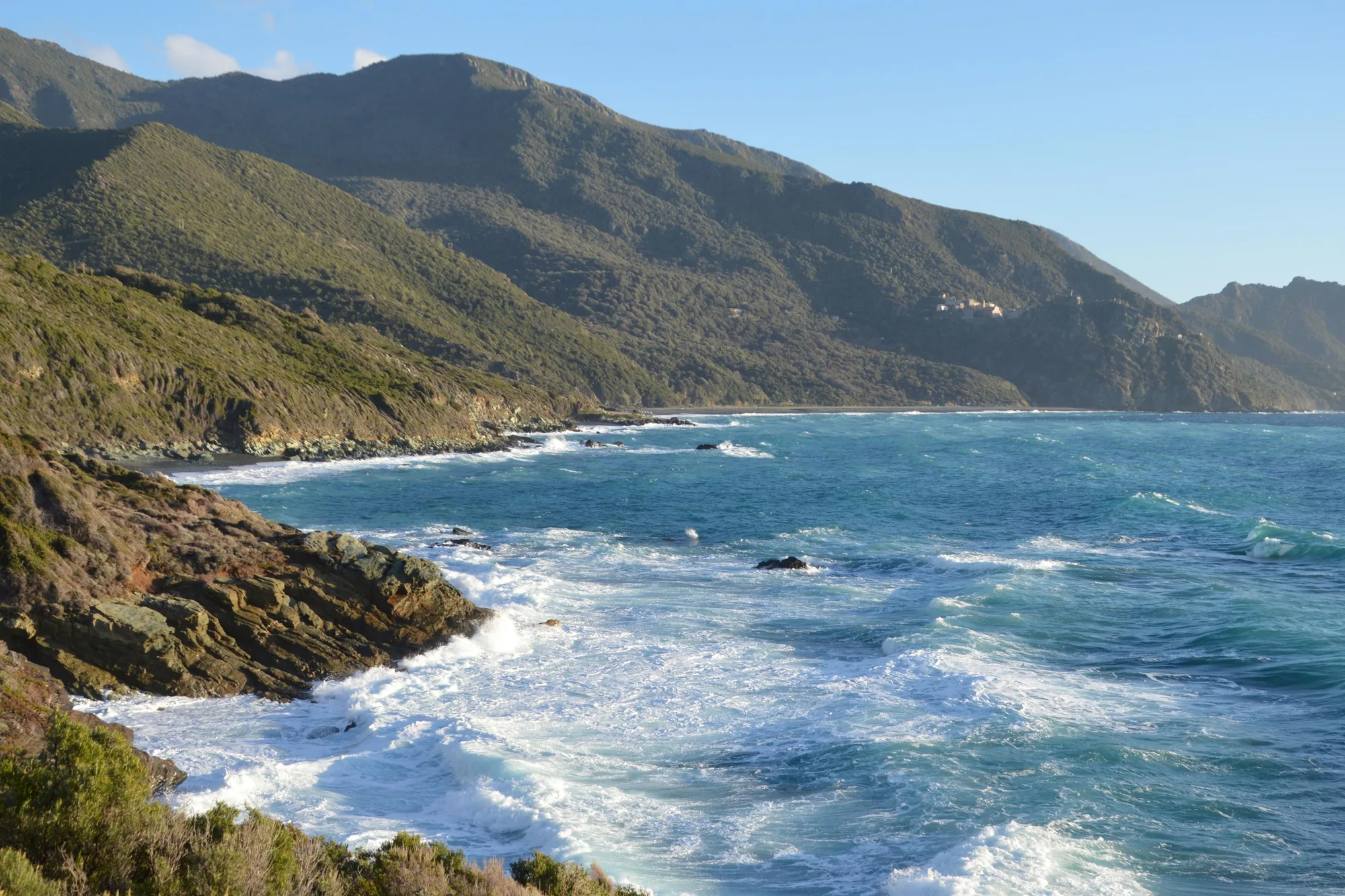
Mediterranean on the coast, mountainous from a few hundred metres up: Corsica’s climate changes quickly with altitude, and the wind matters as much as the sun.
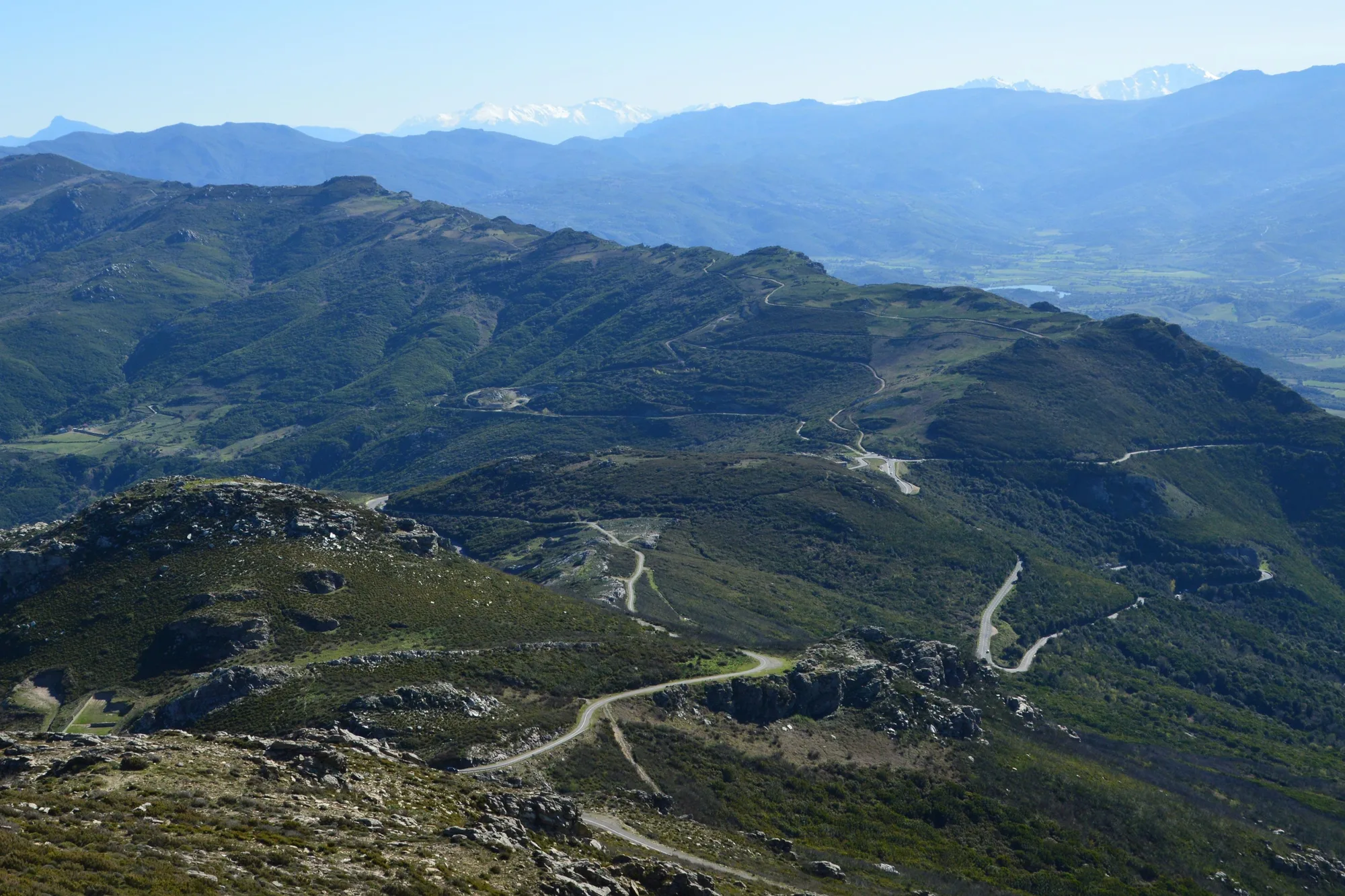
In Corsica, distance is measured in time rather than kilometres. Car, train, coach, bike or boat: what each way of getting around the island is worth.
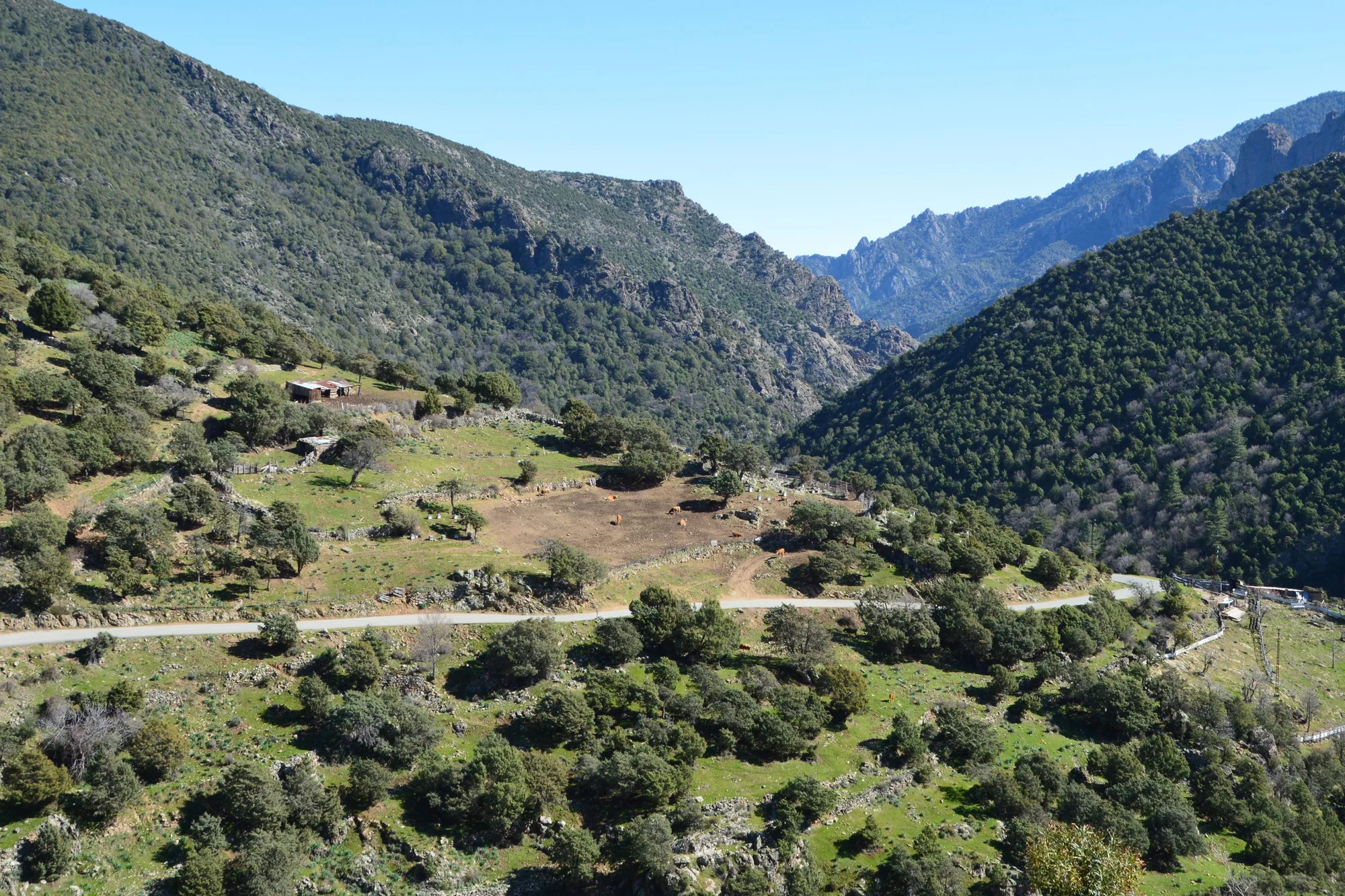
The rental companies are concentrated at the airports. Where to hire, when to book, how to read the excess and how to drive on Corsican mountain roads.
Where to find a taxi in Corsica, what a journey costs in 2026, when to book, and the options for doing without one.
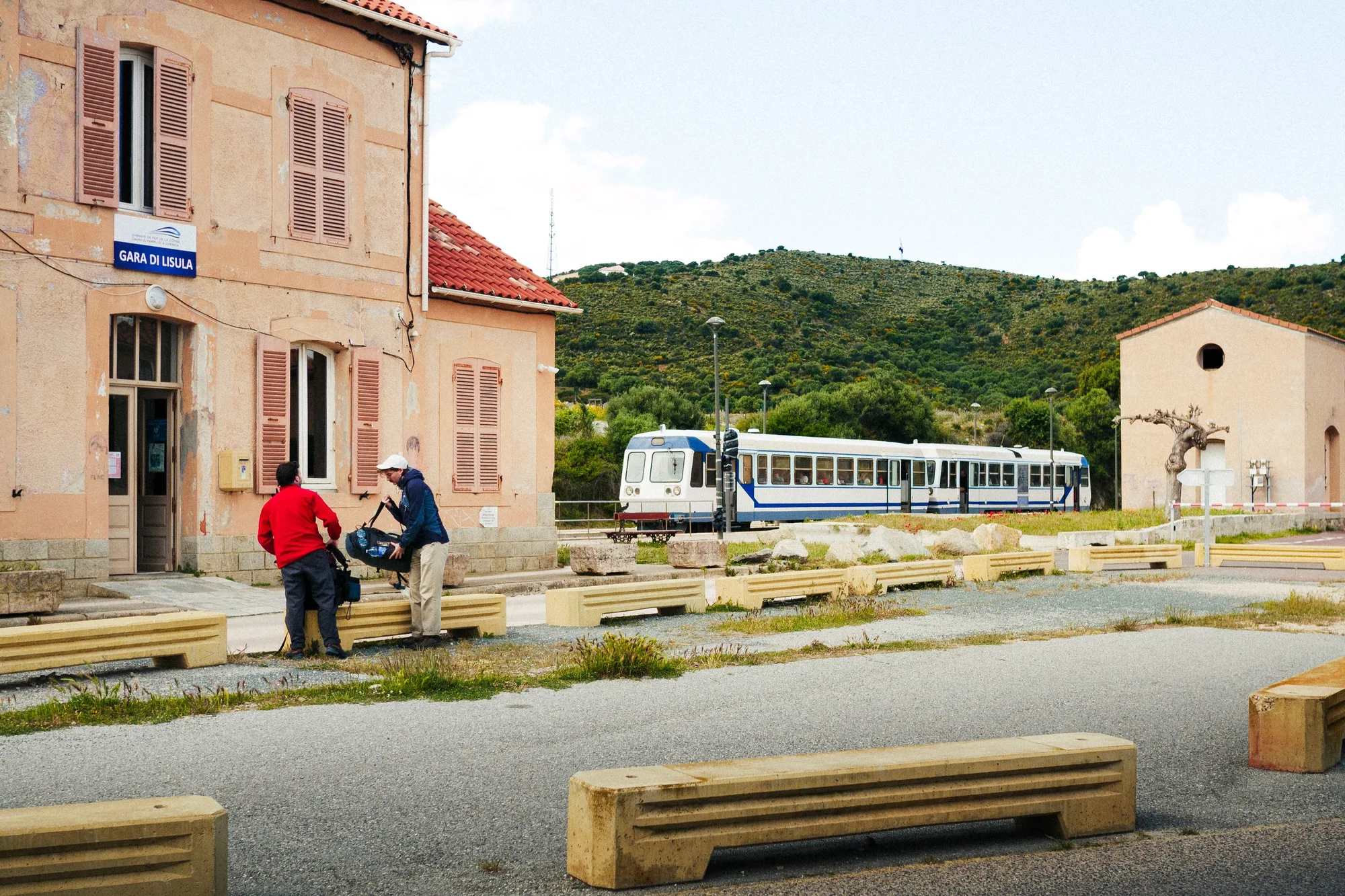
It is not fast, but it crosses the mountains on bridges and through tunnels that no road follows. Lines, journey times, fares and tips for travelling by train in Corsica.
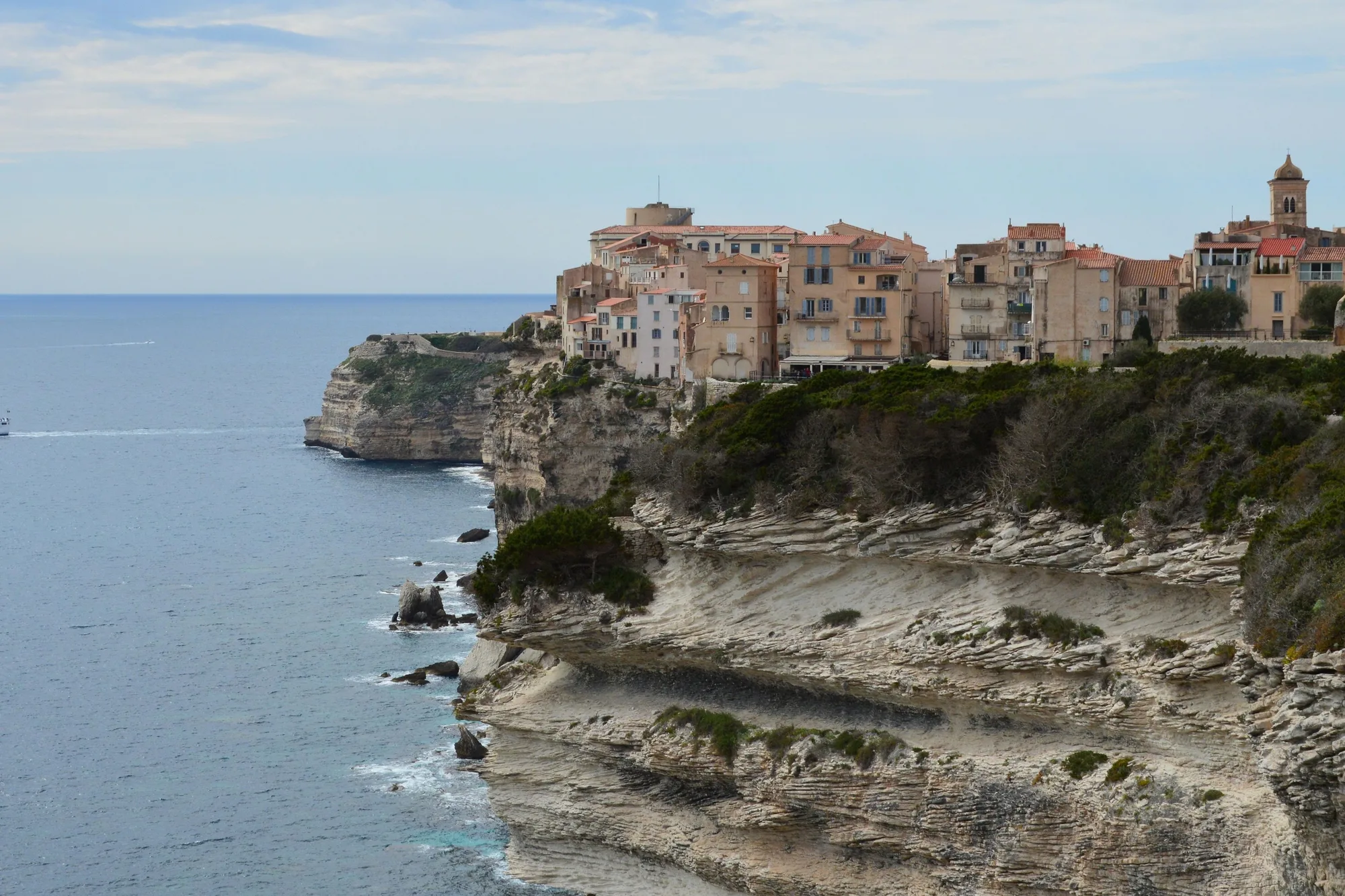
Slower than flying, the ferry gets you there with your own car. Ports, companies, actual crossing times and tips for booking at the best price.
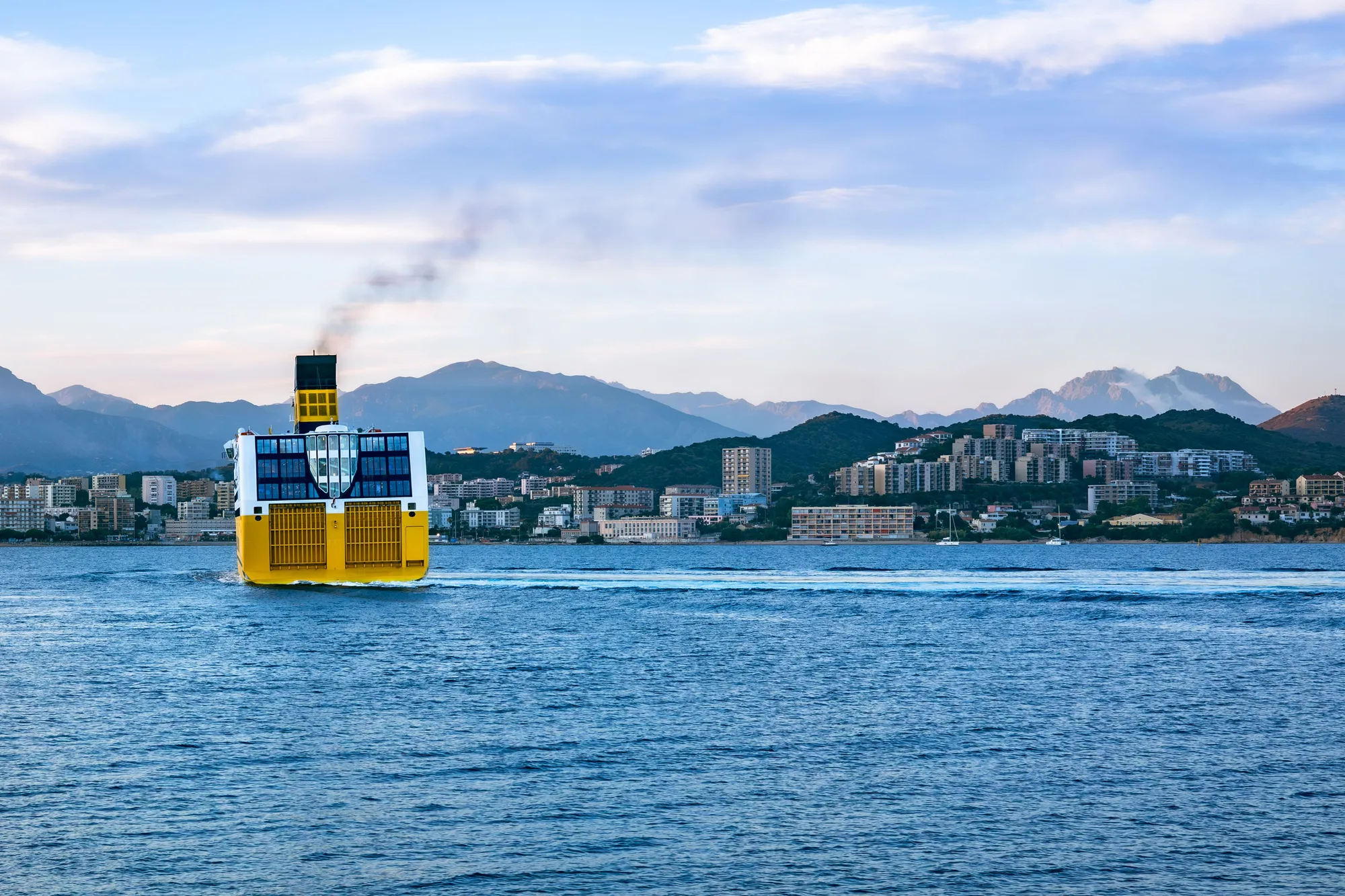
Corsica is part of France: no passport check or customs for a French traveller. A few rules still apply, from identity documents to tobacco.
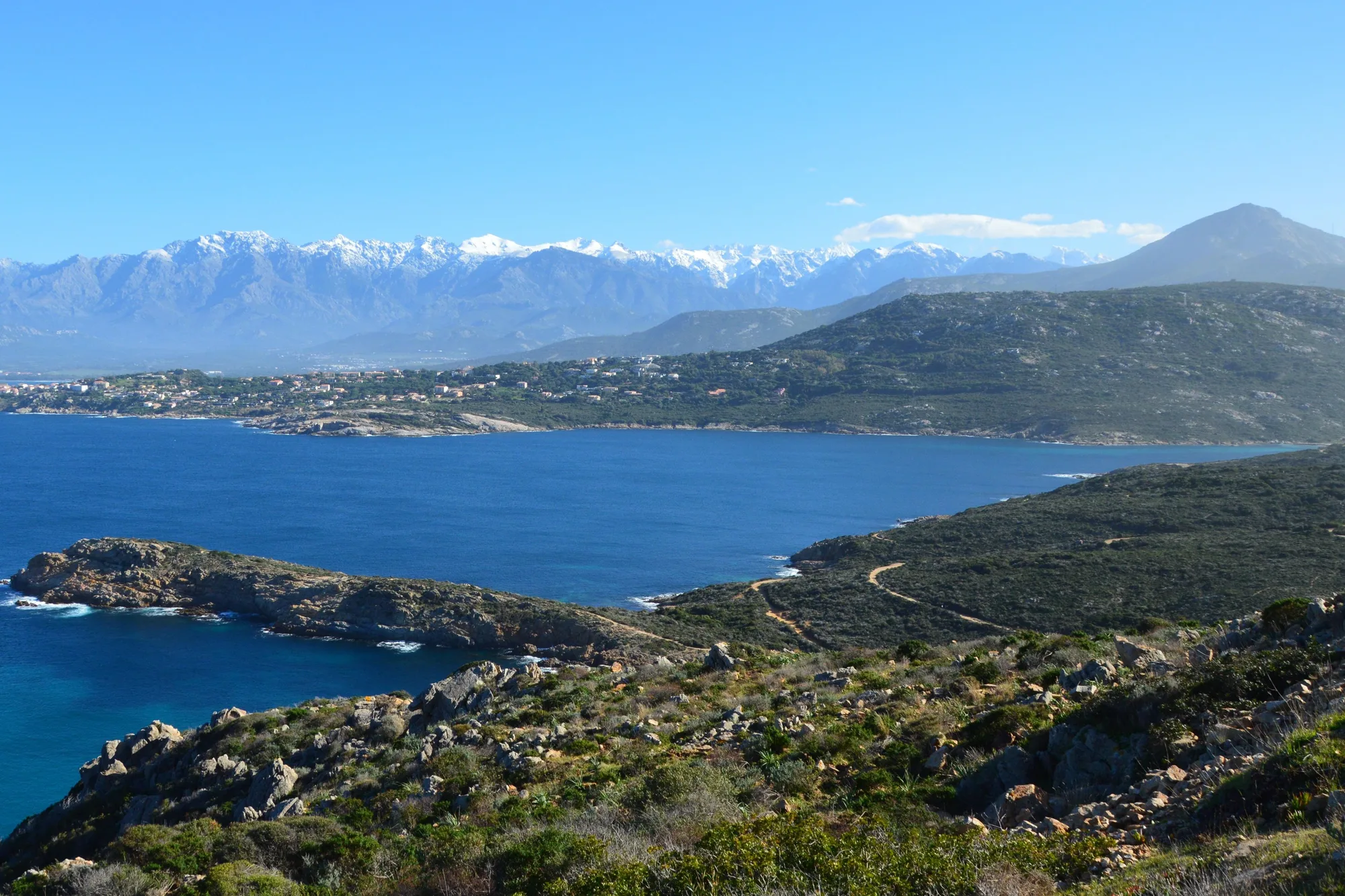
Weather, swimming, rescue services, fishing, boating, storms and wildfire risk: the safety rules for enjoying Corsica’s sea and mountains.
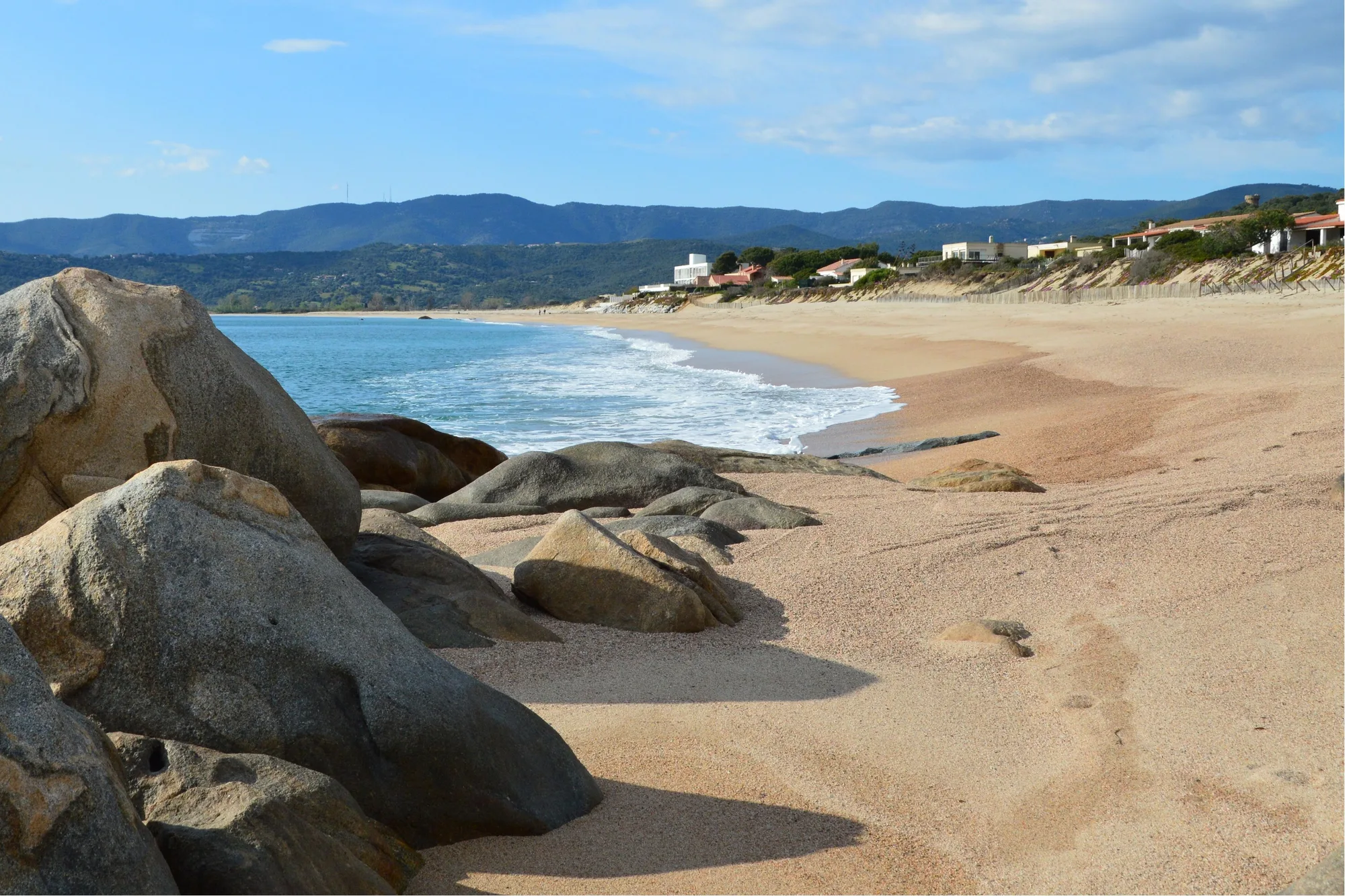
Every season has something going for it, but the island fills up fast in summer. May, June and September offer the best balance of warmth, sea and peace and quiet.
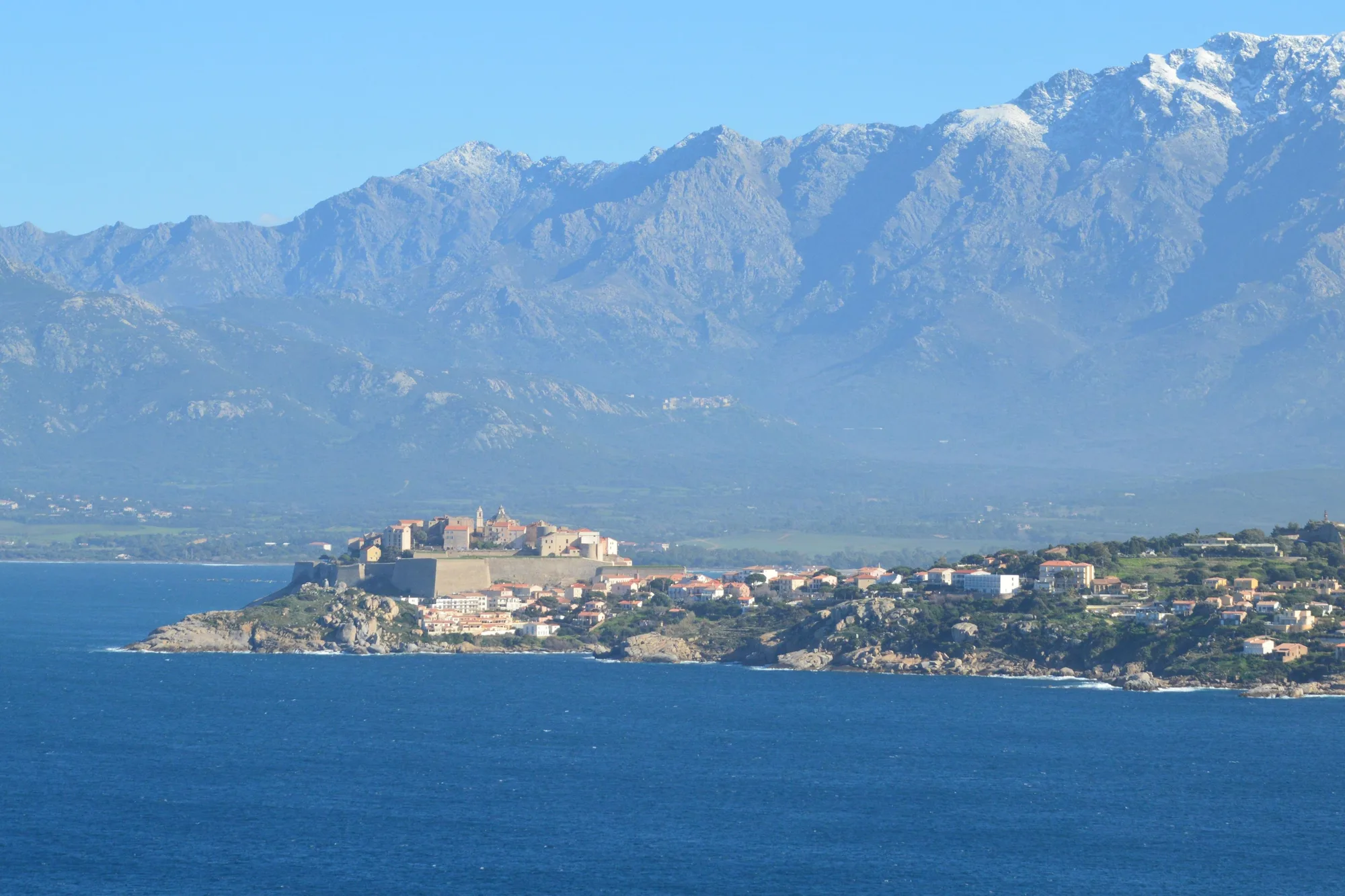
Fifteen places and experiences for a first trip to Corsica, from the sea to the mountains, each with its own detailed guide.
Figari, located in the heart of Corse-du-Sud, is an ideal destination for discovering the island's rich cultural and natural heritage. To make the most of your stay and explore the region's hidden treasures, we strongly recommend that you rent a car in Figari. This means of transport will enable you to visit the many sites of interest, from picturesque beaches to majestic mountains and charming Corsican villages. Here's an overview of the must-do activities and visits around Figari.